
India News
Karnataka High Court’s Justice Jayant Patel of Ishrat Jahan case fame quits in protest

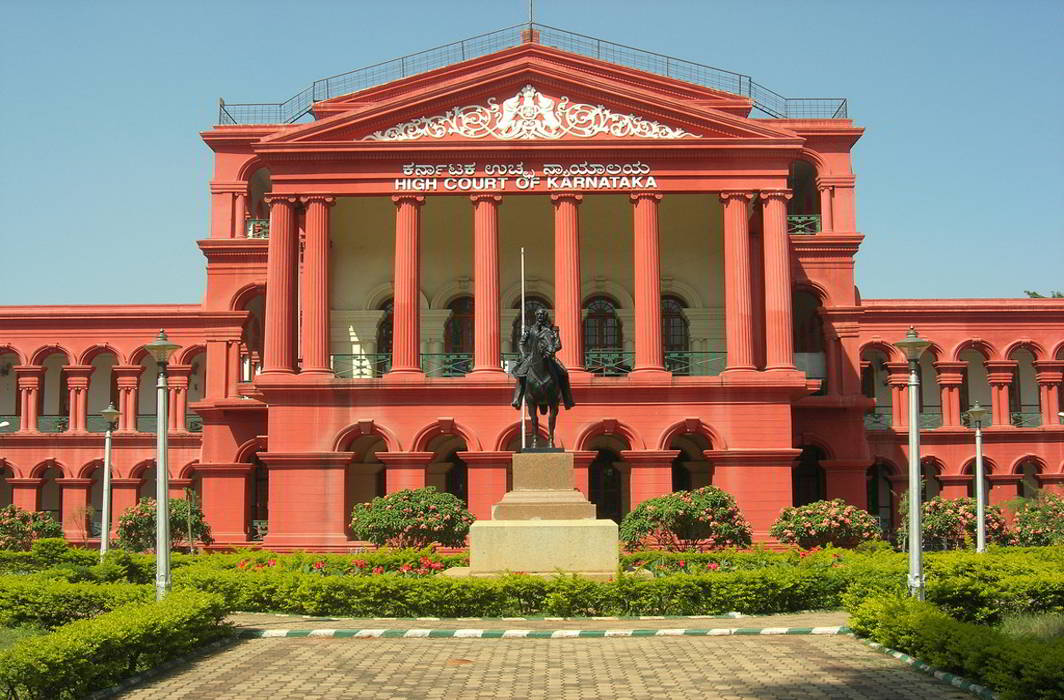
The Karnataka HC’s senior-most judge was transferred to Allahabad HC where he would have been third in queue for chief justice post
In a first, a judge of a high court in India has resigned, protesting his not being elevated as chief justice despite being the senior-most judge at that point of time, say reports.
 Justice Jayant Patel of the Karnataka High Court, who famously ordered a CBI enquiry into the Ishrat Jahan fake encounter case while he was a judge in the Gujarat high court, sent in his resignation letter to Karnataka’s Chief Justice SK Mukherjee, on Monday. Justice Mukherjee is set to retire on October 9, unless he is elevated to the Supreme Court.
Patel is the senior-most judge of the Karnataka High Court after chief justice Mukherjee. He had been moved to Karnataka from the Gujarat High Court where he was Acting Chief Justice.
Speculation is that Justice Patel was angered because he was transferred to the Allahabad High Court, where he would have ranked third in the hierarchy of the court’s judges with little or no chance of becoming chief justice and moving to the Supreme Court.
Justice Patel’s action has found resonance with the Gujarat High Court Bar Association which had addressed the Collegium, calling his transfer to Bengaluru “shocking”. Justice Patel had been transferred as a regular judge, despite being an Acting Chief Justice at that point in time. The letter, written by the association’s president Asim Pandya, not only complained about vacancies in the high courts, but had come down heavily on the executive’s interference into the selections.
Some eminent lawyers have moved in with huge criticism, complaining about unnecessary political intervention into the selection and transfer of top judges, affecting the entire judicial selection and posting system.
The political ire against Justice Patel may have emanated from his decision in the Ishrat Jahan case where he had not only ordered a CBI probe, but had also monitored it personally.
Senior advocate Yatin Oza has been quoted in the media as saying: “During the (Ishrat Jahan) encounter cases, (former) Chief Justice Mukhopadhaya had assigned all the matters to Justice Patel. There are people who are critics of Justice Patel, but none of his critics can say that he is a judge who will compromise his honesty and integrity. They wanted Justice Patel to act according to their wishes. But he is one judge who will never, ever ditch the Constitution.”
The issue has certainly not seen its end.





India News
Delhi Police offers 11-person limit for CJP’s Connaught Place protest
Delhi Police has offered to facilitate a group of 11 people at Central Park in Connaught Place for the Cockroach Janata Party’s October 16 protest, while warning that violations of prohibitory orders could invite legal action.


India News
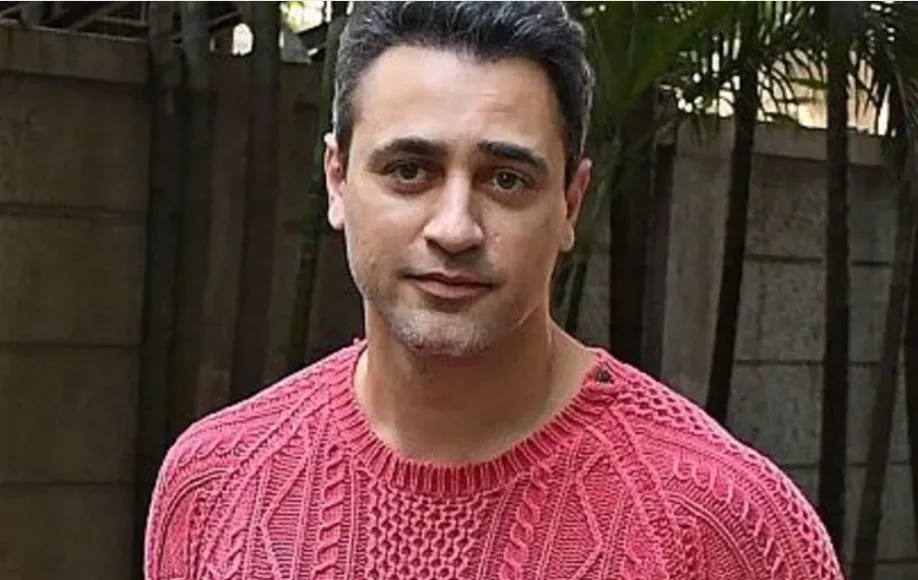
Actor Imran Khan asked to leave India after CJP protest
Actor Imran Khan has been asked to leave India by October 28, days after participating in a protest called by the Cockroach Janta Party (CJP) in Mumbai.
India News
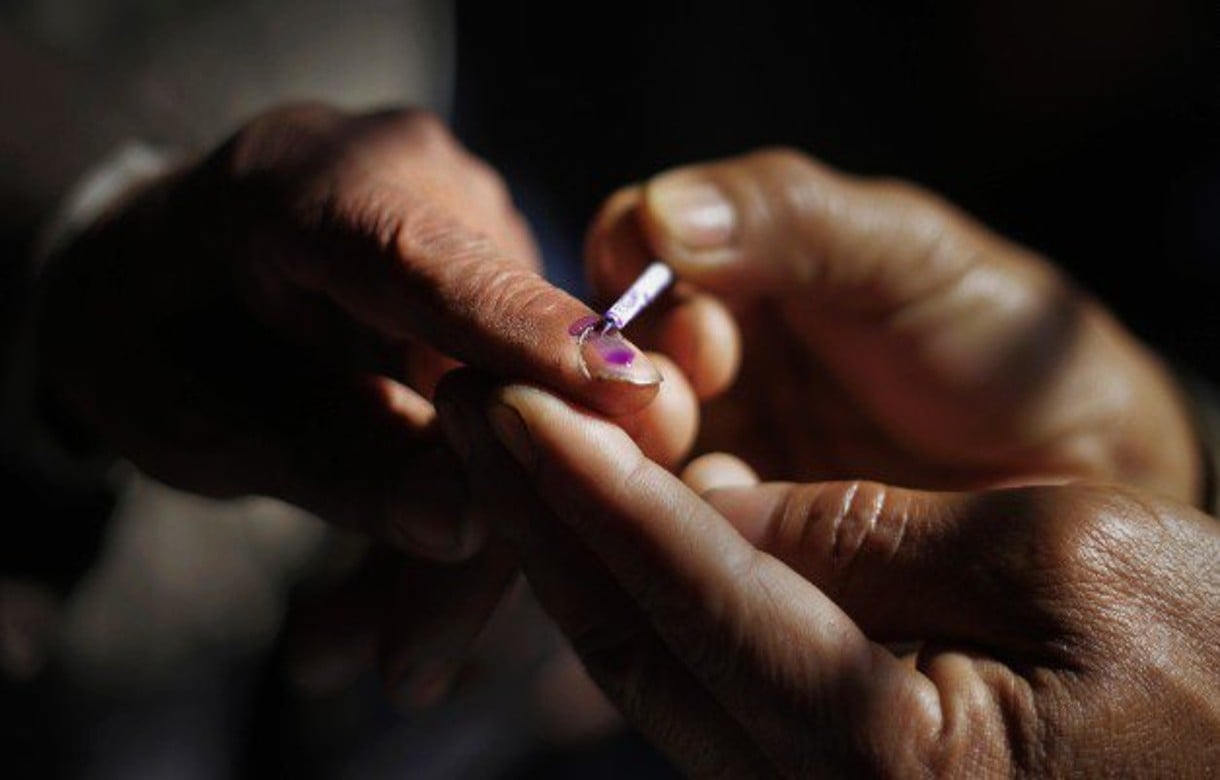
Election Commission orders voter roll revision in 17 states, UTs
The Election Commission has ordered a Special Summary Revision of electoral rolls in 17 states and Union Territories. Draft rolls are scheduled for November 12, with final rolls due on January 4, 2027.

Dhruv Rathee gets fresh summons in 2018 BJP IT cell video case

Nobody can browbeat judiciary, Chief Justice warns over Rahul Gandhi’s march

India-US trade deal first phase finalised, drafting underway

Election Commission orders voter roll revision in 17 states, UTs

Actor Imran Khan asked to leave India after CJP protest

Delhi Police offers 11-person limit for CJP’s Connaught Place protest
Actor Imran Khan asked to leave India after CJP protest
Election Commission orders voter roll revision in 17 states, UTs
India-US trade deal first phase finalised, drafting underway
Nobody can browbeat judiciary, Chief Justice warns over Rahul Gandhi’s march

Afghan Men Try To Hang With The Jet Engine Of The Aircraft in Kabul- Afghanistan News – Kabul News
Trending Top 10 News: 10000 Crore Fine on Flipkart, Apple to Launch Unique Feature, Hdfc Bank Job Ad

Trending Top 10 News: Nokia 6310, Apple sales, Bachpan ka Pyar Video Kid, Dainik Bhaskar IT Raid

Trending Top 10 News: Canada bans Indian flights, Rain in Delhi NCR, AIMIM Twitter hacked, Raj Kundra case

Trending Top 10 News: Shein India, Apple New Service, Pocket Oxygen, Oppo Launched New Phone
-
 India News12 hours ago
Dhruv Rathee gets fresh summons in 2018 BJP IT cell video case
-
 India News8 hours ago
Nobody can browbeat judiciary, Chief Justice warns over Rahul Gandhi’s march
-
 India News4 hours ago
India-US trade deal first phase finalised, drafting underway
-
 India News2 hours ago
Election Commission orders voter roll revision in 17 states, UTs
-
 India News1 hour ago
Actor Imran Khan asked to leave India after CJP protest
-
 India News10 mins ago
Delhi Police offers 11-person limit for CJP’s Connaught Place protest
