
India News
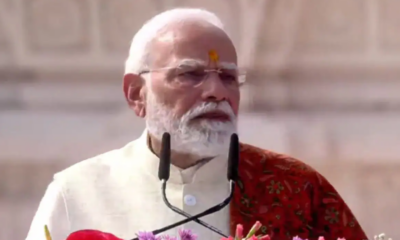
PM Narendra Modi attends actor Suresh Gopi’s daughter’s wedding, Mohanlal, Mammootty, others present
Several actors from the Malayalam industry were present at the event, including Mohanlal, and Mammootty.

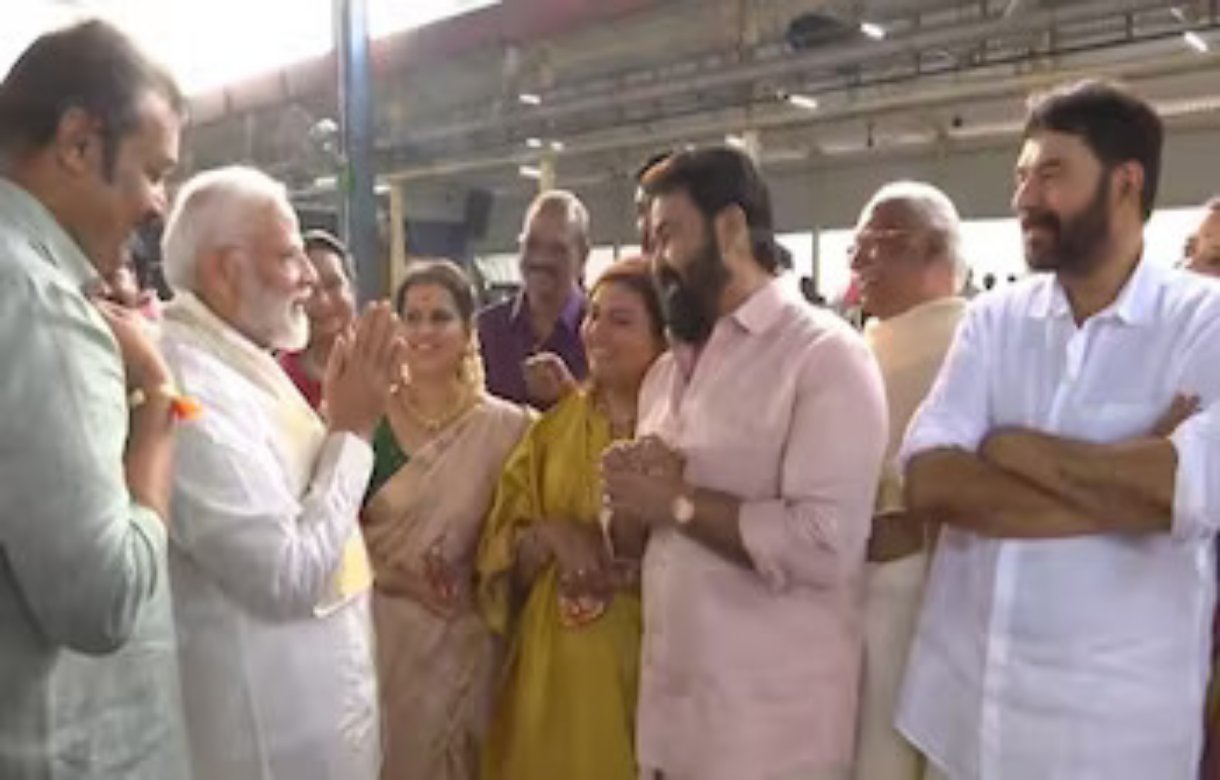
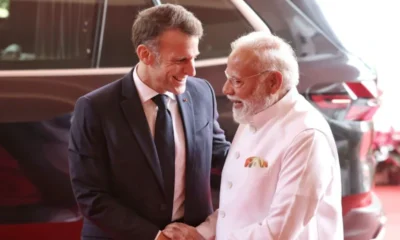
Prime Minister Narendra Modi on Wednesday attended the wedding ceremony of actor-politician Suresh Gopi’s daughter Bhagya Suresh.
PM Modi was on a visit to Lord Krishna temple in Guruvayur in Kerala to offer his prayers. PM Modi, later, attended the wedding ceremony that took place with traditional rituals. Several actors from the Malayalam industry were present at the event, including Mohanlal, and Mammootty.
Bhagya Suresh, the daughter of Malayalam actor Suresh Gopi, got married today at the Guruvayur temple in Thrissur at 8:45 AM. The wedding was a star-studded affair, with many well-known personalities attending the grand event. Regarded as one of the biggest weddings in the Malayalam film industry, the wedding was attended by celebrities such as Mohanlal, Mammootty, and even Prime Minister Narendra Modi.
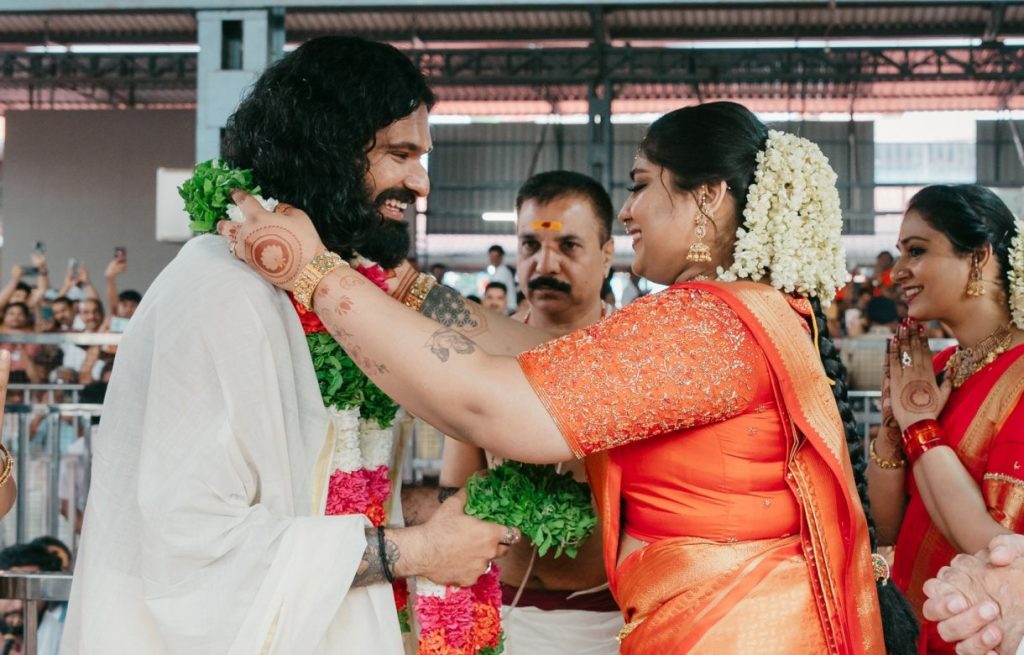
According to reports, the wedding venue was under tight security. Several of Suresh Gopi’s close friends from the film industry, including popular actors like Dileep and Khushbu, attended the ceremony. Fans and media personnel were also present in large numbers, surrounding the wedding venue and bringing an enthusiastic vibe to the celebrations.
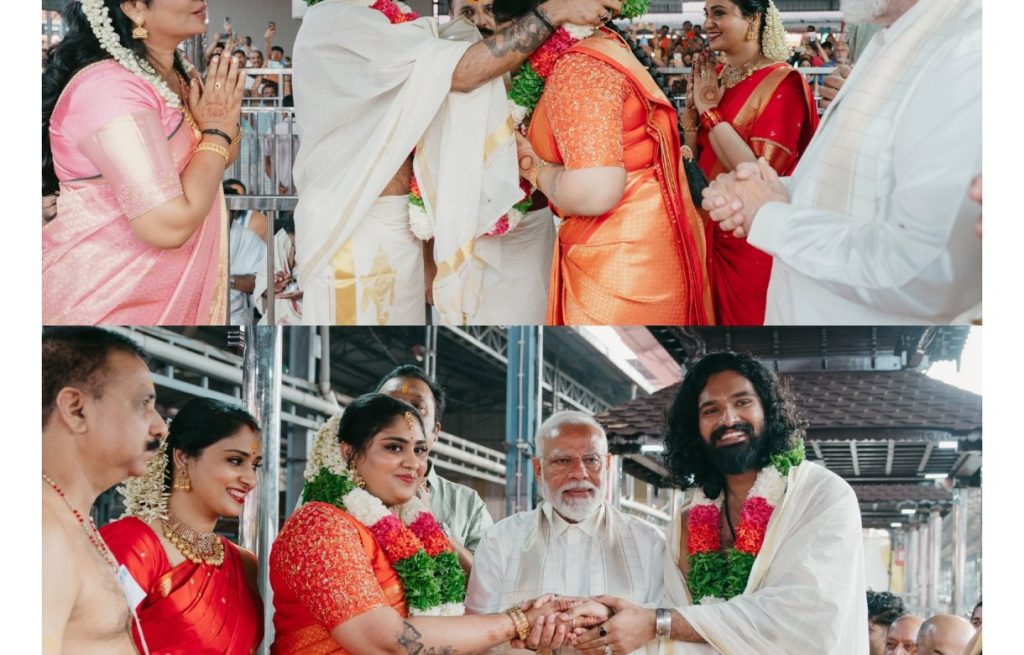
At the wedding, several celebrities such as Dulquer Salmaan, Tovino Thomas, and Kunjako Boban were present. The emotional and joyful moments experienced by fans, witnessing the gathering of prominent figures from the film and political fields. The celebrations were held in Kochi and Trivandrum, where notable personalities from various domains joined in.
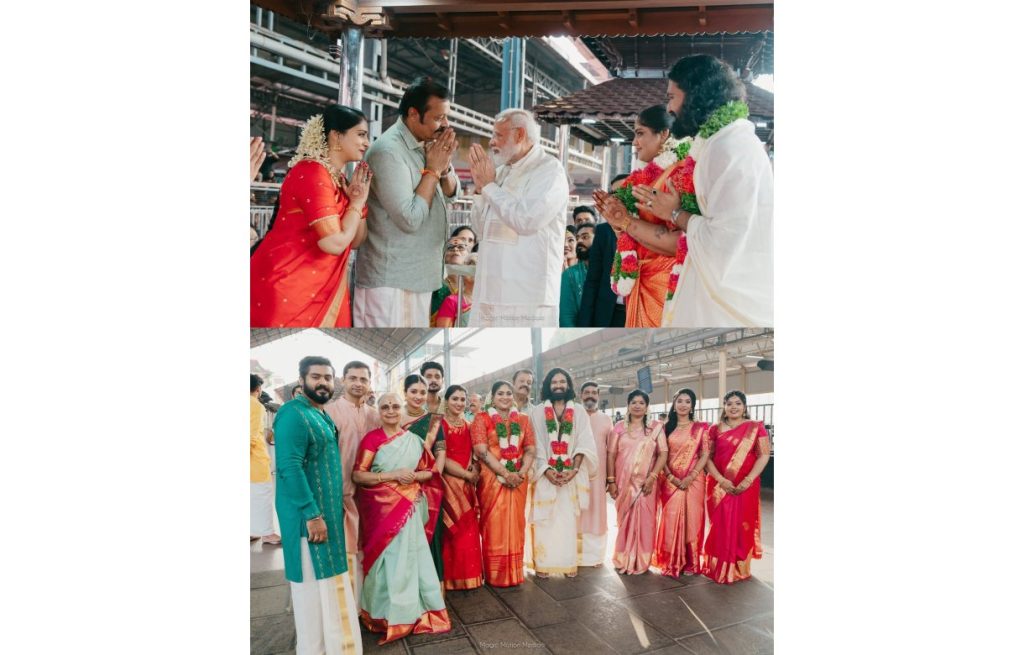
Additionally, the guest list featured Shreyas Mohan, Mohanlal’s son-in-law, who comes from Mavelikkara. There are several pictures and videos from the Guruvayur Temple have been shared widely on social media platforms. Leading Malayalam actors shared the beautiful moments from the wedding ceremony of Bhagya Suresh, fans across the country have shared the videos of a newly-wed couple and extended their wishes.





India News
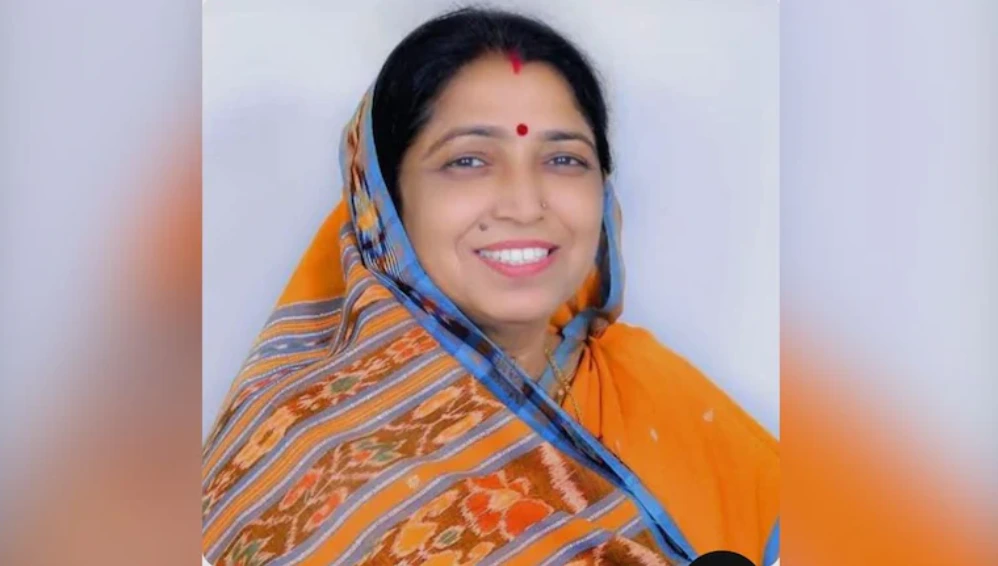
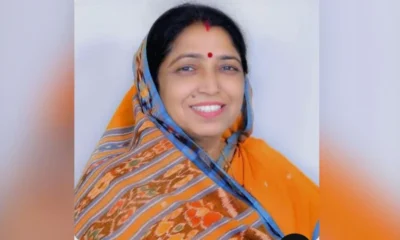
BJP nominates Laxmi Verma to Rajya Sabha from Chhattisgarh
The BJP has announced Laxmi Verma as its Rajya Sabha nominee from Chhattisgarh, with her election considered certain given the party’s Assembly strength.

India News
Total lunar eclipse on March 3: When and how to watch blood moon safely
A total lunar eclipse on March 3 will create a stunning blood moon. Here are the timings, visibility details and safe viewing tips for India and other regions.

India News
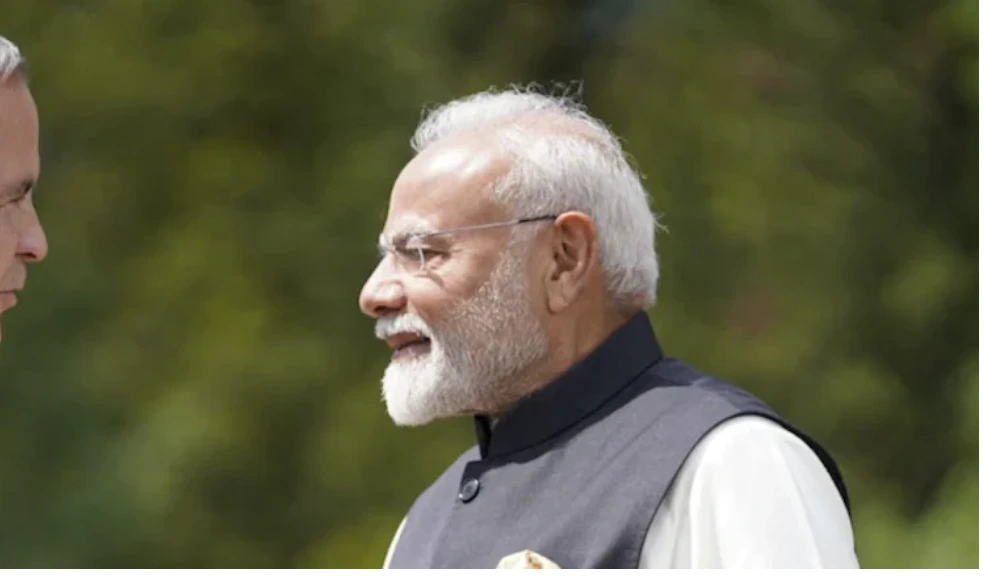
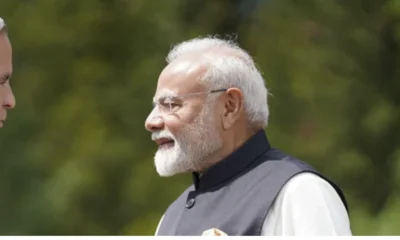
PM Modi to review ministry reforms in next cabinet meeting, ministers asked to submit impact report
PM Narendra Modi will review major reforms undertaken by ministries since the formation of the government in June 2024, with ministers directed to submit a two-page impact report.

Sonia Gandhi questions Centre’s silence on Khamenei killing, cites Iran’s past support on Kashmir

PM Modi to review ministry reforms in next cabinet meeting, ministers asked to submit impact report

Total lunar eclipse on March 3: When and how to watch blood moon safely

Happy Holi 2026 wishes and messages to share with your loved ones

ICC Men’s T20 World Cup: Who advances if India vs England semifinal is washed out

BJP nominates Laxmi Verma to Rajya Sabha from Chhattisgarh
ICC Men’s T20 World Cup: Who advances if India vs England semifinal is washed out
Happy Holi 2026 wishes and messages to share with your loved ones
Total lunar eclipse on March 3: When and how to watch blood moon safely
PM Modi to review ministry reforms in next cabinet meeting, ministers asked to submit impact report

Afghan Men Try To Hang With The Jet Engine Of The Aircraft in Kabul- Afghanistan News – Kabul News
Trending Top 10 News: 10000 Crore Fine on Flipkart, Apple to Launch Unique Feature, Hdfc Bank Job Ad

Trending Top 10 News: Nokia 6310, Apple sales, Bachpan ka Pyar Video Kid, Dainik Bhaskar IT Raid

Trending Top 10 News: Canada bans Indian flights, Rain in Delhi NCR, AIMIM Twitter hacked, Raj Kundra case

Trending Top 10 News: Shein India, Apple New Service, Pocket Oxygen, Oppo Launched New Phone
-
 India News13 hours ago
Sonia Gandhi questions Centre’s silence on Khamenei killing, cites Iran’s past support on Kashmir
-
 India News12 hours ago
PM Modi to review ministry reforms in next cabinet meeting, ministers asked to submit impact report
-
 India News12 hours ago
Total lunar eclipse on March 3: When and how to watch blood moon safely
-
 Festivals12 hours ago
Happy Holi 2026 wishes and messages to share with your loved ones
-
 Cricket news7 hours ago
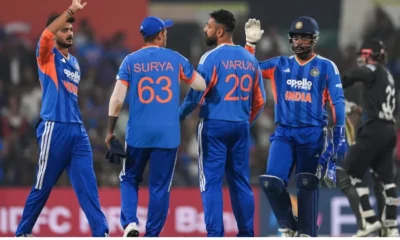
ICC Men’s T20 World Cup: Who advances if India vs England semifinal is washed out
-
 India News5 hours ago
BJP nominates Laxmi Verma to Rajya Sabha from Chhattisgarh



