
India News
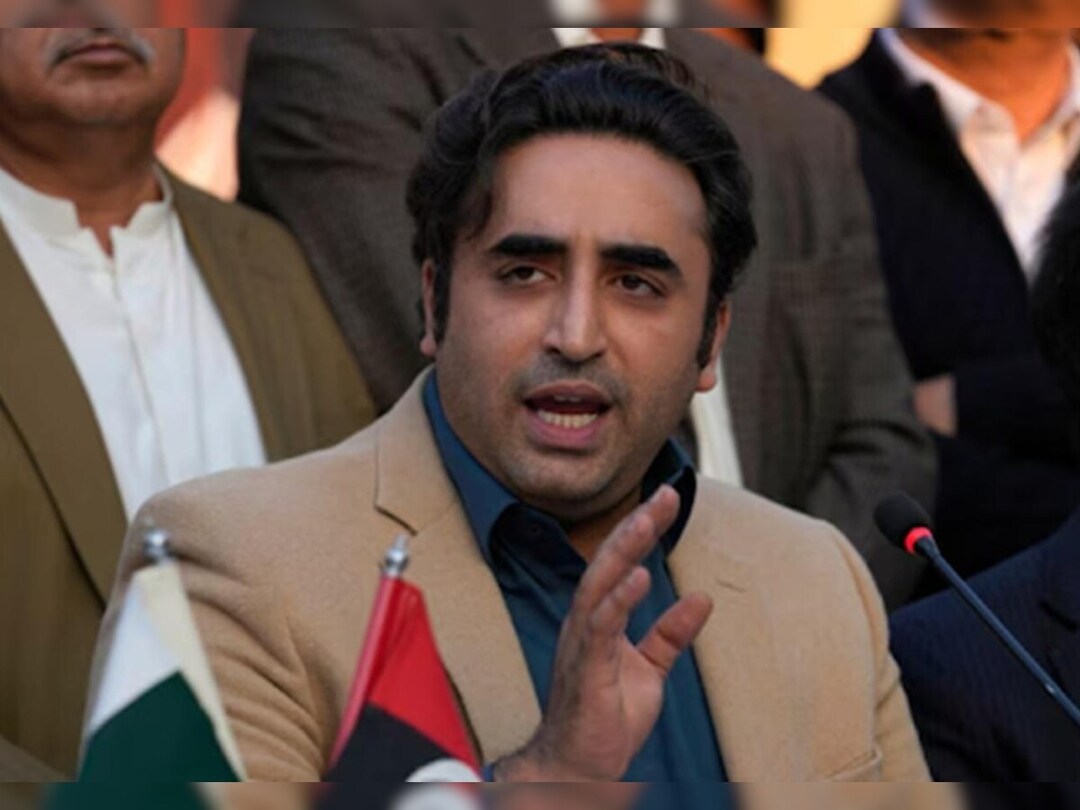
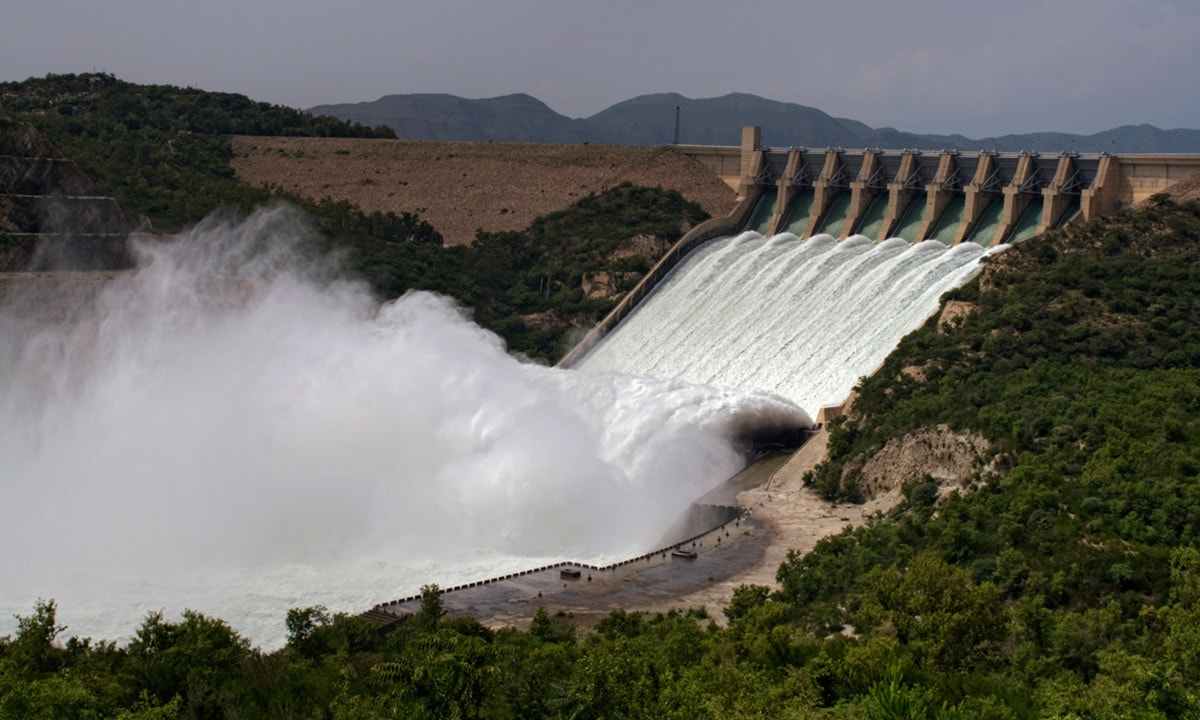
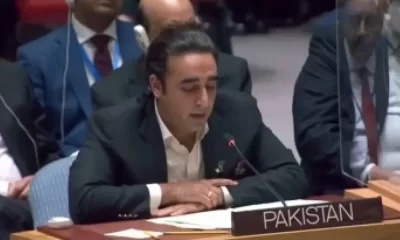
Pakistani leader Bilawal Bhutto says blood will flow if India stops Indus river water
On the domestic front, Bilawal announced a significant concession, stating that Pakistan’s federal government has agreed to seek consensus among provinces before proceeding with the construction of six contentious new canals.






India News
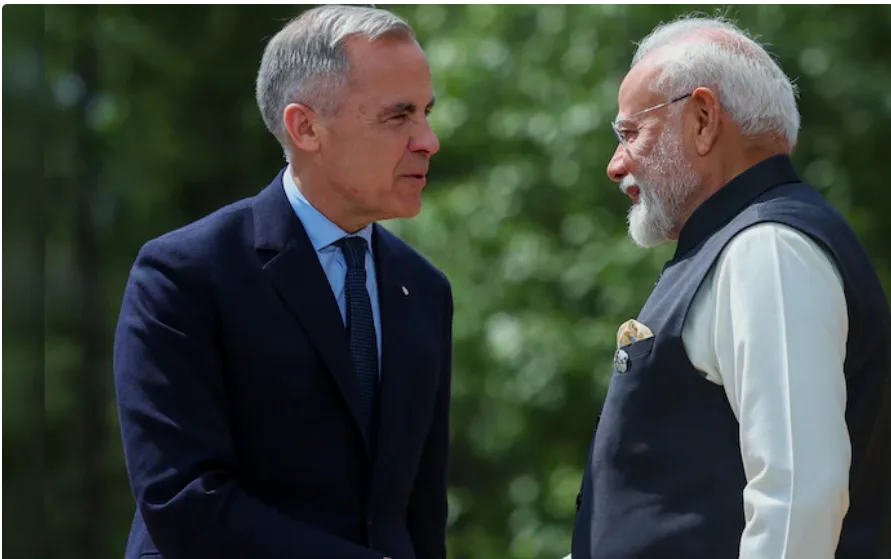
PM Modi speaks to Mark Carney as India and Canada push to strengthen ties
Prime Minister Narendra Modi held a telephone conversation with Canadian Prime Minister Mark Carney on October 13, with both leaders agreeing to strengthen India-Canada ties and pursue concrete outcomes across key areas of their strategic partnership.

India News
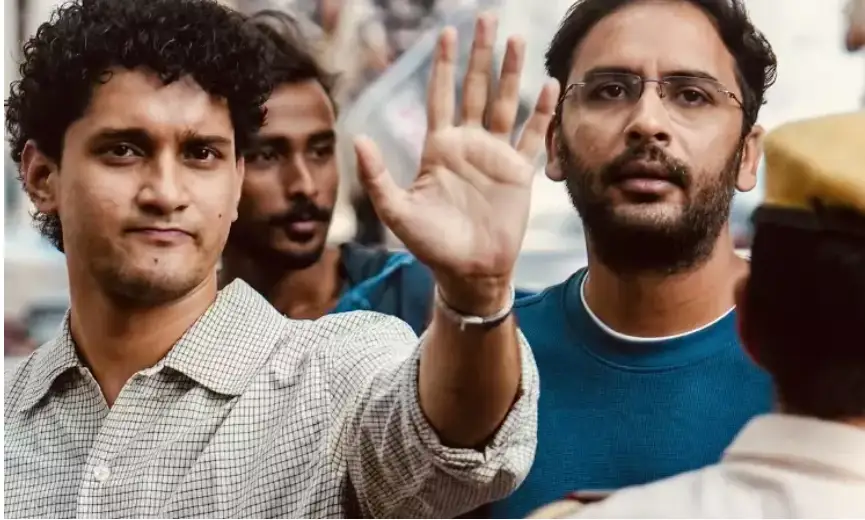
CJP leaders Saurav Das, Ashutosh Ranka, Ajinkya Shinde sent to 5-day judicial custody
Three CJP leaders, Saurav Das, Ashutosh Ranka and Ajinkya Shinde, were placed under preventive arrest following a protest at Delhi’s Jantar Mantar over Chief Election Commissioner Gyanesh Kumar.
India News
BJP focuses on religion as opposition pushes BDM strategy in UP
The BJP is emphasising religious issues ahead of the Uttar Pradesh Assembly elections, while opposition parties are seeking to consolidate Backward, Dalit and Minority voters. Recent exchanges involving Yogi Adityanath, Akhilesh Yadav and Asaduddin Owaisi have added to the political contest over the state’s electoral narrative.


Supreme Court stays defamation case against Rahul Gandhi over PM Modi remarks

Rahul Gandhi hosts high tea for INDIA bloc after Gyanesh Kumar protests

L Murugan quits Union ministry to strengthen BJP in Tamil Nadu

Amit Shah attacks Rahul Gandhi over Congress poll losses, questions SIR row

BJP focuses on religion as opposition pushes BDM strategy in UP

PM Modi speaks to Mark Carney as India and Canada push to strengthen ties

S Jaishankar says India is a natural option for Russia amid Europe tensions

CJP leaders Saurav Das, Ashutosh Ranka, Ajinkya Shinde sent to 5-day judicial custody
BJP focuses on religion as opposition pushes BDM strategy in UP
L Murugan quits Union ministry to strengthen BJP in Tamil Nadu

Afghan Men Try To Hang With The Jet Engine Of The Aircraft in Kabul- Afghanistan News – Kabul News
Trending Top 10 News: 10000 Crore Fine on Flipkart, Apple to Launch Unique Feature, Hdfc Bank Job Ad

Trending Top 10 News: Nokia 6310, Apple sales, Bachpan ka Pyar Video Kid, Dainik Bhaskar IT Raid

Trending Top 10 News: Canada bans Indian flights, Rain in Delhi NCR, AIMIM Twitter hacked, Raj Kundra case

Trending Top 10 News: Shein India, Apple New Service, Pocket Oxygen, Oppo Launched New Phone
-
 India News23 hours ago
Supreme Court stays defamation case against Rahul Gandhi over PM Modi remarks
-
 India News15 hours ago
Rahul Gandhi hosts high tea for INDIA bloc after Gyanesh Kumar protests
-
 India News14 hours ago
L Murugan quits Union ministry to strengthen BJP in Tamil Nadu
-
 India News14 hours ago
Amit Shah attacks Rahul Gandhi over Congress poll losses, questions SIR row
-
 India News13 hours ago
BJP focuses on religion as opposition pushes BDM strategy in UP
-
 India News2 hours ago
CJP leaders Saurav Das, Ashutosh Ranka, Ajinkya Shinde sent to 5-day judicial custody
-
 Latest world news2 hours ago
S Jaishankar says India is a natural option for Russia amid Europe tensions
-
 India News1 hour ago
PM Modi speaks to Mark Carney as India and Canada push to strengthen ties
