
India News
PM Modi says talks with Pakistan will only be on terror and PoK
In his 8 PM speech, PM Modi confirmed the success of Operation Sindoor, saluted India’s armed forces, and warned Pakistan over its support for terrorism following the brutal Pahalgam attack.








India News
Delhi Palam fire leaves 6 dead, massive rescue operation underway
Six people died after a fire broke out in a residential building in Delhi’s Palam. Firefighters continue rescue efforts with 30 tenders at the spot.

India News
Centre mandates 60% free seat allocation on flights, caps selection fees
Airlines must now offer 60% seats without extra charges and ensure better seating arrangements for passengers under new government rules.

India News
Mamata Banerjee warns BJP, EC over Bengal polls, says they will be accountable
Mamata Banerjee holds BJP and Election Commission responsible for any incidents during Bengal polls, raising concerns over officer transfers.

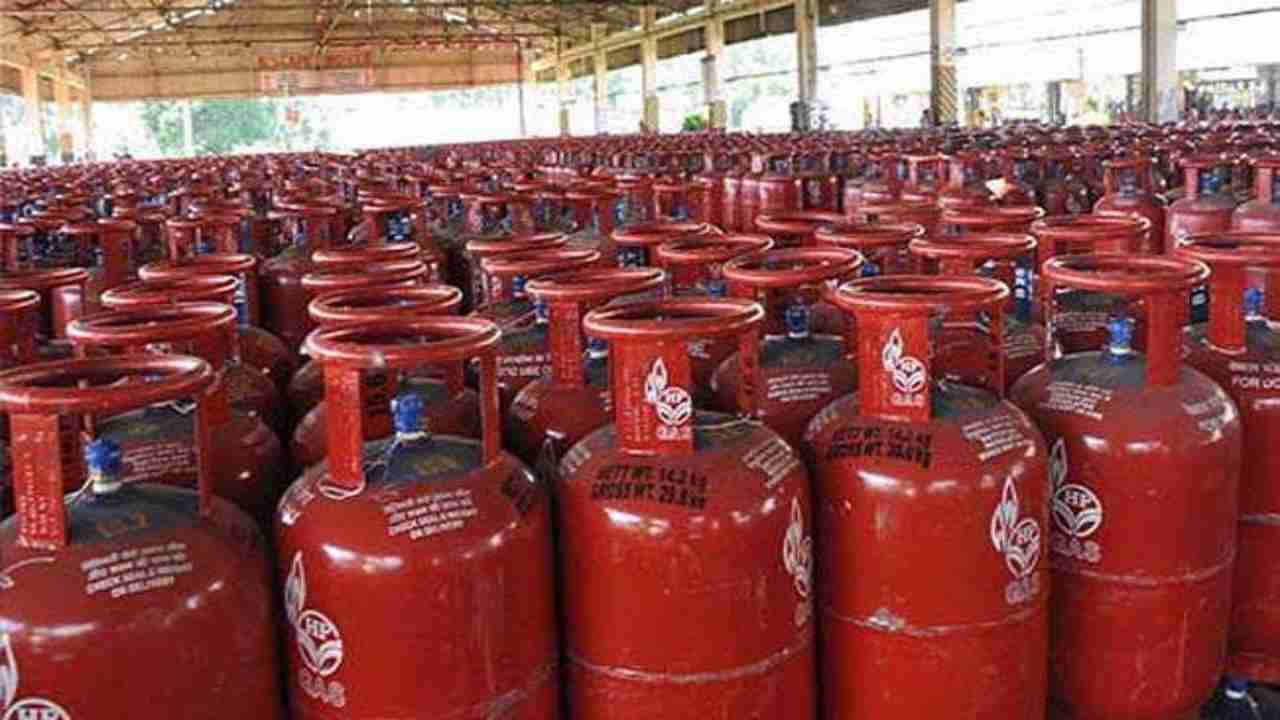
Centre assures action on LPG supply disruption, court closes distributors’ plea

Mamata Banerjee warns BJP, EC over Bengal polls, says they will be accountable

Top US counterterrorism official resigns over Iran war, cites conscience

US strikes Iranian missile sites near Hormuz with 5,000-pound bunker buster bombs

Netanyahu dismisses death rumours in video with US envoy, says I’m alive

Delhi Palam fire leaves 6 dead, massive rescue operation underway

Centre mandates 60% free seat allocation on flights, caps selection fees
Netanyahu dismisses death rumours in video with US envoy, says I’m alive
US strikes Iranian missile sites near Hormuz with 5,000-pound bunker buster bombs
Top US counterterrorism official resigns over Iran war, cites conscience

Afghan Men Try To Hang With The Jet Engine Of The Aircraft in Kabul- Afghanistan News – Kabul News
Trending Top 10 News: 10000 Crore Fine on Flipkart, Apple to Launch Unique Feature, Hdfc Bank Job Ad

Trending Top 10 News: Nokia 6310, Apple sales, Bachpan ka Pyar Video Kid, Dainik Bhaskar IT Raid

Trending Top 10 News: Canada bans Indian flights, Rain in Delhi NCR, AIMIM Twitter hacked, Raj Kundra case

Trending Top 10 News: Shein India, Apple New Service, Pocket Oxygen, Oppo Launched New Phone
-
India News18 hours ago
Centre assures action on LPG supply disruption, court closes distributors’ plea
-
 India News16 hours ago
Mamata Banerjee warns BJP, EC over Bengal polls, says they will be accountable
-
 Latest world news15 hours ago
Top US counterterrorism official resigns over Iran war, cites conscience
-
 Latest world news2 hours ago
US strikes Iranian missile sites near Hormuz with 5,000-pound bunker buster bombs
-
 Latest world news2 hours ago
Netanyahu dismisses death rumours in video with US envoy, says I’m alive
-
 India News2 hours ago
Centre mandates 60% free seat allocation on flights, caps selection fees
-
 India News23 mins ago
Delhi Palam fire leaves 6 dead, massive rescue operation underway
