English हिन्दी
Connect with us

India News

BBC Modi Documentary: Shashi Tharoor questions secular camp on Gujarat riots, ignites another controversy

In the BBC documentary, questions have been raised on the role of the then CM Narendra Modi during the 2002 Gujarat riots.

Published

on

BBC Modi Documentary: Shashi Tharoor questions secular camp on Gujarat riots, ignites another controversy

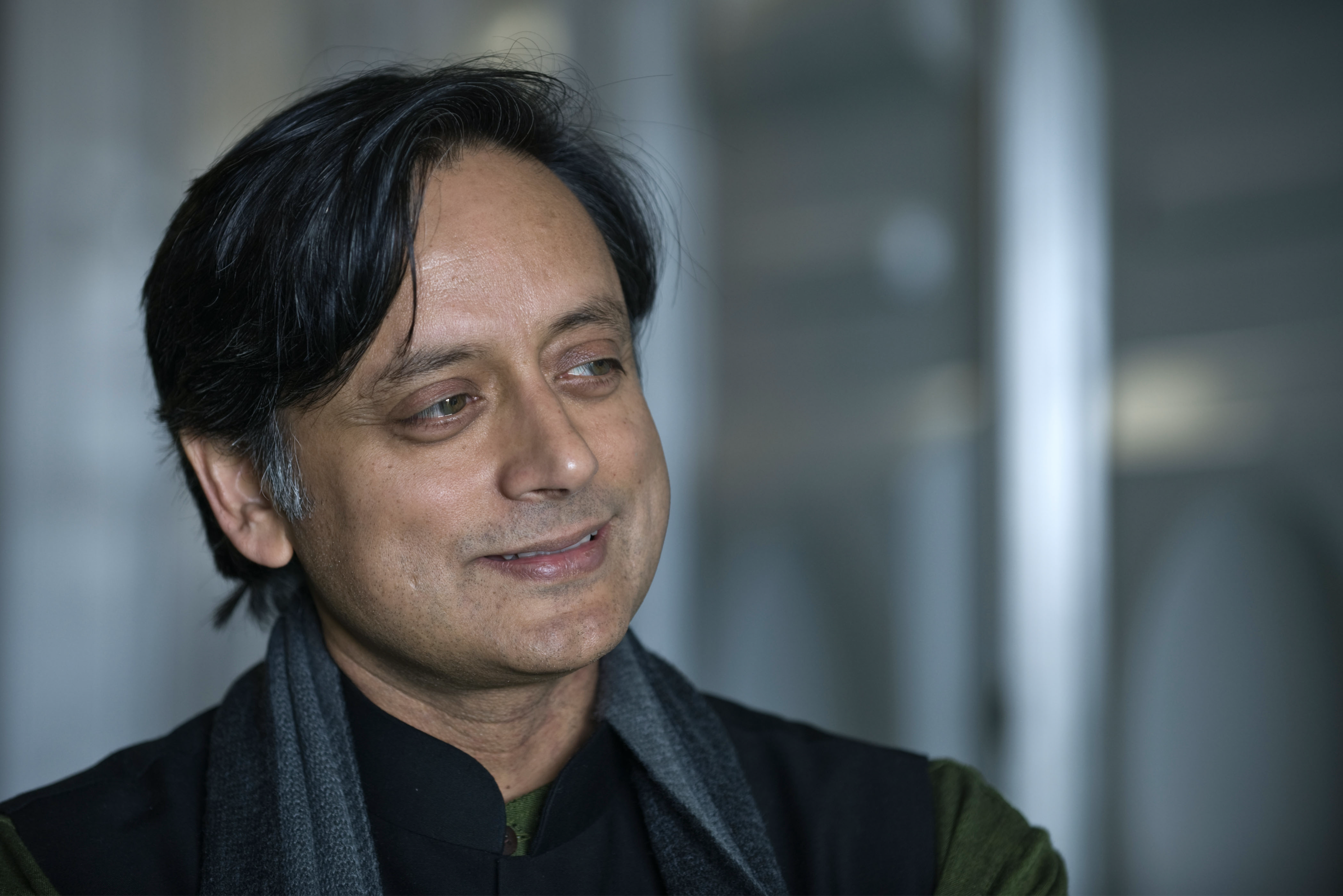
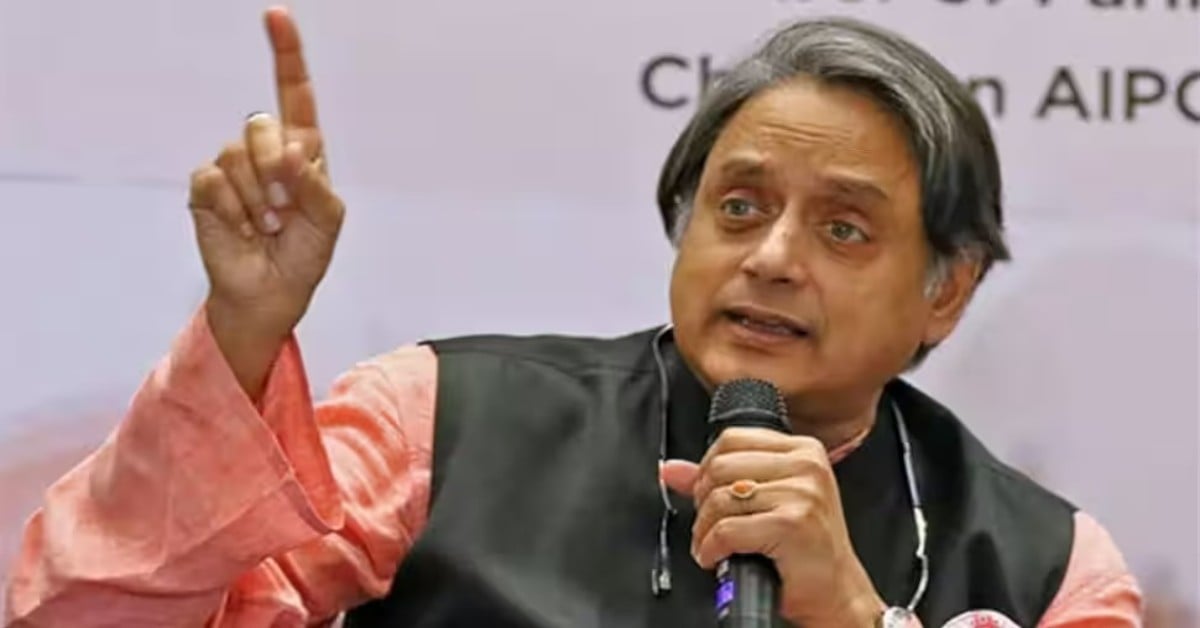
Once again Congress MP Shashi Tharoor’s statement has created another controversy. Recently, renowned journalist and Padma Shree recipient Barkha Dutt interviewed Shashi Tharoor over the BBC controversy. Tharoor said that the secular people of the country would have nothing to gain by feeling bad about themselves over the Gujarat riots. But after mcuh controversy on his statement, Tharoor has now said that he has never asked people to forget the Gujarat riots and move forward.

In fact, Shashi Tharoor had earlier said that now Indian’s should leave the Gujarat riots behind and focus on the problems of today’s time. For which Shashi Tharoor was criticized a lot on social media. After which the Thiruvananthapuram MP has given clarification on his statement.

Watch the full interview here:

Citing people, Tharoor said that the public itself feels that this two decades old matter should be left behind. The Supreme Court has also given its verdict in this matter. However, he also said that he is not even casting aspersions on those people who feel that the full truth of the Gujarat riots has not been revealed yet. After this statement of Shashi Tharoor, Twitter users started criticizing him on social media.

Shashi Tharoor has now tweeted and said that people may disagree with his views but no one can point a finger at his record on communal matters of 4 decades and standing with Gujarat riot victims for two decades. Tharoor said that the secular people of the country would have nothing to gain by harboring ill-will on the issue now.

For the unversed, there is a lot of controversy in the country these days on a documentary of BBC India: The Modi Question. In the documentary, questions have been raised on the role of the then CM Narendra Modi during the 2002 Gujarat riots. Describing this documentary as objectionable and propaganda, the Central Government has banned the sharing of its links in the country. After which, in many universities of the country, leftist student organizations also had screening of this documentary at several educationation institutions of India.
India News

Pawan Khera gets pre-arrest bail from Supreme Court in case linked to Himanta Sarma’s wife

Supreme Court grants relief to Pawan Khera, protecting him from arrest in a politically sensitive defamation case.

Published

on

Congress leader Pawan Khera has been granted anticipatory bail by the Supreme Court of India in a case related to his remarks about Himanta Biswa Sarma’s wife, Riniki Bhuyan Sarma.

The top court’s decision provides Khera protection from arrest while the investigation continues in the matter, which includes allegations of defamation and forgery.

Case stems from remarks and allegations

The case originates from statements made by Khera during a press conference, where he alleged that the Assam Chief Minister’s wife held multiple foreign passports and had undisclosed assets abroad. These claims were strongly denied by both Sarma and his wife, who described them as false and politically motivated.

Following the remarks, a complaint was filed, leading to an FIR under various provisions, including defamation and related charges.

Legal journey before Supreme Court relief

Khera had earlier faced setbacks in lower courts, including the rejection of his anticipatory bail plea by the Gauhati High Court. He subsequently approached the Supreme Court seeking protection from arrest.

During the proceedings, Khera argued that arrest in the case was unnecessary and would amount to humiliation rather than justice.

What the court’s decision means

The Supreme Court’s order grants interim protection, ensuring that Khera cannot be arrested immediately while legal proceedings continue. The case will now proceed as per law, with investigations and hearings expected to continue in the coming weeks.

Continue Reading

India News

Karnataka clears internal quota for scheduled castes, cabinet approves revised formula

Karnataka has approved a new internal quota system for Scheduled Castes, redistributing the 15% reservation and enabling recruitment to resume.

Published

on

The Karnataka government has approved a revised internal reservation formula for Scheduled Castes (SCs), marking a significant policy decision aimed at ensuring fair distribution of benefits among sub-groups.

The decision was taken during a special cabinet meeting led by Chief Minister Siddaramaiah. The approved formula redistributes the existing 15% SC reservation into three internal categories.

Under the new structure, 5.25% reservation each has been allocated to the “left-hand” and “right-hand” SC groups, while 4.5% has been earmarked for other Scheduled Caste communities, including nomadic groups.

Recruitment to resume after policy clearance

With the cabinet giving its nod, the government is expected to restart long-pending recruitment processes. Officials indicated that fresh notifications will be issued under the revised quota system, allowing hiring to move forward.

The move is expected to unlock thousands of government job vacancies that had been on hold due to the absence of clarity on internal reservation.

Decision shaped by legal constraints

The revised quota formula has been structured to comply with the Supreme Court-mandated 50% ceiling on total reservations. Earlier, the state had proposed increasing the SC quota to 17% and Scheduled Tribes (ST) quota to 7%, but this could not be implemented due to legal limitations.

As a result, the government retained the SC reservation at 15% and proportionately adjusted the internal distribution among sub-categories.

Shift from earlier quota structure

The new formula replaces the earlier proposed 6:6:5 distribution model. The cabinet revised these figures proportionately to align with the 15% cap, resulting in the current 5.25:5.25:4.5 structure.

The classification divides SC communities into three groups to address disparities in access to reservation benefits across sub-castes.

Aim to ensure equitable representation

The government has said the decision is intended to bring more balance and fairness in reservation benefits among different SC communities. The categorisation is expected to improve representation of relatively underrepresented groups within the SC category.

The cabinet’s approval is seen as a key step in addressing long-standing demands for internal reservation among Scheduled Castes in the state.

Continue Reading

India News

LPG rules change from May 1: Commercial cylinder prices hiked, dual connections restricted

From price hikes to stricter connection rules, major LPG changes from May 1 impact both households and businesses across India.

Published

on

LPG price hike

Several important changes related to LPG cylinders have come into effect from May 1, impacting both consumers and businesses across India. The most significant update is a sharp increase in commercial LPG cylinder prices, while new restrictions aim to curb misuse of connections.

According to latest updates, the price of a 19-kg commercial LPG cylinder has been increased by Rs 993, taking the rate in Delhi to around Rs 3,071.50. This steep hike is expected to impact restaurants, hotels, and small businesses that rely heavily on commercial gas.

Domestic LPG prices remain unchanged

Despite the increase in commercial cylinder rates, there has been no change in domestic LPG cylinder prices. Household consumers will continue to pay the existing rates for 14.2-kg cylinders, providing some relief amid rising fuel costs.

Dual LPG connections under scrutiny

Authorities have tightened rules around LPG usage, particularly targeting dual or multiple connections. The move is aimed at preventing misuse and ensuring fair distribution of subsidised cylinders. Reports indicate that stricter monitoring mechanisms, including eKYC verification and tracking systems, are being implemented.

New delivery and booking rules likely

Changes are also being introduced in the LPG booking and delivery system. Consumers may need to follow updated procedures such as OTP-based delivery verification and revised booking intervals. These steps are designed to improve transparency and reduce fraudulent practices in cylinder distribution.

Global factors driving price increase

The rise in commercial LPG prices is largely linked to global energy market disruptions. Ongoing geopolitical tensions have pushed crude oil prices higher, leading to increased fuel costs worldwide.

Continue Reading

Trending

© Copyright 2022 APNLIVE.com