
India News
Sunanda Pushkar death: Delhi HC gives Delhi Police 2 weeks to file status report

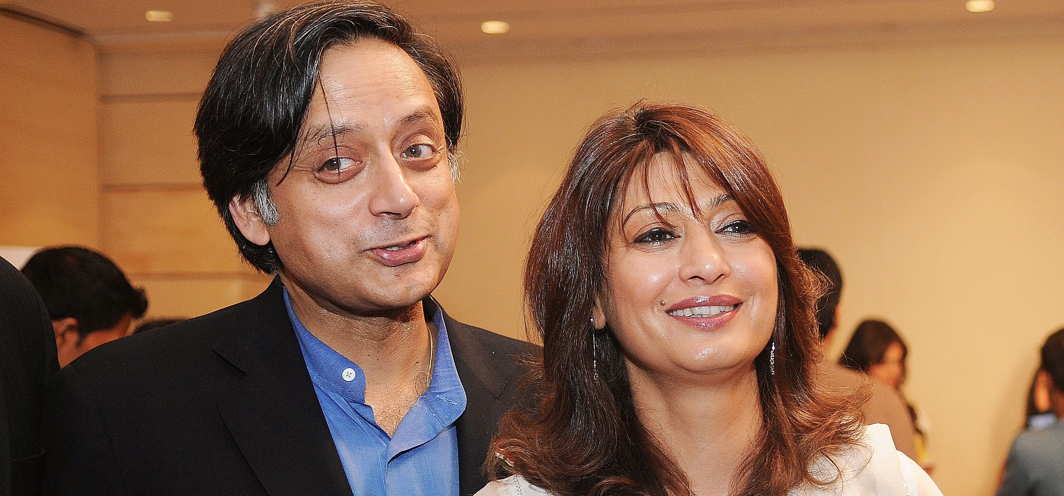
[vc_row][vc_column][vc_column_text]The court tells Delhi police that it will not monitor probe in the high-profile case but “we want to know the cause of (Sunanda’s) death and where we have reached since January 2014 (when the investigation began)
BJP MP Subramanian Swamy has filed a PIL with the Delhi High Court seeking a time-bound court-monitored multi-disciplinary probe into the death of Sunanda Pushkar, wife of Congress leader Shashi Tharoor. The bench of Justices GS Sistani and Chander Shekhar are hearing this case.
On the last date of hearing (August 1), the Delhi Police had filed copies of the status report which the counsel for Sunanda Pushkar’s son Shiv Menon, wanted to examine. The court has not taken lightly to the fact that the final report has not been filed even three and-a-half years after the death.
“We would like to know where you have reached,” the court asked the Delhi police, adding: “You have made things peculiar. We hear cases that are older… For us, this case is as good or bad as any other matter. We want to know what happened for three years.”
The court gave Delhi Police two weeks to come up with the status report, failing which, the court warned, “we will look into it”.
At the last hearing Sunanda’s son Shiv Menon had said that he was highly concerned about the steps taken. The court had said that he and the petitioner should exchange the copies of their applications. It may be recalled that Menon had objected to Swamy’s intervention and had questioned his locus standi in this case.
On Wednesday Additional Solicitor General Sanjay Jain was present from the Union of India. He said: “I want to make a submission, that so far as that petition is concern, this is not an adversarial petition. Petitioner has brought in a certain aspect. Ultimately, it has to be analysed by this court. And we have brought the investigation documents which can be shown to the bench in the chamber, all senior officers are present from Delhi Police”.
“In this matter samples have gone to scientific labs in the US three times. I don’t want to open my report in the court room. The DCP is here, please have the report in your chambers,” Jain said to the bench.
The ASG also said: “On our part there has not been any delay, and after seeing the report you may find this. If you still feel not satisfied you can take action.”
The bench said: “As you were not here Mr Sanjay Jain, we want to share with you the synopsis of previous hearings. We want to know why the status report has not been filed in the death of Sunanda Pushkar since January 2014. We have told the son (Menon) that we are not opposing the petition, but we want to know the cause of the death and what has been done so far. Where we have reached since Jan 2014, we want to know.”
Respondent Jain said: “Ultimately, the analysis of the report will say where we have reached and for that it is essential to see the report.”
The bench said: “We are not monitoring your investigation and we are not questioning your investigation. We just want to know where we have reached up till now.”
The bench then asked Swamy if he had anything to say.
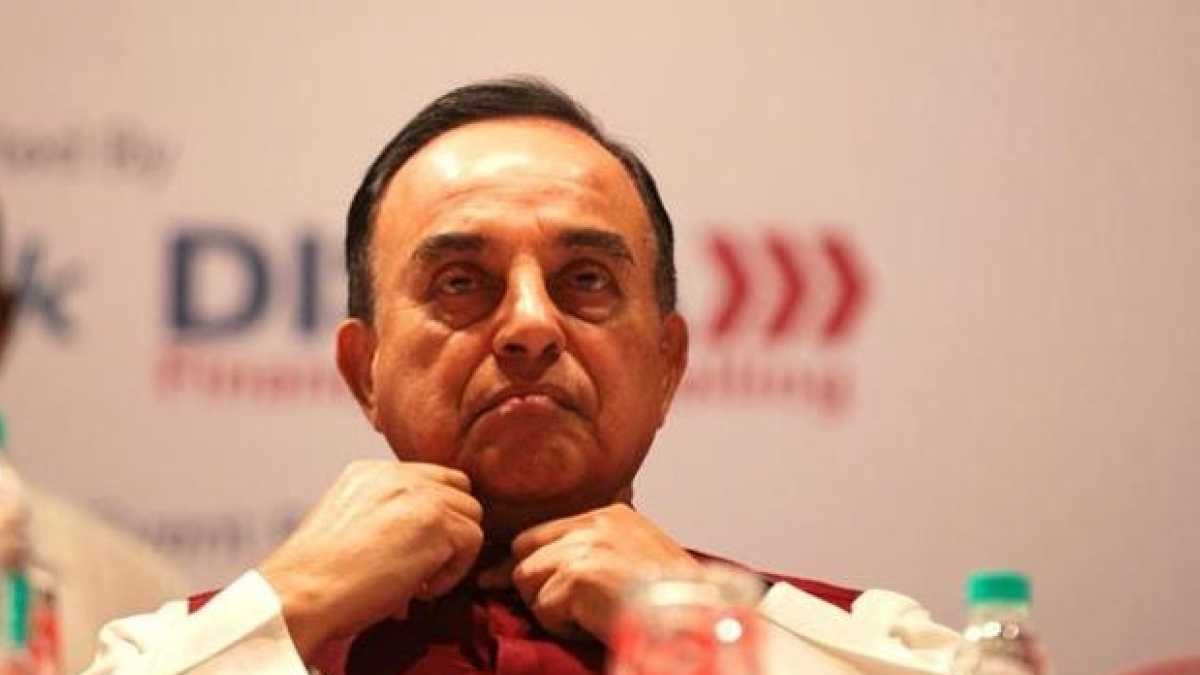
Swamy said: “I am not seeking the exclusion of the Delhi Police from the SIT investigation. I want them to be part of the CBI enquiry or the SIT investigating team. I want their cooperation in the matter. The police journal says that the name of the poison is not important but also says that when it comes to drawing a conclusion it is poison you have to investigate. Four times they have said that this is an unnatural death and the cause of death is poison. They have gone to the FBI and all the things, in all what they have done so far is delay the proceedings.
“The All India Institute of Medical Sciences (AIIMS) clearly said that this is a case of poisoning and it is an unnatural death. I wrote last year to the government saying that this should be referred to a SIT. The government said ‘we are into the investigation and this would delay the proceedings’. Today also they are saying the same thing,” said Swamy. “They have gone around the world to know the name of the poison and now they say the name of the poison is irrelevant.”
The bench asked the government counsel: “We want to know how close we are in the investigation.”
Counsel Jain said: “Certain agencies are examining the matter and the cause of death. Some said it is poison and some said it is not. Thereafter it was sent to the US forensic lab. We have to analyse the answers which have come. This will take some time.”
The bench asked for a clarification: “By you, is it unnatural death?”
Counsel Jain’s reply was not clear. He said: “The individual is totally immaterial in this case.”
That was when the bench said: “We are saying something, listen to us. We posted it after two weeks and in the meantime please read the report and if something different comes out please tell us. Otherwise, we will look into it.”
Then the bench told Swamy: “We don’t know whether they are going to file the closure report or a charge sheet. If they file a charge sheet your problem is solved.”[/vc_column_text][/vc_column][/vc_row]





India News
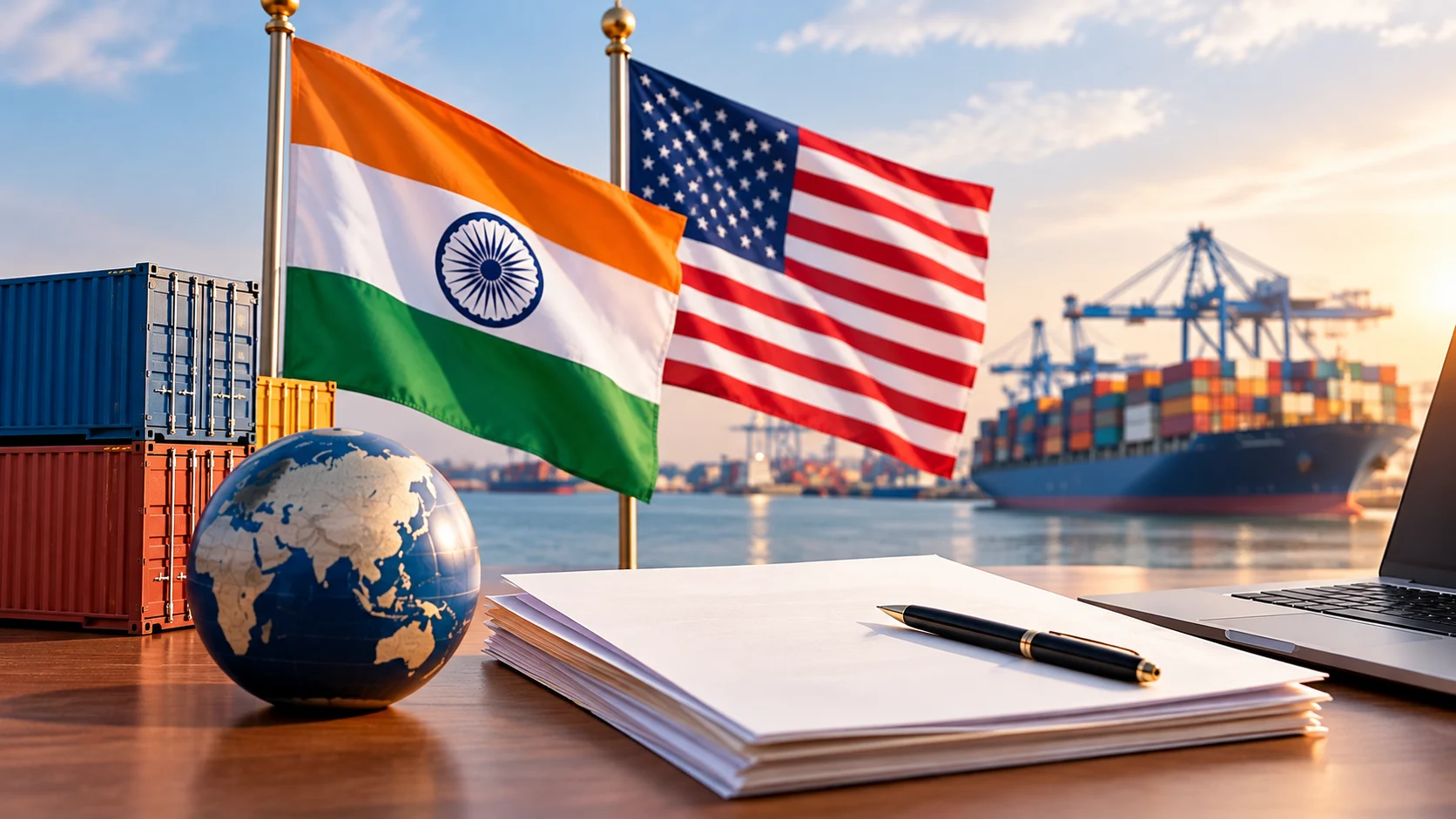
India-US trade deal first phase finalised, drafting underway
The first phase of the India-US trade agreement has been finalised and is undergoing legal drafting, Commerce Minister Piyush Goyal said. The deal is expected to be operationalised once India secures a competitive advantage over peer countries.

India News
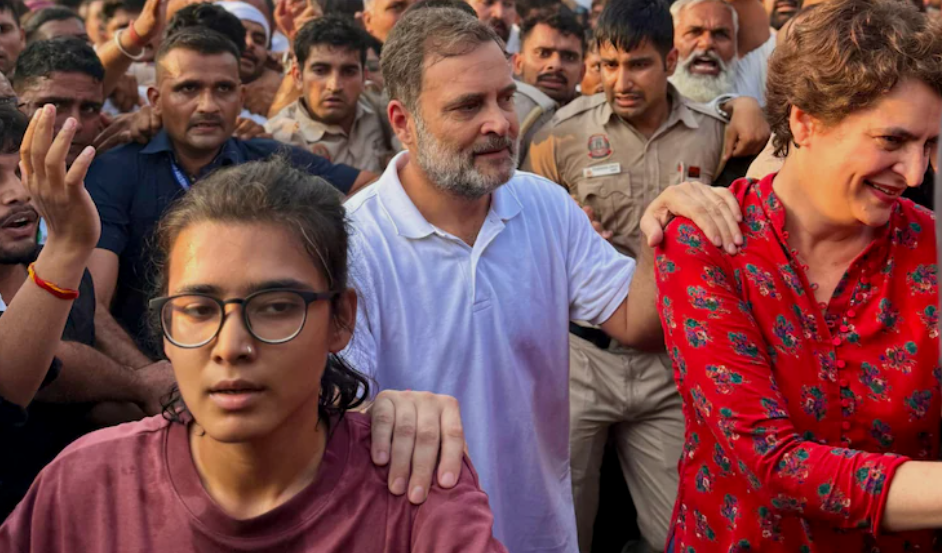
Nobody can browbeat judiciary, Chief Justice warns over Rahul Gandhi’s march
The Supreme Court issued notices to opposition leaders, including Rahul Gandhi and Akhilesh Yadav, over their march to the court on October 12 concerning irregularities in the Special Intensive Revision of electoral rolls.
India News
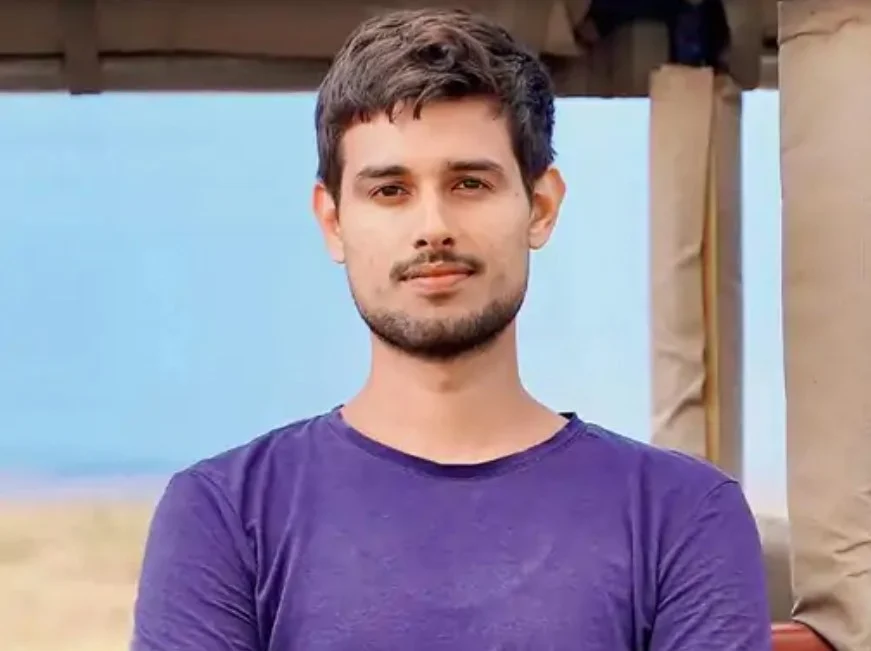
Dhruv Rathee gets fresh summons in 2018 BJP IT cell video case
YouTuber Dhruv Rathee has received fresh summons from a Delhi court in a 2018 criminal defamation case filed by Vikas Pandey over a video concerning the BJP IT Cell. The matter will next be heard on October 17.

Meerut murder: Muskaan Rastogi and Sahil Shukla get death sentence

Rahul Gandhi joins India Gate protest by Ankita Bhandari’s parents

Supreme Court questions EC over missing records in Sringeri election dispute

Dhruv Rathee gets fresh summons in 2018 BJP IT cell video case

Nobody can browbeat judiciary, Chief Justice warns over Rahul Gandhi’s march

India-US trade deal first phase finalised, drafting underway
Nobody can browbeat judiciary, Chief Justice warns over Rahul Gandhi’s march
Dhruv Rathee gets fresh summons in 2018 BJP IT cell video case
Supreme Court questions EC over missing records in Sringeri election dispute
Rahul Gandhi joins India Gate protest by Ankita Bhandari’s parents

Afghan Men Try To Hang With The Jet Engine Of The Aircraft in Kabul- Afghanistan News – Kabul News
Trending Top 10 News: 10000 Crore Fine on Flipkart, Apple to Launch Unique Feature, Hdfc Bank Job Ad

Trending Top 10 News: Nokia 6310, Apple sales, Bachpan ka Pyar Video Kid, Dainik Bhaskar IT Raid

Trending Top 10 News: Canada bans Indian flights, Rain in Delhi NCR, AIMIM Twitter hacked, Raj Kundra case

Trending Top 10 News: Shein India, Apple New Service, Pocket Oxygen, Oppo Launched New Phone
-
 India News23 hours ago
Meerut murder: Muskaan Rastogi and Sahil Shukla get death sentence
-
 India News22 hours ago
Rahul Gandhi joins India Gate protest by Ankita Bhandari’s parents
-
 India News22 hours ago
Supreme Court questions EC over missing records in Sringeri election dispute
-
 India News9 hours ago
Dhruv Rathee gets fresh summons in 2018 BJP IT cell video case
-
 India News6 hours ago
Nobody can browbeat judiciary, Chief Justice warns over Rahul Gandhi’s march
-
 India News2 hours ago
India-US trade deal first phase finalised, drafting underway
