
India News
Adityanath, his 2 deputies and ministers to enter UP Assembly as MLCs, not MLAs

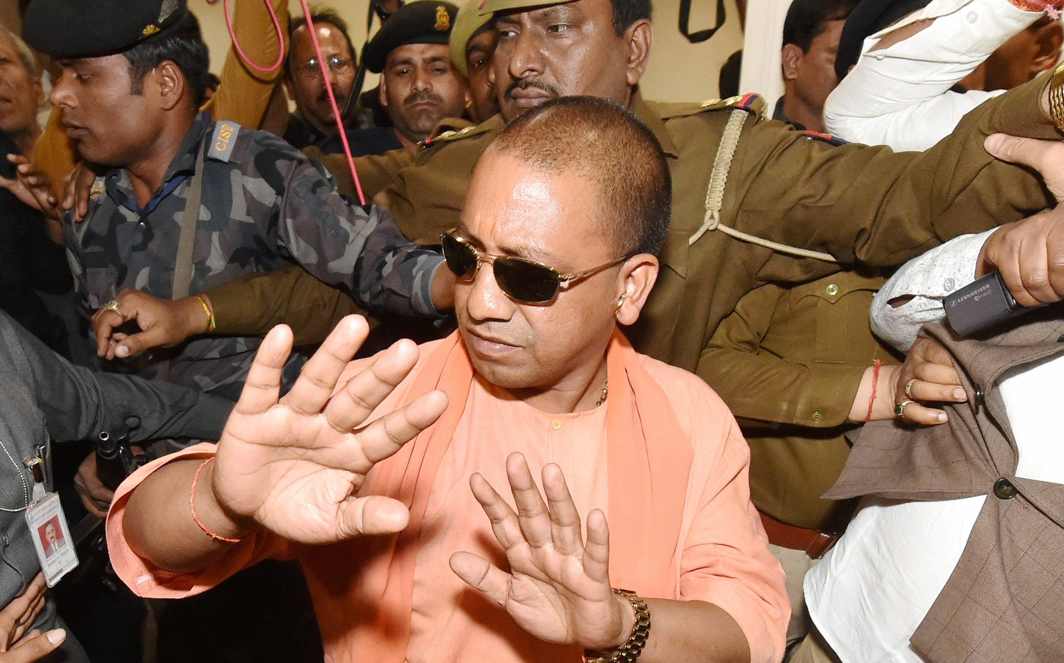
[vc_row][vc_column][vc_column_text]Uttar Pradesh chief minister shies away from contesting by poll to enter state Assembly, election for UP Vidhan Parishad scheduled for September 15
At a time when the BJP has been riding high on its remarkable victory in the Uttar Pradesh Assembly elections held earlier this year, it seems Uttar Pradesh chief minister Yogi Adityanath – who is still a Lok Sabha MP from the state’s Gorakhpur constituency – doesn’t wish to face the electorate in a by poll to be elected to the Vidhan Sabha.
Adityanath, his deputy chief ministers Keshav Prasad Maurya (Lok Sabha MP from Phulpur) and Dinesh Sharma, as also his cabinet colleagues Swatantradev Singh and Mohsin Raza will all enter the Uttar Pradesh assembly as Members of Legislative Council and not MLAs.
The BJP central election committee has finalised their names to contest MLC polls due on September 15 for the five seats in the UP Vidhan Parishad (the state equivalent of Parliament’s upper house – Rajya Sabha) that fell vacant after the resignation of four Samajwadi Party members and one Bahujan Samaj Party MLC.
The MLCs who had resigned earlier this month were Samajawadi Party’s Bukkal Nawab, Yashwant, Sarojini Agarwal and Ashok Bajpai and Bahujan Samaj Party’s Thakur Jaiveer Singh.
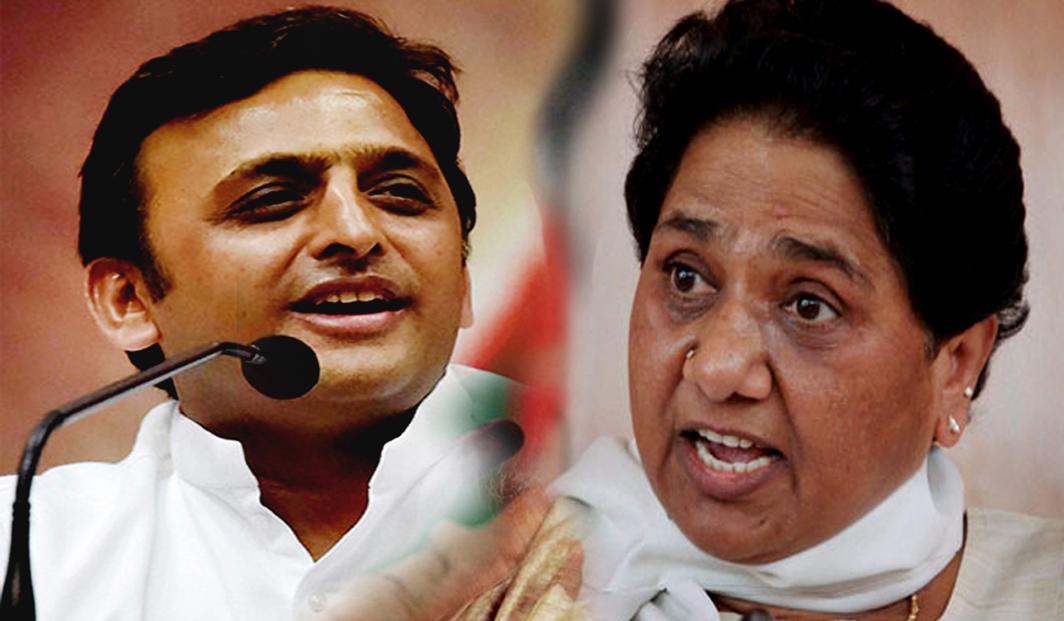
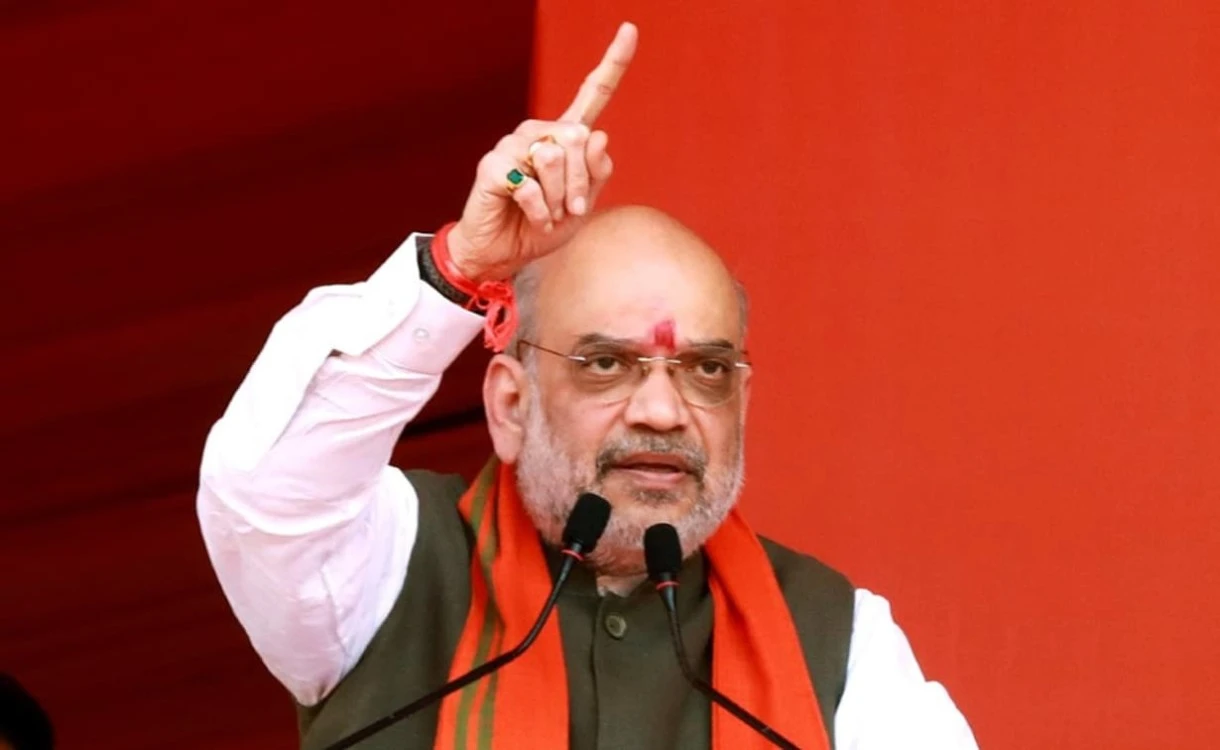
The SP and BSP MLCs – whose terms were anyway about to expire – had recently resigned from their respective parties when BJP national president Amit Shah was on a visit to Lucknow. SP chief Akhilesh Yadav and BSP supremo Mayawati have both accused the BJP of engineering the resignations of the MLCs – who later switched to the saffron party – to facilitate the entry of Adityanath and his cabinet colleagues into the council without sacrificing any lawmakers in the Vidhan Sabha.
The desperation of the BJP and Adityanath in avoiding a direct (MLA) election to enter the Vidhan Sabha can be gauged from the fact that the UP chief minister had recently written to the Election Commission urging it to hold by poll for the seat vacated by Thakur Jaiveer Singh at the same time as the election for the other four seats.
Jaiveer Singh’s tenure as MLC was scheduled to end on May 5, 2018. Though six MLC seats were vacant, the EC had announced by poll only for four seats as terms for the remaining two seats was to end in less than one year and the poll panel usually avoids holding by-election to seats that are set to open up for election within such a short period.
However, on Tuesday, the EC – obliging Adityanath’s request – announced elections for the seat vacated by Jaiveer Singh.
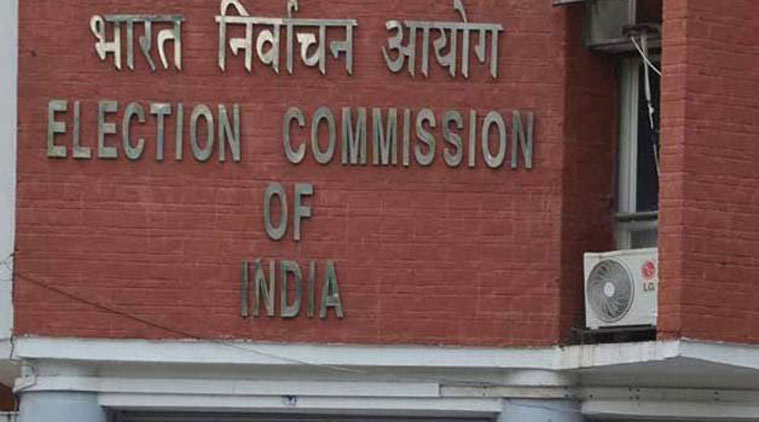
The ECI is not holding by poll for the sixth seat vacated by SP member Ambika Chaudhary, who had later joined the BSP.
While nominations to four Vidhan Parishad seats began on Tuesday, the nomination procedure for the fifth seat – vacated by Jaiveer Singh – will now begin onAugust 31 and end on September 7. The last date of withdrawals is September 11. Voting, if necessary, will take place on September 15 and counting of votes will be done on the same day. Adityanath and his four cabinet colleagues have to be elected to either house of the UP Assembly by September 19.
Although the five leaders will now not be required to contest direct polls to enter the UP Vidhan Sabha, their entry into the Vidhan Parishad will force a by-election to the Gorakhpur and Phulpur Lok Sabha seats represented by Adityanath and Keshav Prasad Maurya respectively. Adityanath and Maurya will be required to resign from their Lok Sabha seats within 15 days of their election as MLCs.
Yogi’s decision to enter the UP Assembly as an MLC has surprised many as the BJP top brass had maintained that the controversial priest-politician will contest the assembly by poll after asking one of the sitting BJP MLAs to resign. Several BJP MLAs had even offered to resign from their seats in order to allow Adityanath to contest a by poll.
Sources say with a strong presence in both houses of the UP Assembly, the BJP can easily pass laws and take decisions without Opposition veto.
Like the Rajya Sabha, members of the Vidhan Parishad are elected for six years by legislators and others. Many would say this saves candidate the grind of facing the electorate directly through campaigning, public rallies and voting.
Yogi Adityanath’s predecessors Akhilesh Yadav and Mayawati were also Members of the Legislative Council as were former UP chief ministers Vishwanath Pratap Singh, Narayan Dutt Tiwari and Ram Prakash Gupta.
Members of the Vidhan Parishad cannot participate in a vote of confidence or suggest money bills, unlike their counterparts in the Vidhan Sabha.[/vc_column_text][/vc_column][/vc_row]







India News
Centre sends 3 letters to Punjab government after anti-drug activist’s killing
The Centre has sought reports from the Punjab government on three incidents linked to allegations surrounding drug-related activities, including the killing of anti-drug activist Parvinder Singh Jhota.

India News
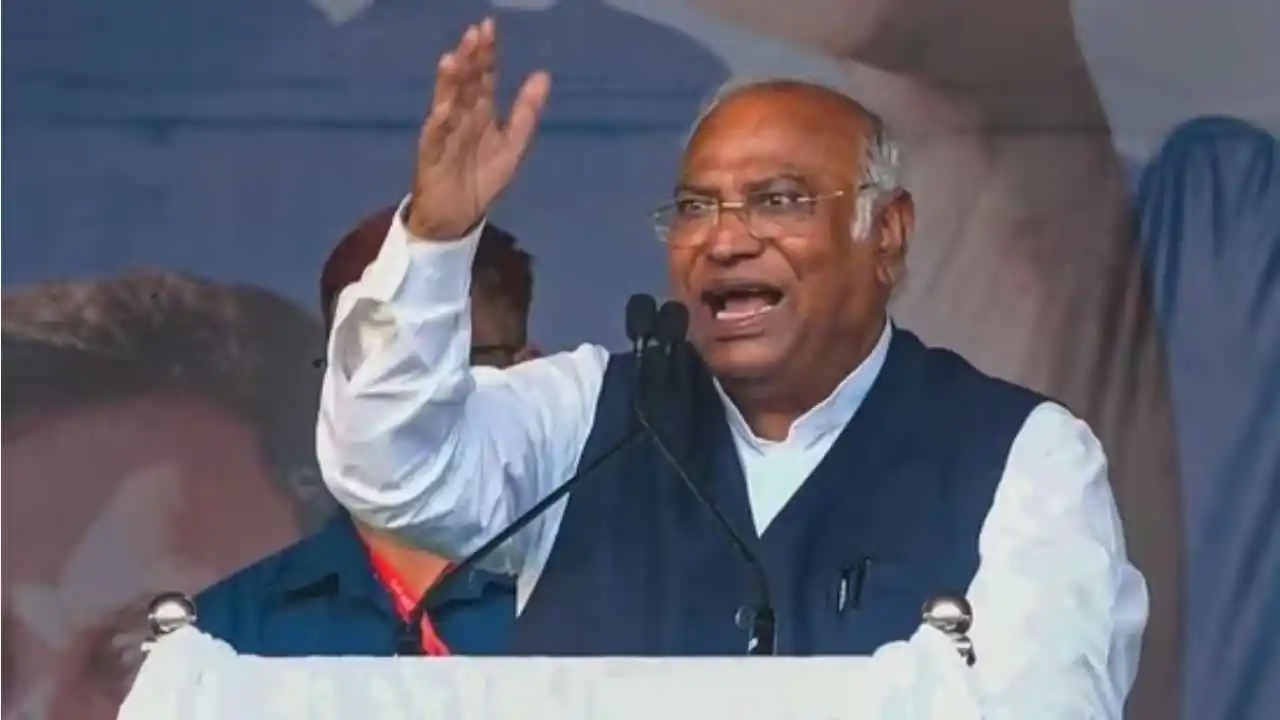
Mallikarjun Kharge seeks all-party meeting with PM Modi on delimitation
Congress president Mallikarjun Kharge has written to Prime Minister Narendra Modi for the fourth time, seeking an all-party meeting on delimitation. He also flagged the 64-day delay in proroguing Parliament’s Monsoon Session.
India News
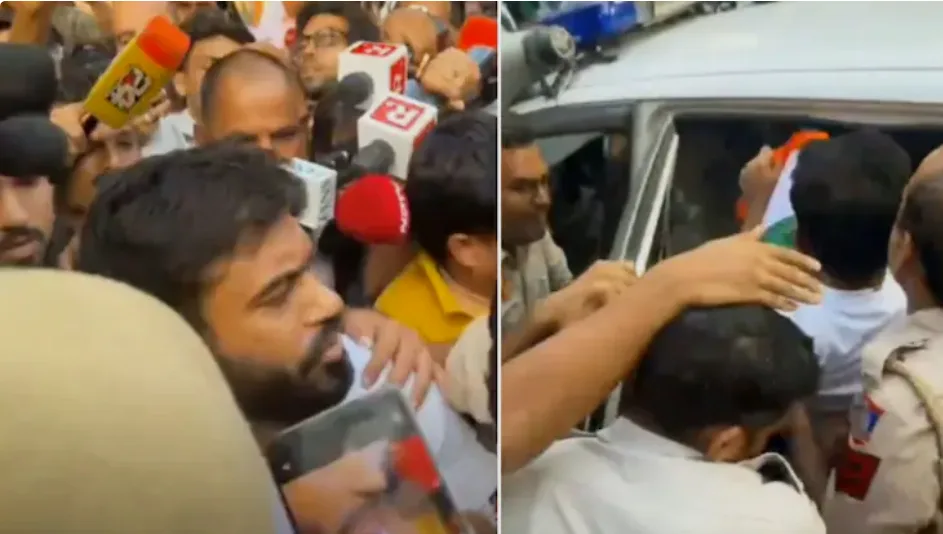
Abhijeet Dipke detained ahead of CJP’s national flag march in Delhi
Cockroach Janta Party founder Abhijeet Dipke was detained by Delhi Police on October 16, 2026, shortly before a planned national flag march. The proposed rally followed the judicial custody of two CJP members who had waved the Tricolour at Jantar Mantar.

Mallikarjun Kharge’s ‘Your Friends’ jab at Rahul Gandhi over congress exits

Magnitude 7 earthquake strikes Russia’s Kamchatka Peninsula

Delhi deploys 25,000 personnel, installs CCTV cameras ahead of CJP march

Abhijeet Dipke detained ahead of CJP’s national flag march in Delhi

Mallikarjun Kharge seeks all-party meeting with PM Modi on delimitation

Centre sends 3 letters to Punjab government after anti-drug activist’s killing
Mallikarjun Kharge seeks all-party meeting with PM Modi on delimitation
Abhijeet Dipke detained ahead of CJP’s national flag march in Delhi
Magnitude 7 earthquake strikes Russia’s Kamchatka Peninsula
Delhi deploys 25,000 personnel, installs CCTV cameras ahead of CJP march

Afghan Men Try To Hang With The Jet Engine Of The Aircraft in Kabul- Afghanistan News – Kabul News
Trending Top 10 News: 10000 Crore Fine on Flipkart, Apple to Launch Unique Feature, Hdfc Bank Job Ad

Trending Top 10 News: Nokia 6310, Apple sales, Bachpan ka Pyar Video Kid, Dainik Bhaskar IT Raid

Trending Top 10 News: Canada bans Indian flights, Rain in Delhi NCR, AIMIM Twitter hacked, Raj Kundra case

Trending Top 10 News: Shein India, Apple New Service, Pocket Oxygen, Oppo Launched New Phone
-
 India News21 hours ago
Mallikarjun Kharge’s ‘Your Friends’ jab at Rahul Gandhi over congress exits
-
 Latest world news20 hours ago
Magnitude 7 earthquake strikes Russia’s Kamchatka Peninsula
-
 India News21 hours ago
Delhi deploys 25,000 personnel, installs CCTV cameras ahead of CJP march
-
 India News11 hours ago
Abhijeet Dipke detained ahead of CJP’s national flag march in Delhi
-
 India News10 hours ago
Mallikarjun Kharge seeks all-party meeting with PM Modi on delimitation
-
 India News9 hours ago
Centre sends 3 letters to Punjab government after anti-drug activist’s killing
