
India News
Terror funding case: NIA recovers Kashmir’s protest calendar authorized by Hurriyat hardliner SAS Geelani

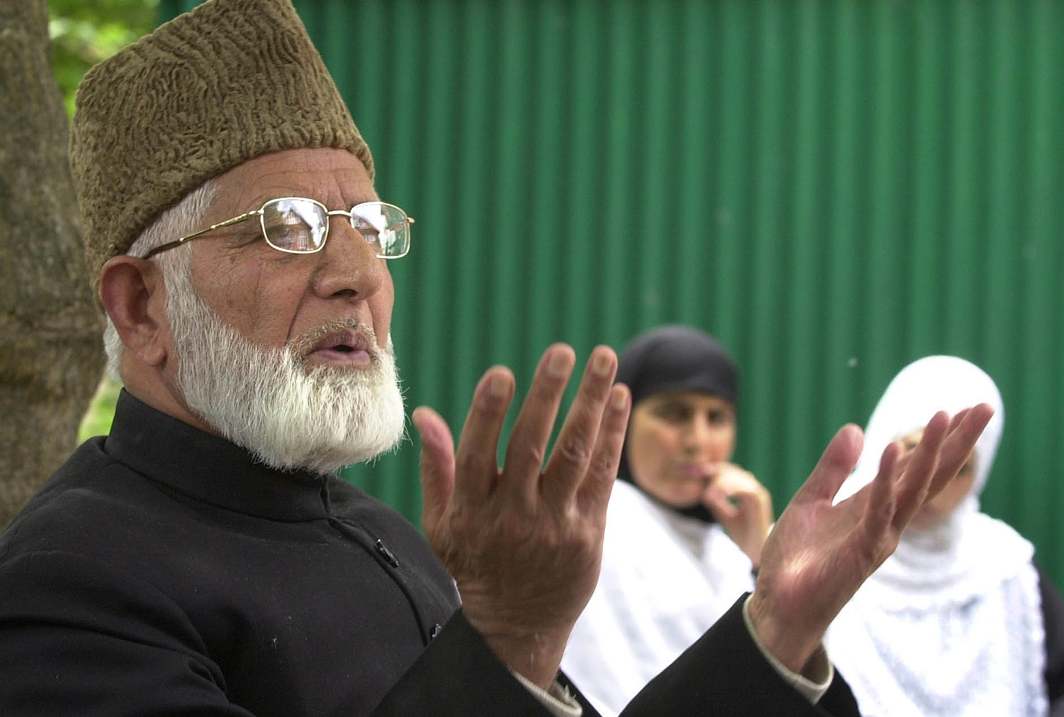
[vc_row][vc_column][vc_column_text]Document recovered from Geelani’s son-in-law Altaf Ahmad Shah reportedly outlines roadmap for fanning radicalism with the help of local clerics and separatist cadres to keep Kashmir on the boil
The arrest of seven Hurriyat-affiliated separatist leaders by the National Investigation Agency (NIA) last Monday has led to the recovery of what the agency believes is concrete evidence of the involvement of Pakistan in fomenting violence and unrest in Jammu and Kashmir – a ‘protest calendar’, allegedly signed and authorised by hardline Hurriyat leader Syed Ali Shah Geelani.
The detailed protest calendar, recovered by the NIA from Geelani’s son-in-law Altaf Ahmad Shah alias Funtoosh who was arrested on July 24 along with six others as part of the agency’s probe into an alleged terror-funding case, points to the role of Kashmiri separatists in organising events in coordination with handlers in Pakistan that have kept the Valley on the boil since the Armed Forces gunned down Hizbul Mujahideen commander Burhan Wani in July last year.
The document, according to a report in the Times of India, was signed and issued by Geelani and it lists when protests and other activities related to civil unrest were to be carried out in the Valley in the days following Wani’s death.
[/vc_column_text][/vc_column][/vc_row][vc_row][vc_column][vc_column_text css=”.vc_custom_1501506743519{padding-top: 5px !important;padding-right: 5px !important;padding-bottom: 5px !important;padding-left: 5px !important;background-color: #b5b5b5 !important;border-radius: 10px !important;}”]
The terror-funding case
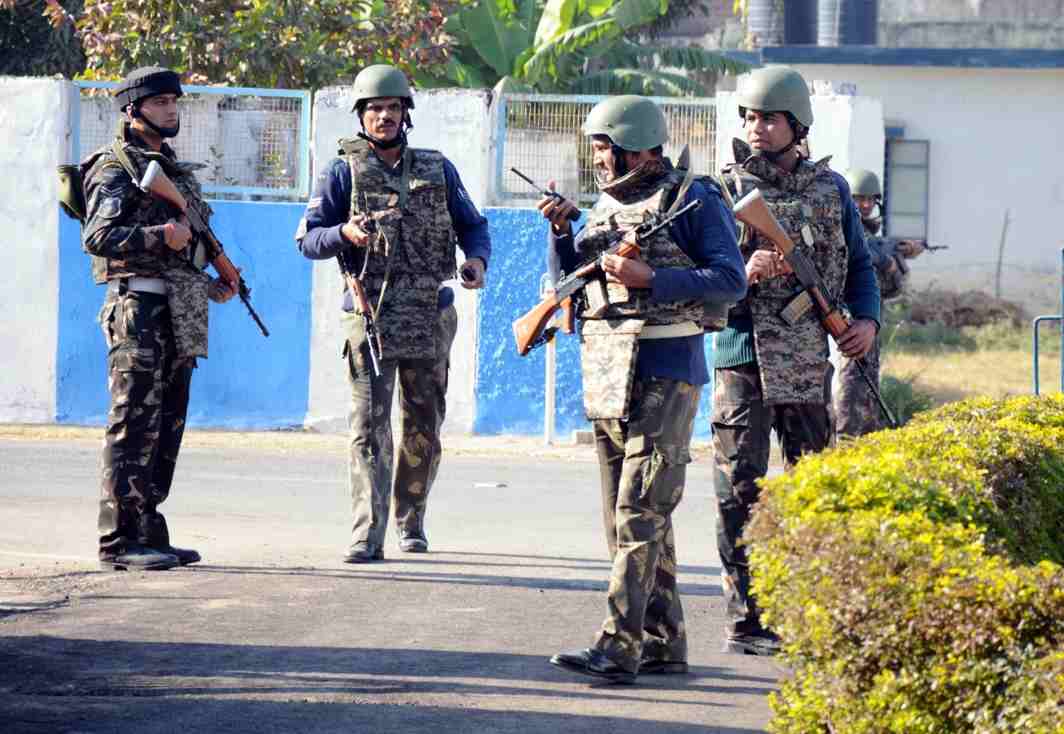 The National Investigation Agency had, on July 24, arrested seven separatist leaders including hardline Hurriyat leader Syed Ali Shah Geelani’s son-in-law, Altaf Shah. The seven are suspected of having funded terror activity and unrest in the Valley after the killing of Hizbul Mujahideen commander Burhan Wani on July 8 last year.
Those arrested include Naeem Khan, Meraz Kalwal, Saheed Ul Islam, Ayaz Akbar, T Saifullah (all from Srinagar) and Bitta Karate (arrested from New Delhi), besides Altaf Shah. Islam is a close aide of moderate Hurriyat leader Mirwaiz Umar Farooq and Akbar is the spokesperson for the Geelani-led Hurriyat faction.
Naeem Khan had been suspended from his membership of the Hurriyat Conference in May by Geelani after a sting operation surfaced in which Khan purportedly confessed to receiving funds from Pakistan with the purpose of triggering unrest in the Kashmir Valley. The NIA had then registered a preliminary probe against Khan, Tehreek-e-Hurriyat leader Gazi Javed Baba and few others based on the sting operation done by a leading private news channel.[/vc_column_text][/vc_column][/vc_row][vc_row][vc_column][vc_column_text]Here is a brief look at some of the notings in the ‘protest calendar’:
August 4, 2016: Plan to stage protest against Army and security forces
August 6, 2016: Call to gather at local crossings and stage protest
August 8, 2016: Orders to block all roads leading to Srinagar, ensuring security officers are unable to reach office to report on duty, calling everyone on mobiles to enlist support
August 9, 2016: Appeal to women to take out a procession from Asar to Magrib, raising Islamic slogans en route. Masjids to play songs for freedom
August 10, 2016: Letters to be given to all security officers in Jammu and Kashmir asking them to go back
August 11, 2016: Warning to India-supporting politicians and Panchayat members to resign, notice to be stuck outside their doors
August 12, 2016: Masjids to give sermons for Freedom of Kashmir, posters on the topic to be posted outside masjid entrances
August 13, 2016: Black flag protest
August 14, 2016: Celebrations of Pakistan Day
August 15, 2016: Observe black day in Kashmir
Meanwhile, the NIA also conducted raids, on Sunday, at the residence and office premises of Jammu-based lawyer Devinder Singh Behl and questioned him about his alleged role as a “courier” for routing funds to separatist leaders in Kashmir from their Pakistan-based handlers. Behl is chairman of Jammu and Kashmir Social Peace Forum (JKSPF) and also a member of Hurriyat’s legal cell. NIA spokesperson, Inspector General Alok Mittal was quoted by TOI as saying that Behl was “a close associate of a top Hurriyat leader and he regularly attends funerals of militants”.
NIA sources said that during the raids at Behl’s premises the agency recovered four mobile phones, a tablet and other electronic devices and documents related to the ongoing terror funding probe.[/vc_column_text][/vc_column][/vc_row][vc_row][vc_column][vc_column_text css=”.vc_custom_1501506766592{padding-top: 5px !important;padding-right: 5px !important;padding-bottom: 5px !important;padding-left: 5px !important;background-color: #c9c9c9 !important;border-radius: 10px !important;}”]
NIA closing in on Geelani’s family
After serving summons to SAS Geelani’s younger son Zahoor, asking him to appear before it for questioning in the terror funding case, the NIA, on Sunday, also issued a similar notice to the Hardline Hurriyat leader’s elder son Naeem. Naeem, a medical practitioner and touted as Geelani’s heir in Hurriyat politics, has been asked to appear before the agency, on Wednesday, at the NIA headquarters in New Delhi. However, Naeem complained of severe chest pain on Sunday evening and was rushed to a private hospital in Srinagar where he is currently admitted in the Intensive Care Unit.[/vc_column_text][/vc_column][/vc_row]







India News
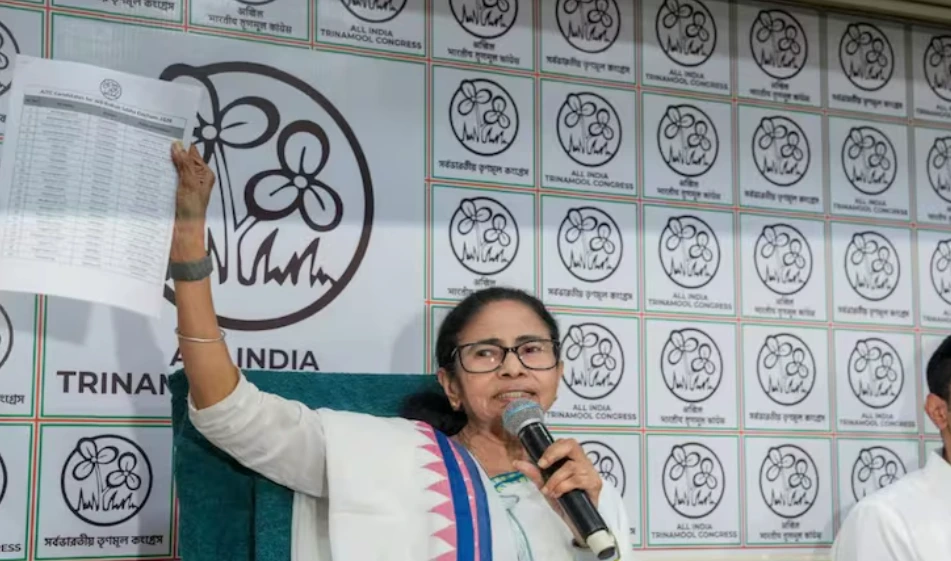
Mamata Banerjee warns BJP, EC over Bengal polls, says they will be accountable
Mamata Banerjee holds BJP and Election Commission responsible for any incidents during Bengal polls, raising concerns over officer transfers.

India News
Centre assures action on LPG supply disruption, court closes distributors’ plea
The Bombay High Court closed a plea by LPG distributors after the Centre assured diplomatic efforts to stabilise supply amid global disruptions.
India News
Om Birla likely to move motion to revoke suspension of 8 opposition MPs today
The Lok Sabha is likely to revoke the suspension of eight opposition MPs today, with a motion expected to be moved by the government following consensus on maintaining discipline.
Centre assures action on LPG supply disruption, court closes distributors’ plea

Mamata Banerjee warns BJP, EC over Bengal polls, says they will be accountable

Top US counterterrorism official resigns over Iran war, cites conscience

US strikes Iranian missile sites near Hormuz with 5,000-pound bunker buster bombs

Netanyahu dismisses death rumours in video with US envoy, says I’m alive
Netanyahu dismisses death rumours in video with US envoy, says I’m alive
US strikes Iranian missile sites near Hormuz with 5,000-pound bunker buster bombs
Top US counterterrorism official resigns over Iran war, cites conscience
Mamata Banerjee warns BJP, EC over Bengal polls, says they will be accountable
Centre assures action on LPG supply disruption, court closes distributors’ plea

Afghan Men Try To Hang With The Jet Engine Of The Aircraft in Kabul- Afghanistan News – Kabul News
Trending Top 10 News: 10000 Crore Fine on Flipkart, Apple to Launch Unique Feature, Hdfc Bank Job Ad

Trending Top 10 News: Nokia 6310, Apple sales, Bachpan ka Pyar Video Kid, Dainik Bhaskar IT Raid

Trending Top 10 News: Canada bans Indian flights, Rain in Delhi NCR, AIMIM Twitter hacked, Raj Kundra case

Trending Top 10 News: Shein India, Apple New Service, Pocket Oxygen, Oppo Launched New Phone
-
India News16 hours ago
Centre assures action on LPG supply disruption, court closes distributors’ plea
-
 India News14 hours ago
Mamata Banerjee warns BJP, EC over Bengal polls, says they will be accountable
-
 Latest world news14 hours ago
Top US counterterrorism official resigns over Iran war, cites conscience
-
 Latest world news37 mins ago
US strikes Iranian missile sites near Hormuz with 5,000-pound bunker buster bombs
-
 Latest world news28 mins ago
Netanyahu dismisses death rumours in video with US envoy, says I’m alive
