English हिन्दी
Connect with us

India News

Train fares increased from December 26: check revised ticket prices across classes

Indian Railways has increased long-distance train fares from December 26, with higher ticket prices for mail, express, sleeper and select ordinary classes.

Published

on

Train fair

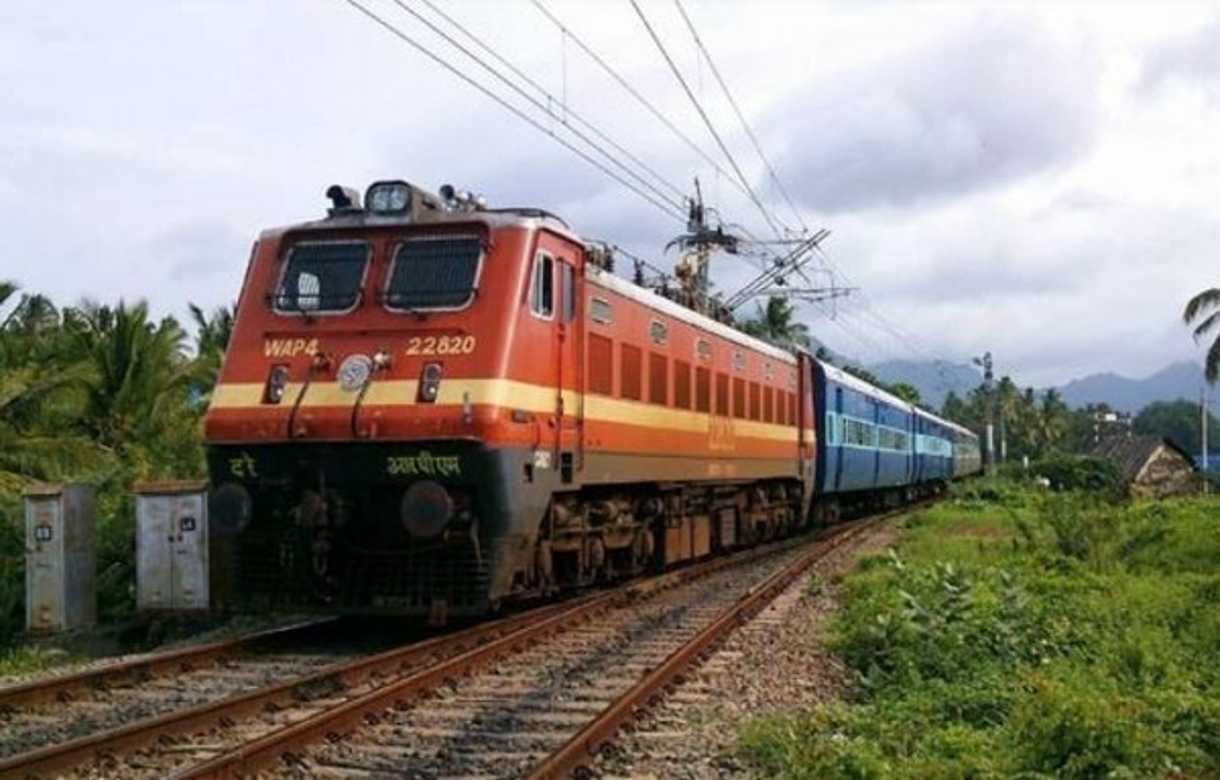
Long-distance train travel has become costlier from Friday as the Ministry of Railways implemented a revision in passenger fares. This is the second fare hike in the last six months, with the ministry stating that the decision aims to balance passenger affordability with the sustainability of railway operations.

What has changed in train ticket prices

According to the revised structure, the fare hike applies only to tickets booked on or after December 26. Passengers who booked tickets before this date will not have to pay any additional amount, even if their journey takes place later.

There is no increase in fares for suburban train services and season tickets, covering both suburban and non-suburban routes.

Revised fares for second class ordinary travel

For passengers travelling in Second Class Ordinary coaches, the fare increase depends on the distance:

  • Journeys up to 215 km: no change
  • 216 km to 750 km: increase of Rs 5
  • 751 km to 1,250 km: increase of Rs 10
  • 1,251 km to 1,750 km: increase of Rs 15
  • 1,751 km to 2,250 km: increase of Rs 20

Sleeper and first class ordinary fares

For Sleeper Class Ordinary and First Class Ordinary, fares have been increased by 1 paisa per kilometre.

Mail and express train fare hike

Mail and Express trains have seen a uniform increase of 2 paise per kilometre across all non-AC and AC classes. This includes Sleeper Class, First Class, AC Chair Car, AC 3-Tier, AC 2-Tier and AC First Class. As a result, a passenger travelling around 500 km in a non-AC Mail or Express coach will pay approximately Rs 10 extra.

The revised fares are also applicable to premium and special services such as Rajdhani, Shatabdi, Duronto, Vande Bharat, Tejas, Garib Rath, Jan Shatabdi, Humsafar, Amrit Bharat, Antyodaya, Gatimaan, Mahamana, Yuva Express and Namo Bharat Rapid Rail.

No change in reservation and other charges

The ministry has clarified that there is no change in reservation fees, superfast surcharges or other ancillary charges. GST rules remain unchanged, and fares will continue to be rounded off as per existing norms.

The Railways said the updated fare structure follows a balanced approach to ensure passenger convenience while supporting operational requirements.

India News

Sharmila Sarkar claims 20 TMC MPs may form separate bloc, support NDA amid Trinamool crisis

Sharmila Sarkar has claimed that a rebel faction within the Trinamool Congress, backed by around 20 MPs, is seeking recognition as a separate parliamentary grouping and may support the NDA.

Published

on

The political crisis within the Trinamool Congress (TMC) intensified on Monday after party MP Sharmila Sarkar claimed that a dissident faction backed by around 20 MPs was seeking to function separately in Parliament and extend support to the BJP-led National Democratic Alliance (NDA).

Speaking amid the ongoing turmoil within the party, Sarkar said the rebel group had communicated its position to Lok Sabha Speaker Om Birla and was seeking recognition as a separate parliamentary grouping.

According to Sarkar, dissatisfaction has been growing among several MPs over the party’s functioning and internal decision-making processes. She alleged that many lawmakers felt their concerns were not being adequately addressed within the organisation.

Rebel faction stakes claim

Sarkar claimed that around 20 MPs were associated with the dissident faction and intended to support the NDA in Parliament while functioning separately from the Trinamool Congress.

If the move materialises and receives the necessary recognition, it could have significant implications for the party’s strength in Parliament and pose a major challenge for the TMC leadership.

The claim comes amid a period of internal unrest within the Trinamool Congress, marked by public disagreements involving several leaders and the recent resignation of senior Rajya Sabha MP Sukhendu Sekhar Roy from the party.

Party yet to confirm rebels’ claims

Reports have suggested that rebel leaders have been holding discussions in Delhi as the crisis unfolds. However, the Trinamool Congress leadership has not officially confirmed the dissidents’ claim that around 20 MPs are backing the proposed separate grouping.

As political developments continue to unfold, attention is now focused on whether the rebel faction can formally secure recognition under parliamentary procedures and how the party leadership responds to the challenge.

For now, Sarkar’s remarks have added to speculation about a possible split within the party’s parliamentary ranks at a time when opposition parties are attempting to maintain unity at the national level.

Continue Reading

India News

Rahul Gandhi urges INDIA bloc allies to avoid infighting, calls for united opposition front

Rahul Gandhi called on INDIA bloc partners to avoid internal conflicts and work together more effectively, saying opposition unity is essential to challenge the BJP and address key national issues.

Published

on

Rahul-Gandhi

Leader of Opposition Rahul Gandhi appealed to INDIA bloc partners to avoid internal conflicts and work together more closely during a key meeting of opposition leaders in New Delhi on Monday.

According to reports, Gandhi used his address at the meeting to stress that opposition parties would be stronger if they remained united rather than criticising one another. He reportedly cautioned allies against “pulling each other down” and urged them to focus on collectively challenging the BJP.

The meeting marked the first formal gathering of the opposition alliance since the recent round of state elections and came amid signs of strain among some alliance partners. Several senior leaders, including Mamata Banerjee and Akhilesh Yadav, attended the discussions.

During his remarks, Gandhi is understood to have expressed disappointment over what he viewed as insufficient support from some allies on issues raised by the Congress, including concerns related to voter list revisions and alleged electoral irregularities. He also reportedly took aim at alliance partners that frequently criticise the Congress despite being part of the opposition grouping.

Opposition plans joint action on voter list concerns

The alliance agreed to jointly raise concerns regarding the Special Intensive Revision (SIR) process and alleged voter list manipulation. Leaders decided to formally approach the Chief Justice of India with a representation on the matter.

Congress president Mallikarjun Kharge also highlighted the need for opposition parties to build on recent instances of cooperation in Parliament. He argued that a united opposition would be better positioned to address political, economic and governance-related issues facing the country.

Alliance to meet regularly

The INDIA bloc leadership decided that alliance meetings would now be held every two months as part of efforts to improve coordination among member parties. The next meeting is expected to take place in Hyderabad in August.

The gathering came against the backdrop of recent electoral developments and ongoing discussions about the future direction of the opposition alliance, which has been facing questions over internal cohesion and strategy.

Continue Reading

India News

YSRCP questions TDP’s commitment to women reservation over Rajya Sabha nominations

YSRCP has criticised TDP’s Rajya Sabha nominations, claiming the ruling party failed to demonstrate its commitment to women’s representation despite advocating 33 per cent reservation for women in politics.

Published

on

The opposition YSR Congress Party (YSRCP) has criticised the ruling Telugu Desam Party (TDP) over its latest Rajya Sabha nominations, alleging that the party’s commitment to women’s political representation is not reflected in its candidate selections. The remarks have triggered a fresh political confrontation in Andhra Pradesh over the issue of women’s reservation.

TDP president and Andhra Pradesh Chief Minister N. Chandrababu Naidu recently finalised the party’s nominees for the upcoming Rajya Sabha vacancies. The selected candidates include sitting MP Sana Satish Babu, education entrepreneur Bhashyam Ramakrishna and party leader Chintakayala Vijay.

YSRCP raises questions on women’s representation

Reacting to the nominations, the YSRCP argued that the selections did not align with repeated promises made by the TDP leadership regarding women’s participation in politics. The opposition party pointed to the absence of women among the announced Rajya Sabha candidates and questioned the sincerity of the ruling party’s commitment to reserving 33 per cent of seats for women.

The criticism comes shortly after TDP national general secretary Nara Lokesh announced that the party would reserve 33 per cent of Assembly and Parliament seats for women in the 2029 elections. The proposal had also received public backing from Chandrababu Naidu.

Opposition calls Rajya Sabha nominations a missed opportunity

According to the YSRCP, the Rajya Sabha nominations provided an immediate opportunity for the TDP to demonstrate its commitment to women’s empowerment through candidate selection. The party maintained that political commitments should be reflected through representation and decision-making roles rather than only through public declarations.

The issue has now emerged as another point of contention between the ruling NDA alliance in Andhra Pradesh and the opposition YSRCP, with both sides likely to continue debating women’s representation in elected bodies in the run-up to future elections.

Continue Reading

Trending

© Copyright 2022 APNLIVE.com