
India News
Unlock 5.0: Cinema halls can operate at 50% capacity, states to decide on schools
Schools and colleges, shut since March as lockdown was announced across the country, may also re-open from October 15 but the final decision has been left to the state governments.


The Ministry of Home Affairs (MHA) on Wednesday issued another set of guidelines for unlock 5.0, allowing reopening of cinemas, theatres and multiplexes from October 15 with 50% capacity, for which separate guidelines will be issued by the Ministry of Information and Broadcasting. Schools and colleges, shut since March as lockdown was announced across the country, may also re-open from October 15 but the final decision has been left to the state governments.
Besides this, swimming pools used for training of sportspersons will also be permitted to reopen, for which the standard operating procedure will be issued by the government. Even entertainment parks and similar places will be permitted to open, for which the SOPs will be issued by the Ministry of Health & Family Welfare. The government has also allowed Business to Business (B2B) Exhibitions to open, for which, the SOPs will be issued by the Department of Commerce later on.

Unlock 5.0 guidelines will be effective from 1 October and will continue till October 31 while unlock 4.0 ending on September 30. In the centre’s new guidelines, the restrictions on inter-state and intra-state movement have been lifted but the lockdown will be strictly enforced in containment zones till October 31.
The new guidelines are based on the feedback that the centre received from states and Union Territories, and extensive consultations held with related central ministries and departments.
The phase-wise unlocking was begun in June with the opening of few essential activities outside the containment zones. Over the last four months, offices, public transport including metro, domestic flights, religious places, restaurants, hotels, gyms, saloons, schools and colleges have been allowed to operate as per the state government guidelines.
Read Also: Top 4 leg workout from home
All the public activities were prohibited by the government when the Prime Minister Narendra Modi announced the nationwide lockdown in March due to the increasing number of coronavirus cases in the country. India’s coronavirus count rose to 62,25,763 after 80,472 cases and 1,179 deaths were reported on Wednesday morning. A total of 97,497 people have lost their lives due to COVID-19. India’s recovery rate is 83.01 percent while the death rate stood at 1.57 percent.





India News
Mamata Banerjee warns BJP, EC over Bengal polls, says they will be accountable
Mamata Banerjee holds BJP and Election Commission responsible for any incidents during Bengal polls, raising concerns over officer transfers.


India News
Centre assures action on LPG supply disruption, court closes distributors’ plea
The Bombay High Court closed a plea by LPG distributors after the Centre assured diplomatic efforts to stabilise supply amid global disruptions.
India News
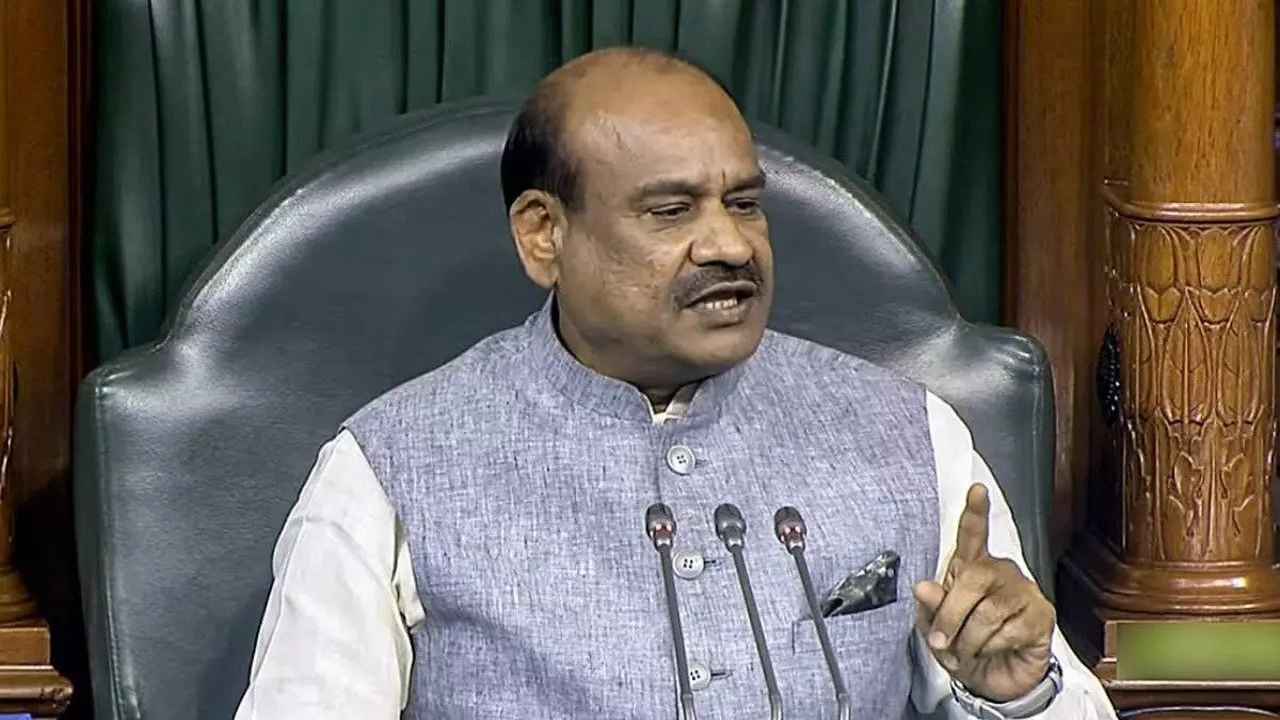
Om Birla likely to move motion to revoke suspension of 8 opposition MPs today
The Lok Sabha is likely to revoke the suspension of eight opposition MPs today, with a motion expected to be moved by the government following consensus on maintaining discipline.

Om Birla likely to move motion to revoke suspension of 8 opposition MPs today

Pakistan airstrike allegations on Kabul hospital leave hundreds dead, claims Taliban

Maharashtra passes freedom of religion bill with jail term up to 10 years

Mamata Banerjee writes to poll chief over officers’ reshuffle, calls move arbitrary
Centre assures action on LPG supply disruption, court closes distributors’ plea

Top US counterterrorism official resigns over Iran war, cites conscience

Mamata Banerjee warns BJP, EC over Bengal polls, says they will be accountable
Centre assures action on LPG supply disruption, court closes distributors’ plea
Om Birla likely to move motion to revoke suspension of 8 opposition MPs today
Maharashtra passes freedom of religion bill with jail term up to 10 years

Afghan Men Try To Hang With The Jet Engine Of The Aircraft in Kabul- Afghanistan News – Kabul News
Trending Top 10 News: 10000 Crore Fine on Flipkart, Apple to Launch Unique Feature, Hdfc Bank Job Ad

Trending Top 10 News: Nokia 6310, Apple sales, Bachpan ka Pyar Video Kid, Dainik Bhaskar IT Raid

Trending Top 10 News: Canada bans Indian flights, Rain in Delhi NCR, AIMIM Twitter hacked, Raj Kundra case

Trending Top 10 News: Shein India, Apple New Service, Pocket Oxygen, Oppo Launched New Phone
-
 India News16 hours ago
Om Birla likely to move motion to revoke suspension of 8 opposition MPs today
-
 India News17 hours ago
Pakistan airstrike allegations on Kabul hospital leave hundreds dead, claims Taliban
-
 India News16 hours ago
Maharashtra passes freedom of religion bill with jail term up to 10 years
-
 India News17 hours ago
Mamata Banerjee writes to poll chief over officers’ reshuffle, calls move arbitrary
-
India News7 hours ago
Centre assures action on LPG supply disruption, court closes distributors’ plea
-
 India News5 hours ago
Mamata Banerjee warns BJP, EC over Bengal polls, says they will be accountable
-
 Latest world news5 hours ago
Top US counterterrorism official resigns over Iran war, cites conscience
