English हिन्दी
Connect with us

India News

Centre waives excise duty on higher ethanol-blended petrol to boost biofuel adoption

The Centre has removed excise duty on petrol blended with 22-30 per cent ethanol, a move aimed at encouraging higher ethanol adoption and reducing dependence on imported crude oil.


Published

on

Fuel Rate

The central government has exempted petrol blended with higher levels of ethanol from excise duty, extending fiscal support beyond the existing E20 fuel standard. The move applies to fuel variants containing between 22 per cent and 30 per cent ethanol, including E22, E25, E27 and E30 blends.

The decision marks one of the first major tax incentives aimed specifically at encouraging the use of ethanol blends above E20. It comes as India continues to expand its biofuel programme to reduce dependence on imported crude oil and promote cleaner fuel alternatives.

New standards and tax support pave way for higher blends

The excise-duty exemption follows the recent notification of fuel-quality standards for E22, E25, E27 and E30 petrol blends by the Bureau of Indian Standards (BIS). The standards came into effect on May 15, 2026, and outline specifications related to ethanol content, octane ratings, sulphur limits and testing procedures.

Industry observers view the combination of technical standards and tax incentives as an important step towards the future adoption of higher ethanol-blended fuels across the country.

Ethanol blending programme gathers pace

India’s ethanol blending initiative has expanded rapidly in recent years. Under the National Policy on Biofuels, the government advanced its target of achieving 20 per cent ethanol blending in petrol from 2030 to the Ethanol Supply Year 2025-26.

According to government data, public sector oil marketing companies achieved 10 per cent blending in June 2022 ahead of schedule. Blending levels subsequently increased to 12.06 per cent in 2022-23, 14.60 per cent in 2023-24 and 17.98 per cent in 2024-25 up to February 2025.

Government highlights economic and environmental benefits

The government sees ethanol as a strategic tool for reducing India’s dependence on imported fossil fuels. India remains one of the world’s largest crude oil importers, making fuel imports a significant burden on the economy.

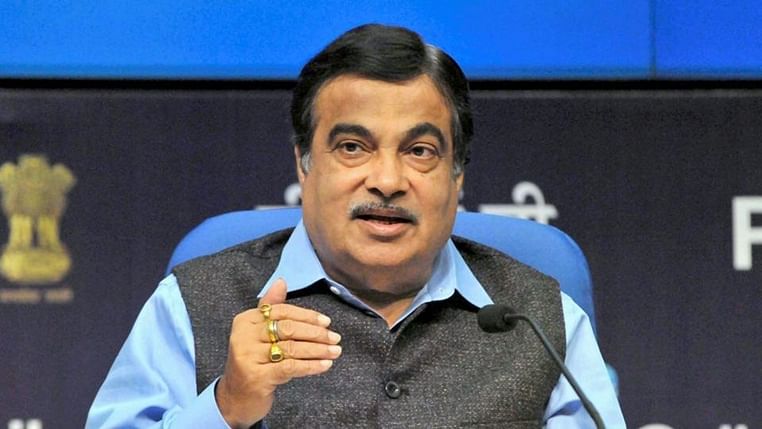
Union Minister for Road Transport and Highways, Nitin Gadkari, has repeatedly argued that higher ethanol use can lower pollution, support domestic agriculture and help retain money within the country that would otherwise be spent on fuel imports.

The policy is also expected to create additional demand for ethanol feedstocks and support farmers involved in supplying raw materials for biofuel production.

Debate over higher ethanol blends continues

The expansion of ethanol-blended fuel has generated discussion among vehicle owners regarding compatibility and fuel efficiency. Concerns linked to E20 fuel previously reached the Supreme Court, which dismissed a petition challenging its nationwide rollout in 2025. The government maintained that the transition had been thoroughly evaluated and would deliver broader economic benefits.

Industry groups have stated that while some older vehicles may experience a slight reduction in mileage with higher ethanol content, E20 fuel does not present a safety risk.

The latest tax exemption suggests policymakers are preparing for a future in which ethanol blends beyond E20 play a larger role in India’s fuel ecosystem.

India News

Protests erupt in Manipur after bodies of six abducted Naga civilians recovered

The recovery of six abducted Naga civilians’ bodies in Manipur has sparked protests and a shutdown call by the United Naga Council, while the state government has promised strict action against those responsible.

Published

on

Fresh protests have broken out in Manipur after the bodies of six Naga civilians, who had been abducted nearly a month ago, were recovered in Kangpokpi district. The incident has intensified tensions in the state’s hill regions and triggered strong reactions from Naga organisations and community leaders.

The United Naga Council (UNC), the apex body representing Nagas in Manipur, condemned the killings and described the deaths as a grave violation of human rights. The organisation announced a 24-hour shutdown across Naga-inhabited areas and said it would not accept the bodies until its key demands are addressed.

According to the UNC, the six men were among a group of Naga civilians allegedly taken hostage on May 13 during heightened tensions between Naga and Kuki groups in the region. The council claimed the victims were recovered in a mutilated condition, further fuelling anger within the community.

Shutdown call and demands

The shutdown began on June 11 and is intended as a mark of protest and solidarity with the victims’ families. The UNC has demanded strict action against those responsible for the abductions and killings. It has also called for the arrest and prosecution of members of the Kuki National Front (President), or KNF(P), whom it accuses of involvement in the hostage-taking.

The organisation has additionally urged the Manipur government to review existing arrangements with armed groups operating in the state and take stronger measures to prevent further violence.

Government response

The Manipur government has strongly condemned the killings. Chief Minister Yumnam Khemchand Singh expressed condolences to the families of the victims and assured that those responsible would be brought to justice.

State authorities said investigations are underway and stressed that those involved in the crime would face legal action.

Background to the hostage crisis

The deaths mark a tragic development in a hostage crisis that has unfolded amid growing Naga-Kuki tensions in parts of Manipur. Security forces had been conducting search operations for weeks to trace abducted civilians from both communities. Earlier this week, 14 Kuki hostages were released, raising hopes of a breakthrough before the discovery of the six Naga bodies reignited tensions.

The incident is expected to further complicate efforts to restore peace in the state, where ethnic and community-related tensions have persisted in several districts.

Continue Reading

India News

Yogi Adityanath’s love jihad and land jihad remarks draw sharp Akhilesh Yadav response

Uttar Pradesh Chief Minister Yogi Adityanath’s comments on ‘love jihad’ and ‘land jihad’ have triggered a sharp political response from Samajwadi Party chief Akhilesh Yadav.

Published

on

Yogi Adityanath on holiday

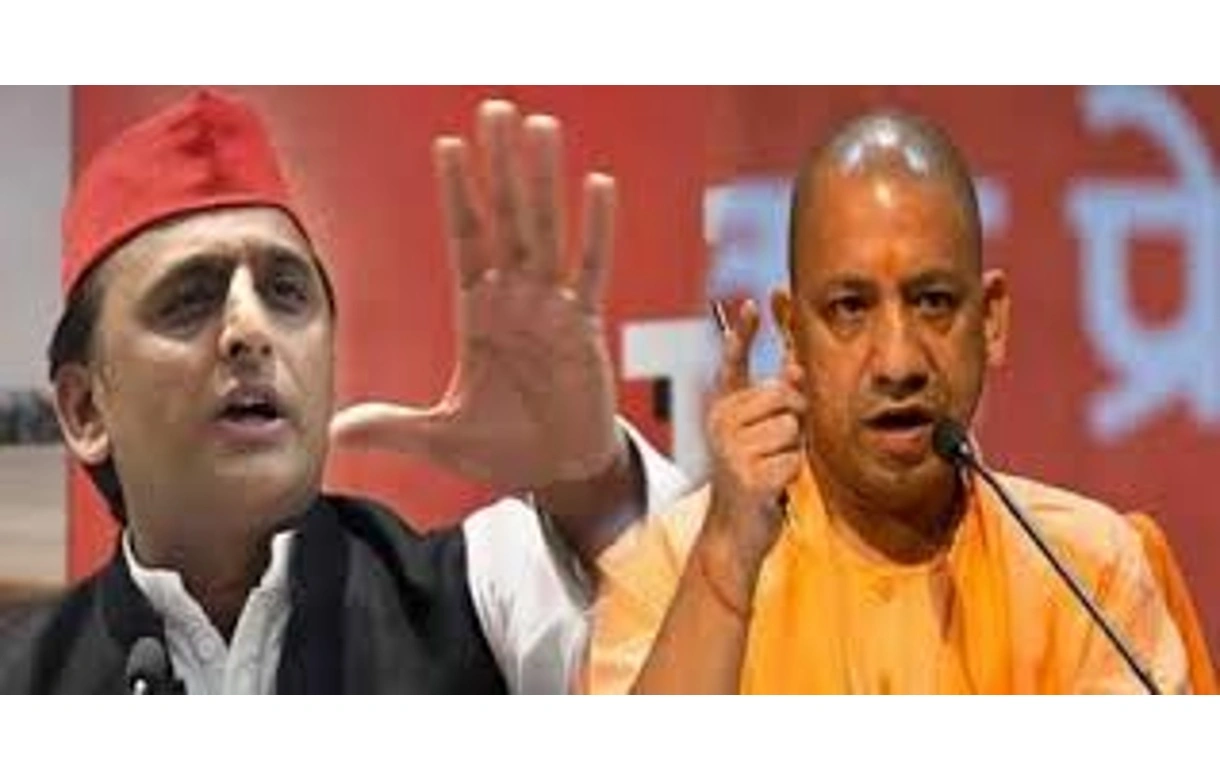
Uttar Pradesh Chief Minister Yogi Adityanath and Samajwadi Party chief Akhilesh Yadav engaged in a fresh war of words after the chief minister spoke about what he described as “love jihad” and “land jihad” during a public event in Lucknow.

Addressing the closing ceremony of the Ramkatha Mahotsav, Yogi Adityanath urged people to remain vigilant against attempts that he alleged were aimed at altering the country’s religious and demographic landscape. He said India could not become a refuge for those lacking loyalty to the nation and stressed the need for society to remain united against divisive forces.

The chief minister also referred to concerns about unlawful religious conversions and highlighted the Uttar Pradesh government’s anti-conversion legislation enacted in 2020. He called for greater public awareness and vigilance, arguing that society must collectively confront activities he described as threats to social harmony.

Akhilesh Yadav counters chief minister’s remarks

Responding to the statements, Akhilesh Yadav took a swipe at the chief minister, saying he “doesn’t understand love”. The Samajwadi Party leader remarked that the Uttar Pradesh chief minister appeared to have more concern for land than love.

Referring to the “land jihad” comments, Yadav questioned property ownership records in Gorakhpur and suggested they should be examined before making such allegations. He also said that Sanatan Dharma promotes love, brotherhood and truth, and accused the state government of deviating from those values.

Debate over ‘love jihad’ and ‘land jihad’

The terms “love jihad” and “land jihad” have frequently featured in political debates, particularly among right-wing groups that allege organised efforts involving religious conversion through marriage or illegal land acquisition. Critics, however, dispute these claims and argue that such terminology targets specific communities.

According to the Union Home Ministry’s earlier statements in Parliament, “love jihad” is not formally defined under Indian law. Several states, including Uttar Pradesh, have instead enacted laws dealing with religious conversions carried out through force, fraud, coercion or inducement.

The latest exchange between the two leaders adds to the continuing political rivalry between the BJP and the Samajwadi Party ahead of the next major electoral contests in Uttar Pradesh.

Continue Reading

India News

Delhi sees winds up to 111 kmph as heat persists, IMD forecasts thunderstorms

Delhi recorded wind speeds of up to 111 kmph on Tuesday evening, but heat conditions persisted with temperatures remaining above normal. IMD has forecast thunderstorms and lightning in isolated areas.

Published

on

Delhi weather update

Delhi witnessed powerful winds reaching speeds of up to 111 kmph on Tuesday evening, bringing dramatic weather conditions across several parts of the national capital. Despite the strong gusts, temperatures remained significantly above normal levels, with residents continuing to experience intense heat.

According to weather officials, the strongest wind speed was recorded at Palam, where gusts touched 111 kmph. The sudden change in weather led to dusty conditions and reduced visibility in some areas, while several parts of the city experienced strong winds during the evening hours.

The India Meteorological Department (IMD) said Delhi is likely to witness a partly cloudy sky, with the possibility of thunderstorms and lightning at isolated places over the coming days.

Temperatures remain well above normal

Even as strong winds swept through the city, temperatures remained elevated across Delhi. The Ridge weather station recorded the highest maximum temperature at 44.7 degrees Celsius, highlighting the continued impact of intense summer conditions.

The Safdarjung observatory, considered the city’s primary weather station, recorded a maximum temperature of 43.5 degrees Celsius and a minimum temperature of 29.2 degrees Celsius. These readings remained above seasonal averages, indicating that the heat has not significantly eased despite the change in weather.

IMD issues weather outlook

The IMD has forecast partly cloudy conditions for Delhi and surrounding areas, along with the possibility of thunderstorms and lightning at isolated locations. Weather officials have advised residents to remain cautious during periods of strong winds and thunderstorm activity.

The department is closely monitoring weather developments as fluctuating conditions continue to affect parts of north India, including Delhi-NCR.

As the capital navigates a mix of scorching temperatures and intermittent weather disturbances, residents are expected to face challenging conditions over the next few days.

Continue Reading

Trending

© Copyright 2022 APNLIVE.com