English हिन्दी
Connect with us

India News

BJP sharpens Bengal strategy after Bihar win, shifts focus to Trinamool’s grassroots network

Fresh off its Bihar victory, the BJP has begun shaping its Bengal campaign by prioritising TMC’s grassroots workers over turncoats, while preparing to target dynastic politics and regional equations.


Published

on

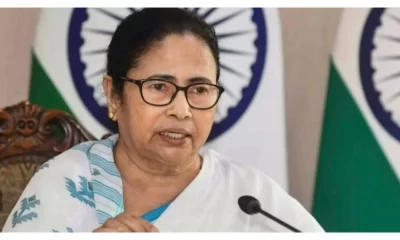
Mamata Banerjee

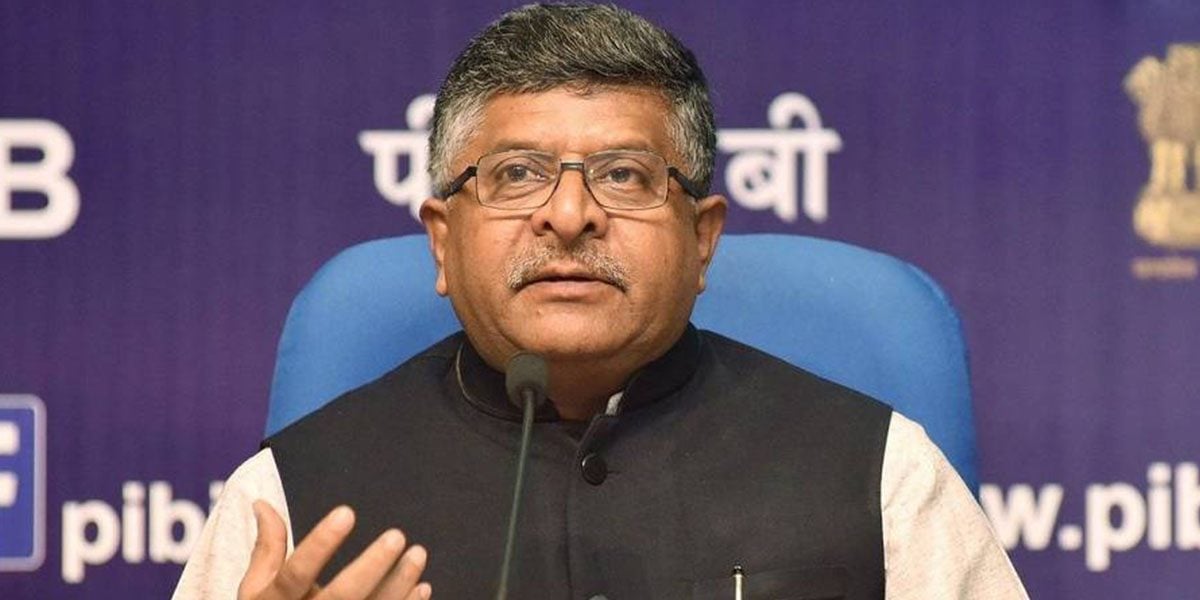
The Bharatiya Janata Party (BJP) has moved swiftly from its sweeping victory in Bihar to preparing for its next major battle — the West Bengal Assembly election scheduled for March-April next year. According to information shared with media, the party is recalibrating its approach with an emphasis on undermining the Trinamool Congress’ (TMC) ground-level strength rather than relying on high-profile defections.

BJP targets TMC’s grassroots to counter Mamata Banerjee

With plans to challenge Mamata Banerjee once again, the BJP intends to concentrate on Trinamool cadres who are not firmly aligned with Abhishek Banerjee. The party believes this segment could be susceptible to shifting loyalties and may help weaken the ruling party’s booth-level reach.

Even as the BJP prepares to question ‘dynastic politics’ in Bengal by highlighting Abhishek Banerjee’s prominence, the broader strategy remains rooted in boosting its cadre-based presence rather than replicating the pre-2021 influx of TMC defectors.

No major push for turncoats this time

Before the 2021 Assembly polls, the BJP had brought in several senior Trinamool leaders, including Suvendu Adhikari, who went on to defeat Mamata Banerjee in Nandigram. But party leaders now believe more defections will not significantly impact vote share. Instead, inducting grassroots workers is seen as a safer, more effective alternative that won’t create internal friction among BJP’s existing leadership ranks.

Caste arithmetic replaced with regional, religious balance

The BJP’s sweeping performance in Bihar was built on a carefully planned caste matrix. However, Bengal’s political landscape differs considerably, with caste playing a limited role. The party is expected to focus on regional dynamics and religious polarisation instead.

While Muslim voters constitute roughly 30% of the state’s population, their electoral influence is concentrated in a limited number of seats. The BJP hopes that Hindu consolidation in other regions could give it a competitive advantage.

‘Outsider’ narrative likely to intensify

The BJP is expected to continue pressing its charge that illegal migration from Bangladesh has altered electoral patterns in the state. Meanwhile, the Trinamool has long branded the BJP as an ‘outsider’ force. This narrative battle is expected to shape much of the campaign.

BJP eyes 160-170 seats, plans careful candidate selection

Over the last two Assembly and Lok Sabha elections, the BJP has crossed the 100-seat mark in total seats won across Bengal. The party now aims to convert this base into a larger Assembly footprint, targeting 160–170 seats. For this, candidate selection will be critical — an area where the leadership wants to avoid the issues that arose after the wave of defections in 2021.

Strong presence in north and south Bengal

The BJP continues to hold strong ground in north and south Bengal, regions where it has consistently gained vote share. Its best performance so far came in the 2019 Lok Sabha polls, when it secured 18 seats with over 40% vote share. However, the party recently witnessed a decline after losing six of its 12 seats in the latest national election.

To surpass the Trinamool’s peak vote share of around 48%, the BJP will need to secure an additional six per cent of votes — a challenge that will heavily test its organisational strength in the months leading to the election.

India News

Centre caps airfares to curb surge amid IndiGo crisis

To protect passengers from soaring fares amid IndiGo’s operational crisis, the Centre has introduced temporary airfare caps and ordered expedited refunds for cancelled flights.

Published

on

As operational disruptions at IndiGo entered their fifth day, the Civil Aviation Ministry moved to prevent steep ticket price hikes by imposing fare caps across affected routes. The decision comes as hundreds of flights were cancelled, leaving passengers stranded at airports nationwide.

Ministry steps in to prevent “opportunistic pricing”

The ministry said it had taken note of unusually high fares being charged by some airlines during the ongoing travel disruption. Invoking regulatory powers, it ordered all carriers to follow newly prescribed fare caps until flight schedules stabilise.

According to the statement, the move aims to prevent any exploitation of travellers—especially senior citizens, students and those undertaking urgent medical travel—during the crisis. Airlines and online travel platforms will continue to be monitored through real-time fare data.

IndiGo told to clear refunds by Sunday evening

In a separate direction, the ministry asked IndiGo to ensure all refunds for cancelled or disrupted flights are processed by 8 pm on December 7. It also instructed airlines not to impose rescheduling fees for passengers whose plans were affected.

Hundreds of cancellations as pilot shortage triggers meltdown

IndiGo, which operates around 2,300 daily flights with a fleet of over 400 aircraft, has seen widespread cancellations due to a planning-related pilot shortage. Operational delays are expected to continue for several more days.

Scenes of severe inconvenience have unfolded at airports, with passengers reporting long waits, disrupted travel plans, and a lack of clarity from the airline.

IndiGo issues apology, promises gradual restoration

The airline apologised publicly, saying it understood the difficulties faced by passengers. IndiGo assured that refunds for cancelled flights would be processed automatically and added that full normalisation of domestic operations is likely between December 10 and 15, though recovery may take time due to the scale of disruption.

Minister claims crisis nearing resolution

Civil Aviation Minister Ram Mohan Naidu said the situation is “on the verge of getting resolved”. He noted that major metro airports such as Delhi, Mumbai and Chennai had cleared most backlogs, and that IndiGo would resume operations with limited capacity before gradually increasing flights.

Continue Reading

India News

Centre plans major crackdown on IndiGo amid mass cancellations

Published

on

The Centre is preparing strong action against IndiGo after widespread disruption triggered by the airline’s handling of new pilot rest rules, according to sources. With thousands of passengers stranded and over 500 flights cancelled on consecutive days, the government is now likely to seek the removal of CEO Pieter Elbers, alongside other stringent measures.

Government weighs removal of IndiGo CEO

Sources indicate that the airline may be asked to remove its chief executive following what officials view as poor management of revised duty and rest regulations for pilots. The developments led to severe operational breakdown across airports and sparked public outrage.

Heavy penalties and flight curbs under consideration

According to officials, an unprecedented crackdown is being prepared. This includes the possibility of a hefty financial penalty on the carrier, which commands nearly two-thirds of India’s domestic aviation market.

Authorities are also evaluating whether the number of flights permitted to IndiGo should be temporarily reduced, marking what could become the toughest action taken against any airline in recent years.

IndiGo representatives were summoned by the aviation ministry on Friday evening as the government sought explanations for the crisis and measures to restore order.

Continue Reading

India News

Lok Sabha clears bill to levy cess on pan masala and similar goods for health, security funding

The Lok Sabha has passed a bill to impose a cess on pan masala manufacturing units, aiming to create a dedicated revenue source for public health and national security initiatives.

Published

on

Nirmala Sitharaman

The Lok Sabha has approved the Health Security se National Security Cess Bill, 2025, paving the way for a new cess on pan masala manufacturing units. The legislation aims to generate dedicated funds for strengthening national security and improving public health, both areas identified as critical national priorities.

Bill aims to create predictable funding stream

Finance Minister Nirmala Sitharaman, responding to the debate before the bill was passed by voice vote, said that the cess will be shared with states because public health falls under the state list.

The new cess will be applied over and above the GST, based on production capacity and machinery used in units manufacturing pan masala and similar goods. The minister clarified that this cess will not affect GST revenue, and that pan masala already attracts the maximum GST slab of 40 per cent.

According to the bill text, the objective is to build a “dedicated and predictable resource stream” to support expenditure related to health and national security.

Sitharaman also mentioned that cess collection as a percentage of gross total revenue currently stands at 6.1 per cent, lower than the 7 per cent average between 2010 and 2014.

Continue Reading

Trending

© Copyright 2022 APNLIVE.com