
India News
Chidambaram: Reveal names of PM-CARES Fund donors
In his tweet on Tuesday morning, the Congress leader and former Finance Minister asked if NGOs and trusts were statutorily bound to reveal their donors for amounts exceeding a certain limit, how could PM-CARES be exempt from such requirement.


In his tweet on Tuesday morning, the Congress leader and former Finance Minister asked if NGOs and trusts were statutorily bound to reveal their donors for amounts exceeding a certain limit, how could PM-CARES be exempt from such requirement? The Congress and other opposition parties have repeatedly questioned the opacity surrounding the fund and the need for it given the existence of other relief funds.
Following the economic downturn due to the lockdowns imposed after the Covid-19 outbreak, opposition parties had asked if companies were being generous in donating to PM-CARES on one hand while retrenching employees on the other citing the slump in economic activity.

An NDTV.com report said the audit statement of PM-CARES had been uploaded on its website and showed that from the date of its setting up, March 27, the fund had got donations of Rs 3,076 crore till March 31, the last date of the 2020 financial year. The data of how much donations has been received till date has not been revealed since the accounting requirement is for putting out data only till March 31 for that financial year. Of the Rs 3,076 crore, the domestic voluntary component was Rs 3,075.85 crore and the rest was foreign contribution of some Rs 40 lakh. The audit document, signed by a PMO official, said the fund had also earned an interest of Rs 35 lakh for that period of 5 days.
An RTI application seeking details of the fund had been rejected by the PMO saying it was not listed as a public authority under the RTI Act. In a related development, the Supreme Court had said the amount collected by the fund was from charitable trusts and the like, and left it to the government to transfer the money to the National Disaster Response Fund.
Read Also: Kafeel Khan walks free from Mathura jail, Sharjeel Usmani gets bail
Prime Minister Narendra Modi had set up the PM-CARES Fund in March for dealing with the situation arising out of the coronavirus pandemic and other such emergencies. The PM is the chairperson of the trust managing the fund and has senior ministers as trustees.


India News
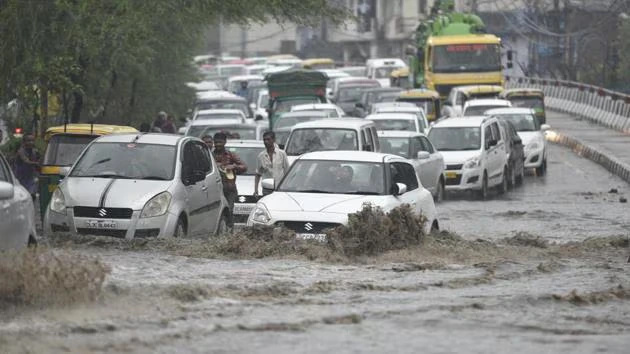
Delhi-NCR sees second spell of rain and thunderstorms in four days
Delhi-NCR experienced another spell of rain and thunderstorms on March 18, with IMD forecasting more showers over the next few days.

India News
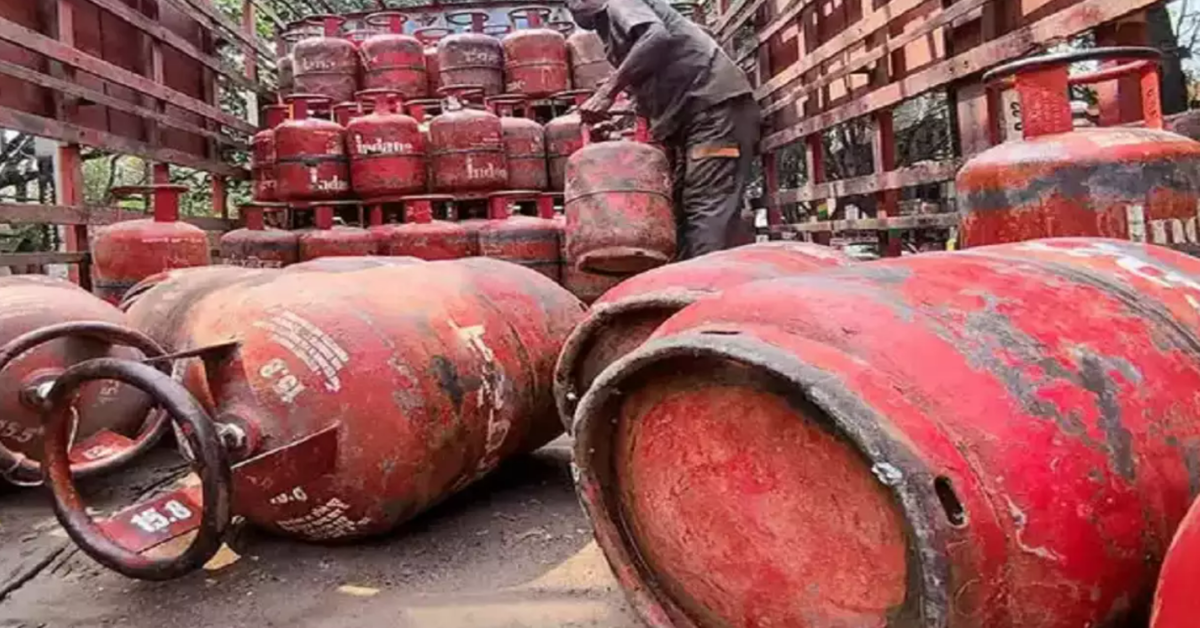
Centre pushes states to cut levies to boost PNG adoption
The Centre has asked states to reduce local levies and streamline approvals to accelerate PNG adoption and city gas infrastructure growth.
India News
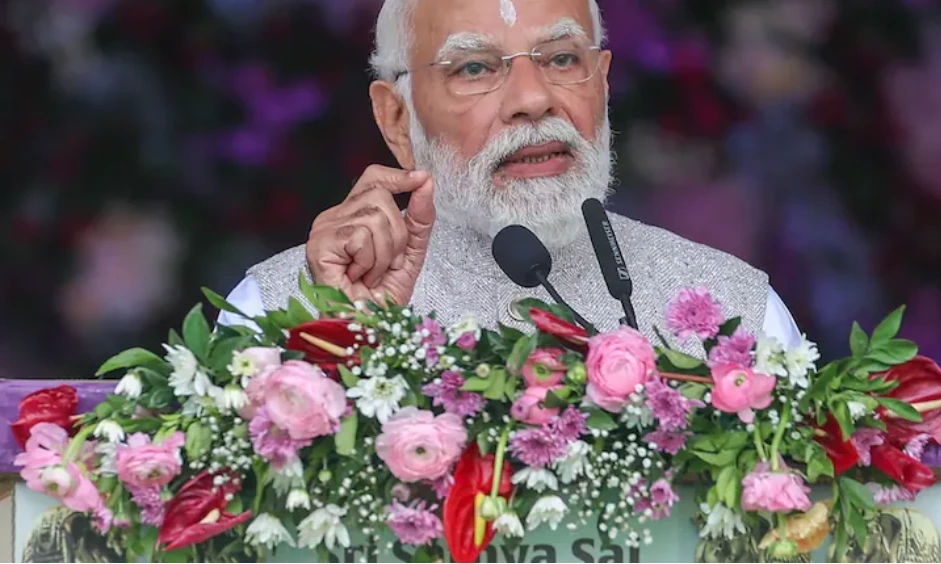
BJP seals Assam seat-sharing pact, Modi to hold 3 rallies in April
BJP has finalised its Assam seat-sharing plan with allies and is gearing up for an intense campaign led by PM Modi and Amit Shah.

US strikes Iranian missile sites near Hormuz with 5,000-pound bunker buster bombs

Netanyahu dismisses death rumours in video with US envoy, says I’m alive

Centre mandates 60% free seat allocation on flights, caps selection fees

Delhi Palam fire leaves 6 dead, massive rescue operation underway

Centre pushes states to cut levies to boost PNG adoption

Delhi-NCR sees second spell of rain and thunderstorms in four days
Centre pushes states to cut levies to boost PNG adoption

BJP seals Assam seat-sharing pact, Modi to hold 3 rallies in April
Delhi Palam fire leaves 6 dead, massive rescue operation underway
Centre mandates 60% free seat allocation on flights, caps selection fees

Afghan Men Try To Hang With The Jet Engine Of The Aircraft in Kabul- Afghanistan News – Kabul News
Trending Top 10 News: 10000 Crore Fine on Flipkart, Apple to Launch Unique Feature, Hdfc Bank Job Ad

Trending Top 10 News: Nokia 6310, Apple sales, Bachpan ka Pyar Video Kid, Dainik Bhaskar IT Raid

Trending Top 10 News: Canada bans Indian flights, Rain in Delhi NCR, AIMIM Twitter hacked, Raj Kundra case

Trending Top 10 News: Shein India, Apple New Service, Pocket Oxygen, Oppo Launched New Phone
-
 Latest world news12 hours ago
US strikes Iranian missile sites near Hormuz with 5,000-pound bunker buster bombs
-
 Latest world news12 hours ago
Netanyahu dismisses death rumours in video with US envoy, says I’m alive
-
 India News11 hours ago
Centre mandates 60% free seat allocation on flights, caps selection fees
-
 India News10 hours ago
Delhi Palam fire leaves 6 dead, massive rescue operation underway
-
 India News3 hours ago
Centre pushes states to cut levies to boost PNG adoption
-
 India News3 hours ago
BJP seals Assam seat-sharing pact, Modi to hold 3 rallies in April
-
 India News42 mins ago
Delhi-NCR sees second spell of rain and thunderstorms in four days
