The coming together of Congress and JD(S) in Karnataka has indications of a possible coming together of Opposition parties to counter the BJP in the 2019 Lok Sabha elections.
Leaders of various other parties chipped in to play a role in getting the two parties together. According to media reports, as the results came in, Opposition leaders like Mamata Banerjee, Sitaram Yechury, K Chandrasekhar Rao and Mayawati dialled JD(S) patriarch HD Deve Gowda asking him to remain committed to the secular cause and stay away from joining hands with the BJP.
The Congress itself had made up its mind, even before the results came in, to extend support to a JD(S) government led by HD Kumaraswamy in case the Congress tally fell below 90 seats. This was conveyed to JD(S) spokesperson Danish Ali when Ghulam Nabi Azad met him on Sunday night. With the experience of Goa rankling Congress, it was also decided that the two parties should not waste any time if the situation comes to such a pass.
This was conveyed to Kumaraswamy and Deve Gowda.
Bitter rivals in Bengal, the Left leaders and Trinamool chief Mamata Banerjee, both backed the Congress-JD(S) alliance against the BJP. CPM General Secretary Sitaram Yechury was also in touch with Deve Gowda before counting began. Bengal chief minister Mamata Banerjee, suggesting that the Congress would have fared better with a pre-poll alliance with the JD(S), urged Deve Gowda to keep the BJP out of the state with the aid of Congress.
Banerjee tweeted, “If the Congress had gone into an alliance with the JD(S), the result would have been different. Very different.”
Opposition leaders who spoke to Deve Gowda urged him to shed any misgivings in joining hands with Congress after a hard fought electoral battle against the party. They tried to convince him that trying to stop the BJP from getting power was the best way to prove the JD(S)’s secular credentials and shed its 2006 baggage when Kumaraswamy joined hands with the BJP.
As the alliance was agreed upon, the Congress was asked to join the government and offered the post of Deputy Chief Minister and some ministers.
The idea was to take the alliance to the 2019 Lok Sabha elections. Deve Gowda reportedly told senior Opposition leaders that he was on board. Key opposition parties rallied behind the Congress-JDS alliance as it concretised.
The Left, among the biggest proponents of opposition unity, welcomed the Congress’ decision to support JD(S) and reiterated this was the need of the hour to defeat the BJP. It also cautioned the Congress, advising it to be more “realistic and accommodative of regional parties”.
Mamata Banerjee congratulated HD Deve Gowda soon after the Congress announced its unconditional support to JDS.
BSP chief Mayawati, said a report in The Times of India, took the initiative to break ice between UPA chairperson Sonia Gandhi and JD(S) chief HD Devegowda, goading them to come together and stake claim to form government before BJP.
The BSP had contested Karnataka polls in a pre-poll alliance with JD(S), putting up candidates in 20 seats. Mayawati, in fact, addressed four rallies jointly with JD(S) leaders during the campaign. Though BSP vote share dipped from 1.16% in 2013 Karnataka elections to 0.3%, it still managed to win one seat, its first in the state.
As projections after voting showed a hung Assembly, Mayawati asked her close aide and party Rajya Sabha MP Ashok Siddharth, who is also Karnataka BSP in charge, to meet Congress leader Ghulam Nabi Azad. While Azad then spoke to Sonia about the prospective alliance, Mayawati called up JD(S) chief HD Deve Gowda and convinced him. Mayawati, sources said, subsequently spoke to Sonia and suggested that Congress extend support to JD(S) to which she agreed.
Mayawati had earlier bailed out Congress government in Uttarakhand in 2016 and its two MLAs voted for it in the floor test following disqualification of its nine MLAs who defected to BJP camp.
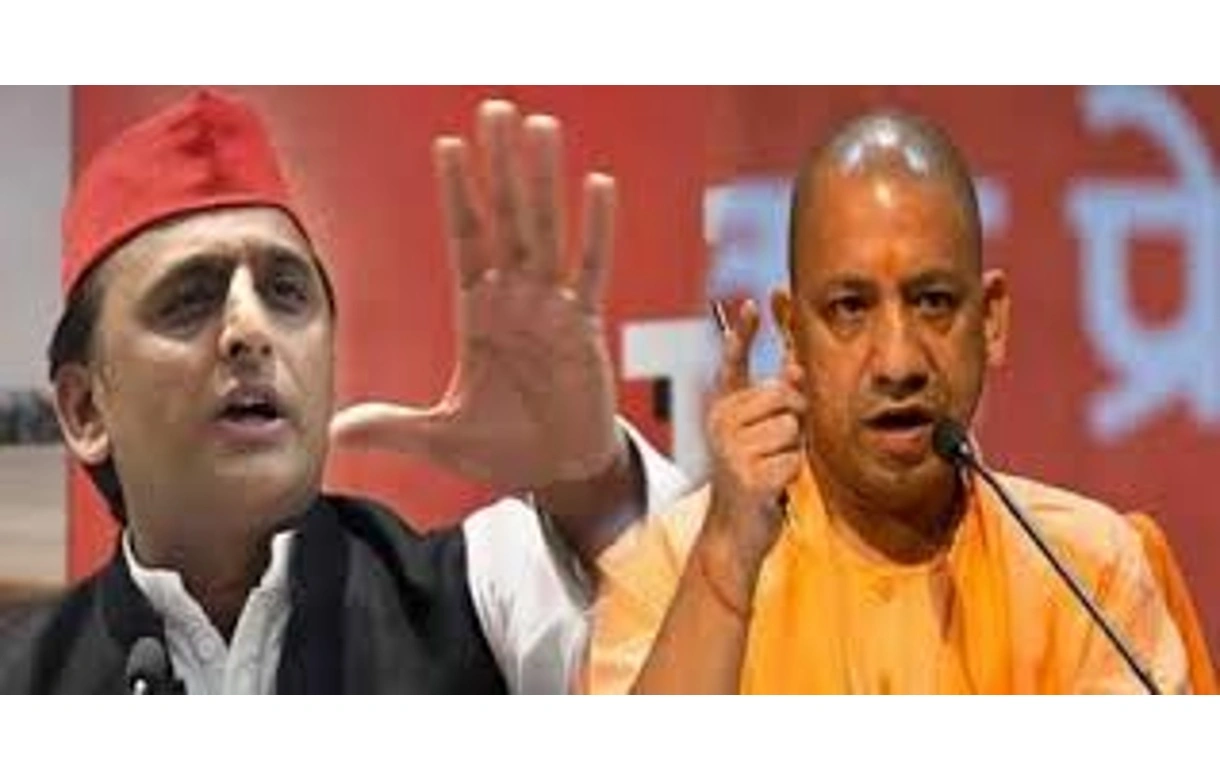
Mayawati also tied up with Akhilesh Yadav’s Samajwadi Party and backed its candidate in Gorakhpur Lok Sabha by-election in which they managed to defeat the BJP in its chief minister Yogi Adityanath’s home turf.
While leaders of other Opposition parties have made their preference clear, the Congress needs to modify its approach and game plan to accommodate them for a broad alliance to take shape. Reportedly, similar sentiments were voiced by some Congress leaders as well.
Regional forces like the Trinamool Congress, NCP, DMK and the Left said the Congress should read the writing on the wall and join hands with state parties if it was serious about taking on the BJP. They said the Congress should take the lead in forging alliances, but without setting any condition. The NCP said the Congress should forget about the prime ministerial candidate issue for now.
“Congress should take the leadership to unite all the democratic, secular and anti-BJP parties, and it should be well-planned. Our planning may have to be changed state to state. Not only from a national perspective, but from a regional perspective. For example, in Kerala, the Congress and CPI(M) may not be able to go together. But outside Kerala, we can go together. Similarly, what is our strategy with Mamata Banerjee, Sharad Pawar? Congress has to be at the forefront,” said former Union minister KV Thomas, according to a media report.
Congress leaders said the party, by extending support to JD(S), although belatedly, was sending out a message of flexibility. “That is the message Sonia Gandhi is trying to send out, that we can do anything to keep the BJP out of power,” said a senior party leader.
The NCP, DMK and Left agreed with the idea of a flexible Congress allying with regional forces against the BJP.
Speaking about the Karnataka election results, DMK’s TKS Elangovan said the Congress should have entered into a pre-poll alliance with JD(S). He suggested that the Congress should ally with regional parties, allowing them a greater share in their States in return for a larger share of seats at the Centre.
He said, “The Congress should have allied with the JD(S). The problem with the party is that they want everything. They should have told the JD(S) that you run the show, we will support you, and in Parliament you give us more seats. It would have helped them in 2019. My advice to the Congress is that barring few states where there are no regional parties, give a major share to the regional parties and take a major share for Parliament elections.”
NCP’s Tariq Anwar, noting that the Congress got more votes than the BJP in Karnataka, said, “This is not the defeat of the Congress or the leadership. A prior understanding with the JD(S) would have worked better… The role of regional parties is very important, and the Congress should try to take all opposition, all regional parties…, into confidence and go for an alliance. If you want to defeat the BJP, you (Congress) will have to go with the regional parties.”
He, however, added that any alliance without the Congress would not work, given its pan-India footprint.