
Latest Politics News
Stop using photos of defence personnel for campaigning: EC to political parties









India News
BJP seals Assam seat-sharing pact, Modi to hold 3 rallies in April
BJP has finalised its Assam seat-sharing plan with allies and is gearing up for an intense campaign led by PM Modi and Amit Shah.

India News
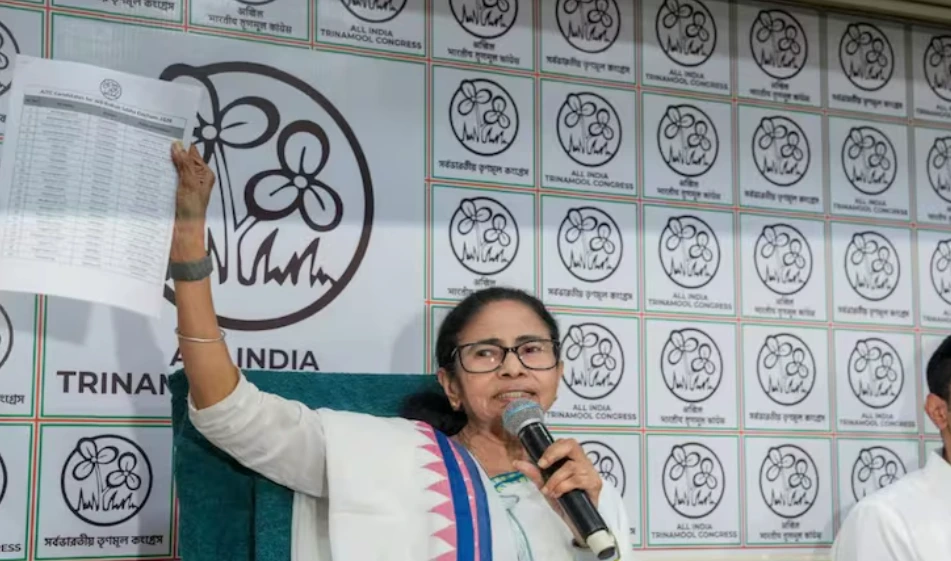
Mamata Banerjee warns BJP, EC over Bengal polls, says they will be accountable
Mamata Banerjee holds BJP and Election Commission responsible for any incidents during Bengal polls, raising concerns over officer transfers.
India News
Mamata Banerjee writes to poll chief over officers’ reshuffle, calls move arbitrary
Mamata Banerjee has written to the Chief Election Commissioner, calling the reshuffle of senior Bengal officials arbitrary and raising concerns over constitutional norms.


US strikes Iranian missile sites near Hormuz with 5,000-pound bunker buster bombs

Netanyahu dismisses death rumours in video with US envoy, says I’m alive

Centre mandates 60% free seat allocation on flights, caps selection fees

Delhi Palam fire leaves 6 dead, massive rescue operation underway

Centre pushes states to cut levies to boost PNG adoption

Delhi-NCR sees second spell of rain and thunderstorms in four days
Centre pushes states to cut levies to boost PNG adoption

BJP seals Assam seat-sharing pact, Modi to hold 3 rallies in April
Delhi Palam fire leaves 6 dead, massive rescue operation underway
Centre mandates 60% free seat allocation on flights, caps selection fees

Afghan Men Try To Hang With The Jet Engine Of The Aircraft in Kabul- Afghanistan News – Kabul News
Trending Top 10 News: 10000 Crore Fine on Flipkart, Apple to Launch Unique Feature, Hdfc Bank Job Ad

Trending Top 10 News: Nokia 6310, Apple sales, Bachpan ka Pyar Video Kid, Dainik Bhaskar IT Raid

Trending Top 10 News: Canada bans Indian flights, Rain in Delhi NCR, AIMIM Twitter hacked, Raj Kundra case

Trending Top 10 News: Shein India, Apple New Service, Pocket Oxygen, Oppo Launched New Phone
-
 Latest world news12 hours ago
US strikes Iranian missile sites near Hormuz with 5,000-pound bunker buster bombs
-
 Latest world news12 hours ago
Netanyahu dismisses death rumours in video with US envoy, says I’m alive
-
 India News11 hours ago
Centre mandates 60% free seat allocation on flights, caps selection fees
-
 India News10 hours ago
Delhi Palam fire leaves 6 dead, massive rescue operation underway
-
 India News3 hours ago
Centre pushes states to cut levies to boost PNG adoption
-
 India News3 hours ago
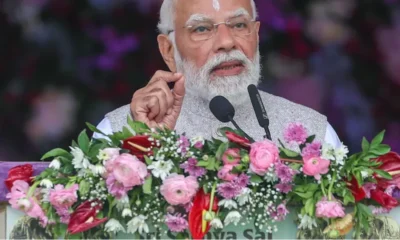
BJP seals Assam seat-sharing pact, Modi to hold 3 rallies in April
-
 India News45 mins ago
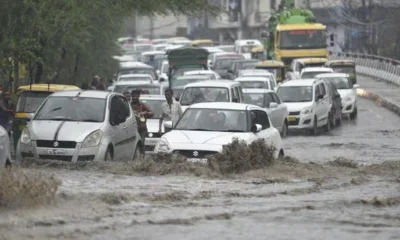
Delhi-NCR sees second spell of rain and thunderstorms in four days
