
Cricket news
ICC ODI Rankings: Jasprit Bumrah is back to no. 1 spot after 6 wickets haul against England
Bumrah had his career best record against England in the first ODI match which was played at Oval. The Indian pacer just gave 16 runs and bagged 6 wickets out of which 4 players were dismissed at ducks.


Indian fast bowler Jasprit Bumrah has regained the top spot in the latest ICC Men’s ODI Player Rankings after the IND vs ENG first ODI match.
Bumrah had his career best record against England in the first ODI match which was played at Oval. The Indian pacer bagged six wickets by giving out just 16 runs.

It was Bumrah who broke the backbone of England’s batting order and with the co-operation Mohammed Shami, not did both the Indian bowler gave minimum runs but they got England all out for just 110 runs.
And now after a career-best haul of six for 19 Bumrah has regained his top spot at the ICC ODI rankings. Earlier the Indian pacer had lost the top spot to New Zealand’s Trent Boult in February 2020. For those who don’t know, Jasprit Bumrah was at the top of ODI ranking for 730 days, which is more than any other Indian and is also the ninth-most in history of international cricket.
Read Also: BJP removes Solapur district president after woman party worker accuses him of sexual harassment
Jasprit Bumrah has been No. 1 in T20Is in the past is currently at the top of ODI rankings and is at a career-best third position in Tests. This also makes Bumrah the only second Indian pacer after Kapil Dev to be No. 1 in the ODI rankings.
In the current ICC ODI Rankings, the next Indian in line is Yuzvendra Chahal, who is at the 20th spot with 601 ratings, followed by Mohammed Shami at 23rd position with 579 ratings and Bhuvneshwar Kumar at 24th position with the same ratings. This also means that Jasprit Bumrah is the only Indian bowler in the top 10 ICC ODI ranking list.
And Bumrah has achieved this milestone after his breath-taking record in the last ODI match against England. Bumrah sent Joe Root, Jason Roy, Ben Stokes and Liam Livingston at the score of zero and he later also dismissed Brydon Carse and David Willey.
With this match Bumrah has not only broken the 16 years old record of former Indian pacer Ashish Nehra who took 5 wickets for just 25 runs but Bumrah has also become the first Indian bowler to take six wickets against England in One Day Internationals.
Indian won the first ODI by 10 wickets at Oval and now men in blue will take down England in the second match at Lord tomorrow at 5:30 pm. Where India will be hoping to win the match and take a winning lead in this three-match series, England will be prepping to bounce back and level-up the ODI series, after losing the T20 series and drawing the Test series.
Sawan 2022: Wishes, quotes and greetings to share with your loved ones in the holy month of Shravan
Guru Purnima 2022: Teachings of Gautam Buddha that will help you develop new perspectives of life








Cricket news
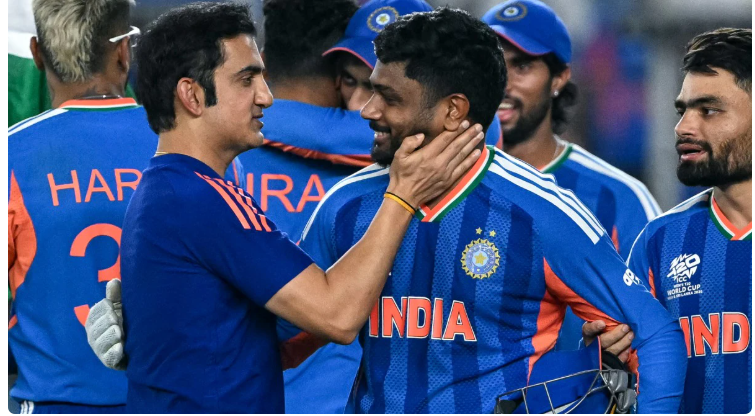
India’s T20 World Cup triumph validates Gautam Gambhir’s approach, coach dedicates win to Dravid and Laxman
Gautam Gambhir said he is accountable only to the team dressing room after India defeated New Zealand by 96 runs to win the 2026 T20 World Cup and dedicated the title to Rahul Dravid and VVS Laxman.

Cricket news
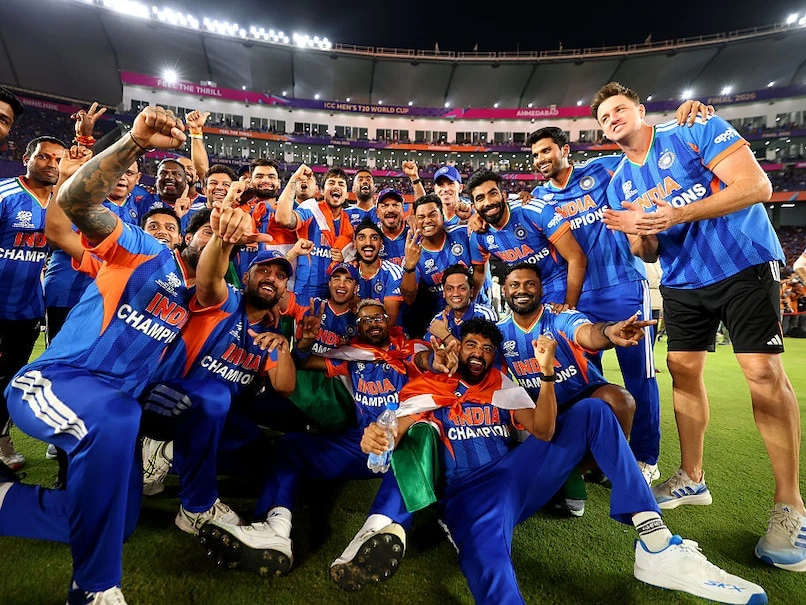
India win record third T20 World Cup after thrashing New Zealand in 2026 final
India defeated New Zealand by 96 runs in the T20 World Cup 2026 final in Ahmedabad, becoming the first team to win the tournament three times and defend the title.
Cricket news
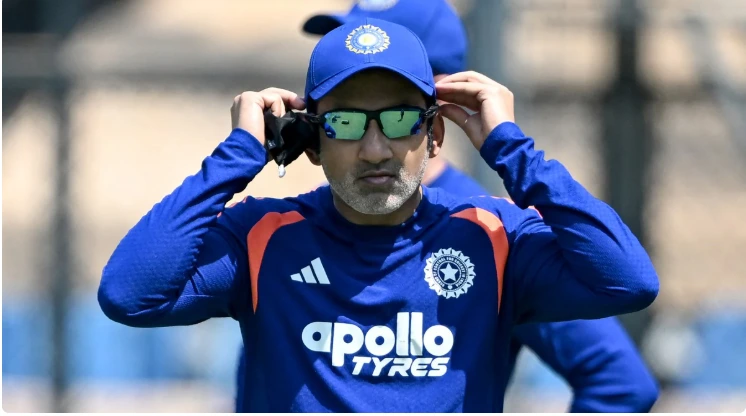
Gautam Gambhir’s tactical calls help India edge past England to reach T20 World Cup final
India defeated England by seven runs in the T20 World Cup 2026 semifinal in Mumbai as tactical decisions and a flexible batting order helped secure a place in the final.

Om Birla likely to move motion to revoke suspension of 8 opposition MPs today

Pakistan airstrike allegations on Kabul hospital leave hundreds dead, claims Taliban

Mamata Banerjee writes to poll chief over officers’ reshuffle, calls move arbitrary

Maharashtra passes freedom of religion bill with jail term up to 10 years

Centre assures action on LPG supply disruption, court closes distributors’ plea

Top US counterterrorism official resigns over Iran war, cites conscience

Mamata Banerjee warns BJP, EC over Bengal polls, says they will be accountable
Centre assures action on LPG supply disruption, court closes distributors’ plea
Om Birla likely to move motion to revoke suspension of 8 opposition MPs today
Maharashtra passes freedom of religion bill with jail term up to 10 years

Afghan Men Try To Hang With The Jet Engine Of The Aircraft in Kabul- Afghanistan News – Kabul News
Trending Top 10 News: 10000 Crore Fine on Flipkart, Apple to Launch Unique Feature, Hdfc Bank Job Ad

Trending Top 10 News: Nokia 6310, Apple sales, Bachpan ka Pyar Video Kid, Dainik Bhaskar IT Raid

Trending Top 10 News: Canada bans Indian flights, Rain in Delhi NCR, AIMIM Twitter hacked, Raj Kundra case

Trending Top 10 News: Shein India, Apple New Service, Pocket Oxygen, Oppo Launched New Phone
-
 India News20 hours ago
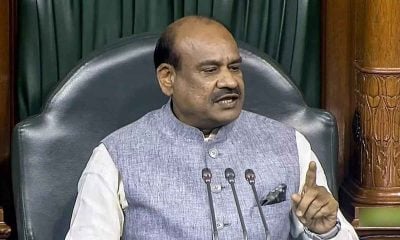
Om Birla likely to move motion to revoke suspension of 8 opposition MPs today
-
 India News22 hours ago
Pakistan airstrike allegations on Kabul hospital leave hundreds dead, claims Taliban
-
 India News21 hours ago
Mamata Banerjee writes to poll chief over officers’ reshuffle, calls move arbitrary
-
 India News21 hours ago
Maharashtra passes freedom of religion bill with jail term up to 10 years
-
India News12 hours ago
Centre assures action on LPG supply disruption, court closes distributors’ plea
-
 India News10 hours ago
Mamata Banerjee warns BJP, EC over Bengal polls, says they will be accountable
-
 Latest world news10 hours ago
Top US counterterrorism official resigns over Iran war, cites conscience
