
LATEST SPORTS NEWS
Sports Ministry to consider legal online betting in India











Cricket news
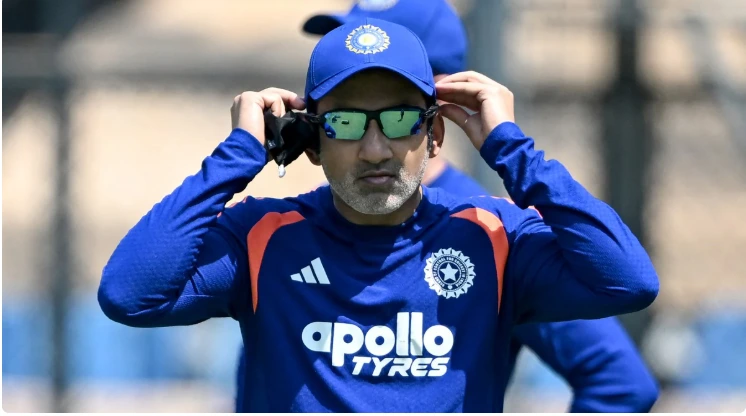
Gautam Gambhir’s tactical calls help India edge past England to reach T20 World Cup final
India defeated England by seven runs in the T20 World Cup 2026 semifinal in Mumbai as tactical decisions and a flexible batting order helped secure a place in the final.

Cricket news
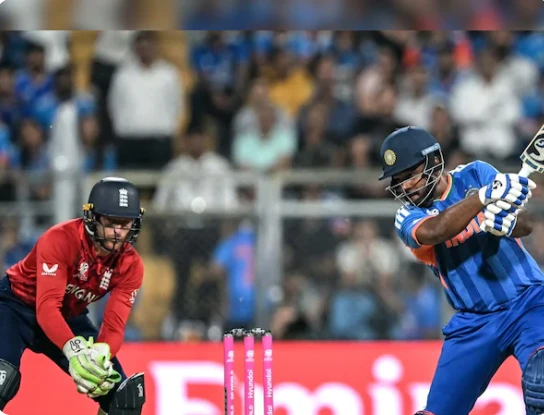
India post 253/7 vs England in T20 World Cup semi-final as Sanju Samson smashes 89
Sanju Samson’s explosive 89 helped India reach 253/7 against England in the T20 World Cup 2026 semi-final in Mumbai, setting a massive 254-run target.
Cricket news
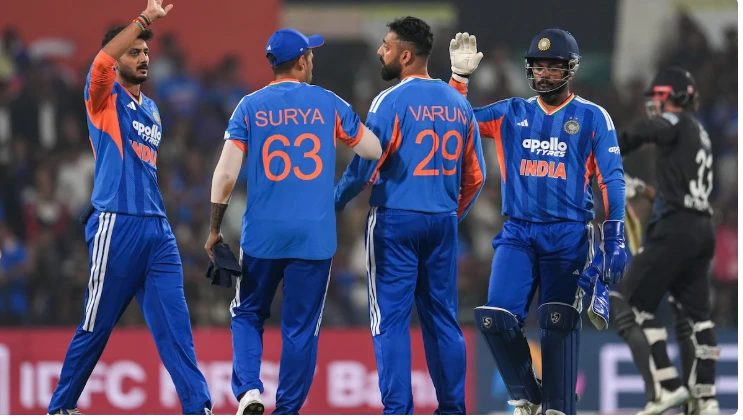
ICC Men’s T20 World Cup: Who advances if India vs England semifinal is washed out
India take on England in the T20 World Cup 2026 semifinal in Mumbai. With rain concerns looming, here is a detailed look at reserve day rules and who qualifies if the match is abandoned.

Trump’s handling of India ties a major mistake, says former Australia PM Tony Abbott

Gurmeet Ram Rahim acquitted in 2002 journalist Ram Chander Chhatrapati murder case

India says it never depended on permission to import Russian oil

President Murmu questions tribal development in Bengal, Mamata Banerjee calls remarks political
President Murmu questions tribal development in Bengal, Mamata Banerjee calls remarks political
India says it never depended on permission to import Russian oil
Gurmeet Ram Rahim acquitted in 2002 journalist Ram Chander Chhatrapati murder case
Trump’s handling of India ties a major mistake, says former Australia PM Tony Abbott

BJP likely to get chief minister in Bihar as Nitish Kumar plans Rajya Sabha move

Afghan Men Try To Hang With The Jet Engine Of The Aircraft in Kabul- Afghanistan News – Kabul News
Trending Top 10 News: 10000 Crore Fine on Flipkart, Apple to Launch Unique Feature, Hdfc Bank Job Ad

Trending Top 10 News: Nokia 6310, Apple sales, Bachpan ka Pyar Video Kid, Dainik Bhaskar IT Raid

Trending Top 10 News: Canada bans Indian flights, Rain in Delhi NCR, AIMIM Twitter hacked, Raj Kundra case

Trending Top 10 News: Shein India, Apple New Service, Pocket Oxygen, Oppo Launched New Phone
-
 India News13 hours ago
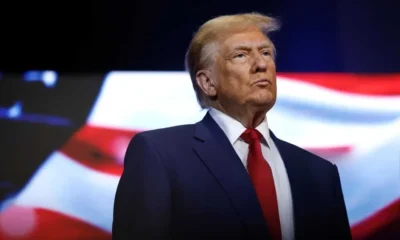
Trump’s handling of India ties a major mistake, says former Australia PM Tony Abbott
-
 India News8 hours ago
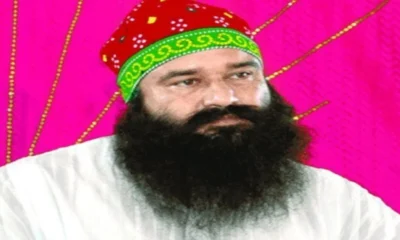
Gurmeet Ram Rahim acquitted in 2002 journalist Ram Chander Chhatrapati murder case
-
 Latest world news8 hours ago
India says it never depended on permission to import Russian oil
-
 India News5 hours ago
President Murmu questions tribal development in Bengal, Mamata Banerjee calls remarks political
