
Trending
Watch: Elderly man has tears of joy when surprised with a birthday cake by his colleagues
The Instagram video opens to show a woman holding a cake with burning candles placed on it.










India News
L Murugan quits Union ministry to strengthen BJP in Tamil Nadu
L Murugan has resigned from his Union ministerial post and Rajya Sabha membership, saying he wants to return to grassroots politics and dedicate himself to strengthening the BJP in Tamil Nadu before the 2029 Lok Sabha elections.


Cricket news
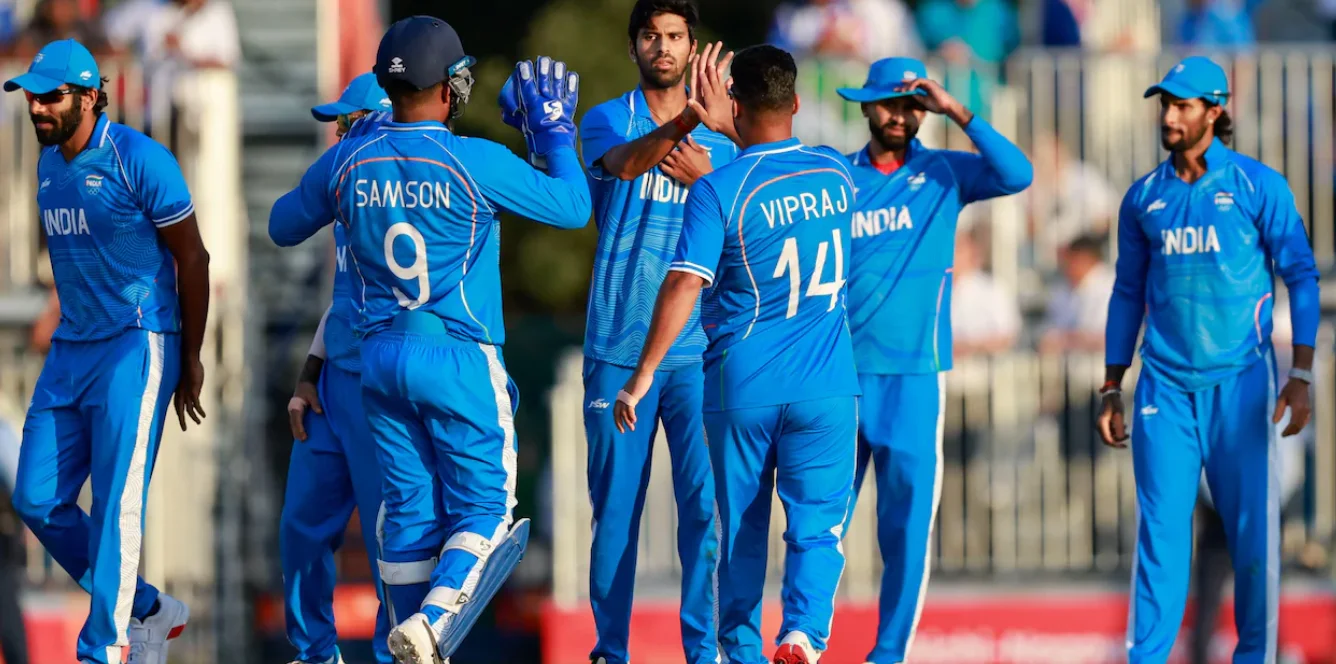
India beat Pakistan by 19 runs to win Asian Games cricket gold
India beat Pakistan by 19 runs in the Asian Games 2026 men’s cricket final to retain the gold medal in the competition.
Cricket news
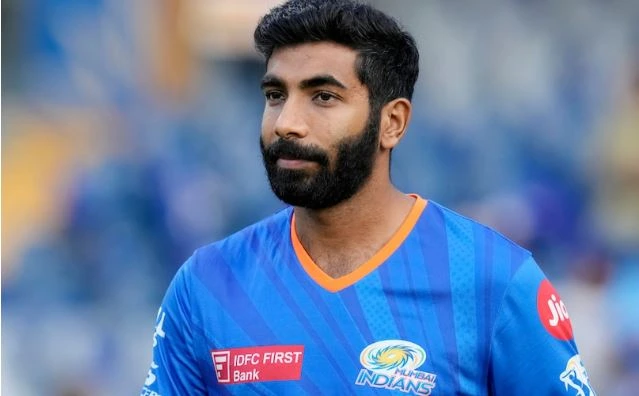
Jasprit Bumrah becomes first Indian to play T20Is in 13 countries
Jasprit Bumrah became the first Indian to play T20I cricket in 13 different countries after featuring against Sri Lanka in Japan.

CJP leaders Saurav Das, Ashutosh Ranka, Ajinkya Shinde sent to 5-day judicial custody

PM Modi speaks to Mark Carney as India and Canada push to strengthen ties

S Jaishankar says India is a natural option for Russia amid Europe tensions

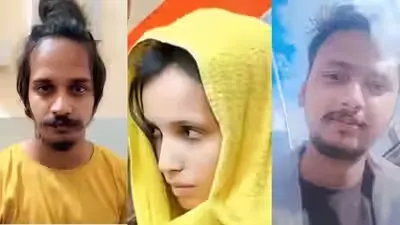
Meerut murder: Muskaan Rastogi and Sahil Shukla get death sentence

Rahul Gandhi joins India Gate protest by Ankita Bhandari’s parents

Supreme Court questions EC over missing records in Sringeri election dispute
Rahul Gandhi joins India Gate protest by Ankita Bhandari’s parents
Meerut murder: Muskaan Rastogi and Sahil Shukla get death sentence
PM Modi speaks to Mark Carney as India and Canada push to strengthen ties
S Jaishankar says India is a natural option for Russia amid Europe tensions

Afghan Men Try To Hang With The Jet Engine Of The Aircraft in Kabul- Afghanistan News – Kabul News
Trending Top 10 News: 10000 Crore Fine on Flipkart, Apple to Launch Unique Feature, Hdfc Bank Job Ad

Trending Top 10 News: Nokia 6310, Apple sales, Bachpan ka Pyar Video Kid, Dainik Bhaskar IT Raid

Trending Top 10 News: Canada bans Indian flights, Rain in Delhi NCR, AIMIM Twitter hacked, Raj Kundra case

Trending Top 10 News: Shein India, Apple New Service, Pocket Oxygen, Oppo Launched New Phone
-
 India News24 hours ago
CJP leaders Saurav Das, Ashutosh Ranka, Ajinkya Shinde sent to 5-day judicial custody
-
 India News23 hours ago
PM Modi speaks to Mark Carney as India and Canada push to strengthen ties
-
 Latest world news24 hours ago
S Jaishankar says India is a natural option for Russia amid Europe tensions
-
 India News13 hours ago
Meerut murder: Muskaan Rastogi and Sahil Shukla get death sentence
-
 India News12 hours ago
Rahul Gandhi joins India Gate protest by Ankita Bhandari’s parents
-
 India News12 hours ago
Supreme Court questions EC over missing records in Sringeri election dispute
