
Entertainment
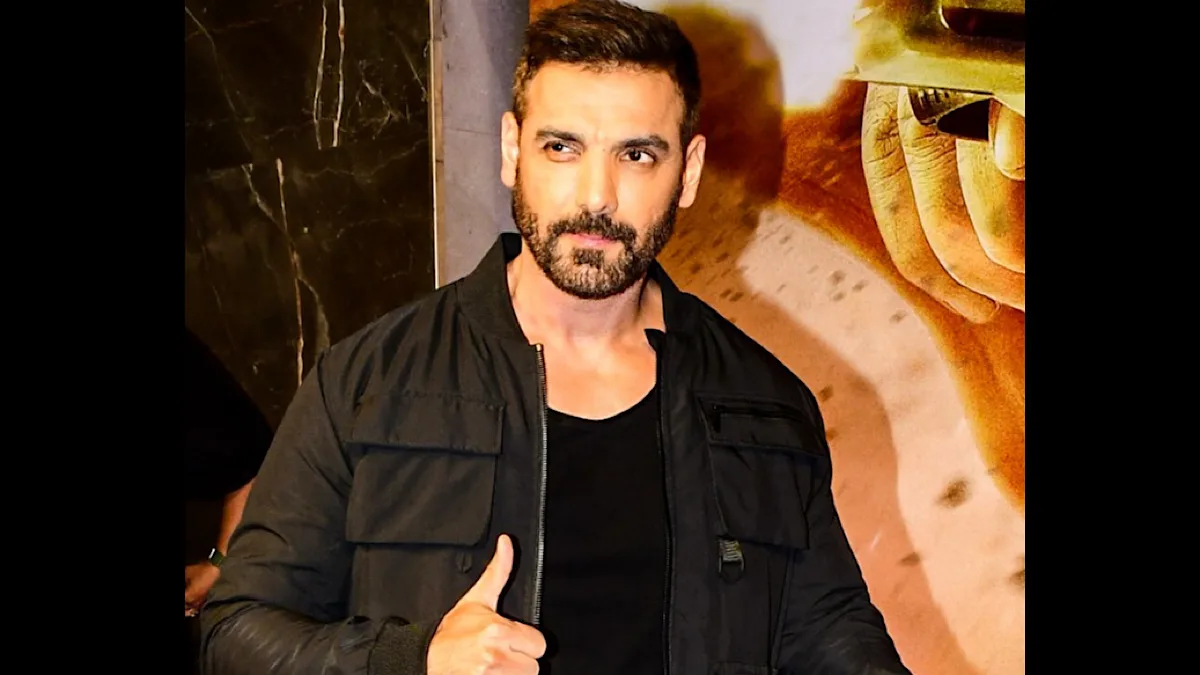
John Abraham says he will never make hyper nationalistic films like The Kashmir Files or Chhaava











Entertainment
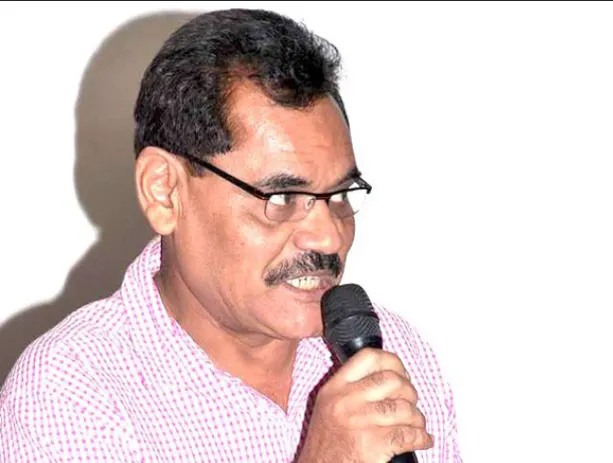
Veteran actor Mushtaq Khan, known for Welcome and Hera Pheri, dies at 56
Veteran actor Mushtaq Khan, known for his memorable supporting role in Welcome, has died at 56.

Entertainment
Deepika Padukone and Ranveer Singh welcome baby girl, their second child
Deepika Padukone and Ranveer Singh have welcomed their second child, a baby girl. The couple announced the birth on Instagram.

Entertainment
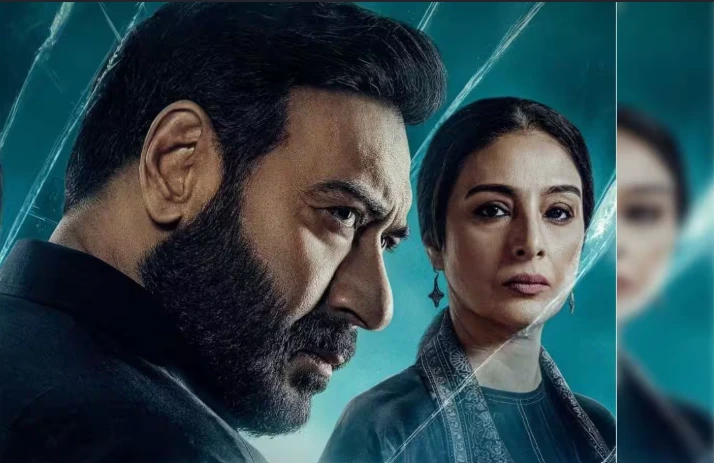
Drishyam 3 trailer: Ajay Devgn faces triple threat from Tabu, Jaideep Ahlawat and Prakash Raj
Drishyam: The Conclusion trailer brings back Ajay Devgn and Tabu, while Jaideep Ahlawat and Prakash Raj join the franchise in new roles.

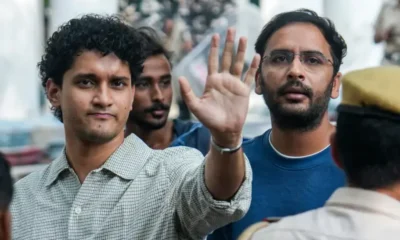
CJP claims Saurav Das, Ashutosh Ranka detained at Jantar Mantar

Supreme Court stays defamation case against Rahul Gandhi over PM Modi remarks

Rahul Gandhi hosts high tea for INDIA bloc after Gyanesh Kumar protests

L Murugan quits Union ministry to strengthen BJP in Tamil Nadu

Amit Shah attacks Rahul Gandhi over Congress poll losses, questions SIR row

S Jaishankar says India is a natural option for Russia amid Europe tensions

CJP leaders Saurav Das, Ashutosh Ranka, Ajinkya Shinde sent to 5-day judicial custody

BJP focuses on religion as opposition pushes BDM strategy in UP
L Murugan quits Union ministry to strengthen BJP in Tamil Nadu
Amit Shah attacks Rahul Gandhi over Congress poll losses, questions SIR row

Afghan Men Try To Hang With The Jet Engine Of The Aircraft in Kabul- Afghanistan News – Kabul News
Trending Top 10 News: 10000 Crore Fine on Flipkart, Apple to Launch Unique Feature, Hdfc Bank Job Ad

Trending Top 10 News: Nokia 6310, Apple sales, Bachpan ka Pyar Video Kid, Dainik Bhaskar IT Raid

Trending Top 10 News: Canada bans Indian flights, Rain in Delhi NCR, AIMIM Twitter hacked, Raj Kundra case

Trending Top 10 News: Shein India, Apple New Service, Pocket Oxygen, Oppo Launched New Phone
-
 India News23 hours ago
CJP claims Saurav Das, Ashutosh Ranka detained at Jantar Mantar
-
 India News21 hours ago
Supreme Court stays defamation case against Rahul Gandhi over PM Modi remarks
-
 India News13 hours ago
Rahul Gandhi hosts high tea for INDIA bloc after Gyanesh Kumar protests
-
 India News12 hours ago
L Murugan quits Union ministry to strengthen BJP in Tamil Nadu
-
 India News12 hours ago
Amit Shah attacks Rahul Gandhi over Congress poll losses, questions SIR row
-
 India News11 hours ago
BJP focuses on religion as opposition pushes BDM strategy in UP
-
 India News18 mins ago
CJP leaders Saurav Das, Ashutosh Ranka, Ajinkya Shinde sent to 5-day judicial custody
-
 Latest world news6 mins ago
S Jaishankar says India is a natural option for Russia amid Europe tensions
