Latest world news
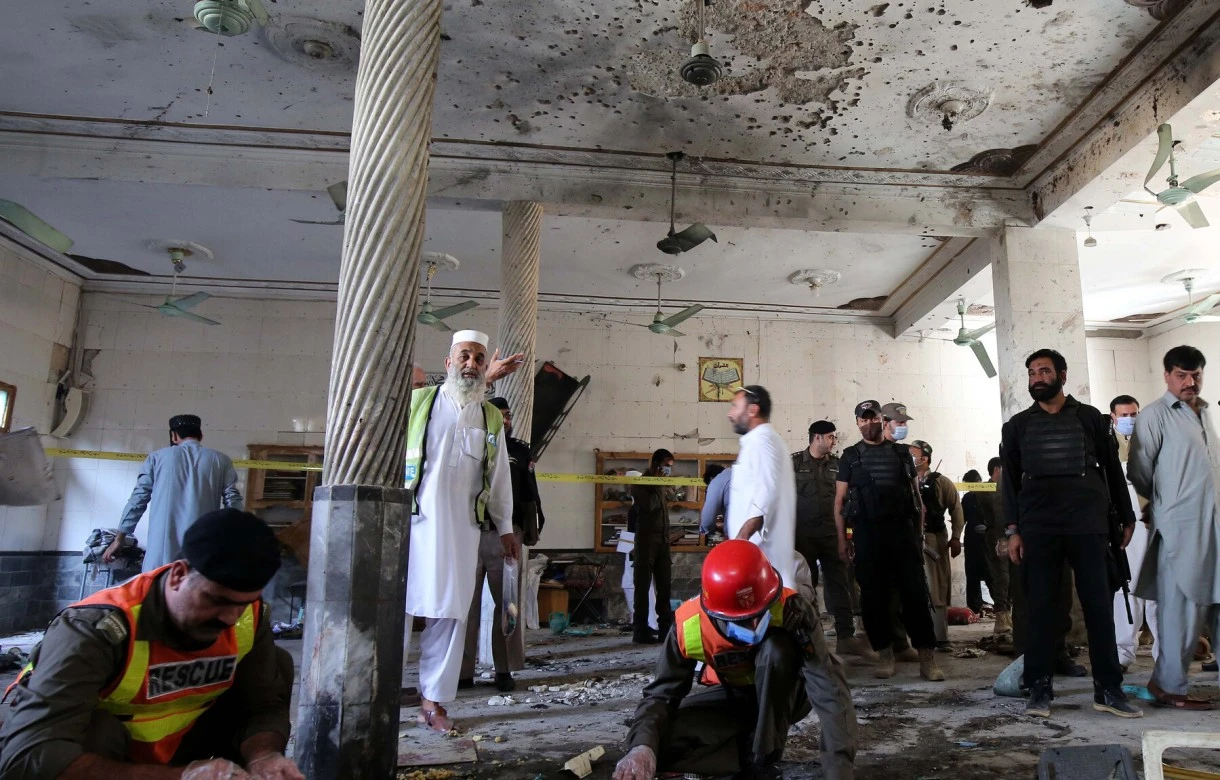
5 killed, several injured after bomb blast at Taliban religious school in Pakistan
The blast occurred in Akkora Khattak, a district in Khyber Pakhtunkhwa, as district police chief Abdul Rashid reported that authorities are currently investigating the incident, with casualties being transported to local hospitals.

Latest world news
Mojtaba Khamenei named Iran’s new supreme leader after death of Ali Khamenei
Iran’s Assembly of Experts has selected Mojtaba Khamenei as the country’s new supreme leader following the death of Ali Khamenei amid escalating regional conflict.


Latest world news
India says it never depended on permission to import Russian oil
India says it continues to import Russian oil based on competitive pricing and national interest, while energy supplies remain stable despite global tensions.

India News
Trump’s handling of India ties a major mistake, says former Australia PM Tony Abbott
Former Australian prime minister Tony Abbott says Donald Trump’s tariffs and engagement with Pakistan leadership unnecessarily strained relations with India.


India News21 hours ago
Mamata Banerjee questions PM Modi’s respect for President Murmu using 2024 photograph

LATEST SPORTS NEWS1 day ago
PM Modi praises Team India after historic T20 World Cup triumph

Cricket news1 day ago
India’s T20 World Cup triumph validates Gautam Gambhir’s approach, coach dedicates win to Dravid and Laxman

Latest world news1 day ago
Mojtaba Khamenei named Iran’s new supreme leader after death of Ali Khamenei

Cricket news1 day ago
India win record third T20 World Cup after thrashing New Zealand in 2026 final

RecommendedVideo5 years ago
Afghan Men Try To Hang With The Jet Engine Of The Aircraft in Kabul- Afghanistan News – Kabul News
videos5 years ago
Trending Top 10 News: 10000 Crore Fine on Flipkart, Apple to Launch Unique Feature, Hdfc Bank Job Ad

videos5 years ago
Trending Top 10 News: Nokia 6310, Apple sales, Bachpan ka Pyar Video Kid, Dainik Bhaskar IT Raid

videos5 years ago
Trending Top 10 News: Canada bans Indian flights, Rain in Delhi NCR, AIMIM Twitter hacked, Raj Kundra case

videos5 years ago