
Latest world news
President Rouhani condemns violence against police force


[vc_row][vc_column][vc_column_text]Now Darvish cult attacks on police force in Tehran
Iranian President Hassan Rouhani has strongly denounced the use of violence against the country’s police force, reacting to the deaths of five security personnel at the hands of the member of a Dervish cult.
In less than two months after a series of protests in different Iranian cities, Tehran has witnessed killing of five security personnel, including three policemen and two Basij volunteers in two different incidents on Monday night. The attacks came from the members of the Gonabadi Darvish cult.
While addressing a government meeting on Wednesday, President Rouhani condemned violence in all its forms, saying, “Violent behavior and insults against the police force, which is in charge of maintaining public order and security, will not be tolerated under any circumstances.”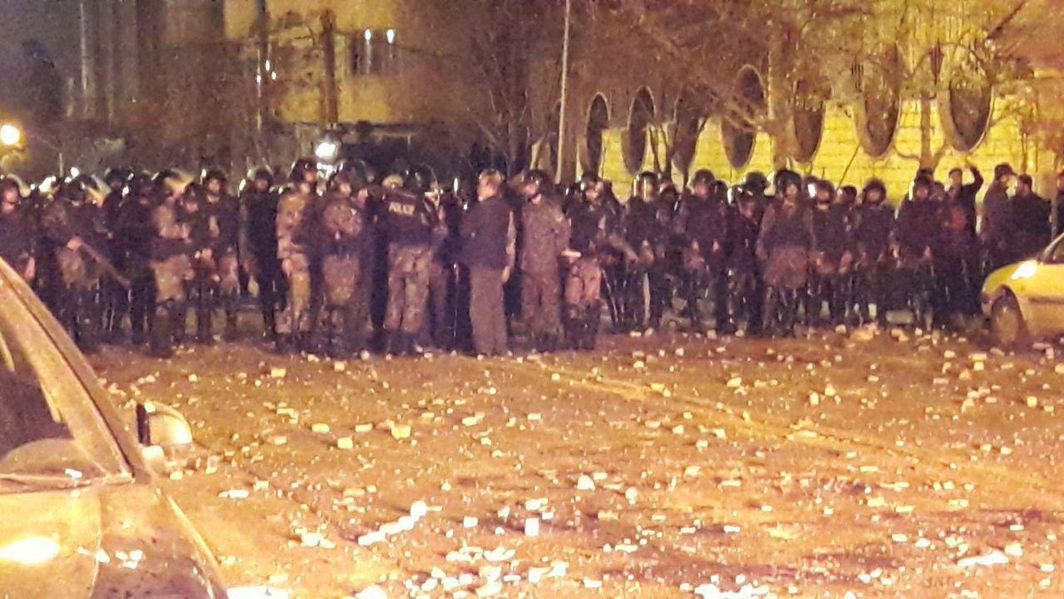
According to reports, the cult members engaged in clashes with ordinary people and police forces. One attacker ploughed a bus into a group of policemen, killing three of them. Two members of the Basij volunteer force lost their lives in separate car-ramming and stabbing attacks at the site.
Rouhani condoled with the victims’ families, and expressed gratitude to security forces, the Law Enforcement Force in particular, for their calculated management and maximum tolerance in the face of the attackers.
He tasked the responsible institutions with investigating the roots of such incidents, with the aim of reinforcing national integrity and unity.
The Gonabadi Darvish cult has its origin in Khorasan province and espouses Sufi ideology, known for their extreme poverty and austerity. The attacks on Iranian police force came at a time when western media has been exerting pressure to desert its ballistic missile program.
A series of public protests, occurred in various cities beginning on December 28, 2017, were triggered from Mashhad. Initially the protests were aimed against government economic policies and unemployment. But, protesters suddenly started shouting slogans against Tehran’s “involvement in the regional countries”. Six people were killed during the clashes with security forces.
At that time US President Donald Trump tweeted supporting the protesters.[/vc_column_text][/vc_column][/vc_row][vc_row][vc_column][vc_raw_html]JTIwJTNDYmxvY2txdW90ZSUyMGNsYXNzJTNEJTIydHdpdHRlci10d2VldCUyMiUyMGRhdGEtbGFuZyUzRCUyMmVuJTIyJTNFJTNDcCUyMGxhbmclM0QlMjJlbiUyMiUyMGRpciUzRCUyMmx0ciUyMiUzRUJpZyUyMHByb3Rlc3RzJTIwaW4lMjBJcmFuLiUyMFRoZSUyMHBlb3BsZSUyMGFyZSUyMGZpbmFsbHklMjBnZXR0aW5nJTIwd2lzZSUyMGFzJTIwdG8lMjBob3clMjB0aGVpciUyMG1vbmV5JTIwYW5kJTIwd2VhbHRoJTIwaXMlMjBiZWluZyUyMHN0b2xlbiUyMGFuZCUyMHNxdWFuZGVyZWQlMjBvbiUyMHRlcnJvcmlzbS4lMjBMb29rcyUyMGxpa2UlMjB0aGV5JTIwd2lsbCUyMG5vdCUyMHRha2UlMjBpdCUyMGFueSUyMGxvbmdlci4lMjBUaGUlMjBVU0ElMjBpcyUyMHdhdGNoaW5nJTIwdmVyeSUyMGNsb3NlbHklMjBmb3IlMjBodW1hbiUyMHJpZ2h0cyUyMHZpb2xhdGlvbnMlMjElM0MlMkZwJTNFJTI2bWRhc2glM0IlMjBEb25hbGQlMjBKLiUyMFRydW1wJTIwJTI4JTQwcmVhbERvbmFsZFRydW1wJTI5JTIwJTNDYSUyMGhyZWYlM0QlMjJodHRwcyUzQSUyRiUyRnR3aXR0ZXIuY29tJTJGcmVhbERvbmFsZFRydW1wJTJGc3RhdHVzJTJGOTQ3NDUzMTUyODA2Mjk3NjAwJTNGcmVmX3NyYyUzRHR3c3JjJTI1NUV0ZnclMjIlM0VEZWNlbWJlciUyMDMxJTJDJTIwMjAxNyUzQyUyRmElM0UlM0MlMkZibG9ja3F1b3RlJTNFJTBBJTNDc2NyaXB0JTIwYXN5bmMlMjBzcmMlM0QlMjJodHRwcyUzQSUyRiUyRnBsYXRmb3JtLnR3aXR0ZXIuY29tJTJGd2lkZ2V0cy5qcyUyMiUyMGNoYXJzZXQlM0QlMjJ1dGYtOCUyMiUzRSUzQyUyRnNjcmlwdCUzRSUwQQ==[/vc_raw_html][/vc_column][/vc_row]


Latest world news
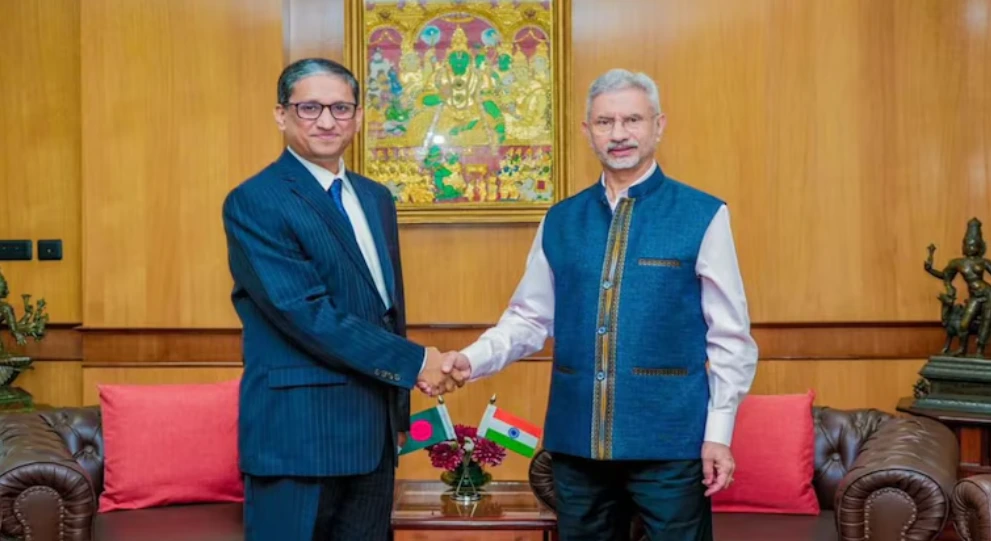
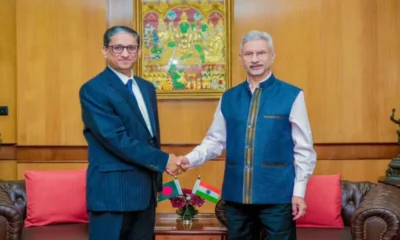
Bangladesh envoy meets S Jaishankar, Dhaka foreign minister may visit India in April
India and Bangladesh are stepping up diplomatic engagement as S Jaishankar meets envoy Riaz Hamidullah and discussions begin on a possible visit by Dhaka’s foreign minister.

Latest world news
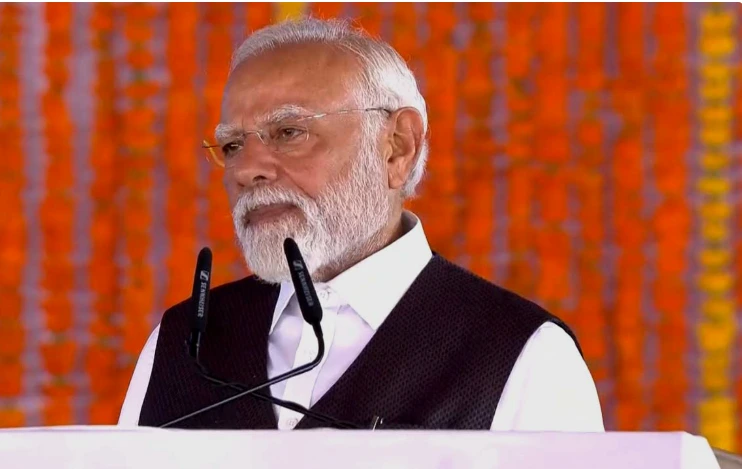
PM Modi speaks to Qatar, France, Jordan, Oman and Malaysia leaders on Middle East tensions
PM Modi held talks with leaders of five nations, stressing dialogue, condemning attacks on energy infrastructure and urging stability in the Middle East.
Latest world news
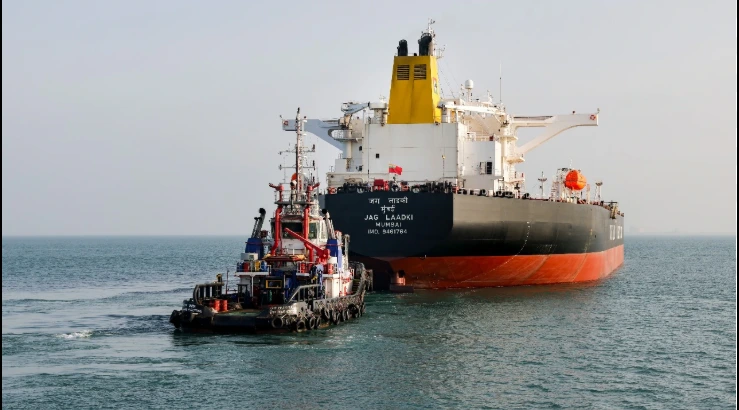
Russian oil tanker rerouted to India amid Middle East crisis, to reach Mangaluru on March 21
A Russian oil tanker bound for China has been diverted to India as Middle East tensions disrupt global energy supply chains.

Mamata Banerjee slams poll body over officials’ transfer, calls move unprecedented

PM Modi speaks to Qatar, France, Jordan, Oman and Malaysia leaders on Middle East tensions

Oppo K14 5G launched in India with 7000mAh battery, starts at Rs 17,999

AIADMK-BJP seat-sharing talks to be finalised soon, says Edappadi K Palaniswami after Amit Shah meet

Late-March western disturbance brings 1,000-km rain band across India, Pakistan and Afghanistan

Eid Mubarak 2026 wishes and greetings highlight joy and togetherness

Bangladesh envoy meets S Jaishankar, Dhaka foreign minister may visit India in April
Late-March western disturbance brings 1,000-km rain band across India, Pakistan and Afghanistan
Oppo K14 5G launched in India with 7000mAh battery, starts at Rs 17,999
Mamata Banerjee slams poll body over officials’ transfer, calls move unprecedented

Afghan Men Try To Hang With The Jet Engine Of The Aircraft in Kabul- Afghanistan News – Kabul News
Trending Top 10 News: 10000 Crore Fine on Flipkart, Apple to Launch Unique Feature, Hdfc Bank Job Ad

Trending Top 10 News: Nokia 6310, Apple sales, Bachpan ka Pyar Video Kid, Dainik Bhaskar IT Raid

Trending Top 10 News: Canada bans Indian flights, Rain in Delhi NCR, AIMIM Twitter hacked, Raj Kundra case

Trending Top 10 News: Shein India, Apple New Service, Pocket Oxygen, Oppo Launched New Phone
-
 India News13 hours ago
Mamata Banerjee slams poll body over officials’ transfer, calls move unprecedented
-
 Latest world news14 hours ago
PM Modi speaks to Qatar, France, Jordan, Oman and Malaysia leaders on Middle East tensions
-
 Gadgets13 hours ago
Oppo K14 5G launched in India with 7000mAh battery, starts at Rs 17,999
-
 India News14 hours ago
AIADMK-BJP seat-sharing talks to be finalised soon, says Edappadi K Palaniswami after Amit Shah meet
-
 India News8 hours ago
Late-March western disturbance brings 1,000-km rain band across India, Pakistan and Afghanistan
-
 Latest world news3 hours ago
Bangladesh envoy meets S Jaishankar, Dhaka foreign minister may visit India in April
-
 Festivals3 hours ago
Eid Mubarak 2026 wishes and greetings highlight joy and togetherness
