
Latest world news
Russian FM Sergei Lavrov meets Kim Jong-un in Pyongyang


Trump dealing with the summit with certain urgency, says North Korea Times
Amidst preparations for US President Donald Trump- North Korean leader Kim Jong-un June 12 Singapore summit at multiple locations, North Korean leader has received Russian foreign minister Sergey Lavrov in Pyongyang, the Russian Foreign Ministry said in a statement on Thursday.
According to Russian official TASS news agency, the statement said, “On May 31, Russian Foreign Minister Sergei Lavrov made an official visit to the Democratic People’s Republic of Korea and was received by Chairman of the State Affairs Commission Kim Jong-un.”
Russian foreign minister Sergei Lavrov met his North Korean counterpart and discussed bilateral relations. The official statement described the meeting saying, “The talks with North Korean Foreign Minister Ri Yong-ho discussed the current state of and the prospects for the further development of friendly relations and cooperation between Russia and North Korea, as the two countries celebrate the 70th anniversary of diplomatic relations this year.”
Read More: Trump criticise Russia for helping North Korea
“There was a thorough exchange of views on the situation surrounding the Korean Peninsula, with the focus on ways to enhance the coordination of efforts aimed at finding political and diplomatic solutions to the entire range of issues the sub-region has been facing,” the statement says.
North Korea’s official media outlet KCNA Watch has not revealed the details of Russian foreign minister Sergei Lavrov’s meetings in Pyongyang so far. It carried a small report about Lavrov laying a “floral basket before the statues of President Kim II sung and leader Kim Jong Il on Mansu Hill and paid tribute to them”.
Meanwhile The North Korean leader’s right-hand man and former spy chief Kim Yong-chol met US Secretary of State Mike Pompeo for a steak dinner at a Manhattan apartment in New York and discussed plans for a historic summit between the two leaders.
 The two senior functionaries of the respective governments will meet have two more meetings on Thursday.
Read More: Moscow calls row kindergarten fight, China reduces oil supply to North Korea
North Korean leader Kim Jong-un‘s top envoy reached New York on Wednesday. The 72-year-old Kim Yong chol is known as one of the most powerful people in Pyongyang. He also played key role in holding recent historic summit between Kim Jong-un and his South Korean counterpart Moon Jae-in. The two leaders met second time within a month at the demilitarized zone last week.
North Korea Times reports from Washington reports that “after cancelling the potentially historic summit with Kim Jong-un, the US president Donald Trump is now dealing with the summit with certain urgency”. He has dispatched his administration officials across Asia, and a team of US negotiators have also been posted along the Korean Demilitarized Zone for talks with officials from North Korea.
The Pyongyang based daily further reports that “A large advance team led by deputy White House chief of staff Joe Hagin arrived in Singapore late on Monday to make logistical preparations for the summit and the arrival of a corresponding team from Pyongyang is now expected”.
According to reports Trump has been pressing his advisors to move ahead with the goal of making the June 12 meeting possible, despite concerns among top national security staff that there isn’t enough time to prepare.









Latest world news
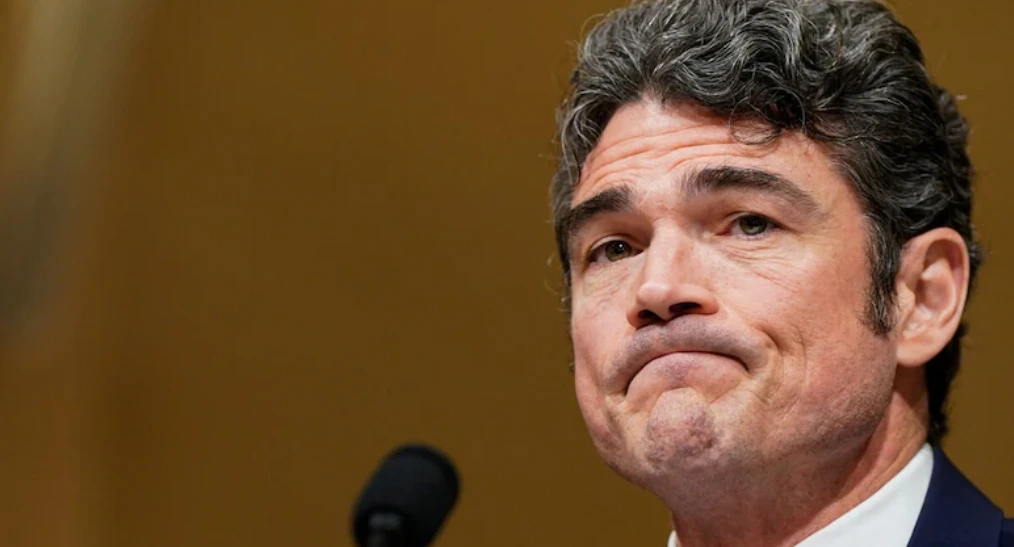
Top US counterterrorism official resigns over Iran war, cites conscience
Joseph Kent steps down as US counterterrorism chief, questioning the justification for the Iran war and citing moral concerns.

Latest world news
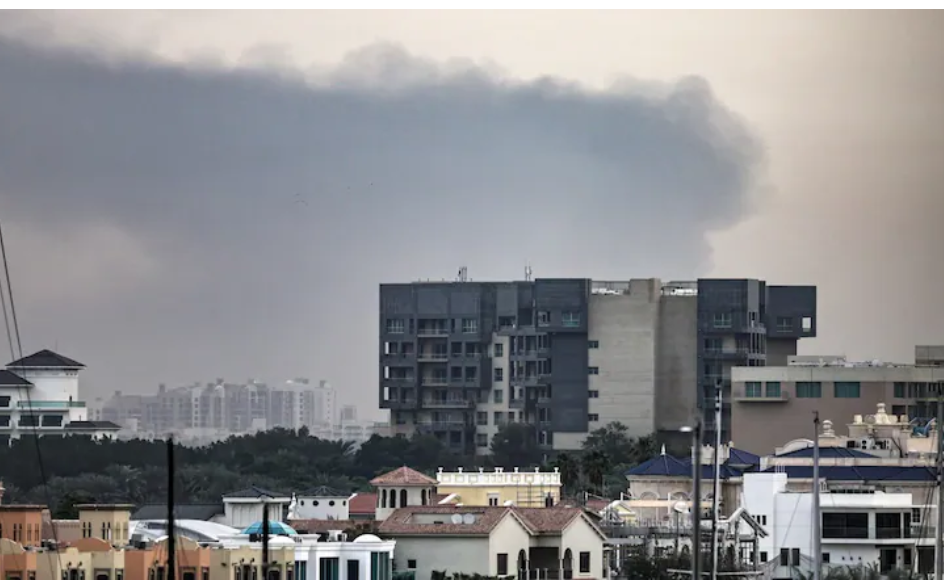
Fire near Dubai International Airport after drone incident, flights temporarily suspended
Flights at Dubai International Airport were temporarily suspended after a drone-related incident caused a fuel tank fire near the facility. Authorities confirmed the blaze was contained and no injuries were reported.

Latest world news
Dubai hit again within 24 hours as debris strikes building, drone targets US embassy in Baghdad
A building in Dubai’s financial hub was struck by debris from an intercepted attack while a drone targeted the US embassy in Baghdad, officials said.

Om Birla likely to move motion to revoke suspension of 8 opposition MPs today

Pakistan airstrike allegations on Kabul hospital leave hundreds dead, claims Taliban

Mamata Banerjee writes to poll chief over officers’ reshuffle, calls move arbitrary

Maharashtra passes freedom of religion bill with jail term up to 10 years

Centre assures action on LPG supply disruption, court closes distributors’ plea

Top US counterterrorism official resigns over Iran war, cites conscience

Mamata Banerjee warns BJP, EC over Bengal polls, says they will be accountable
Centre assures action on LPG supply disruption, court closes distributors’ plea
Om Birla likely to move motion to revoke suspension of 8 opposition MPs today
Maharashtra passes freedom of religion bill with jail term up to 10 years

Afghan Men Try To Hang With The Jet Engine Of The Aircraft in Kabul- Afghanistan News – Kabul News
Trending Top 10 News: 10000 Crore Fine on Flipkart, Apple to Launch Unique Feature, Hdfc Bank Job Ad

Trending Top 10 News: Nokia 6310, Apple sales, Bachpan ka Pyar Video Kid, Dainik Bhaskar IT Raid

Trending Top 10 News: Canada bans Indian flights, Rain in Delhi NCR, AIMIM Twitter hacked, Raj Kundra case

Trending Top 10 News: Shein India, Apple New Service, Pocket Oxygen, Oppo Launched New Phone
-
 India News21 hours ago
Om Birla likely to move motion to revoke suspension of 8 opposition MPs today
-
 India News23 hours ago
Pakistan airstrike allegations on Kabul hospital leave hundreds dead, claims Taliban
-
 India News22 hours ago
Mamata Banerjee writes to poll chief over officers’ reshuffle, calls move arbitrary
-
 India News22 hours ago
Maharashtra passes freedom of religion bill with jail term up to 10 years
-
India News13 hours ago
Centre assures action on LPG supply disruption, court closes distributors’ plea
-
 India News11 hours ago
Mamata Banerjee warns BJP, EC over Bengal polls, says they will be accountable
-
 Latest world news11 hours ago
Top US counterterrorism official resigns over Iran war, cites conscience
