
Latest world news
Saudi Arabia and UAE were about to attack Qatar


Rex Tillerson asked the two countries to avoid crisis
Saudi Arabia and UAE were planning to attack Qatar last year after severing their ties with the tiny Arab nation which led to its blockade. However, former Secretary of State Rex Tillerson asked the two countries not to go ahead for the operation.
According to Intercept, an online investigative news publication dedicated to “adversarial journalism,” the plot was largely devised by Saudi Arabia’s Crown Prince Mohammed bin-Salman and his UAE’s counterpart Mohammed bin Zayed, involved Saudi ground troops entering Qatar, and with support from UAE army, advancing 100 kms inland and seizing Doha, the capital of the country.
According to a US intelligence official, Qatari intelligence agents inside Saudi Arabia caught wind of the plot in the summer of 2017. US and UK intelligence services confirmed about the plot several months later, the report said.

Robert Malley, the CEO of the Crisis Group and former advisor on Middle East issues to former President Barack Obama, said that since the summer of 2017, Qatari officials had been telling him that their country was under the threat of invasion.
Read More: Saudi Arabia, UAE, Bahrain and Egypt snap ties with Qatar
He said, “There is little doubt that senior Qatari officials with whom I spoke were convinced — or at least acted as if they were convinced — that Saudi Arabia and the UAE had been planning a military attack on their country that was halted as a result of US intervention.”
According to Qatar based Aljazeera, Saudi Arabia and UAE were stopped from launching a military operation by former US Secretary of State Rex Tillerson in an act that may have played a key role in his dismissal.
The investigative news website said that attack against Qatar’s emir, Sheikh Tamim bin Hamad Al Thani, would have involved Saudi forces circumventing the Al-Udeid Air Base, which is home of the US Air Force Central Command and some 10,000 American troops, and seizing Doha.

Read More: Qatar’s emir: Saudi Arabia want “regime change”
The Al-Udeid Air Base is a military base southwest of Doha, which is also known as Abu Nakhlah Airport, serves as one of the US’ most important overseas military bases and carries out operations throughout Middle East.
According to report Rex Tilerson had reportedly urged Saudi Arabia’s King Salman not to carry out the attack and also encouraged Defense Secretary James Mattis to explain the dangers of such an invasion to his counterpart in the kingdom.
According to Aljazeera, pressure from Tillerson caused Saudi Arabia’s Crown Prince Mohammed bin Salman to back down, who was concerned that invasion on Qatar would damage long term ties between Riyadh and Washington.
Read More: Trump calls Saudi Arabia to resolve Qatar crisis
However, this enraged UAE’s Crown Prince and its de facto ruler Mohammed bin Zayed who subsequently lobbied in the White House for Tillerson’s removal. One source said that the timing of Tillerson’s removal- a week before Saudi Crown Prince arrival in Washington for a much publicized visit was significant.

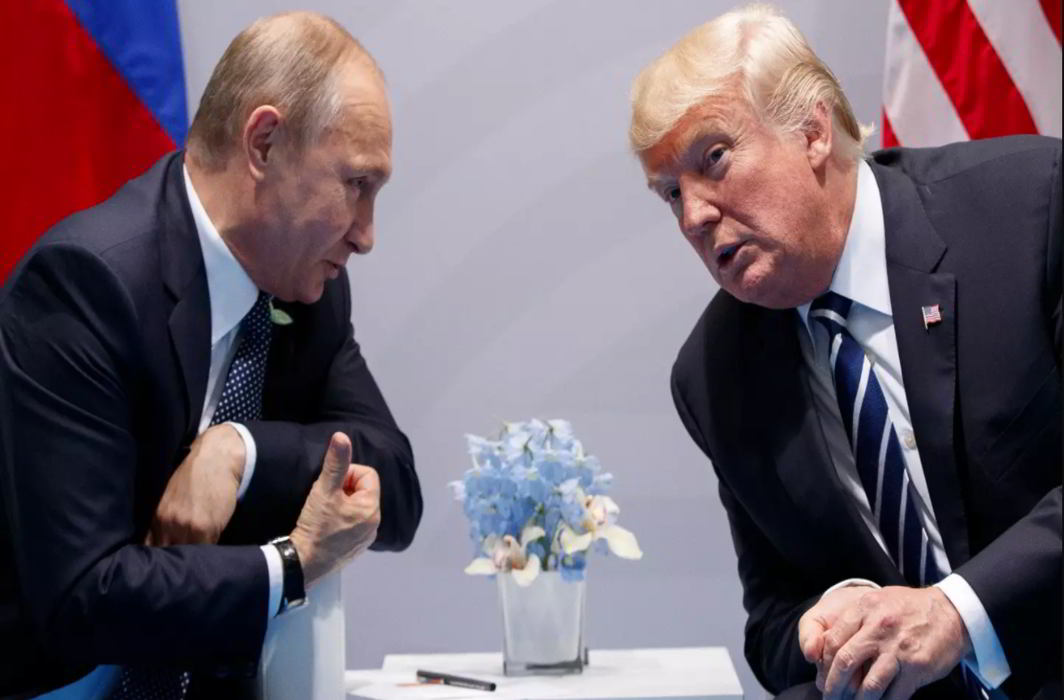
According a report, Tillerson was frustrated with President Donald Trump for endorsing Qatar’s blockade, with his aides suspecting that a line in the president’s speech where Doha was accused of funding terrorism at a “very high level” had been written by UAE’s ambassador to US Yousef al-Otaiba, who has been reportedly in constant touch with Trump’s son-in-law Jared Kushner.
On June 2017, Saudi Arabia, Bahrain, UAE and Egypt suddenly announced severing ties with Qatar alleging Doha of supporting terrorist groups and creating upheavals in the regional countries. Later 13-point charter of demands was made public which included severing ties with Iran and shutting down Turkish military base and Aljazeera news network.
Qatar denied allegations and rejected Saudi-led quartet for violation of its sovereignty and national integrity.









Latest world news
Magnitude 7 earthquake strikes Tibet after floods
A magnitude 7 earthquake struck northern Tibet on Thursday, October 22. The tremor came weeks after deadly flash floods and landslides hit the mountainous region near the Nepal-China border. Initial reports did not confirm casualties or damage from the earthquake.


Latest world news
Macron rejects Trump’s immigration claims over France riots
French President Emmanuel Macron criticised Donald Trump and other foreign leaders over their comments on France’s recent unrest. Macron rejected claims that the country was being overrun by migrants and Islamists, calling such assertions false.

Latest world news
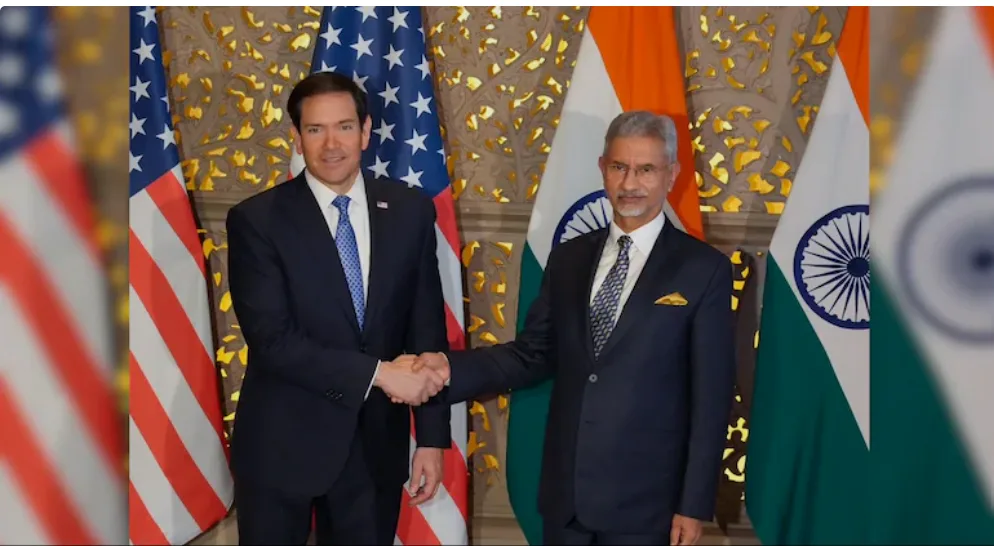
Marco Rubio says India and US share extraordinary alignment on key issues
US Secretary of State Marco Rubio said India and the United States share an extraordinary alignment on core issues, even though disagreements between the two countries may arise.

Punjab strike hits public services as 3 lakh employees and roadways workers protest

Two election commissioners complained against senior poll officer, RTI reveals

Om Prakash Mathur sworn in as Keralam Governor

PM Modi to inaugurate Rs 169-crore RBI data centre in Odisha on October 25

Delhi High Court rejects Neha Bora’s plea against peace bond notice

MEA responds after ITBP chief flags ongoing face-offs with China in Arunachal
Delhi High Court rejects Neha Bora’s plea against peace bond notice
PM Modi to inaugurate Rs 169-crore RBI data centre in Odisha on October 25
Om Prakash Mathur sworn in as Keralam Governor
Two election commissioners complained against senior poll officer, RTI reveals

Afghan Men Try To Hang With The Jet Engine Of The Aircraft in Kabul- Afghanistan News – Kabul News
Trending Top 10 News: 10000 Crore Fine on Flipkart, Apple to Launch Unique Feature, Hdfc Bank Job Ad

Trending Top 10 News: Nokia 6310, Apple sales, Bachpan ka Pyar Video Kid, Dainik Bhaskar IT Raid

Trending Top 10 News: Canada bans Indian flights, Rain in Delhi NCR, AIMIM Twitter hacked, Raj Kundra case

Trending Top 10 News: Shein India, Apple New Service, Pocket Oxygen, Oppo Launched New Phone
-
 India News14 hours ago
Punjab strike hits public services as 3 lakh employees and roadways workers protest
-
 India News13 hours ago
Two election commissioners complained against senior poll officer, RTI reveals
-
 India News3 hours ago
Om Prakash Mathur sworn in as Keralam Governor
-
 India News2 hours ago
PM Modi to inaugurate Rs 169-crore RBI data centre in Odisha on October 25
-
 India News57 mins ago
Delhi High Court rejects Neha Bora’s plea against peace bond notice
-
 India News29 mins ago
MEA responds after ITBP chief flags ongoing face-offs with China in Arunachal
