
India News
Election Laws (Amendment) Bill 2021: What are its key features? Is it mandatory to link Aadhaar with Voter ID card? | All Explained
The Election Laws (Amendment) Bill, 2021 was passed on Monday in Lok Sabha. The electoral commission has been pushing for the voluntary connection of Aadhaar with Voter ID since 2015.

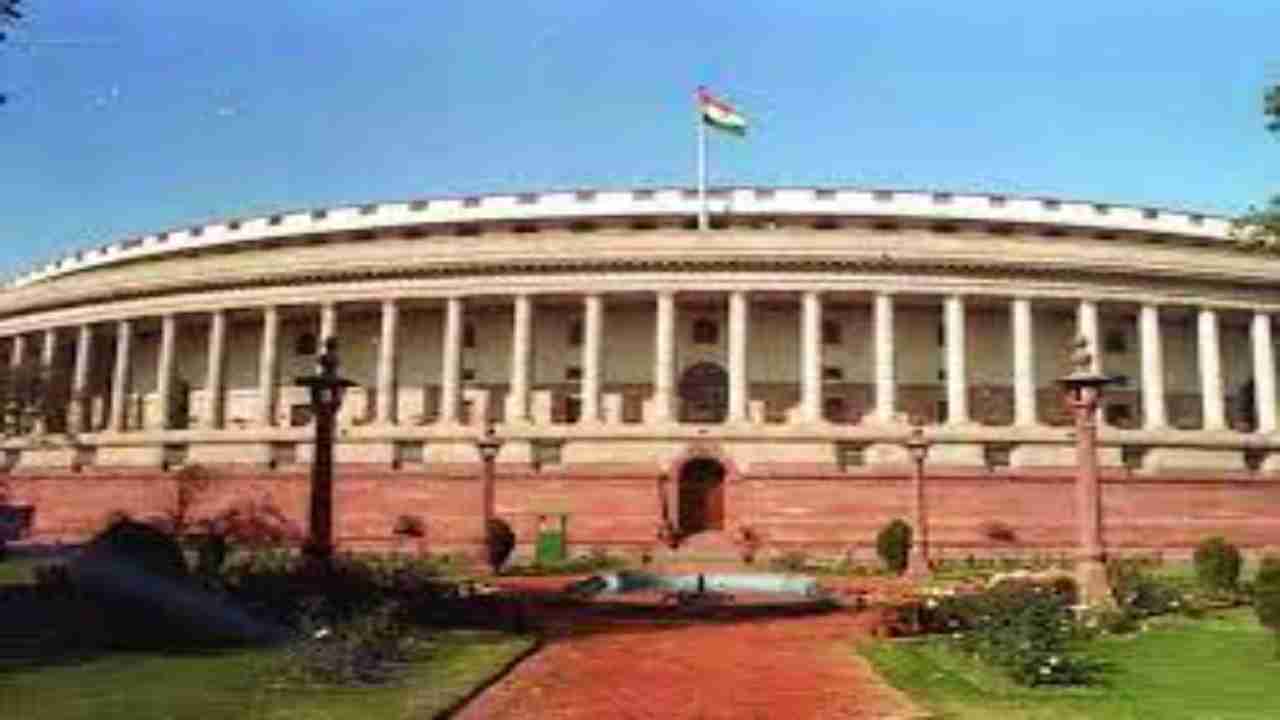
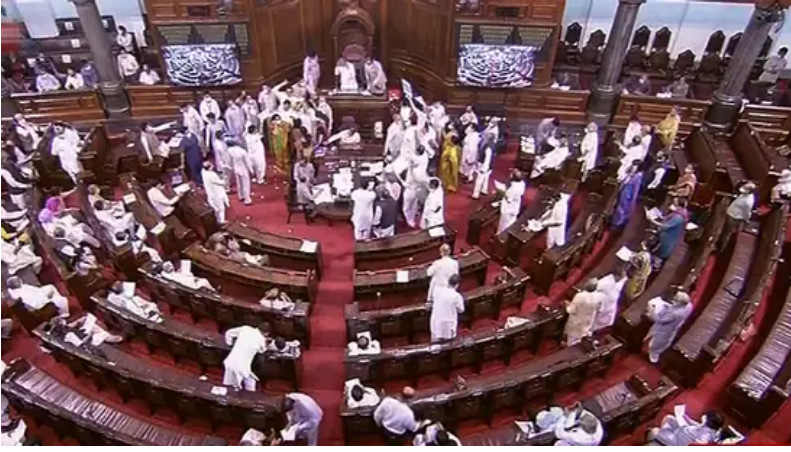
The Election Laws (Amendment) Bill, 2021 was passed on Monday in Lok Sabha. The law that seeks changes of four electoral reforms, including linking of Aadhaar cards with voter ID cards was passed in the Lok Sabha amid a ruckus with Opposition members fiercely condemning the bill and urging the government to withdraw it.
What are the key features of the Election Laws (Amendment) Bill, 2021?
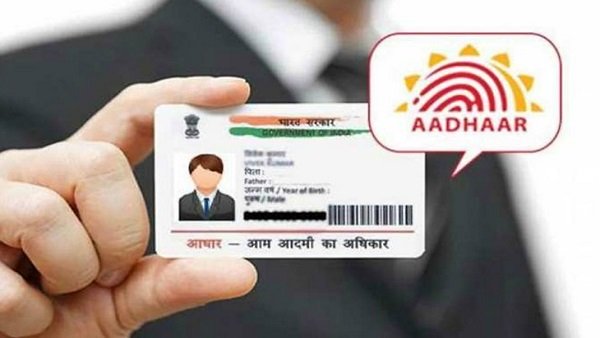
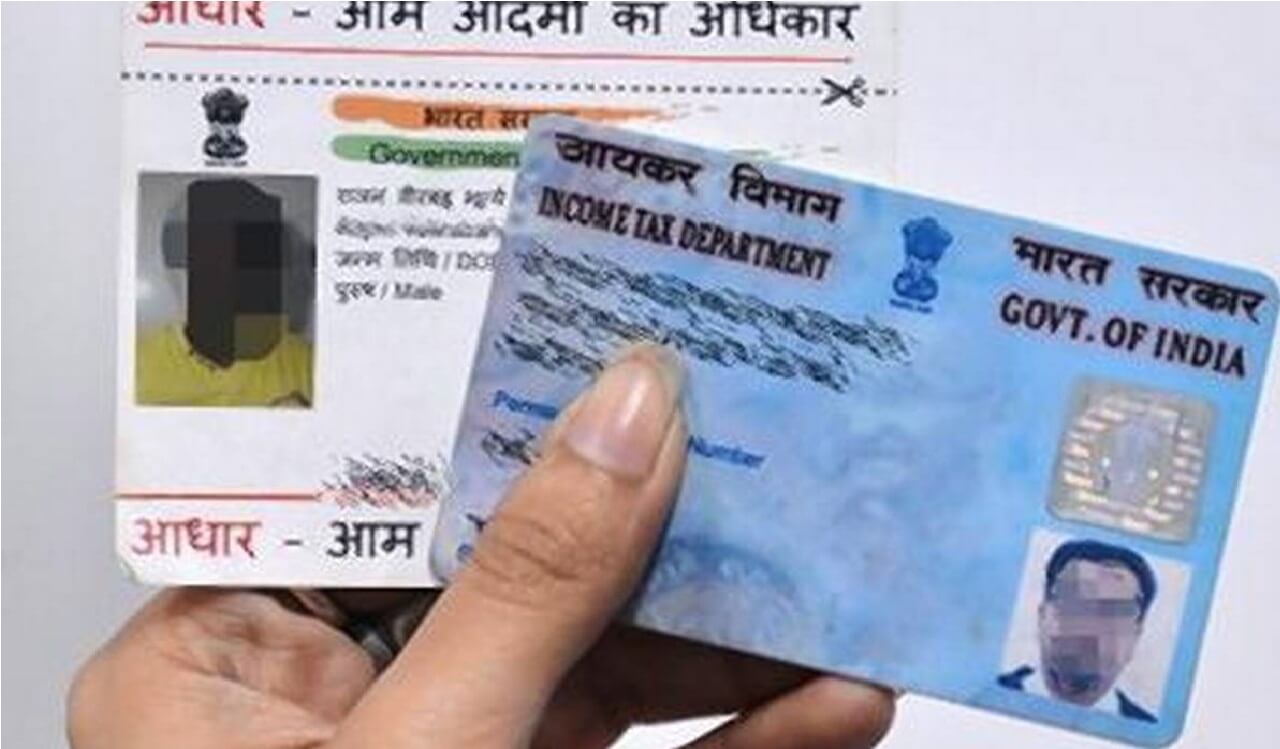
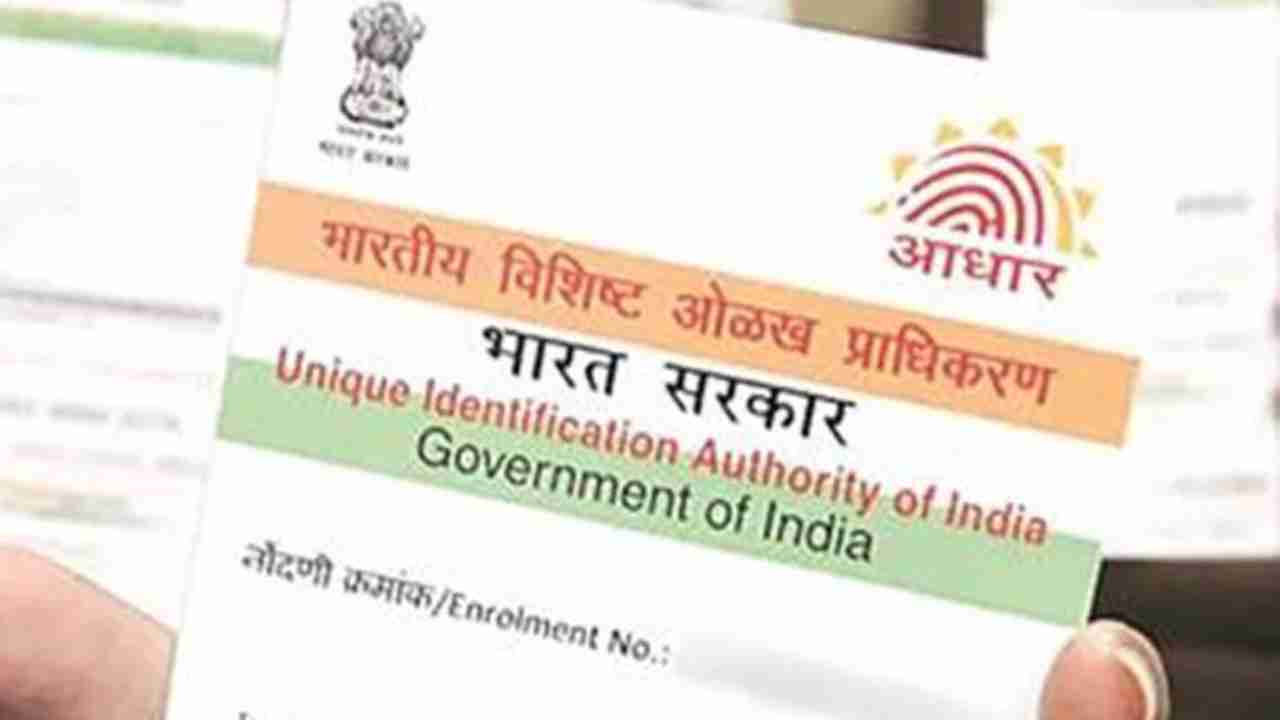
- Firstly, the bill seeks to propose a voluntary link between the electoral roll and the Aadhaar card in order to eliminate double enrolments. Once enacted, electoral registration authorities would be able to ask for the Aadhaar number of anyone who wishes to register as a voter. To verify the identification, officials would ask for the Aadhaar card number.
The bill also proposes allowing electoral registration authorities to request Aadhaar numbers from people already on the electoral record. This will be done to verify the entries in the electoral register, as well as to identify the registration of the same person’s name in the electoral roll of more than one constituency or the registration of the same name in the same constituency more than once.
- Secondly, the system requires voters to wait a year to use their voting rights if they were unable to register on January 1st (of the year of revision of electoral roll). With the passing of the electoral reform, there will be four options to register to vote each year. As of now, January 1 of every year is the sole qualifying date. The qualifying dates for the production or modification of electoral rolls will henceforth be the first day of January, the first day of April, the first day of July, and the first day of October of a calendar year.
- Thirdly, the bill proposes to change the word wife to spouse in order to gender-neutralize the 1951 Representation of the People Act. According to the electoral law, an Army officer’s wife is eligible to register as a service voter, but her husband is not. This will change now that wife has been substituted with spouse.
- Lastly, the bill gives the officials all the authority they need to take over any place for electoral purposes. Taking control of schools and other critical institutions during election season was met with some opposition.
Is it mandatory to link the Aadhaar card with the Voter ID card?
The electoral commission has been pushing for the voluntary connection of Aadhaar with Voter ID since 2015. As a result, the National Electoral Law Purification and Authentication Programme was established to link the Aadhaar number to the voter ID number. However, the EC’s attempt to connect UIDAI (Aadhaar) numbers with voters’ electoral data to check for repeated entries in electoral registers has been halted due to a Supreme Court order.
The Supreme Court decided that the collection of Aadhaar numbers requires legislative approval, thus the commission proposed modifications to election legislation. If approved by Parliament, linking electoral ID with Aadhaar might become mandatory.


India News
Centre sends 3 letters to Punjab government after anti-drug activist’s killing
The Centre has sought reports from the Punjab government on three incidents linked to allegations surrounding drug-related activities, including the killing of anti-drug activist Parvinder Singh Jhota.

India News
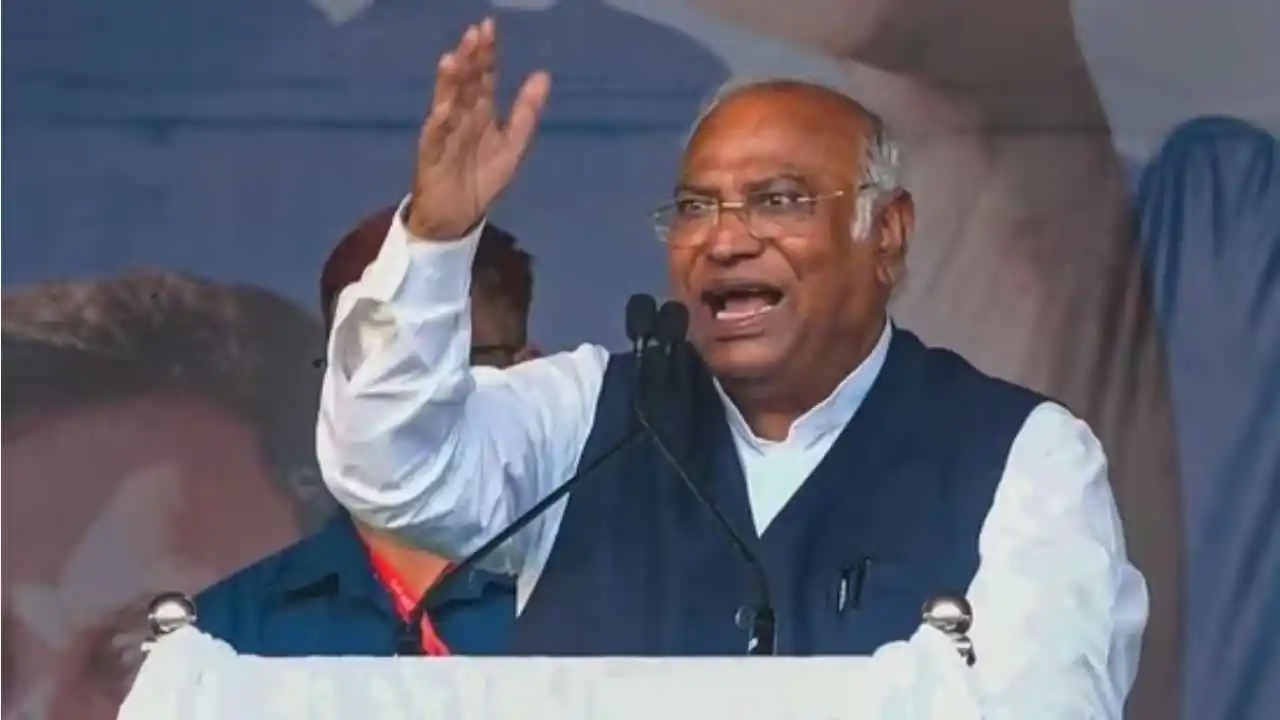
Mallikarjun Kharge seeks all-party meeting with PM Modi on delimitation
Congress president Mallikarjun Kharge has written to Prime Minister Narendra Modi for the fourth time, seeking an all-party meeting on delimitation. He also flagged the 64-day delay in proroguing Parliament’s Monsoon Session.
India News
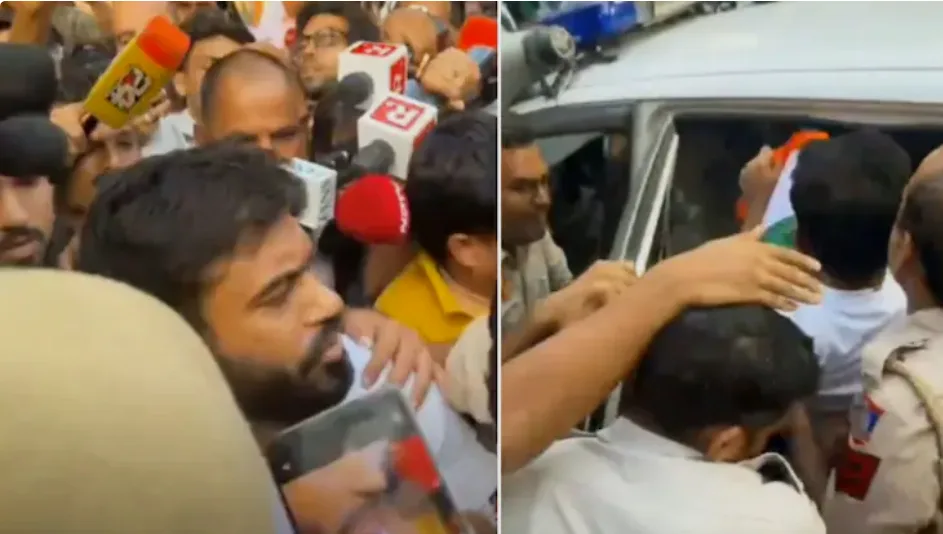
Abhijeet Dipke detained ahead of CJP’s national flag march in Delhi
Cockroach Janta Party founder Abhijeet Dipke was detained by Delhi Police on October 16, 2026, shortly before a planned national flag march. The proposed rally followed the judicial custody of two CJP members who had waved the Tricolour at Jantar Mantar.

Magnitude 7 earthquake strikes Russia’s Kamchatka Peninsula

Mallikarjun Kharge’s ‘Your Friends’ jab at Rahul Gandhi over congress exits

Delhi deploys 25,000 personnel, installs CCTV cameras ahead of CJP march

Abhijeet Dipke detained ahead of CJP’s national flag march in Delhi

Mallikarjun Kharge seeks all-party meeting with PM Modi on delimitation

Centre sends 3 letters to Punjab government after anti-drug activist’s killing
Mallikarjun Kharge seeks all-party meeting with PM Modi on delimitation
Abhijeet Dipke detained ahead of CJP’s national flag march in Delhi
Magnitude 7 earthquake strikes Russia’s Kamchatka Peninsula
Delhi deploys 25,000 personnel, installs CCTV cameras ahead of CJP march

Afghan Men Try To Hang With The Jet Engine Of The Aircraft in Kabul- Afghanistan News – Kabul News
Trending Top 10 News: 10000 Crore Fine on Flipkart, Apple to Launch Unique Feature, Hdfc Bank Job Ad

Trending Top 10 News: Nokia 6310, Apple sales, Bachpan ka Pyar Video Kid, Dainik Bhaskar IT Raid

Trending Top 10 News: Canada bans Indian flights, Rain in Delhi NCR, AIMIM Twitter hacked, Raj Kundra case

Trending Top 10 News: Shein India, Apple New Service, Pocket Oxygen, Oppo Launched New Phone
-
 Latest world news15 hours ago
Magnitude 7 earthquake strikes Russia’s Kamchatka Peninsula
-
 India News16 hours ago
Mallikarjun Kharge’s ‘Your Friends’ jab at Rahul Gandhi over congress exits
-
 India News15 hours ago
Delhi deploys 25,000 personnel, installs CCTV cameras ahead of CJP march
-
 India News6 hours ago
Abhijeet Dipke detained ahead of CJP’s national flag march in Delhi
-
 India News5 hours ago
Mallikarjun Kharge seeks all-party meeting with PM Modi on delimitation
-
 India News4 hours ago
Centre sends 3 letters to Punjab government after anti-drug activist’s killing
