English हिन्दी
Connect with us

Top Stories

Tina Dabi: Why is she famous?

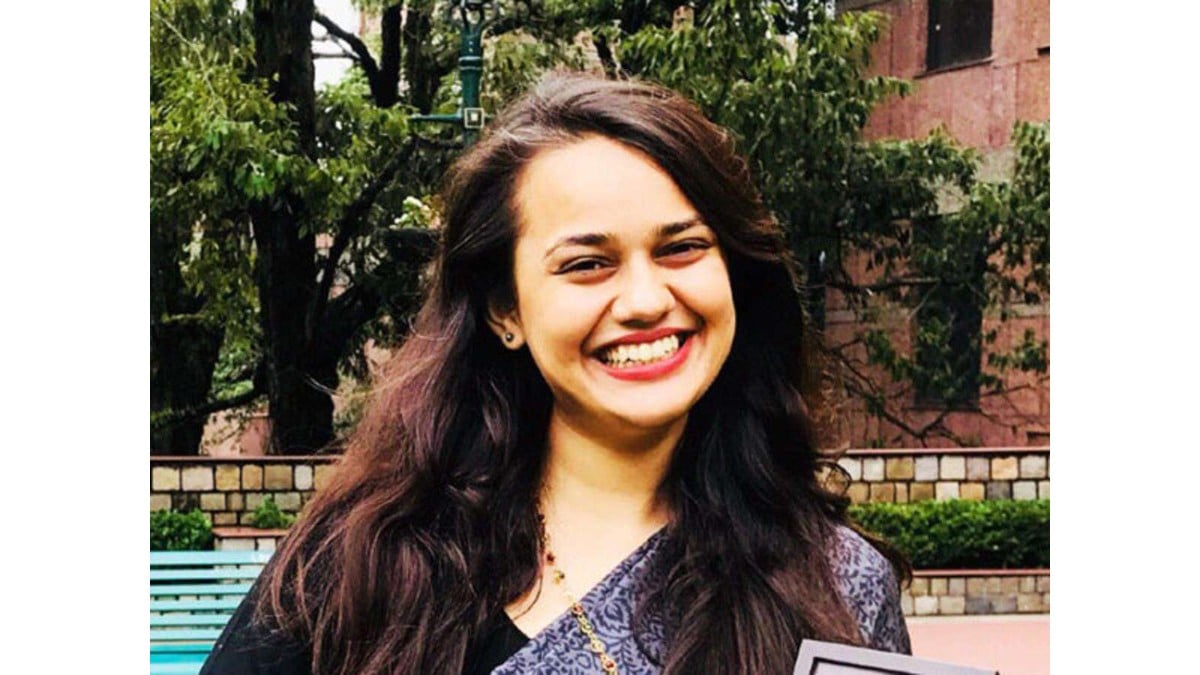
Tina Dabi is an IAS officer from the 2016 Rajasthan cadre. Tina is currently posted as the Joint Secretary of Finance to the Government of Rajasthan.

Published

on

IAS officer Tina Dabi

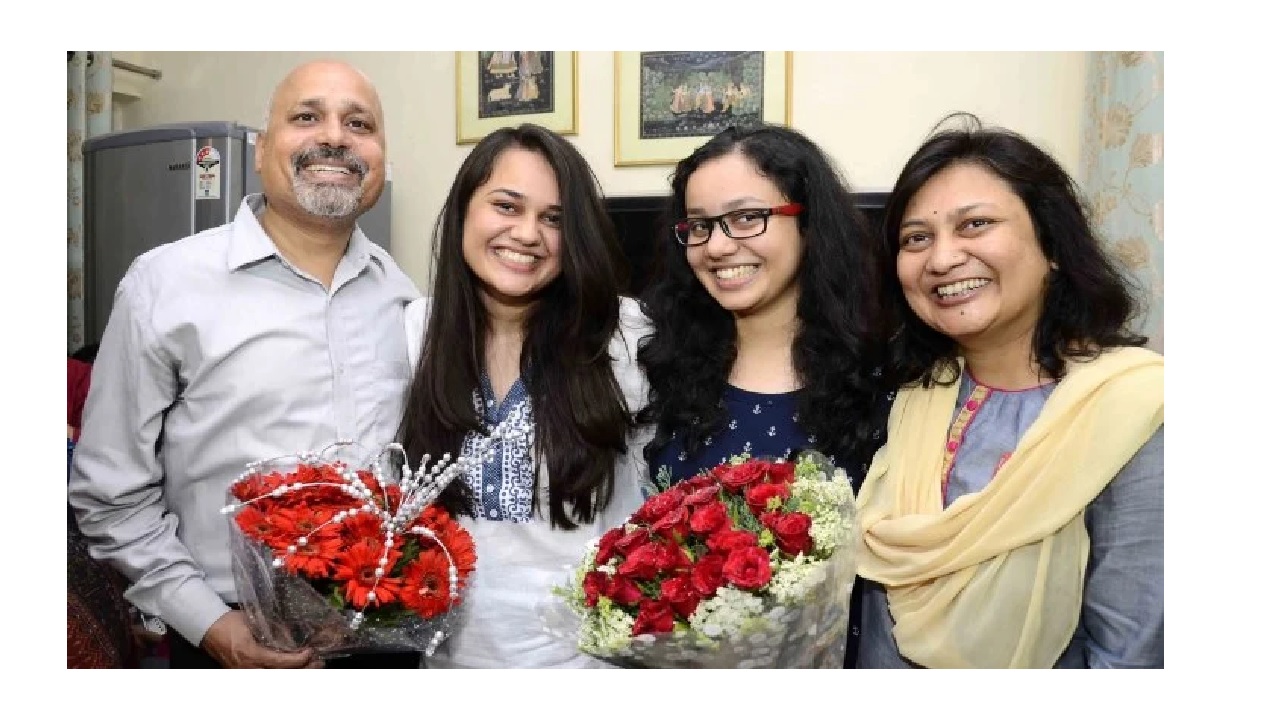
Does Tina Dabi need an introduction? Tina Dabi is an IAS officer from the 2016 Rajasthan cadre. Tina is currently posted as the Joint Secretary of Finance to the Government of Rajasthan. She was born on November 9, 1993, in Bhopal, Madhya Pradesh to Jaswant Dabi and Himani Dabi.

The 28-year-old is an alumna of Convent of Jesus and Mary, New Delhi, and Lady Shri Ram College for Women, New Delhi. She scored 100 percent marks in History and Political Science in the Class 12 ICSE examination and holds a Bachelor’s degree in Political Science.

Why is Tina Dabi famous?

  1. First Dalit to top UPSC Exam

Tina Dabi has set the record for becoming the first person from the Dalit community to top the prestigious civil services examination in 2015 and that too without using the SC card.

  1. Tina Dabi’s first marriage

Tina Dabi and Athar Aamir Khan met in 2015 at the IAS felicitation ceremony at the DoPT office in Delhi. During their training at LBSNAA (Lal Bahadur Shastri National Academy Of Administration), the couple fell in love with each other and married on 20 March 2018 in a court marriage in Jaipur Rajasthan. Khan had stood second in the UPSC examination the same year as Dabi.

Read Also: Who is IAS officer Tina Dabi’s fiancé Pradeep Gawande?

  1. Tina Dabi and Athar Aamir Khan divorce

Tina Dabi and Athar Aamir Khan got married in 2018 but their marriage didn’t last long and they filed for divorce in 2020 due to irreconcilable differences. Their divorce was finalized in August 2021 after an order passed by a Jaipur court.

  1. Tina Dabi’s sister Ria Dabi

Ria Dabi’s selection in UPSC CSE 2020 with an AIR 15 has proven the Dabi family’s ingenuity to the rest of the globe. The sister combo has garnered headlines, not only for their fashion sense but also for their achievements.

  1. Tina Dabi’s second engagement

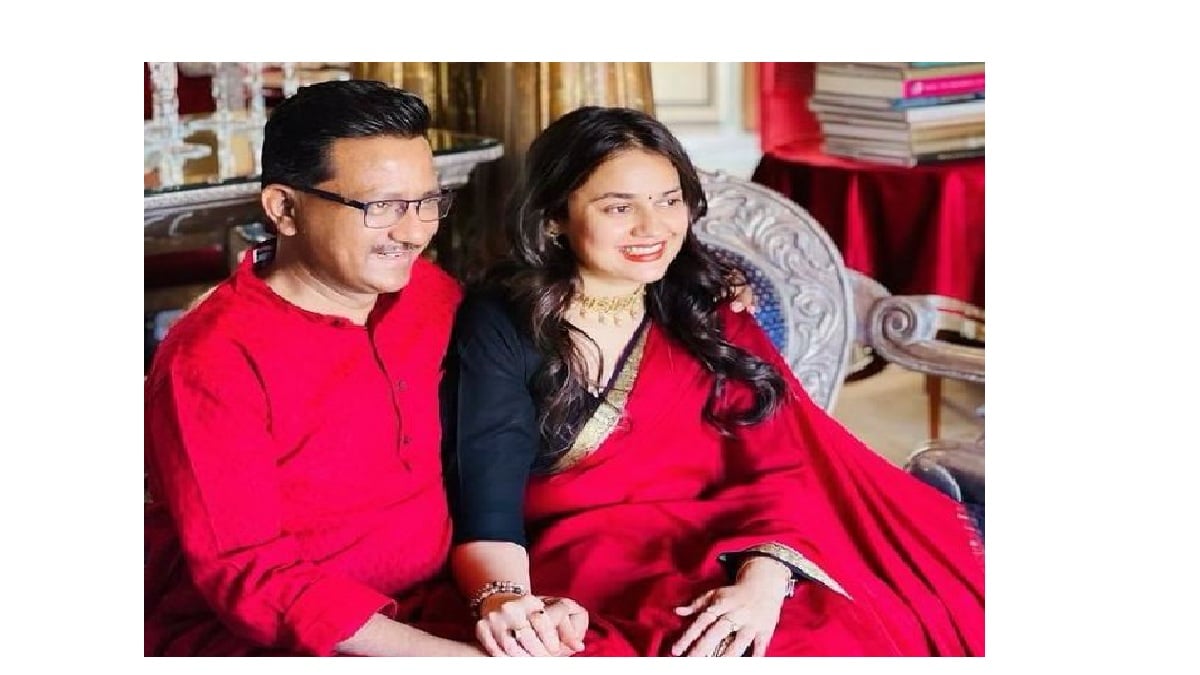
Tina Dabi on Tuesday got engaged to Dr Pradeep Gawande. He is an IAS officer from the 2013 batch. He is three years senior to Tina.  He is from Maharashtra and cleared the UPSC exam in 2013. Apart from being an IAS officer, he is also a certified doctor. Currently, he is serving as Director of the Archeology & Museums, Rajasthan. He is reportedly 13 years older than Tina.

Over 800 essential medicines, including Paracetamol, to get expensive from April, tweeple slam government over hikes in fuel prices, cooking gas, CNG, toll taxes

UPSC ESE 2021 result announced: Kartikay Kaushik tops All-India Rank, here’s how to check merit list

Latest world news

Will Russian oil imports be cut? India reiterates energy security as top priority

India has reiterated that its energy security needs remain paramount, even as the US pushes for a halt to Russian oil imports and links trade concessions to energy sourcing.

Published

on

India has reiterated that its energy security requirements will continue to guide decisions on crude oil imports, amid renewed pressure from the United States to halt purchases from Russia.

Responding to questions on India’s oil sourcing strategy, the Ministry of External Affairs (MEA) said the country’s priority remains meeting the energy needs of its 1.4 billion population. The government emphasised that diversification of energy supplies is central to ensuring stable and affordable access to fuel.

“Insofar as India’s energy sourcing is concerned, ensuring the energy security of 1.4 billion Indians is the supreme priority of the government,” MEA spokesperson Randhir Jaiswal said during a press briefing.

He added that India’s approach involves sourcing energy in line with market conditions and evolving global dynamics, a position the government has consistently articulated over time.

US pressure and tariff rollback linked to trade framework

The remarks come after the White House stated that India had committed to stopping direct or indirect imports of Russian oil and would instead increase purchases from the United States. This claim formed part of the context under which Washington decided to withdraw additional tariffs earlier imposed on Indian goods over New Delhi’s purchases of Russian crude.

The US has repeatedly argued that revenues from Russian oil exports are being used to fund the ongoing war in Ukraine, an allegation that Moscow has denied.

India, however, has not announced any formal change in its oil import policy and has continued to stress that energy decisions are driven by national interest.

Russia says India free to choose suppliers

The Kremlin has also weighed in on the issue, saying India is free to procure oil from any source it chooses. Kremlin spokesperson Dmitry Peskov noted that Russia is not India’s sole supplier of oil and petroleum products.

“India has always purchased these products from other countries. Therefore, we see nothing new here,” Peskov said.

Trade deal outlines tariff changes on both sides

Under the broader trade framework with the US, India has agreed to eliminate or reduce tariffs on all US industrial goods and a wide range of agricultural and food products. These include dried distillers’ grains, red sorghum for animal feed, tree nuts, fresh and processed fruits, soybean oil, as well as wine and spirits.

In return, the US will impose a reciprocal tariff of 18 per cent on Indian-origin goods under the relevant executive order. The tariff will apply to sectors such as textiles and apparel, leather and footwear, plastics and rubber, organic chemicals, home decor, artisanal products, and certain categories of machinery.

Continue Reading

India News

BJP’s Ritu Tawde set to become Mumbai mayor, Shiv Sena’s Sanjay Ghadi named deputy

BJP’s Ritu Tawde is set to take charge as Mumbai mayor, marking the first break in Shiv Sena’s 25-year dominance of the post. Shiv Sena’s Sanjay Ghadi will serve as deputy mayor.

Published

on

BJP corporator Ritu Tawde is set to take over as the next Mumbai mayor, marking a significant political shift in the Brihanmumbai Municipal Corporation (BMC). This will be the first time in 25 years that the mayor’s post will not be held by the Shiv Sena.

Tawde, who represents Ghatkopar, has previously served as chairperson of the BMC’s education committee. Her name was announced by BJP leader Amit Satam on Saturday.

Shiv Sena to hold deputy mayor’s post

Shiv Sena leader Sanjay Shankar Ghadi will be the Deputy Mayor of Mumbai. Elected from Ward No. 5 in the January 15 civic elections, Ghadi will serve a 15-month term. The Shiv Sena has decided to rotate the deputy mayor’s post among four of its corporators.

Ghadi was among the leaders who joined Maharashtra Deputy Chief Minister Eknath Shinde’s faction in 2022, a move that led to the collapse of the Maha Vikas Aghadi government.

The Shiv Sena announced Ghadi’s candidature through party leader Rahul Shewale.

BJP-led alliance crosses majority mark

In the 227-member civic body, the BJP emerged as the single largest party with 89 seats, while the Shiv Sena secured 29 seats. Together, the ruling alliance has 118 corporators, comfortably crossing the majority mark of 114 and ensuring control over the mayoral post.

The Shiv Sena (UBT), which governed the BMC continuously since 1997, won 65 seats. Its allies, the Maharashtra Navnirman Sena (MNS) and the Nationalist Congress Party (Sharad Pawar faction), secured six and one seats, respectively.

The Congress won 24 seats, AIMIM eight, the NCP (Ajit Pawar faction) three, and the Samajwadi Party two seats.

Civic polls held after nine-year gap

The high-stakes BMC elections were conducted after a nine-year gap. The civic body had been under a state-appointed administrator since March 7, 2022, following the end of the previous term.

The BMC remains the country’s richest civic body, with its budget for the 2025–26 financial year pegged at Rs 74,450 crore.

Continue Reading

Latest world news

PM Modi thanks President Trump, says India-US trade framework reflects strong partnership

PM Modi said the India-US interim trade framework reflects growing trust between the two countries and offers tariff relief and new opportunities for Indian exporters.

Published

on

Modi trump

Prime Minister Narendra Modi has welcomed the newly announced interim trade framework between India and the United States, describing it as a reflection of the “growing depth, trust and dynamism” in bilateral relations.

The Prime Minister said the agreement highlights US President Donald Trump’s “personal commitment to robust ties between our countries” and opens up fresh opportunities across multiple sectors of the Indian economy.

Under the framework, the United States will apply a reciprocal tariff rate of 18 per cent on Indian goods. The uniform rate places India in a comparatively stronger position than several countries in the region and provides a competitive advantage for Indian exporters.

Focus on employment, innovation and supply chains

In a post on X, PM Modi said the interim framework is expected to generate large-scale employment, particularly for women and young people. He added that the agreement would deepen cooperation in investment and technology while strengthening resilient and trusted supply chains.

According to the Prime Minister, both countries share a commitment to promoting innovation, and the framework would contribute to global economic growth by enhancing trade and industrial collaboration.

Key sectors set to benefit from tariff relief

The 18 per cent tariff rate is expected to support Indian exporters in sectors such as textiles, apparel, leather goods, chemicals and engineering products. The framework also strengthens India’s position against regional competitors that rely heavily on cost-based exports.

The agreement further opens a path to tariff removal on a wide range of Indian goods, including generic pharmaceuticals, gems and diamonds, and aircraft parts. These sectors already have a strong global presence and face steady demand in the US market.

Washington will also remove tariffs on certain Indian aircraft and aircraft components, while India will receive a preferential tariff rate quota for automotive parts. However, outcomes related to generic drugs and pharmaceutical ingredients will depend on the findings of a US Section 232 investigation.

Preferential market access beyond tariffs

Beyond tariff measures, both countries have agreed to provide preferential market access in sectors of sustained mutual interest, marking another step toward closer economic cooperation under the interim framework.

Continue Reading

Trending

© Copyright 2022 APNLIVE.com