Latest world news
Syria: Conflicting reports of Chemical weapons used in Douma


[vc_row][vc_column][vc_column_text]Russia and Syria denies using chemical weapons while US-Israel-Saudi media drums against Assad regime
The ongoing struggle in Syria is once again marked with allegations and denials of using chemical weapons during operations in the rebel held Douma area in Eastern Ghouta on Saturday. The US-Israel-Saudi Arabian media alleged for the chemical weapon attack on civilians while Syria and Russia have officially denied the allegations.
CNN quoted several Syrian activist groups that toxic gas inside barrel bombs were dropped by helicopters over Douma causing people to suffocate and choke leaving dozens of civilians dead and scores wounded.
However, Syrian state news agency SANA cited an “official source” who denied the allegation, saying reports were a “blatant attempt to hinder the army’s advance” into what it described as a “collapsing terrorist” stronghold.
Read More: Russia, Turkey and Iran support Syrian sovereignty, integrity
The agency further said that the Syrian Arab Army “does not need to use any chemical materials as claimed by terrorists’ media affiliates.”
Meanwhile, Russia’s Defense Ministry has refuted reports on Sunday that the Syrian forces have used chemical weapons in Douma in Eastern Ghouta.
According to TASS news agency, Major General Yuri Yevtushenko, the head of the Russian Center for Reconciliation of the Warring Sides in Syria said that the allegations that a chlorine barrel bomb had been dropped in Douma by the Syrian armed forces were the work of the so-called independent non-governmental organizations, including the White Helmets, which is widely known for its fake news.
 He further said “We strongly reject this information and confirm readiness after Douma is liberated from militants to send Russian specialists in radiation, chemical and biological protection to collect data to confirm that these statements are fabricated.”
The allegations of Syrian forces using chemical weapons have come to light after Damascus has recently claimed of discovering Daesh (IS) terrorist-run factory of making chemical weapons in Eastern Ghouta.
Read More: Syria: Chemical weapon factory unearthed in Eastern Ghouta
The Russian official noted that the West used the allegations of chemical attacks to disrupt an operation beginning on Sunday on evacuating from Douma irreconcilable militants of the Jaish al-Islam group. On Saturday, news broke that they resumed fighting against the government forces.
Meanwhile SANA reports on Sunday morning that the terrorists of the so-called “Jaish al-Islam” seek negotiations with the Syrian state and said that the negotiations would begin within two hours.
The agency further said that the request from terrorists came after “the painful blows” they received due to the decisive military operation on their positions and hotbeds in Douma.
Syrian government has agreed to negotiate due to its “keenness to protect civilians and liberate the abductees” despite having doubts about their seriousness, the agency added.
Read More: Syrian forces clear 90 per cent of Eastern Ghouta
However, the slant of coverage in American-Israeli-Saudi media houses was quite provocative. CNN’s headline reads “Dozens dead in possible gas attack in Syria: regime denies allegation”. Haaretz, a leading Israeli newspaper’s headline was “Scores of Syrians killed in Suspected Chemical Attack by Assad Forces” while Saudi Arabia’s Alarabiya.net was headlined “Horrific pictures show ‘entire families’ gassed to death in Syria’s Douma” while Qatar based Al-Jazeera network’s story say “Syria Chemical attack kills ‘70’.[/vc_column_text][/vc_column][/vc_row]






Latest world news
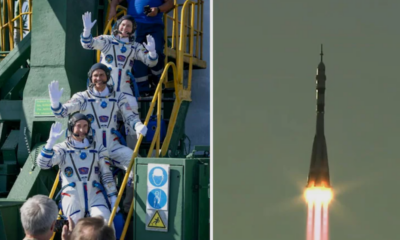
Magnitude 7 earthquake strikes Tibet after floods
A magnitude 7 earthquake struck northern Tibet on Thursday, October 22. The tremor came weeks after deadly flash floods and landslides hit the mountainous region near the Nepal-China border. Initial reports did not confirm casualties or damage from the earthquake.


Latest world news
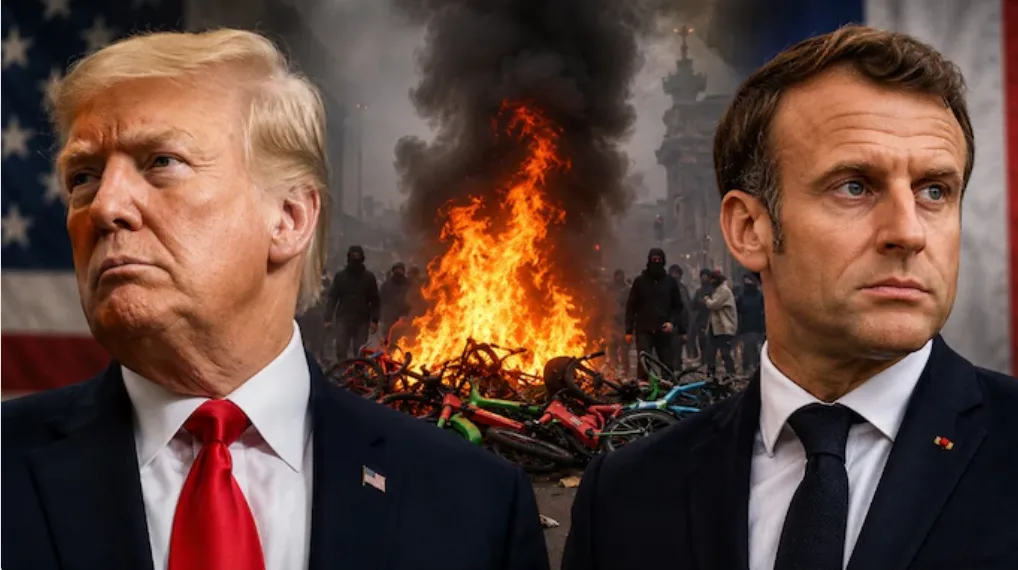
Macron rejects Trump’s immigration claims over France riots
French President Emmanuel Macron criticised Donald Trump and other foreign leaders over their comments on France’s recent unrest. Macron rejected claims that the country was being overrun by migrants and Islamists, calling such assertions false.
Latest world news
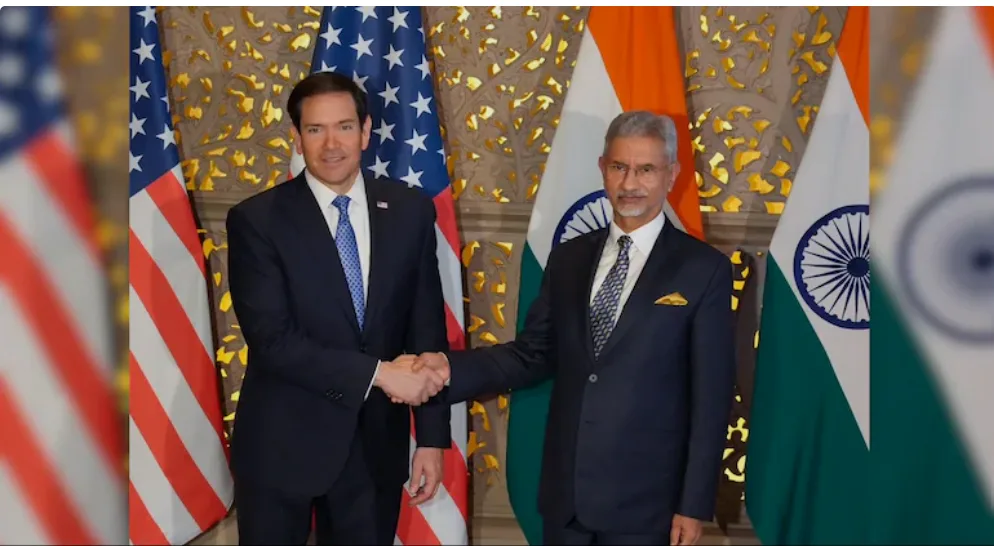
Marco Rubio says India and US share extraordinary alignment on key issues
US Secretary of State Marco Rubio said India and the United States share an extraordinary alignment on core issues, even though disagreements between the two countries may arise.

Delhi’s winter pollution persists despite emergency curbs under GRAP

Jamia Millia Islamia shifts classes online after student-guard clash

Farooq Abdullah’s Pakistan remarks spark row, BJP demands action
Delhi’s winter pollution persists despite emergency curbs under GRAP
Farooq Abdullah’s Pakistan remarks spark row, BJP demands action
Jamia Millia Islamia shifts classes online after student-guard clash

Congress seeks 175-200 seats in UP, Samajwadi Party stresses on winnability

Thousands bang utensils, beat drums in Manipur protest over continued killings

Afghan Men Try To Hang With The Jet Engine Of The Aircraft in Kabul- Afghanistan News – Kabul News
Trending Top 10 News: 10000 Crore Fine on Flipkart, Apple to Launch Unique Feature, Hdfc Bank Job Ad

Trending Top 10 News: Nokia 6310, Apple sales, Bachpan ka Pyar Video Kid, Dainik Bhaskar IT Raid

Trending Top 10 News: Canada bans Indian flights, Rain in Delhi NCR, AIMIM Twitter hacked, Raj Kundra case