Indian National Congress has cemented its top position in the Himachal Pradesh Assembly Elections 2022. They have won 39 seats and are leading in 1, which means that they have crossed the majority mark by winning 40 constituency.
On the other hand, BJP has won 18 constituency and is leading in 7, which brings them to a total of just 25 seats, making them the runner up of this edition of Assembly elections. Independent have won 3 seats in the counting for the 68 seats in the Himachal Assembly.
BJP’s Suresh Bhardwaj, who was considered one of the heavyweights in the Himachal Elections has lost the Kasumpti seat to Congress’s Anirudh Singh.
Congress’ Sudhir Sharma is leading from Dharmashala constituency and grand old party’s Harshvardhan Chauhan has won Shillai seat.
Himachal Pradesh is all set to welcome Congress government as the grand old party is leading with 39 seats, where as BJP has won four seats and are trailing with just 26 seats. AAP didn’t even open its account and others are having 3 seats in hand.
Sukhvinder Singh Sukhu said BJP considered itself strong in the state but Congress will form a government with a full majority in Himachal Pradesh.
Former chief minister Ram Lal Thakur’s son and Congress leader Rohit Thakur has won the Jubbal-Kotkai seat. The party has won a total of 38 seats leaving behind the BJP which is at 27.
BJP’s Rakesh Kumar registered his win from the Sundernagar Assembly constituency. The party has won a total of 28 seats.
According to the latest EC trends, Congress is leading in 38 seats in Himachal Pradesh while the BJP is at 27 and AAP has not yet opened its account in the state.
Chief Minister Jairam Thakur wins from the Seraj seat leading with a total of 20,000 votes. He emerged as the winner for the 6th consecutive term.
Congress is taking a strong lead in the Himachal Pradesh Assembly election 2022 counting 34 seats and BJP is trailing behind with 29 seats, others are at 5 and AAP is at 0.
Congress spokesperson Pawan Khera showed full confidence in the people of Himachal Pradesh, he said that Congress will form its government in Himachal.
Latest trends show that Congress is still in lead with 32 seats but BJP is not far away with 31 seats, others are scoring up with 5 seats and AAP is still at 0.
Independent candidates KL Thakur and Hiteshwar Singh took a lead in Nalagarh and Banjar Assembly constituencies, respectively. Congress candidate Kishori Lal is leading from the Baijnath constituency.
Congress can be seen leading in Himachal Pradesh with 33 seats and BJP is trailing behind with 30 seats, others are at 4 and AAP is still looking for a seat to open their accounts.
Congress candidate Harish Janartha is leading from the Shimla constituency while Saffron party candidate Ravi Kumar Mehta is leading from Shimla Rural. BJP candidate from Rampur Assembly seat Kaul Singh Negi is giving a tough fight to Congress’s Nand Lal.
BJP’s Rajat Thakur leading in Dharampur assembly seats, while Congress’ Chander Shekhar is trailing. BJP’s Rajat Thakur is leading with 4324 votes.
According to the Election Commission of India, BJP candidate Mulkh Raj from Baijnath constituency is leading with 2308 votes while Congress’ Kishori Lal is trailing with 2022 votes. And Congress candidate Vinod Sultanpuri from the Kasauli assembly seat is leading by 906 votes.
A neck-and-neck fight can be observed in Himachal Pradesh. Congress can be seen leading with 34 seats while BJP is not far behind at 31 seats, others have 3 sets and AAP is still at 0.
Congress state president Pratibha Singh says the party is quite confident about its victory in Himachal Pradesh. She further added that Congress will definitely win 41 seats easily in the 68-member Assembly.
Candidates who are leading from Himachal Pradesh include CM Jai Ram Thakur from Seraj constituency, BJP candidate Puran Chand from Darang constituency, Chetan Bragata from Jubbal Kotkhai, Anil Sharma from Mandi Sadar and Congress candidate Jagat Singh Negi from Kinnaur.
Reportedly, 2 BJP rebels who contested as Independents are leading in Himachal Pradesh. Another BJP rebel, KL Thakur is leading in Nalagarh. On the other hand, Congress rebel Ashish Kumar is also leading in his seat and Ashish Kumar is ahead in Hamirpur.
With the changing stats from Himachal Pradesh, BJP Chief Suresh Kashyap broke the silence and said that BJP is not at all nervous and is confident that the people of HM will support them. On the other hand, Congress’ Khimi Ram is leading from the Banjar constituency and Harish Janartha is leading from the Shimla constituency.
Fresh records show that Congress is close to the majority with 35 seats, while BJP is not far behind with 31 seats. Others have 4 seats and AAP is still at 0. BJP’s Anil Sharma is leading from the Mandi constituency and Congress candidate Vikramaditya Singh is leading from Shimla Rural.
BJP is leading on 36 seats with Congress not far away at 30, others have 2 seats and AAP is still looking for a seat to open their accounts.
BJP is close to the majority with 35 seats and Congress is not much behind with 33 seats and others have 1 seat. Grand old party’s Suresh Bhardwaj is leading from Kasumpti and Bansi Lal from Anni constituency. Even Rohit Thakur is trailing from Jubbal-Kotkhai.
BJP leading in 39 seats, Congress follows behind 27 and AAP still struggling to open its account while others gained 2 seats
Chief Minister Jairam Thakur is leading from the Seraj constituency
According to NDTV, the Saffron party leading the early trends with 17 seats, Congress 11 seats while AAP is still struggling.
The early trends in Himachal Pradesh have come in the favor of the BJP as they are at 9 whereas Congress can be seen leading on 3 seats.
The vote counting for the Himachal Pradesh Assembly elections has begun, stay tuned for more updates. The counting will be held for 68 seats in which Bhartiya Janata Party, Congress and Aam Aadmi Party and others will be contesting for.
Himachal Pradesh is to witness a close fight between the BJP and the Congress for the 68-member Assembly, said exit polls on Monday, the day polling ended in the second phase in Gujarat.
With the halfway mark at 35 in the Himachal House, four exit polls predicted a BJP victory with the party expected to win 36 seats, just one over the halfway number. The exit poll projections seemed to favour the Congress’s return in the state. Congress is also expected to get some 30 seats. Thus, the BJP and the Congress are in a neck-and-neck competition. This also holds true if one goes by the trend in Himachal Pradesh of people alternating between the two big parties.
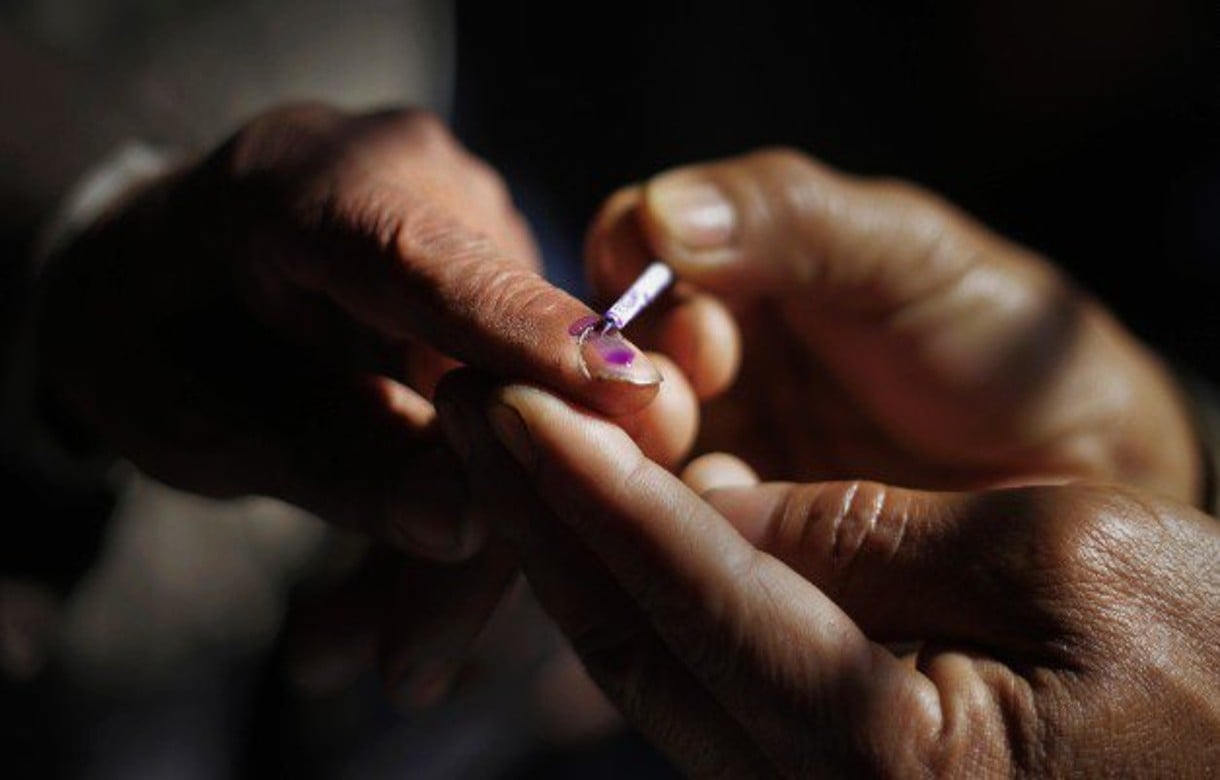
The single-phase polls in Himachal Pradesh on November 12 registered a record 75.6 per cent polling on all 68 seats. In the 2017 Assembly elections, the voter turnout was 75.57 per cent.
While 76.4 per cent of women voters exercised their franchise, only 72.4 per cent of male voters did the same in 2022. The voting percentage for the third gender was 68.4 per cent. There were 27.88 lakh men and 27.36 lakh women in the electorate overall, with 38 voters registered as third genders.
The state election department focused heavily on 11 constituencies with low voter turnout in the 2017 elections for the assembly, according to the SEO statement.
The voter turnout finally increased in nine of these constituencies—Dharampur, Jaisinghpur, Shimla, Baijnath, Bhoranj, Solan, Kasumpati, Sarkaghat, Jaswant Pragpur, Hamirpur, and Badsar—by up to seven per cent of the 11 seats.
The Dharampur seat had a 6.93 percentage point increase from 63.6 per cent in 2017 to 70.54 per cent in the recent election. However, the percentage decreased significantly in Shimla and Baijnath, from 63.93% in 2017 to 62.53% and from 64.92% in 2017 to 63.46%, respectively.
The exit polls predict a close fight between the grand old party and the saffron party according to Aaj Tak-Axis My India the BJP is at 29 whereas its counterpart is at 35, however, as per the ABP News-Cvoter exit poll prediction the BJP is at succeeding with 37 whereas the Congress is at 28. The Aam Aadmi Party has failed to change any flare in the voting trends as the exit polls predict nothing for AAP in Himachal Pradesh.