
Latest world news
Global community agree on saving JCPOA: Iran


Iran’s deputy foreign minister Abbas Araqchi more confident of EU support
The remaining signatories of the multilateral Iran nuclear deal known as JCPOA have regretted over unilateral exit of US from the deal and reiterated their support to Iran’s demands of normalization of economic cooperation with Tehran to what they call as essential for surviving the deal.
Saturday was the second round of negotiations of the JCPOA joint commission in Vienna which was held at the request of Iran following US withdrawal from the multilateral deal.
According to Iran’s official IRNA news agency, the main topics of today’s talks included the exploring consequences of US exit from the JCPOA and the approaches to salvaging the deal.
Read More: Iran ask EU to stand up against US for Nuclear deal
Iran’s Deputy Foreign Minister Abbas Araqchi who headed his country’s delegation told reporters at the end of the meeting that the negotiations were positive and all the remaining members of the JCPOA unanimously announced they will continue to fulfill their commitments under the deal.

They underlined their commitments to hold intensive talks with Iran and are trying to achieve practical ways for meeting Iran’s demands in various fields such as energy, oil, investment and trade, insurance and banking, Araqchi said.
Participants were resolute and united regarding the JCPOA, he said, noting that they all stressed that they favor the JCPOA and meeting Iran’s demands, Araqchi said.
Read More: If US pull out of nuclear deal, Iran would also go back
Except US, all participants of the JCPOA gathered at Vienna on Friday in a bid to save the landmark pact following the US unilateral decision of withdrawing from the multilateral deal and re-impose sanctions on Tehran. Delegates from china, Russia, France, Britain, Germany and the European Union participated in the meeting.
On Friday, before going for the meeting, Iranian deputy foreign minister Abbas Araqchi told reporters in Vienna that Tehran was negotiating with the other signatories “to see if they can provide us with a package which can give Iran the benefits of sanctions lifting. The next step is to find guarantees for that package,” he said, adding that Iran needed specifics on how that would happen by the end of May.
Yukia Amano, the Director General of the International Atomic Energy Agency (IAEA) also joined the meeting at the request of Joint Commission of JCPOA. During the meeting he reiterated that 11 reports of the agency have so far verified Iran’s compliance with the deal, Araqchi said.
Araqchi said that during Amano’s presence in the meeting all members reaffirmed their commitment to the deal and appreciated the agency’s professional work.
Read More: Khemenei warns: Iran will cut the nuclear deal into shreds
Araqchi further noted that negotiations will continue at all levels next weeks. Of course the priority is with expert level in a bid to work out a clear image regarding the future of the path. He said he was more confident about preserving the JCPOA.
US administration has not only withdrawn from the deal but has promised to impose “the strongest sanctions in history” on Tehran. Washington has threatened to punish companies that trade with Iran. Some Western companies have already quit Iran or said they may have to leave because of the new US sanctions.
For Iran to stay with JCPOA, Araqchi said “specific mechanism and practical solutions” were required to convince companies to continue doing business with Tehran and address its concern over its oil exports and banking transaction flows.
Recently Iran’s supreme leader Seyyed Ali Khamenei has said that European powers must protect Iranian oil sales from US pressure and continue buying Iranian crude, and must promise they would not seek new negotiations on Iran’s missile programe and regional activities.
In another development International Christine Lagarde, the Managing Director of Monetary Fund (IMF), while addressing International Economic Forum at St. Petersburg, on Friday, has urged US President Donald Trump to review his policies regarding imposing sanctions on Iran and Syria.




Latest world news
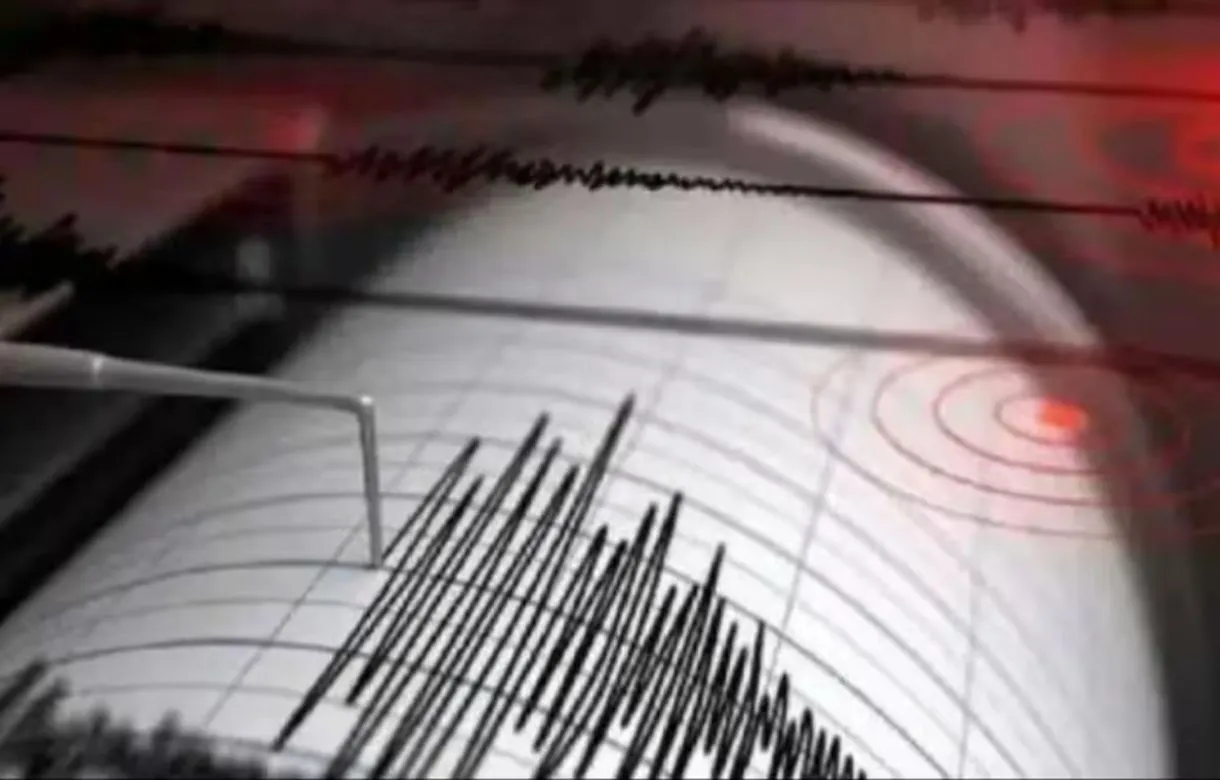
Magnitude 7 earthquake strikes Russia’s Kamchatka Peninsula
A magnitude 7 earthquake struck Russia’s Kamchatka Peninsula region on Friday. The initial report placed the earthquake at a depth of 140 kilometres.

Latest world news
S Jaishankar says India is a natural option for Russia amid Europe tensions
External Affairs Minister S Jaishankar said India remained a natural option for Russia as Moscow increasingly turned towards Asia amid strained relations with Europe. He highlighted the continuity of India-Russia ties and their significance for the balance of power in Asia.

Latest world news
Putin praises PM Modi, says he has very good ideas on Ukraine war
Russian President Vladimir Putin has praised Prime Minister Narendra Modi for repeatedly raising the need to end the Ukraine war, describing his ideas for a settlement as “very good”.


Election Commission orders voter roll revision in 17 states, UTs

Delhi Police offers 11-person limit for CJP’s Connaught Place protest

Actor Imran Khan asked to leave India after CJP protest

Mallikarjun Kharge’s ‘Your Friends’ jab at Rahul Gandhi over congress exits

Magnitude 7 earthquake strikes Russia’s Kamchatka Peninsula

Abhijeet Dipke detained ahead of CJP’s national flag march in Delhi
Magnitude 7 earthquake strikes Russia’s Kamchatka Peninsula

Delhi deploys 25,000 personnel, installs CCTV cameras ahead of CJP march
Mallikarjun Kharge’s ‘Your Friends’ jab at Rahul Gandhi over congress exits
Delhi Police offers 11-person limit for CJP’s Connaught Place protest

Afghan Men Try To Hang With The Jet Engine Of The Aircraft in Kabul- Afghanistan News – Kabul News
Trending Top 10 News: 10000 Crore Fine on Flipkart, Apple to Launch Unique Feature, Hdfc Bank Job Ad

Trending Top 10 News: Nokia 6310, Apple sales, Bachpan ka Pyar Video Kid, Dainik Bhaskar IT Raid

Trending Top 10 News: Canada bans Indian flights, Rain in Delhi NCR, AIMIM Twitter hacked, Raj Kundra case

Trending Top 10 News: Shein India, Apple New Service, Pocket Oxygen, Oppo Launched New Phone
-
 India News23 hours ago
Election Commission orders voter roll revision in 17 states, UTs
-
 India News22 hours ago
Delhi Police offers 11-person limit for CJP’s Connaught Place protest
-
 India News23 hours ago
Actor Imran Khan asked to leave India after CJP protest
-
 India News10 hours ago
Mallikarjun Kharge’s ‘Your Friends’ jab at Rahul Gandhi over congress exits
-
 Latest world news10 hours ago
Magnitude 7 earthquake strikes Russia’s Kamchatka Peninsula
-
 India News10 hours ago
Delhi deploys 25,000 personnel, installs CCTV cameras ahead of CJP march
-
 India News44 mins ago
Abhijeet Dipke detained ahead of CJP’s national flag march in Delhi
