
India News
PM Modi Gets UN’s Environment Award


Kochin Airport also honoured for leadership in use of sustainable energy
India’s endeavours for promoting solar and renewable energy got global recognition on Wednesday when Prime Minister Narendra Modi has been awarded with the UN’s highest environmental honour, bestowed upon five other individuals and organisations, for his leadership of the International Solar Alliance and pledge to eliminate single use plastic in the country by 2022.
According to agency report from New York, French President Emmanuel Macron and Prime Minister Narendra Modi have been jointly recognised in the Policy Leadership category for their pioneering work in championing the International Solar Alliance and promoting new areas of levels of cooperation on environmental action.
Macron’s work on the Global Pact for the Environment and Modi’s unprecedented pledge to eliminate all single-use plastic in India by 2022 brought them together for attracting the honour.

Seven awardees this year also include; Beyond Meat and Impossible Foods received award in Science and Innovation category, Cochin International Airport for Entrepreneurial Vision, Zhenjiang Green Rural Revival Programme for Inspiration and Action and Joan Carling is chosen in Lifetime Achievement Award category.
Cochin International Airport has been honoured for its leadership in the use of sustainable energy.
Beyond Meat is a Los Angeles based producer of plant based substitutes founded in 2009 by Ethan Brown. Its products became available in US at Whole Foods Market in 2013.
Impossible Foods is a company that develops plant-based substitutes for meat and dairy products. It is based at Redwood City in California. The company aims to give the taste and nutritional benefits of meat without the negative health and environmental impacts associated with livestock products.

Every year, six of the world’s most outstanding environmental change makers have been recognised with the Champions of the Earth Award, the UN’s highest environmental honour, constituted in 2015. This awards programme is a successor to UNEP’s Global 500 Roll of Honour.
The UN Environmental Programme said, “This years’ laureates are recognised for a combination of bold, innovative, and tireless efforts to tackle some of the most urgent environmental issues of our times.”
To recognize outstanding environmental leaders from public and private sectors and civil society, the UN Environment Programme established an annual awards programme known as “Champions of the Earth” in 2005.
Every year five to seven laureates are selected. Each laureate is invited to an award ceremony to receive a trophy, give an acceptance speech and take part in a press conference.









India News
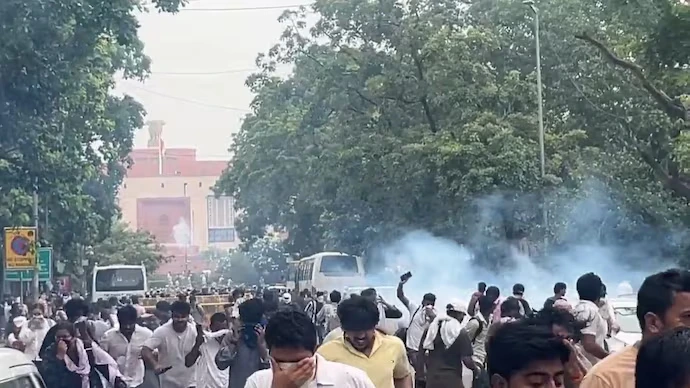
Delhi deploys 25,000 personnel, installs CCTV cameras ahead of CJP march
More than 25,000 police and paramilitary personnel have been deployed in Delhi ahead of the CJP’s planned protest march at Connaught Place. Authorities have also imposed restrictions and stepped up CCTV surveillance.

India News
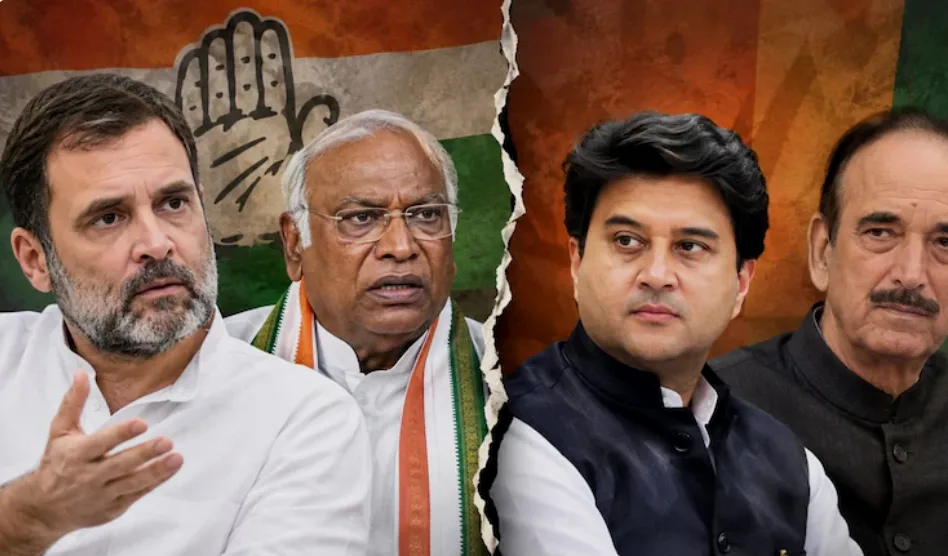
Mallikarjun Kharge’s ‘Your Friends’ jab at Rahul Gandhi over congress exits
Congress president Mallikarjun Kharge took a dig at Rahul Gandhi after the Leader of the Opposition reportedly described former party leaders Jyotiraditya Scindia and Ghulam Nabi Azad as among those who had left the Congress.
India News
Delhi Police offers 11-person limit for CJP’s Connaught Place protest
Delhi Police has offered to facilitate a group of 11 people at Central Park in Connaught Place for the Cockroach Janata Party’s October 16 protest, while warning that violations of prohibitory orders could invite legal action.


India-US trade deal first phase finalised, drafting underway

Election Commission orders voter roll revision in 17 states, UTs

Actor Imran Khan asked to leave India after CJP protest

Delhi Police offers 11-person limit for CJP’s Connaught Place protest

Mallikarjun Kharge’s ‘Your Friends’ jab at Rahul Gandhi over congress exits

Magnitude 7 earthquake strikes Russia’s Kamchatka Peninsula

Delhi deploys 25,000 personnel, installs CCTV cameras ahead of CJP march
Mallikarjun Kharge’s ‘Your Friends’ jab at Rahul Gandhi over congress exits
Delhi Police offers 11-person limit for CJP’s Connaught Place protest
Actor Imran Khan asked to leave India after CJP protest

Afghan Men Try To Hang With The Jet Engine Of The Aircraft in Kabul- Afghanistan News – Kabul News
Trending Top 10 News: 10000 Crore Fine on Flipkart, Apple to Launch Unique Feature, Hdfc Bank Job Ad

Trending Top 10 News: Nokia 6310, Apple sales, Bachpan ka Pyar Video Kid, Dainik Bhaskar IT Raid

Trending Top 10 News: Canada bans Indian flights, Rain in Delhi NCR, AIMIM Twitter hacked, Raj Kundra case

Trending Top 10 News: Shein India, Apple New Service, Pocket Oxygen, Oppo Launched New Phone
-
 India News23 hours ago
India-US trade deal first phase finalised, drafting underway
-
 India News21 hours ago
Election Commission orders voter roll revision in 17 states, UTs
-
 India News21 hours ago
Actor Imran Khan asked to leave India after CJP protest
-
 India News20 hours ago
Delhi Police offers 11-person limit for CJP’s Connaught Place protest
-
 India News8 hours ago
Mallikarjun Kharge’s ‘Your Friends’ jab at Rahul Gandhi over congress exits
-
 India News8 hours ago
Delhi deploys 25,000 personnel, installs CCTV cameras ahead of CJP march
-
 Latest world news8 hours ago
Magnitude 7 earthquake strikes Russia’s Kamchatka Peninsula
