English हिन्दी
Connect with us

Latest world news

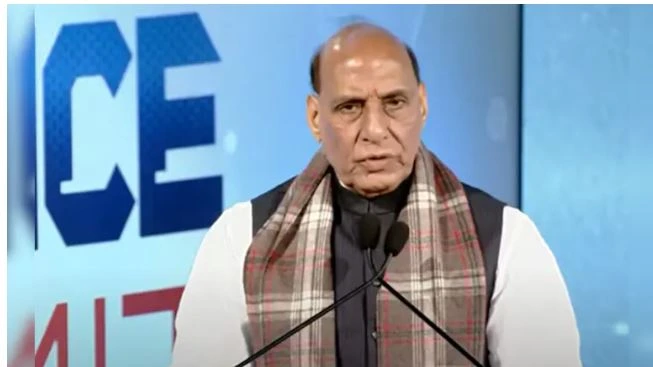
Rajnath Singh to highlight India’s anti-terror stance at SCO defence meet in China

Rajnath Singh is set to attend the SCO Defence Ministers’ Meeting in Qingdao, highlighting India’s call for united efforts against terrorism and fostering regional stability.

Published

on

Rajnath Singh

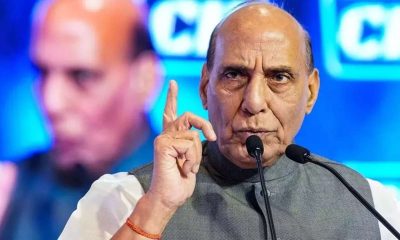
India’s Defence Minister Rajnath Singh is set to attend the two-day Shanghai Cooperation Organisation (SCO) Defence Ministers’ Meeting in Qingdao, China, starting June 25. Ahead of his visit, Singh emphasized India’s commitment to global peace and security, while calling for stronger joint efforts against terrorism, particularly cross-border threats backed by Pakistan.

Renewed focus on terrorism and regional stability

Singh stated he looks forward to presenting India’s vision for global peace at the SCO platform and urging member states to adopt unified and sustained measures to combat terrorism. The visit comes shortly after India’s Operation Sindoor — a precision strike on high-value terror targets in Pakistan and Pakistan-occupied Kashmir following the Pahalgam terror attack.

Singh’s participation in the SCO meet marks the first visit by an Indian Union Minister to China since ties soured in 2020 due to the eastern Ladakh military standoff. The tension had escalated following the Galwan Valley clash, although recent diplomatic engagements have slowly opened channels of dialogue, including bilateral talks and disengagement at critical points like Demchok and Depsang.

India’s agenda at SCO meet

According to official sources, Singh will reaffirm India’s support for SCO’s founding principles and stress the importance of coordinated regional strategies to eliminate terrorism and extremism. His address at the plenary session will also advocate for increased trade, economic collaboration, and improved connectivity among member countries.

During the visit, Singh is scheduled to hold bilateral meetings with several of his counterparts, including those from China and Russia, aimed at reinforcing defence ties and regional cooperation. India maintains that SCO plays a pivotal role in fostering multilateral dialogue on political, security, economic, and people-to-people issues.

High-level diplomatic engagements continue

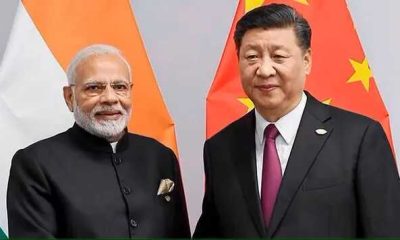
Singh’s visit aligns with a broader Indian diplomatic effort, as National Security Advisor Ajit Doval is also in China for an SCO meeting of national security advisors. These engagements follow a series of efforts to revive bilateral mechanisms, including the Special Representatives (SR) framework, which resumed after Prime Minister Narendra Modi and Chinese President Xi Jinping met in Kazan in October 2023.

As China hosts the current SCO session as chair, all eyes are on the potential for regional defence cooperation and progress in India-China relations amid ongoing strategic challenges.

Latest world news

Trump calls PM Modi friend, says had very good conversation amid West Asia tensions

Trump described PM Modi as a friend after a 40-minute call focusing on Iran tensions, trade and strategic ties.

Published

on

Donald Trump statement

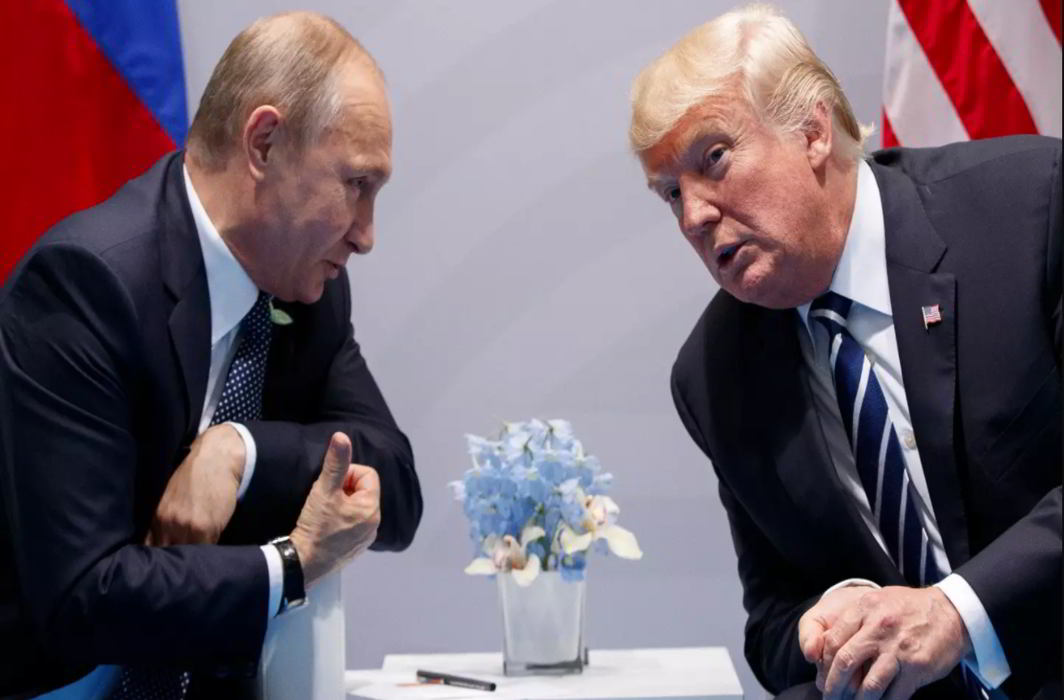
US President Donald Trump described Prime Minister Narendra Modi as a “friend” and said the two leaders had a “very good conversation” during a recent phone call held amid rising tensions in West Asia.

The call, which lasted around 40 minutes, comes shortly after developments in the ongoing Iran-related conflict and diplomatic efforts in the region. During the conversation, both leaders discussed key issues including regional security, trade, and bilateral cooperation.

The interaction marks one of the first high-level engagements between the two leaders following recent ceasefire-related developments involving the United States and Iran. The evolving situation in West Asia, including concerns around stability and global energy routes, was a significant focus of the discussion.

Officials indicated that the leaders also reviewed progress in India-US ties and reiterated their commitment to strengthening the strategic partnership across multiple sectors.

The phone call reflects continued coordination between New Delhi and Washington as geopolitical tensions persist in the Middle East, with both sides maintaining close communication on global and regional issues.

Continue Reading

Latest world news

Israel-Lebanon ceasefire to begin within hours as Trump announces 10-day truce

Israel and Lebanon may begin a 10-day ceasefire within hours after a proposal announced by Donald Trump amid ongoing tensions.

Published

on

Donald Trump

A temporary halt in hostilities between Israel and Lebanon is expected to begin within hours after US President Donald Trump announced a proposed 10-day ceasefire between the two sides, amid ongoing tensions in the region.

According to his statement, the ceasefire is likely to take effect around 5 p.m. Eastern Time, although independent confirmation from both sides is still awaited.

The development follows discussions involving Israeli Prime Minister Benjamin Netanyahu and Lebanese President Joseph Aoun, with mediation efforts led by the United States.

Officials indicated that the proposed truce is aimed at creating a limited window to reduce violence and potentially pave the way for broader diplomatic engagement. The situation along the Israel-Lebanon border has remained tense in recent weeks, with escalation linked to the activities of Hezbollah.

Diplomatic efforts have intensified in recent days, with discussions facilitated by the United States, including the involvement of US Secretary of State Marco Rubio. However, details of the agreement and the extent of coordination between the parties remain unclear.

The situation remains fluid, and the success of the ceasefire will depend on adherence by all sides involved. The conflict has already led to significant humanitarian and geopolitical consequences, including displacement and disruption in affected areas.

While the proposed ceasefire is being seen as an important step toward de-escalation, broader negotiations involving regional stakeholders are expected to be necessary for any lasting resolution.

Continue Reading

Latest world news

US ends oil sanctions waiver for Iran and Russia, impact likely on India’s energy imports

The US decision to end the Iran and Russia oil waiver may impact India’s oil imports, fuel prices and global energy markets.

Published

on

US oil tanker

The United States has decided not to extend a temporary sanctions waiver that allowed limited trade in Iranian and Russian oil, marking a shift towards stricter enforcement of economic restrictions.

The waiver, introduced in March 2026, had permitted the sale of oil already loaded on ships to stabilise global supply during heightened geopolitical tensions. However, it is now set to expire around mid-April without renewal.

US officials have indicated that the move is part of a broader strategy to increase pressure on both Iran and Russia amid ongoing conflicts and geopolitical tensions.

What the waiver did and why it mattered

The short-term waiver allowed millions of barrels of oil—estimated at around 140 million barrels—to enter global markets, helping ease supply shortages and prevent sharp price spikes.

It also enabled countries like India to purchase discounted crude oil from Russia and resume limited imports from Iran after years of restrictions.

Impact on India

India, one of the world’s largest oil importers, is expected to feel the impact of the decision in several ways:

  • Reduced access to discounted oil
    India had been buying cheaper Russian crude and recently resumed Iranian imports under the waiver. Its end may limit these options.
  • Potential rise in fuel costs
    With fewer discounted supplies available, India may need to rely more on costlier sources, which could increase domestic fuel prices.
  • Supply diversification pressure
    India may need to explore alternative suppliers in the Middle East, Africa, or the US to maintain energy security.
  • Geopolitical balancing challenge
    The move adds pressure on India to align with US sanctions while managing its own economic interests.

Global energy market concerns

The end of the waiver comes at a time when global oil markets are already under stress due to conflict in West Asia and disruptions in key routes like the Strait of Hormuz.

Analysts warn that tightening sanctions could:

  • Reduce global oil supply
  • Increase price volatility
  • Intensify competition among major buyers like India and China

Bigger picture

The US decision reflects a broader shift from temporary relief measures to stricter enforcement of sanctions, even if it risks tightening global energy markets.

For India, the development highlights a recurring challenge—balancing affordable energy access with geopolitical realities.

Continue Reading

Trending

© Copyright 2022 APNLIVE.com