
Latest Politics News
Five states Assembly Polls: Far cry from BJP dream of ‘Congress-mukt Bharat’


[vc_row][vc_column][vc_column_text]While the final results would come in, in an hour or so, the trends are clear and some broad conclusions can be drawn from the available facts.
First and foremost, the BJP is nowhere near achieving Amit Shah’s declared aim of a ‘Congress-mukt Bharat’ (Congress-less Bharat). Rather, in a belt cutting across the middle of India’s map, it is the BJP that got a bloody nose and lost out to the grand old party in a direct contest. The Congress is, thus, very much in the game.
The elections also signify the erosion of ‘Modi magic’ and the halt of the ‘wave’ that BJP has been raucously shouting about.
These were state elections, and local factors – especially the fact that BJP had been in power in Rajasthan, Madhya Pradesh and Chhattisgarh, three terms in a row in the latter two – mattered heavily. However, Prime Minster Narendra Modi’s hectic campaigning in all these states put his own status at stake. Not only was he projected as the ‘winning factor’ by the BJP, he himself went around declaring that it was a contest between ‘naamdar’ (referring to Rahul Gandhi, implying he owes his status to his family’s name) and ‘kaamdaar’ (Modi himself).
Taking him at his own word, Modi has been made to bite the dust.
Congress president Rahul Gandhi has reasons to be happy. His critics had often mocked that the Congress under him has never won any election. These results have wiped out that ‘stigma, and how!
The results boost the Congress morale but, going by the nature of the party, that is about all. It is not likely to learn any lessons. Rather, the results may also boost the ‘negatives’ in the party. Essentially – and increasingly – opportunist now, it could become more convinced about going the ‘Hindutva’ way.
The Congress may also become less accommodating to allies and hamper the formation of an alliance against the BJP for the 2019 Lok Sabha elections.
Chhattisgarh
Belying every analyst and pollster’s prediction, the Congress is way ahead of BJP in Chhattisgarh, with a 10 per cent lead over BJP in vote share (43% against 33%).The biggest casualty in this tribal state is Ajit Jogi, whose Janta Congress Chhattisgarh failed miserably in making an impact and didn’t even get into double digits in an assembly of 90.

(Source: Election Commission website at 5:15pm)
Rajasthan
In Rajasthan, again, the trends do not match the forecasts. While the Congress is ahead, the BJP has not done very badly – despite palpable anti-incumbency factor against the Vasundhara Raje government. The Congress managed a slender majority rather than the landslide win many had expected. The Congress vote share was 39.1% against BJP’s 38.6% – a margin of only 0.5%.

(Source: Election Commission website at 5:15pm)
Madhya Pradesh
In Madhya Pradesh, the Congress edged ahead of BJP in a close, see-saw contest and was past the midway mark of 115 – with leads in 117 seats at 5pm. A party needs 116 seats for a majority in the 230-member assembly. In terms of vote share, the BJP and Congress were tied at 41.4% each.

(Source: Election Commission website at 5:15pm)
Telangana
In Telangana, Telangana Chief Minister K Chandrashekhar Rao’s (KCR) Telangana Rashtra Samiti (TRS) was headed for a thumping majority. KCR’s gamble to call for early elections has paid off and the state has stayed with the party credited for its formation. TRS has its candidates ahead in nearly 90 constituencies with a vote share of 47.1%.
The state witnessed a two-way fight between TRS and Praja Kutami, or the grand alliance, which includes Congress, Telugu Desam Party (TDP), Telangana Jan Samithi (TJS) and CPI.
The BJP contested the state alone with the TDP walking out of National Democratic Alliance earlier this year. People’s Front ally TDP is heading in one and Owaisi’s AIMIM that backed TRS in five.

(Source: Election Commission website at 5:15pm)
Mizoram
In Mizoram, the regional Mizo National Front has dislodged the Congress government.
MNF president and former Mizoram chief minister Zoramthanga, who ran the state between 1998 and 2008, was reported by NDTV as saying, “I have a strong belief that I don’t need any other party and particularly the BJP to form government.”
Chief Minister Lal Thanhawla, who contested from Champhai South and Serchhip, has lost both the seats. He lost Champhai to Mizo National Front’s (MNF) TJ Lalnuntluanga, while Serchhip was snatched by Zoram People’s Movement’s (ZPM) chief ministerial candidate Lalduhoma.
The 76-year-old Congress leader has been the chief minister since December 2008. In the 2013 assembly elections, he became the chief minister for the fifth time, a record in Mizoram.
The state with a population of about 10 lakh is seen by the BJP as the “final frontier” in the northeast as it is in power in all other states of the region — either by winning polls or aligning with regional parties.
The MNF, which has been out of power for 10 years, has been optimistic about the win. Their hope is hinged on the history of the state where governments change every 10 years.
 (Source: Election Commission website at 5:15pm)[/vc_column_text][/vc_column][/vc_row]








India News
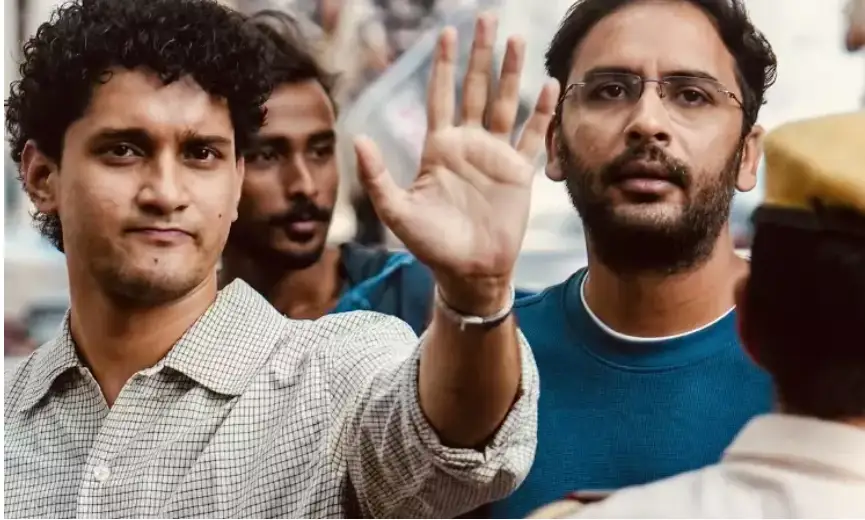
CJP leaders Saurav Das, Ashutosh Ranka, Ajinkya Shinde sent to 5-day judicial custody
Three CJP leaders, Saurav Das, Ashutosh Ranka and Ajinkya Shinde, were placed under preventive arrest following a protest at Delhi’s Jantar Mantar over Chief Election Commissioner Gyanesh Kumar.

India News
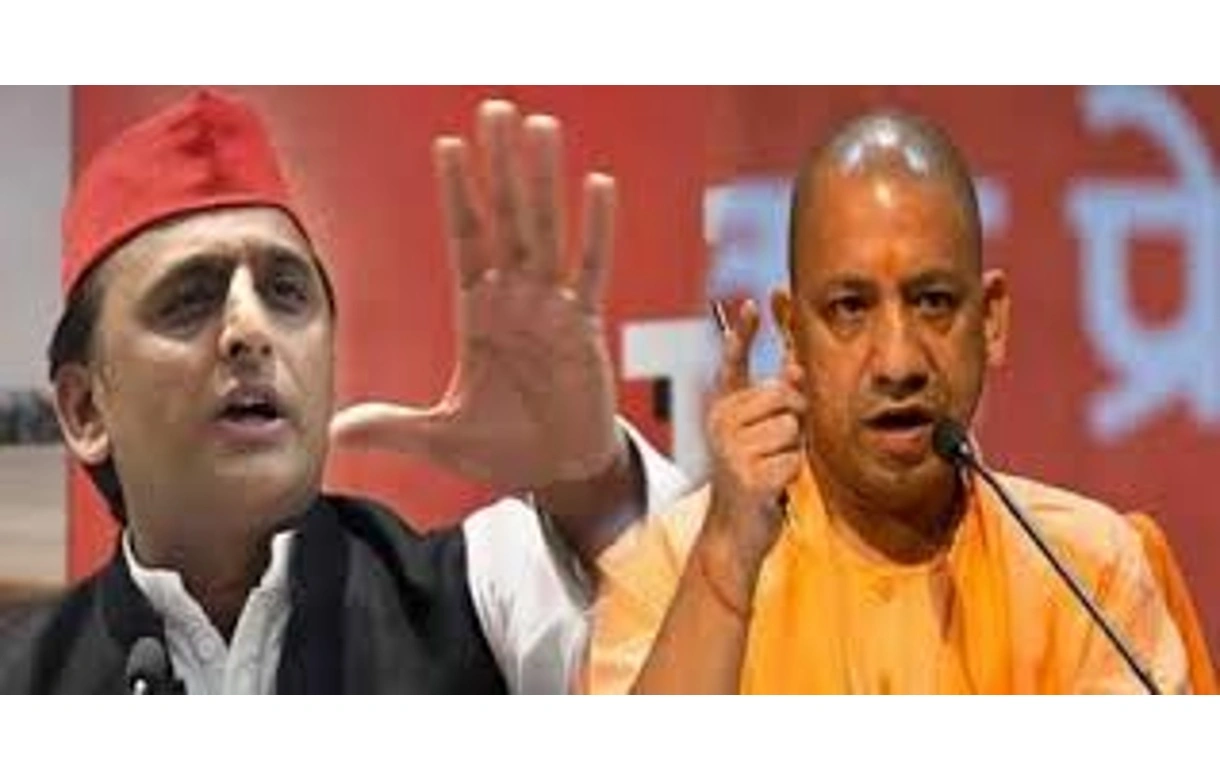
BJP focuses on religion as opposition pushes BDM strategy in UP
The BJP is emphasising religious issues ahead of the Uttar Pradesh Assembly elections, while opposition parties are seeking to consolidate Backward, Dalit and Minority voters. Recent exchanges involving Yogi Adityanath, Akhilesh Yadav and Asaduddin Owaisi have added to the political contest over the state’s electoral narrative.
India News
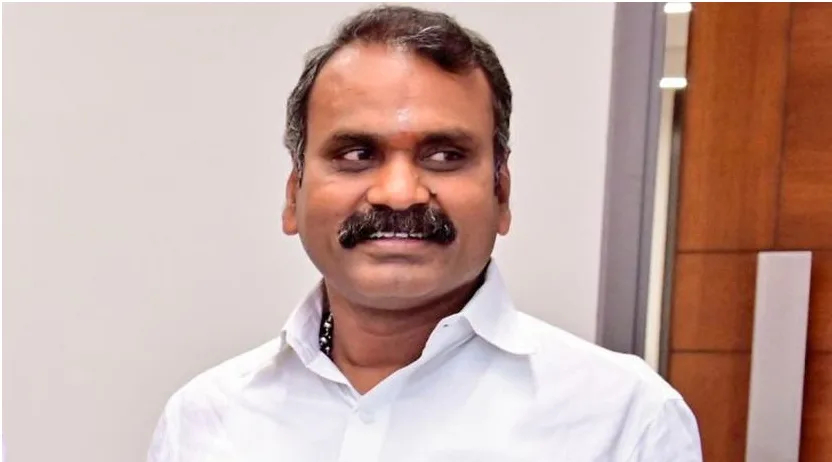
L Murugan quits Union ministry to strengthen BJP in Tamil Nadu
L Murugan has resigned from his Union ministerial post and Rajya Sabha membership, saying he wants to return to grassroots politics and dedicate himself to strengthening the BJP in Tamil Nadu before the 2029 Lok Sabha elections.

India-US trade deal first phase finalised, drafting underway

Election Commission orders voter roll revision in 17 states, UTs

Delhi Police offers 11-person limit for CJP’s Connaught Place protest

Actor Imran Khan asked to leave India after CJP protest

Mallikarjun Kharge’s ‘Your Friends’ jab at Rahul Gandhi over congress exits

Magnitude 7 earthquake strikes Russia’s Kamchatka Peninsula

Delhi deploys 25,000 personnel, installs CCTV cameras ahead of CJP march
Mallikarjun Kharge’s ‘Your Friends’ jab at Rahul Gandhi over congress exits
Delhi Police offers 11-person limit for CJP’s Connaught Place protest
Actor Imran Khan asked to leave India after CJP protest

Afghan Men Try To Hang With The Jet Engine Of The Aircraft in Kabul- Afghanistan News – Kabul News
Trending Top 10 News: 10000 Crore Fine on Flipkart, Apple to Launch Unique Feature, Hdfc Bank Job Ad

Trending Top 10 News: Nokia 6310, Apple sales, Bachpan ka Pyar Video Kid, Dainik Bhaskar IT Raid

Trending Top 10 News: Canada bans Indian flights, Rain in Delhi NCR, AIMIM Twitter hacked, Raj Kundra case

Trending Top 10 News: Shein India, Apple New Service, Pocket Oxygen, Oppo Launched New Phone
-
 India News23 hours ago
India-US trade deal first phase finalised, drafting underway
-
 India News20 hours ago
Election Commission orders voter roll revision in 17 states, UTs
-
 India News19 hours ago
Delhi Police offers 11-person limit for CJP’s Connaught Place protest
-
 India News20 hours ago
Actor Imran Khan asked to leave India after CJP protest
-
 India News7 hours ago
Mallikarjun Kharge’s ‘Your Friends’ jab at Rahul Gandhi over congress exits
-
 India News7 hours ago
Delhi deploys 25,000 personnel, installs CCTV cameras ahead of CJP march
-
 Latest world news7 hours ago
Magnitude 7 earthquake strikes Russia’s Kamchatka Peninsula
