
India News
Bengaluru’s Largest Lake Bellandur Goes Up In Flames Again As Pollution Goes Unchecked


A water body going up in flames may seem unusual, but it is becoming a regular occurrence at Bellandur lake of Bengaluru, Karnataka. On Friday, January 19, it caught fire for the third time.
The blaze was so intense, it took over 5,000 armymen and firefighters more than seven hours to bring it under control, NDTV reported. Huge plumes of smoke could be seen billowing over the lake even from a distance, said media reports.
The lake, spread over 3.61 sq km – about 1000 acres – in the suburb of Bellandur in the southeast of the city of Bengaluru, is a part of Bellandur drainage system that drains the southern and the south-eastern parts of the city and is the largest lake in the city.
Infamous for severe pollution and froth that spills over, major fires had broken out in the lake earlier on February 16 and May 7, 2017, following which the National Green Tribunal (NGT) had rolled out orders on shutting down industries near Bellandur lake. The lake receives about 40 per cent of the city’s sewage.
In August it spewed out so much toxic foam that residents living nearby complained they had to stay indoors.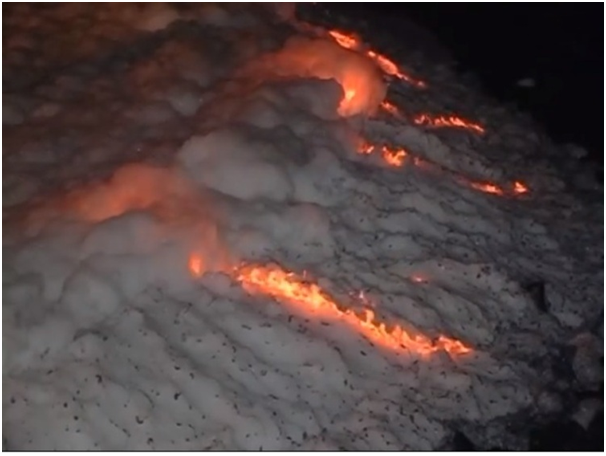
On Friday, a major blaze and massive plumes of smoke were first spotted in the morning. While fire tenders were sent to the spot, the vehicles could not access the point of the blaze, said media reports quoting officials.
The fire began, reportedly, in the grasslands by the banks of the massive lake. Later in the afternoon, the fire started spreading into the Iblur firing range of the army.
Army personnel, firefighters with fire fighting equipment tried to douse the flames. A jet fighter engine that can throw water up to 300 metres was rushed in to fight the fire. An army man was bitten by a snake during the operation as the heat from the fire forced several reptiles out of the lake, Major General Narpat Singh Rajpurohit, commandant of the Army Service Corps Centre told NDTV.
The flames were doused on Friday evening, but started again later in the evening in two places, said media reports. The second fire was put out late Friday night, said media reports.
“The fire, which had come up to the perimeter of the army land, has been put out due to the untiring efforts of more than 5,000 army personnel and fire fighting equipment of the ASC College and Centre,” said a statement by the defence forces.
Environmentalists blame the practice of dumping untreated sewage and pollutants in the lakes for the severe pollution.
In April 2017, the National Green Tribunal had ordered the Karnataka government to shut down all industrial units around the Bellandur lake. It had also announced a fine of Rs 5 lakh to be imposed on anyone dumping waste in and around the lake. Reports said the Bangalore Development Authority (BDA) has been working to remove weeds and is using high-power pumps and coir foam mattresses and other filtering techniques to stop the frothing. It has had little impact.
The Environment Ministry had said in 2016 that everyday about 1,280 million litres of sewage is generated in Bengaluru, while the city’s infrastructure has the capacity to handle only 721 million litres of sewage. Since 137 out of 500 sewage treatment plants are defunct, only 600 million litres sewage is treated and the rest goes to the lakes.
The fire was testimony to the gathered pollution and decaying organic waste in the lake. While there are different takes about what started the fire, methane build-up in the lake is believed to have aggravated the blaze.










India News
Late-March western disturbance brings 1,000-km rain band across India, Pakistan and Afghanistan
An unusual western disturbance has created a 1,000-km rain band, bringing widespread storms, rainfall and hail across parts of India and neighbouring countries.

India News
Mamata Banerjee slams poll body over officials’ transfer, calls move unprecedented
Mamata Banerjee has criticised the Election Commission for transferring senior officials ahead of West Bengal elections, alleging bias and procedural overreach.

India News
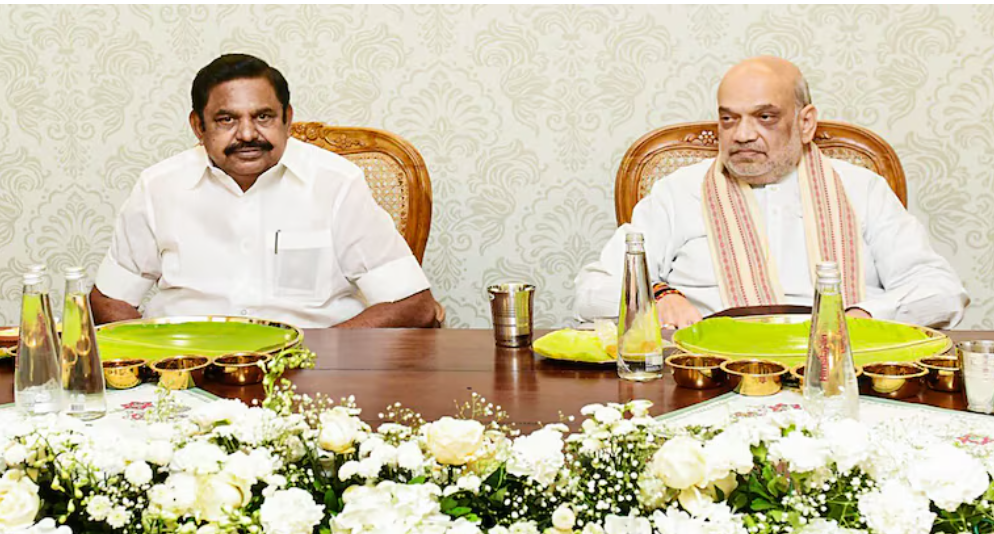
AIADMK-BJP seat-sharing talks to be finalised soon, says Edappadi K Palaniswami after Amit Shah meet
AIADMK chief Edappadi K Palaniswami says seat-sharing talks with BJP are in final stages and will conclude within days ahead of Tamil Nadu 2026 elections.

Mamata Banerjee slams poll body over officials’ transfer, calls move unprecedented

PM Modi speaks to Qatar, France, Jordan, Oman and Malaysia leaders on Middle East tensions

Oppo K14 5G launched in India with 7000mAh battery, starts at Rs 17,999

AIADMK-BJP seat-sharing talks to be finalised soon, says Edappadi K Palaniswami after Amit Shah meet

Late-March western disturbance brings 1,000-km rain band across India, Pakistan and Afghanistan

Eid Mubarak 2026 wishes and greetings highlight joy and togetherness

Bangladesh envoy meets S Jaishankar, Dhaka foreign minister may visit India in April
Late-March western disturbance brings 1,000-km rain band across India, Pakistan and Afghanistan
Oppo K14 5G launched in India with 7000mAh battery, starts at Rs 17,999
Mamata Banerjee slams poll body over officials’ transfer, calls move unprecedented

Afghan Men Try To Hang With The Jet Engine Of The Aircraft in Kabul- Afghanistan News – Kabul News
Trending Top 10 News: 10000 Crore Fine on Flipkart, Apple to Launch Unique Feature, Hdfc Bank Job Ad

Trending Top 10 News: Nokia 6310, Apple sales, Bachpan ka Pyar Video Kid, Dainik Bhaskar IT Raid

Trending Top 10 News: Canada bans Indian flights, Rain in Delhi NCR, AIMIM Twitter hacked, Raj Kundra case

Trending Top 10 News: Shein India, Apple New Service, Pocket Oxygen, Oppo Launched New Phone
-
 India News12 hours ago
Mamata Banerjee slams poll body over officials’ transfer, calls move unprecedented
-
 Latest world news12 hours ago
PM Modi speaks to Qatar, France, Jordan, Oman and Malaysia leaders on Middle East tensions
-
 Gadgets12 hours ago
Oppo K14 5G launched in India with 7000mAh battery, starts at Rs 17,999
-
 India News13 hours ago
AIADMK-BJP seat-sharing talks to be finalised soon, says Edappadi K Palaniswami after Amit Shah meet
-
 India News6 hours ago
Late-March western disturbance brings 1,000-km rain band across India, Pakistan and Afghanistan
-
 Latest world news2 hours ago
Bangladesh envoy meets S Jaishankar, Dhaka foreign minister may visit India in April
-
 Festivals2 hours ago
Eid Mubarak 2026 wishes and greetings highlight joy and togetherness
