India News
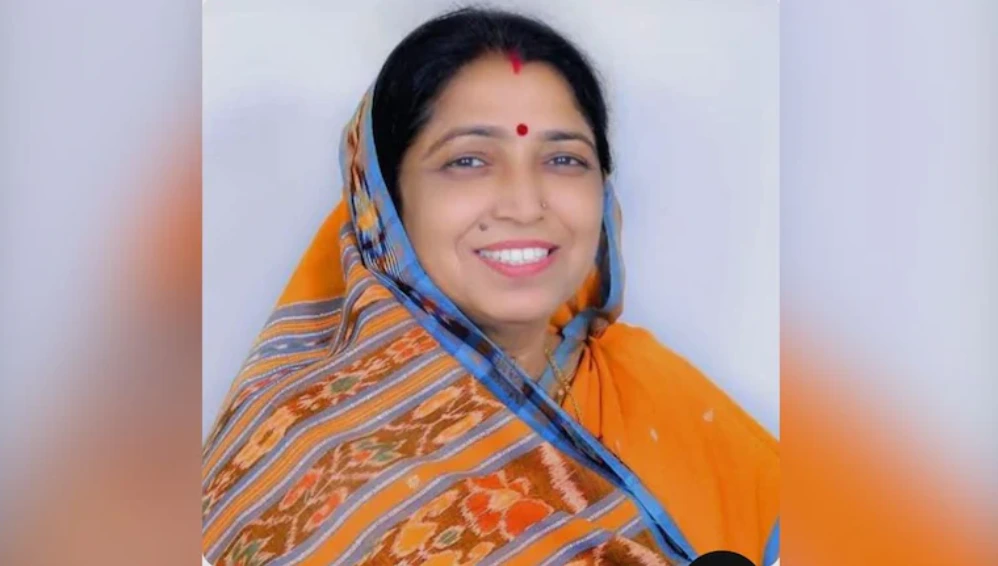
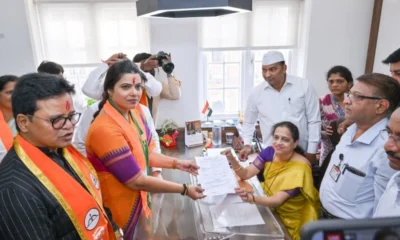
BJP nominates Laxmi Verma to Rajya Sabha from Chhattisgarh
The BJP has announced Laxmi Verma as its Rajya Sabha nominee from Chhattisgarh, with her election considered certain given the party’s Assembly strength.







India News
Total lunar eclipse on March 3: When and how to watch blood moon safely
A total lunar eclipse on March 3 will create a stunning blood moon. Here are the timings, visibility details and safe viewing tips for India and other regions.

India News
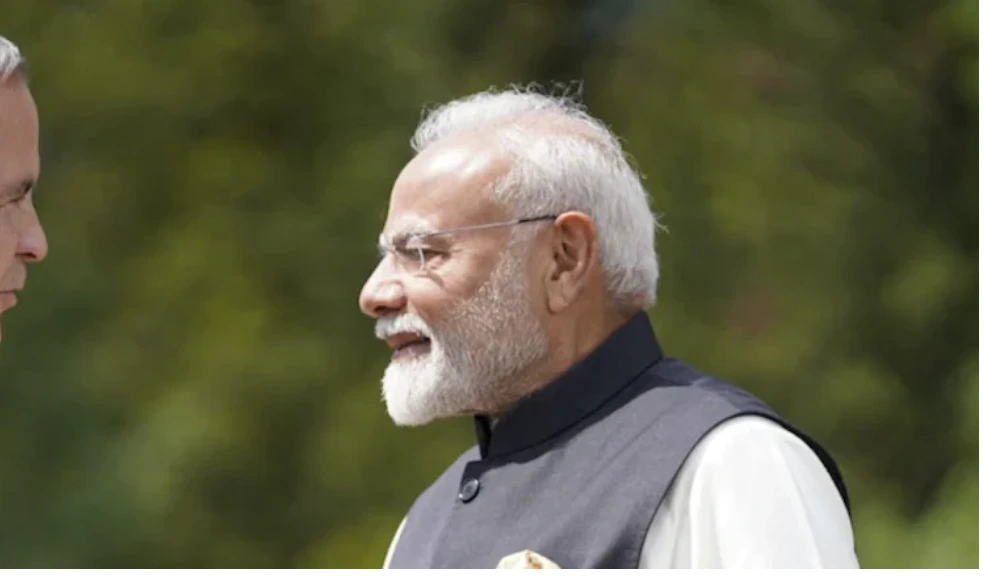
PM Modi to review ministry reforms in next cabinet meeting, ministers asked to submit impact report
PM Narendra Modi will review major reforms undertaken by ministries since the formation of the government in June 2024, with ministers directed to submit a two-page impact report.
India News
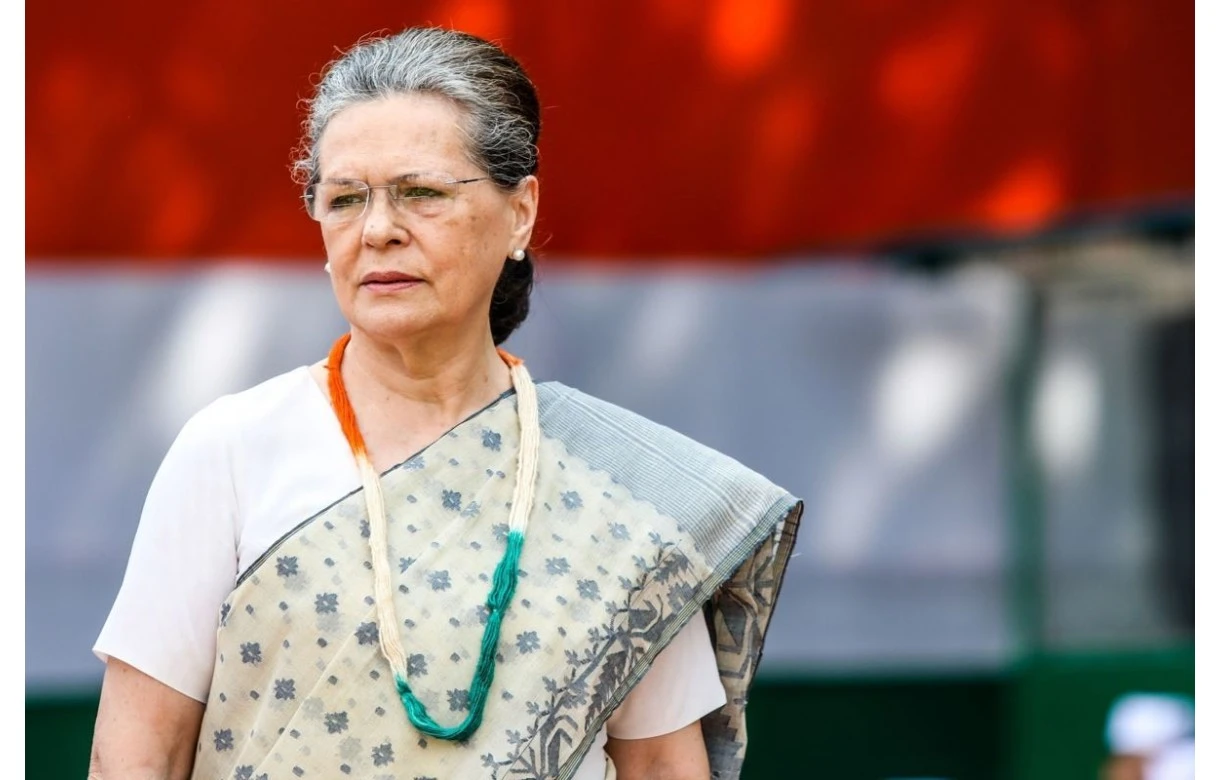
Sonia Gandhi questions Centre’s silence on Khamenei killing, cites Iran’s past support on Kashmir

Srinagar city centre sealed after protests over Khamenei death turn violent

Sonia Gandhi questions Centre’s silence on Khamenei killing, cites Iran’s past support on Kashmir

PM Modi to review ministry reforms in next cabinet meeting, ministers asked to submit impact report

Total lunar eclipse on March 3: When and how to watch blood moon safely

Happy Holi 2026 wishes and messages to share with your loved ones

BJP nominates Laxmi Verma to Rajya Sabha from Chhattisgarh

ICC Men’s T20 World Cup: Who advances if India vs England semifinal is washed out
Happy Holi 2026 wishes and messages to share with your loved ones
Total lunar eclipse on March 3: When and how to watch blood moon safely
PM Modi to review ministry reforms in next cabinet meeting, ministers asked to submit impact report

Afghan Men Try To Hang With The Jet Engine Of The Aircraft in Kabul- Afghanistan News – Kabul News
Trending Top 10 News: 10000 Crore Fine on Flipkart, Apple to Launch Unique Feature, Hdfc Bank Job Ad

Trending Top 10 News: Nokia 6310, Apple sales, Bachpan ka Pyar Video Kid, Dainik Bhaskar IT Raid

Trending Top 10 News: Canada bans Indian flights, Rain in Delhi NCR, AIMIM Twitter hacked, Raj Kundra case

Trending Top 10 News: Shein India, Apple New Service, Pocket Oxygen, Oppo Launched New Phone
-
 India News24 hours ago
Srinagar city centre sealed after protests over Khamenei death turn violent
-
 India News9 hours ago
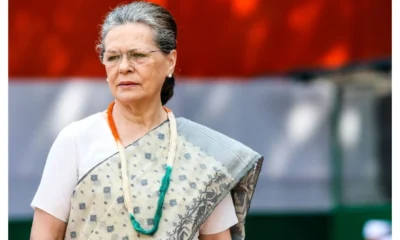
Sonia Gandhi questions Centre’s silence on Khamenei killing, cites Iran’s past support on Kashmir
-
 India News9 hours ago
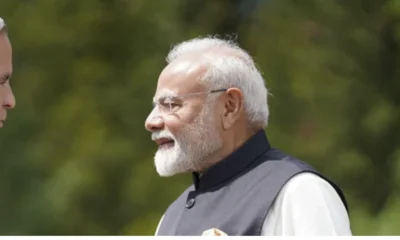
PM Modi to review ministry reforms in next cabinet meeting, ministers asked to submit impact report
-
 India News9 hours ago
Total lunar eclipse on March 3: When and how to watch blood moon safely
-
 Festivals8 hours ago
Happy Holi 2026 wishes and messages to share with your loved ones
-
 Cricket news4 hours ago
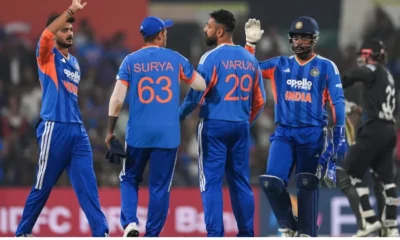
ICC Men’s T20 World Cup: Who advances if India vs England semifinal is washed out