
India News
A CBI sting for Mamata

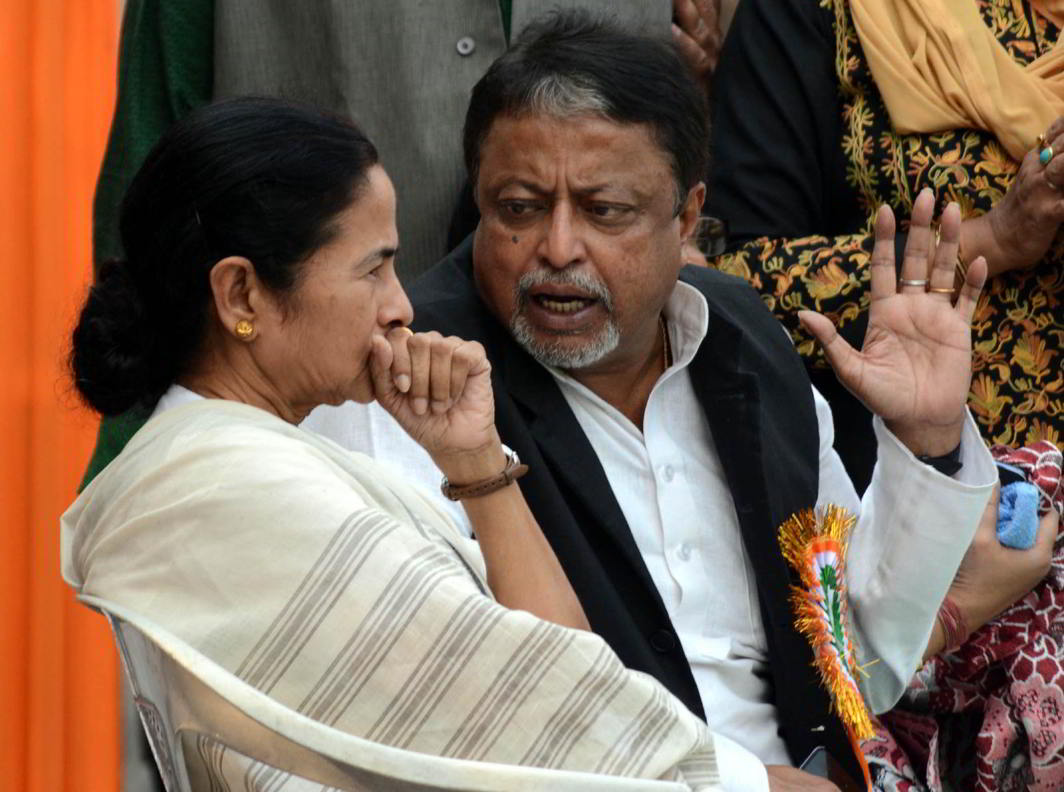
[vc_row][vc_column][vc_column_text]With the Calcutta High Court ordering a probe by the same agency into the Narada sting, is another fight brewing between Modi and the West Bengal CM?
By Sujit Bhar
With the BJP sweeping polls in Uttar Pradesh and then cleverly annexing Goa and Manipur as well – Uttarakhand was also a clear win for BJP – the Trinamool Congress (TMC) of West Bengal and Chief Minister Mamata Banerjee were in a state of flux and apparent shock. Mamata saw the dream of a “secular opposition” collapse like a pack of cards and the defection to the BJP of its only MLA in Manipur did not help matters.
Now, suddenly, a scandal from the past has resurfaced, hitting the party hard. The Calcutta High Court has ordered a CBI probe into a sting operation carried out last year by a private online news portal (Narada News), against 14 TMC members, MPs, ministers and even a senior police official close to the party head honchos.
On March 17, the court directed the CBI to investigate the 2016 sting operation. The instruction of a three-day time limit to the CBI for a preliminary report was given by a bench of Chief Justice Nishita Mhatre and Justice Tapabrata Chakraborty. The bench also gave the police 24 hours (which ends on March 18) to hand over all documents pertaining to the case to the CBI.
The court has been moved by three PILs filed before it on this issue last year, seeking an independent inquiry into the overall sting operation.
Mamata has reacted with usual panache, saying that she was ready to go to the Supreme Court in this issue, if needs be. She has been reported as saying: “Everyone knows that the sting was published from the BJP office. We are going to the higher court against the Calcutta High Court order.”
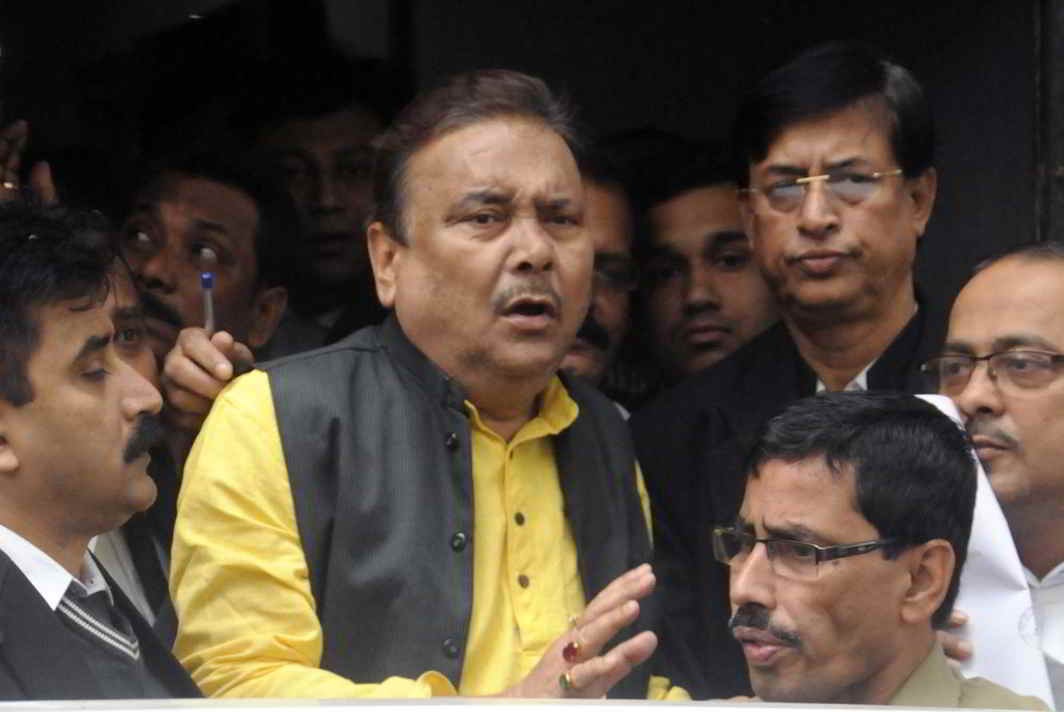
Minister Madan Mitra who was jailed for his hand in the Saradha chit fund scam is also an accused
The sting operation had little effect on the elections, with Mamata coming back to power with an even bigger mandate. One minister was jailed thereafter (Madan Mitra), having been released on bail only recently, but he was arrested because of his association with the Saradha chit fund scam. Also in jail is senior TMC leader Mukul Roy, also associated with the Saradha scam. The Narada sting has yet to affect any TMC leader or operative. However, with the CBI taking over the investigation, things could turn out very different for Mamata.
Mamata has always maintained that the CBI is under the control of the central government, and her recent spat with Prime Minister Narendra Modi has left the central leadership angry. If the centre does want to influence the investigation, then manipulating the CBI would be easy. That will leave the TMC with no backdoor exit.
If the sting was indeed made to destabilise the state government before the elections, its repercussions now might have a larger effect on the party and its leadership, especially on Mamata, who has been known to be the only “untainted” leader.
This court order could open doors to further embarrassment for the party.
THE STING
Midway through 2016, and just before the assembly elections in West Bengal, TMC and Mamata were shocked to find the video of a sting operation in the media. Done by Narada News, a private online channel owned and operated by “journalist” Mathew Samuel, a number of videos were circulated to leading media houses.
The video showed 14 members of TMC, including top MPs, ministers, activists and even a senior police officer accepting wads of currency notes totalling nearly Rs 70 lakhs with the promise of future favours. Offering the “bribes” was Samuel, pretending to be a businessman from Chennai who wanted to apparently speed up operations when his fake company starts operations in the state.
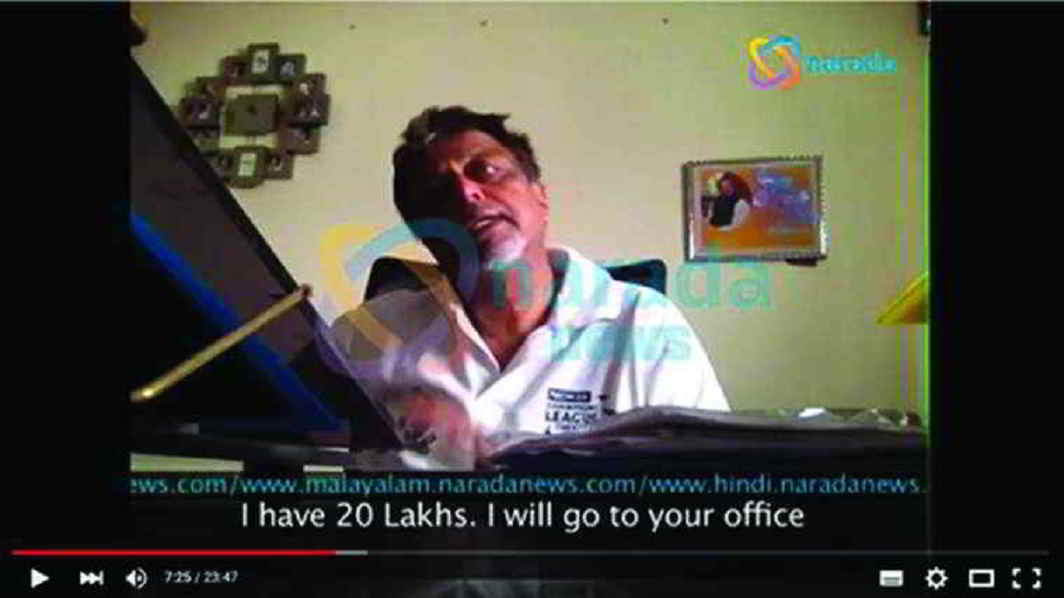
A video grab of the sting
The timing of the release of the video – just before elections – was a critical angle, because Samuel had later admitted that the videos with a hidden camera were shot quite some time back. Parties in opposition in West Bengal, including the Congress, the CPI (M) and the BJP, had demanded a CBI probe into the matter and the Calcutta High Court had taken the matter into consideration, following the three PILs filed before it.
An appeal from the TMC to hold onto the matter till elections were over was rejected by the High Court bench of the then Chief Justice Manjula Chellur and Justice Arijit Banerjee and it directed Narada News to submit the video footage of its sting.
Caught on video taking “bribes” were TMC MPs Saugata Roy, Suvendu Adhikari, Sultan Ahmed, Aparupa Poddar, Kakoli Ghosh Dastidar and Prasun Banerjee, state ministers Subrata Mukherjee, Firhad Hakim, Madan Mitra, Kolkata Mayor Sovan Chatterjee, MLA Iqbal Ahmed and senior IPS officer SMH Mirza.
ALSO READ: “Stinging the Trinamool Congress” [/vc_column_text][/vc_column][/vc_row]







India News
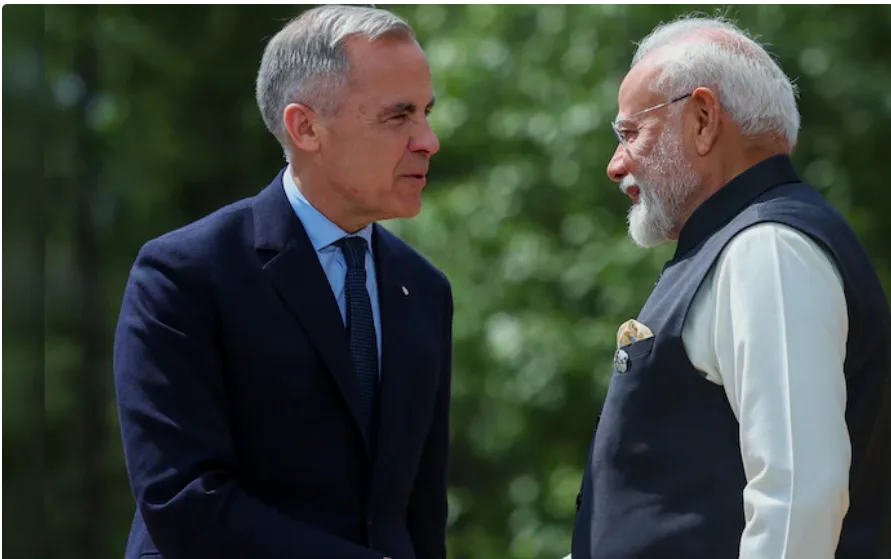
PM Modi speaks to Mark Carney as India and Canada push to strengthen ties
Prime Minister Narendra Modi held a telephone conversation with Canadian Prime Minister Mark Carney on October 13, with both leaders agreeing to strengthen India-Canada ties and pursue concrete outcomes across key areas of their strategic partnership.

India News
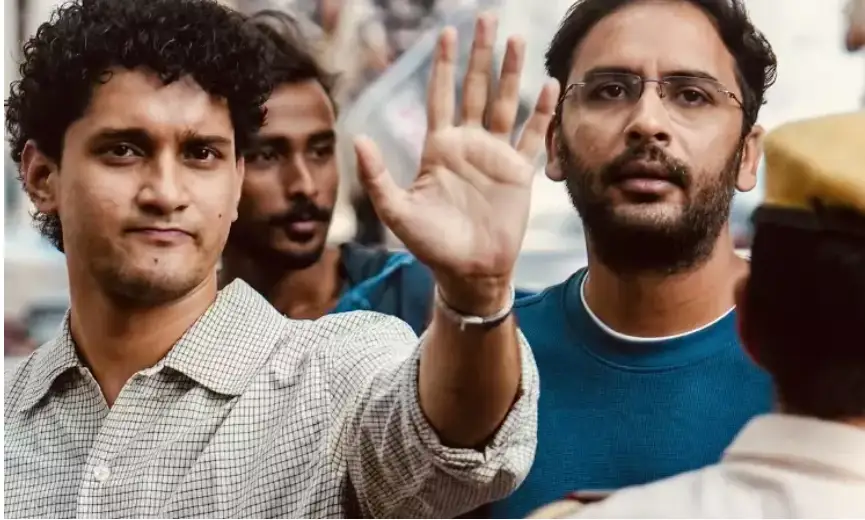
CJP leaders Saurav Das, Ashutosh Ranka, Ajinkya Shinde sent to 5-day judicial custody
Three CJP leaders, Saurav Das, Ashutosh Ranka and Ajinkya Shinde, were placed under preventive arrest following a protest at Delhi’s Jantar Mantar over Chief Election Commissioner Gyanesh Kumar.
India News
BJP focuses on religion as opposition pushes BDM strategy in UP
The BJP is emphasising religious issues ahead of the Uttar Pradesh Assembly elections, while opposition parties are seeking to consolidate Backward, Dalit and Minority voters. Recent exchanges involving Yogi Adityanath, Akhilesh Yadav and Asaduddin Owaisi have added to the political contest over the state’s electoral narrative.


Supreme Court stays defamation case against Rahul Gandhi over PM Modi remarks

CJP claims Saurav Das, Ashutosh Ranka detained at Jantar Mantar

Rahul Gandhi hosts high tea for INDIA bloc after Gyanesh Kumar protests

L Murugan quits Union ministry to strengthen BJP in Tamil Nadu

Amit Shah attacks Rahul Gandhi over Congress poll losses, questions SIR row

PM Modi speaks to Mark Carney as India and Canada push to strengthen ties

S Jaishankar says India is a natural option for Russia amid Europe tensions

CJP leaders Saurav Das, Ashutosh Ranka, Ajinkya Shinde sent to 5-day judicial custody

BJP focuses on religion as opposition pushes BDM strategy in UP
L Murugan quits Union ministry to strengthen BJP in Tamil Nadu

Afghan Men Try To Hang With The Jet Engine Of The Aircraft in Kabul- Afghanistan News – Kabul News
Trending Top 10 News: 10000 Crore Fine on Flipkart, Apple to Launch Unique Feature, Hdfc Bank Job Ad

Trending Top 10 News: Nokia 6310, Apple sales, Bachpan ka Pyar Video Kid, Dainik Bhaskar IT Raid

Trending Top 10 News: Canada bans Indian flights, Rain in Delhi NCR, AIMIM Twitter hacked, Raj Kundra case

Trending Top 10 News: Shein India, Apple New Service, Pocket Oxygen, Oppo Launched New Phone
-
 India News22 hours ago
Supreme Court stays defamation case against Rahul Gandhi over PM Modi remarks
-
 India News23 hours ago
CJP claims Saurav Das, Ashutosh Ranka detained at Jantar Mantar
-
 India News14 hours ago
Rahul Gandhi hosts high tea for INDIA bloc after Gyanesh Kumar protests
-
 India News13 hours ago
L Murugan quits Union ministry to strengthen BJP in Tamil Nadu
-
 India News13 hours ago
Amit Shah attacks Rahul Gandhi over Congress poll losses, questions SIR row
-
 India News12 hours ago
BJP focuses on religion as opposition pushes BDM strategy in UP
-
 India News58 mins ago
CJP leaders Saurav Das, Ashutosh Ranka, Ajinkya Shinde sent to 5-day judicial custody
-
 Latest world news45 mins ago
S Jaishankar says India is a natural option for Russia amid Europe tensions

