
India News
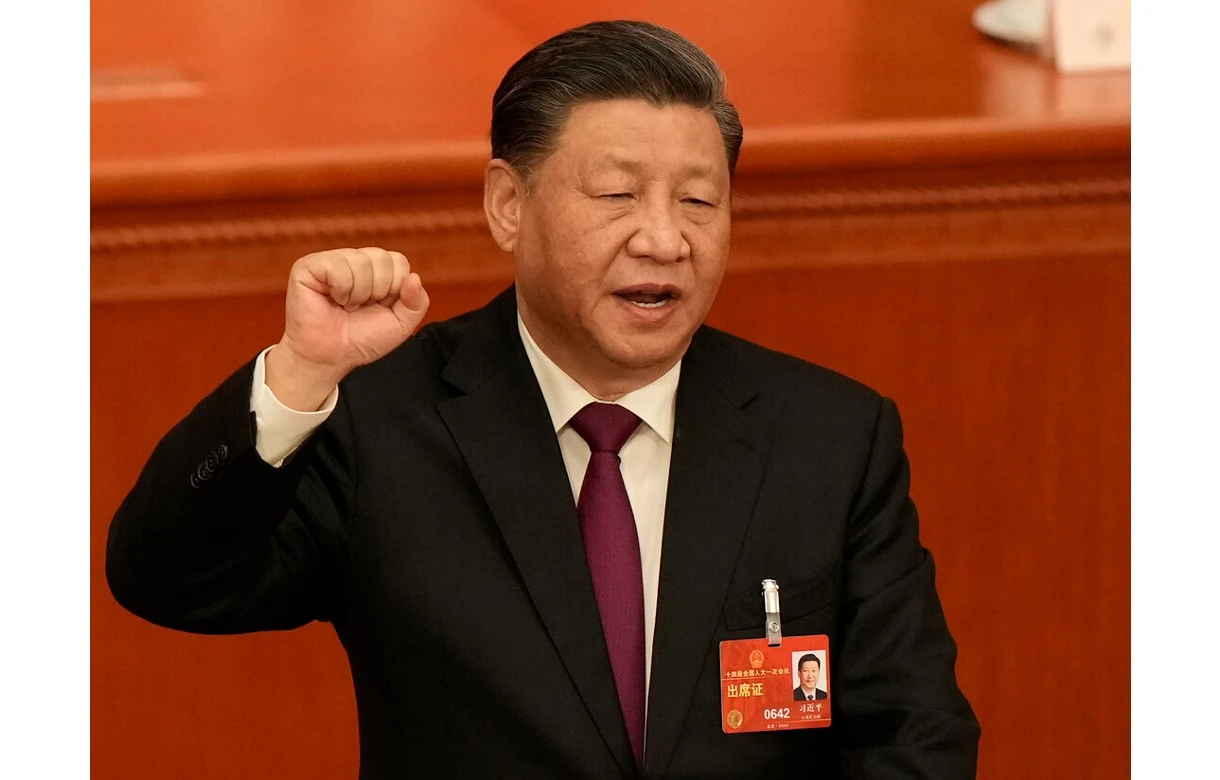
China hits out at Trump’s tariff imposition, says Beijing believes no winner in trade war
The Finance and Commerce ministries announced plans to contest the tariff, set to take effect on Tuesday, at the World Trade Organization (WTO) and to retaliate with unspecified countermeasures.










India News
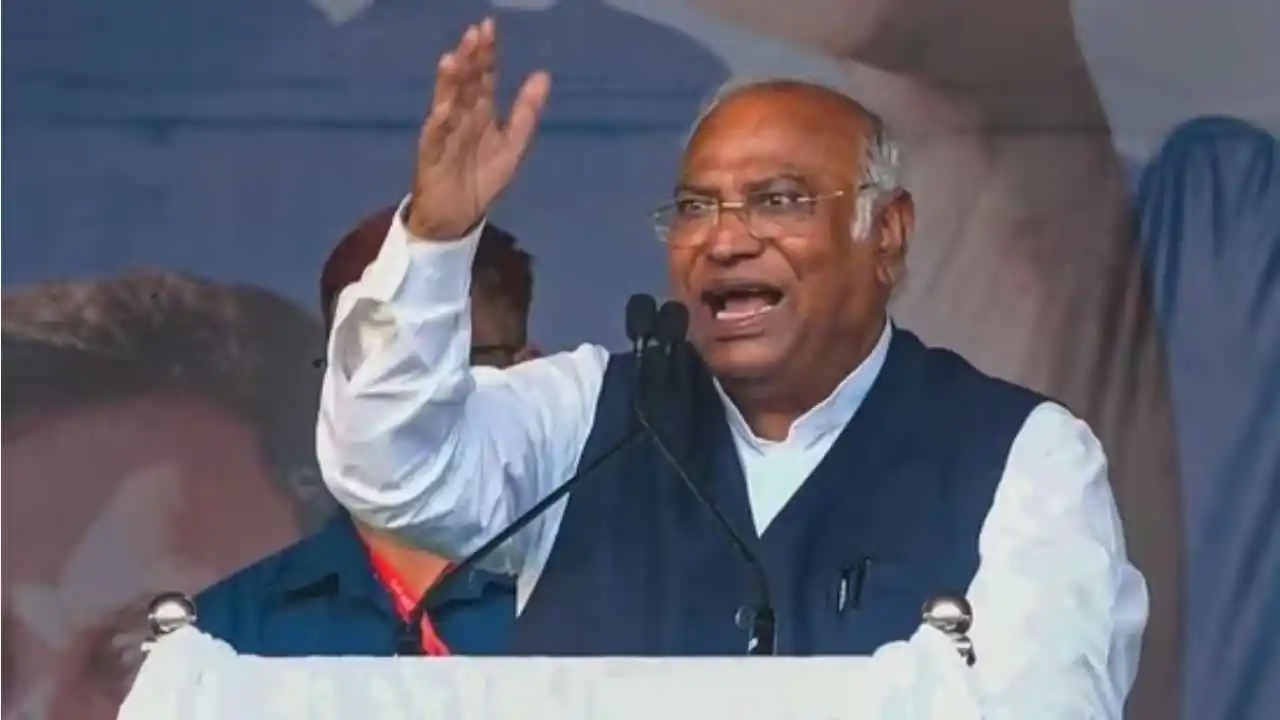
Mallikarjun Kharge seeks all-party meeting with PM Modi on delimitation
Congress president Mallikarjun Kharge has written to Prime Minister Narendra Modi for the fourth time, seeking an all-party meeting on delimitation. He also flagged the 64-day delay in proroguing Parliament’s Monsoon Session.

India News
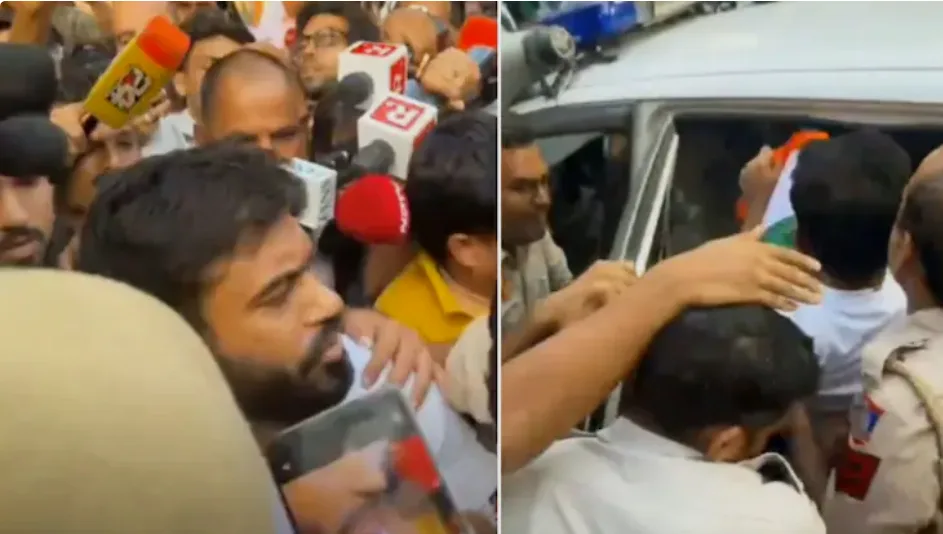
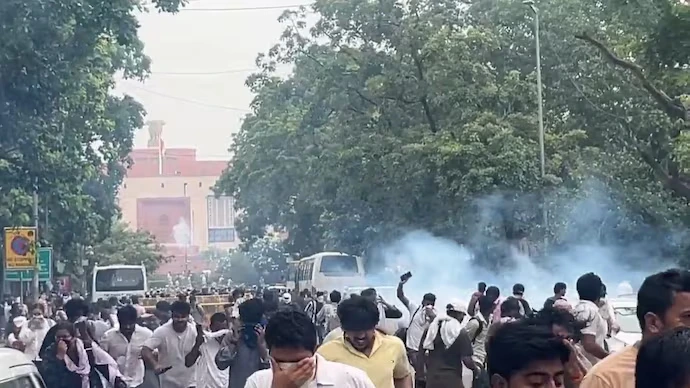
Abhijeet Dipke detained ahead of CJP’s national flag march in Delhi
Cockroach Janta Party founder Abhijeet Dipke was detained by Delhi Police on October 16, 2026, shortly before a planned national flag march. The proposed rally followed the judicial custody of two CJP members who had waved the Tricolour at Jantar Mantar.
India News
Delhi deploys 25,000 personnel, installs CCTV cameras ahead of CJP march
More than 25,000 police and paramilitary personnel have been deployed in Delhi ahead of the CJP’s planned protest march at Connaught Place. Authorities have also imposed restrictions and stepped up CCTV surveillance.

Election Commission orders voter roll revision in 17 states, UTs

Delhi Police offers 11-person limit for CJP’s Connaught Place protest

Actor Imran Khan asked to leave India after CJP protest

Magnitude 7 earthquake strikes Russia’s Kamchatka Peninsula

Mallikarjun Kharge’s ‘Your Friends’ jab at Rahul Gandhi over congress exits

Mallikarjun Kharge seeks all-party meeting with PM Modi on delimitation

Abhijeet Dipke detained ahead of CJP’s national flag march in Delhi
Magnitude 7 earthquake strikes Russia’s Kamchatka Peninsula

Delhi deploys 25,000 personnel, installs CCTV cameras ahead of CJP march
Mallikarjun Kharge’s ‘Your Friends’ jab at Rahul Gandhi over congress exits

Afghan Men Try To Hang With The Jet Engine Of The Aircraft in Kabul- Afghanistan News – Kabul News
Trending Top 10 News: 10000 Crore Fine on Flipkart, Apple to Launch Unique Feature, Hdfc Bank Job Ad

Trending Top 10 News: Nokia 6310, Apple sales, Bachpan ka Pyar Video Kid, Dainik Bhaskar IT Raid

Trending Top 10 News: Canada bans Indian flights, Rain in Delhi NCR, AIMIM Twitter hacked, Raj Kundra case

Trending Top 10 News: Shein India, Apple New Service, Pocket Oxygen, Oppo Launched New Phone
-
 India News24 hours ago
Election Commission orders voter roll revision in 17 states, UTs
-
 India News22 hours ago
Delhi Police offers 11-person limit for CJP’s Connaught Place protest
-
 India News23 hours ago
Actor Imran Khan asked to leave India after CJP protest
-
 Latest world news10 hours ago
Magnitude 7 earthquake strikes Russia’s Kamchatka Peninsula
-
 India News11 hours ago
Mallikarjun Kharge’s ‘Your Friends’ jab at Rahul Gandhi over congress exits
-
 India News10 hours ago
Delhi deploys 25,000 personnel, installs CCTV cameras ahead of CJP march
-
 India News1 hour ago
Abhijeet Dipke detained ahead of CJP’s national flag march in Delhi
-
 India News6 mins ago
Mallikarjun Kharge seeks all-party meeting with PM Modi on delimitation
