
India News
Govt cut ISRO scientists’ salaries when they were working on Chandrayan-2 mission


While the nation expresses pride and solidarity with the scientists of Indian Space Research Organisation (ISRO) racing against time to re-establish communication with Vikram lander that crashed on lunar surface, it isn’t so widely known that the government had reduced their salaries even while they were still working on the Chandrayan-2 mission.
The Central government decided to discontinue ‘additional’ increments that had been awarded to them since 1996.
ISRO scientists are reportedly protesting the cut and there is discontent across the ranks of the organisation.
The incentive in question was introduced in 1998, based on a 1996 Supreme Court order. As per the order, for different category of scientists, these incentives ranging from pre-revised pay scales of Rs 10,000 -15,200, Rs 12,000 -16,500, Rs 14,300 -18,300 and Rs 16,400 -20,000 were introduced.
The SC order also said that these increments will be considered part of the scientist’s pay.
Now, the government says that since the salaries of these scientists were revised as per the 6th central pay commission and because of a performance-based incentive system is already (up to 40% of basic salary) in place, this 1996 increment will be discontinued.
As per an Office Memorandum (OM) dated June 12, undersigned by Deputy Secretary to Department of Space M Ramadas, the two additional increments given to scientists/engineers of grade SD, SE, SF and SG are discontinued with effect from July 1, 2019.
The memorandum, reported in a section of online media, says, “consequent to implementation of 6th Central Pay Commission recommendation and introduction of Performance Related Incentive Scheme (PRIS) up to 40 per cent of basic pay for scientific and technical personnel in Department of Space (DoS), Ministry of Finance, Department of Expenditure has advised DoS to discontinue the incentive granted in the form of two additional increments to scientists/engineers – SD, SE, SF and SG grade personnel.”
In 1996, Centre had approved grant of two additional increments for SD to SG grade personnel in Department of Space in the pre-revised pay scale of Rs 10,000-15,200, Rs 12,000-16,500, Rs 14,300 18,300 and Rs 16,400-20,000.
“However, in the light of the advice of the Ministry of Finance, Department of Expenditure, it has been decided to discontinue the payment of incentive granted with effect from July 1, 2019,” the memorandum reads.
The employees have reportedly suffered a pay cut of Rs 10,000 per month on an average.
Space Engineers Association (SEA) submitted a representation to ISRO Chairman K Sivan seeking his intervention to persuade Central government to roll back the decision.
Also Read: Every Breath You Take, the DGCA Watches You
In the letter dated July 8, SEA president A Maniraman argued that even though the pay revisal under the 6th pay commission was reason cited by for reversal of this increment, the pay commission itself had recommended to continue these 1996 increments. He also argued that the performance-based incentive introduced recently can’t be compared with 1996 incentives, as the latter was part of the pay as per the Supreme Court.
“The PRIS offered to the engineers and the additional increments are entirely different. One is an incentive and other is pay and hence they cannot supplement each other,” Manimaran said in the letter.
The letter said they are entirely dependent on the salaries they receive and have no other means of earning money to support their families. Warning that the move could demotivate scientists the letter said the staff had been saddened as a result.
Congress MP Motilal Vora had also raised the issue in Parliament on July 30. He informed the Rajya Sabha that the additional increment had been implemented by the Department of Space in 1996 following the Supreme Court’s order, in which the apex court had said the increment should be treated as “payroll” in a manner. Vora appealed to the Rajya Sabha to get the government to stop deducting the salaries of ISRO scientists. 






India News
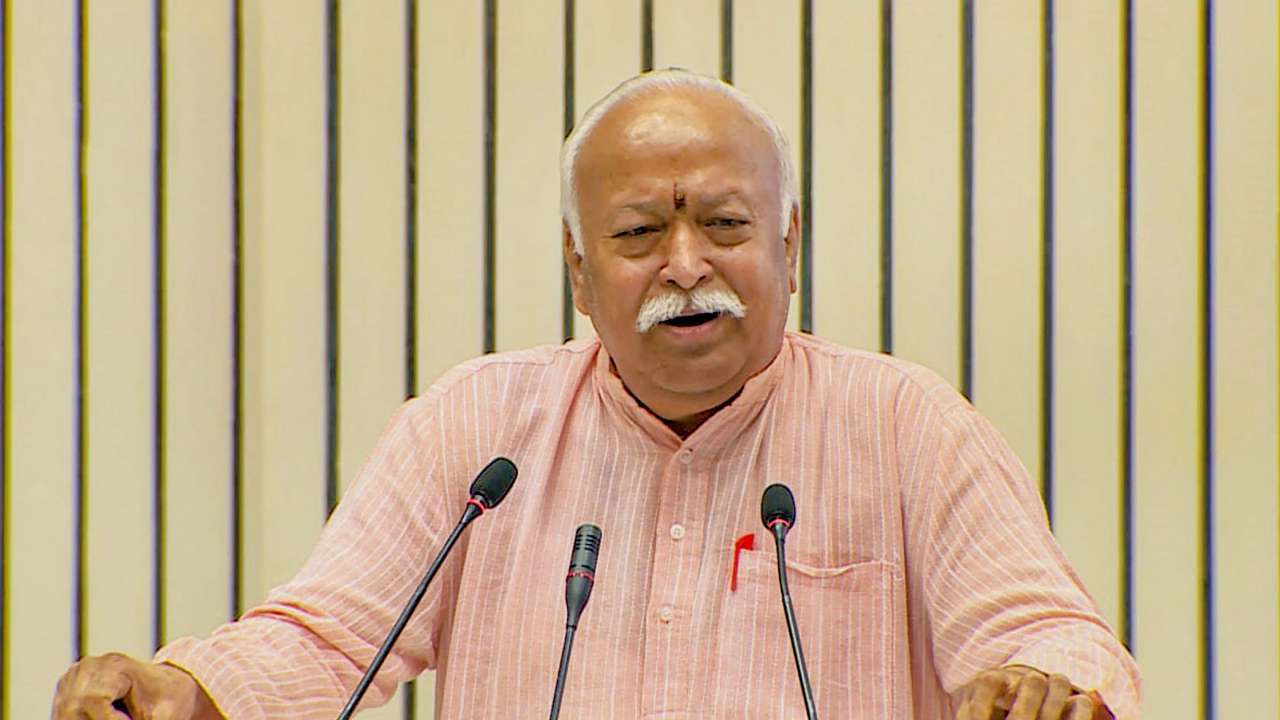
RSS not seeking political power, focused on uniting Hindu society, says Mohan Bhagwat
RSS chief Mohan Bhagwat said the organisation is not seeking political power but is focused on uniting Hindu society and promoting character-building during an interaction with athletes in Meerut.

India News
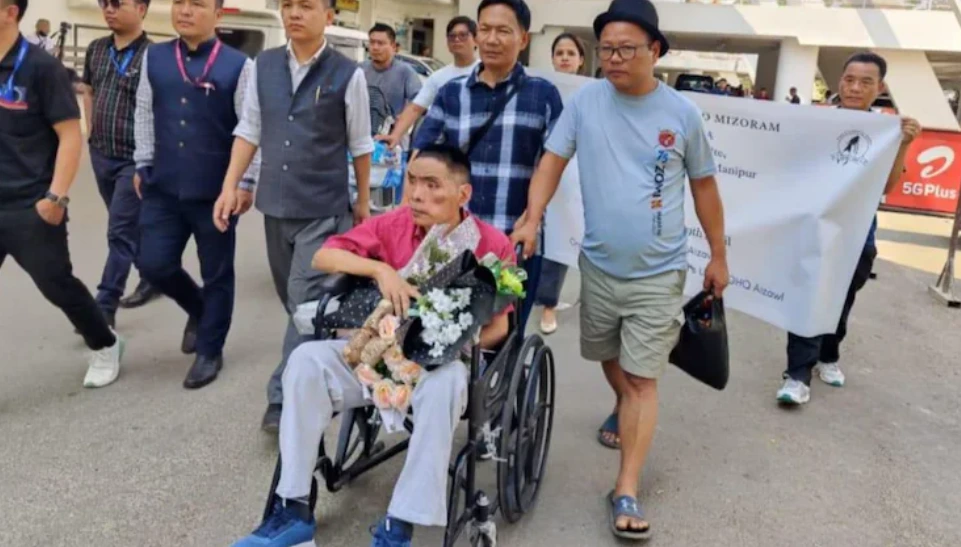
BJP MLA Vungzagin Valte dies after prolonged battle with injuries from Manipur violence
Manipur BJP MLA Vungzagin Valte has died in Gurugram nearly two years after suffering severe injuries in the 2023 ethnic violence in Imphal.
India News
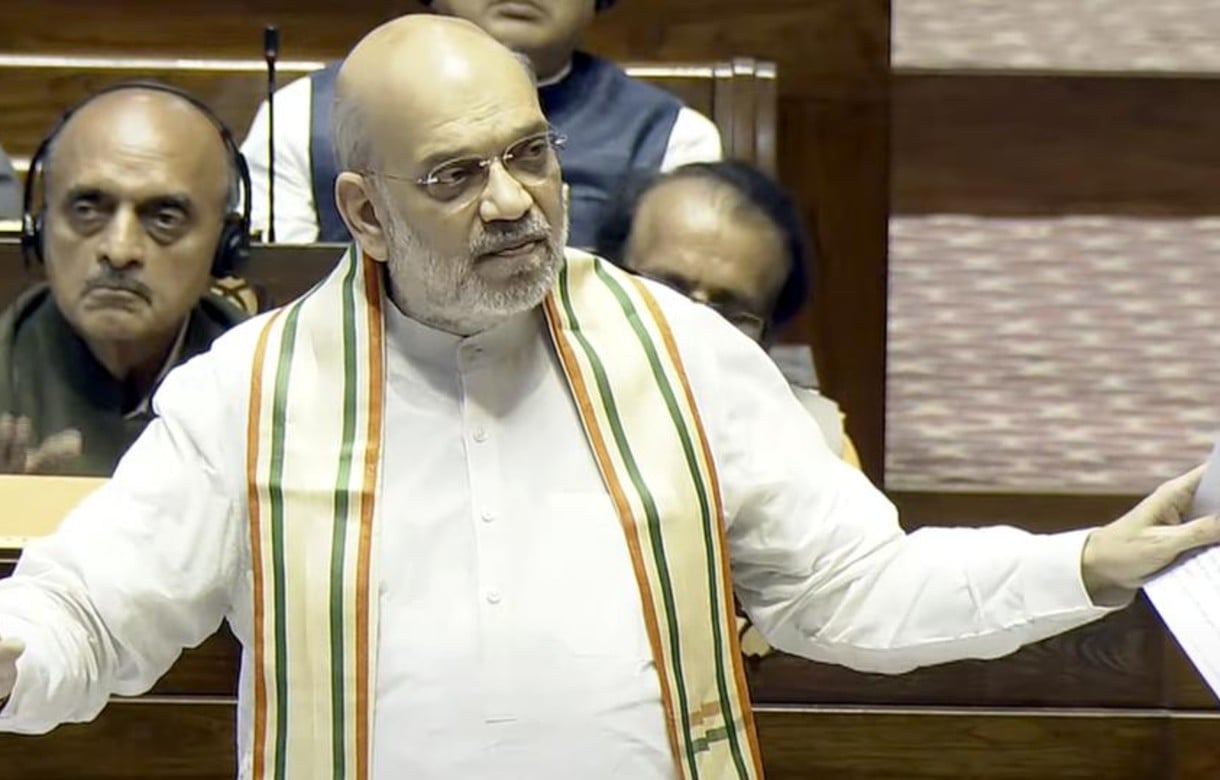
Amit Shah launches Rs 6,900 crore Vibrant Village Programme-II in Assam
Amit Shah has launched the Rs 6,900 crore Vibrant Village Programme-II in Assam to develop 140 villages along the Bangladesh border with improved infrastructure and employment opportunities.

Trump signs 10% global tariffs after US Supreme Court setback

PM Modi meets Sri Lankan President Dissanayake at AI summit, reviews connectivity agenda
RSS not seeking political power, focused on uniting Hindu society, says Mohan Bhagwat

India studying implications after US Supreme Court strikes down Trump’s global tariffs
India studying implications after US Supreme Court strikes down Trump’s global tariffs
RSS not seeking political power, focused on uniting Hindu society, says Mohan Bhagwat
PM Modi meets Sri Lankan President Dissanayake at AI summit, reviews connectivity agenda
Trump signs 10% global tariffs after US Supreme Court setback

BJP MLA Vungzagin Valte dies after prolonged battle with injuries from Manipur violence

Afghan Men Try To Hang With The Jet Engine Of The Aircraft in Kabul- Afghanistan News – Kabul News
Trending Top 10 News: 10000 Crore Fine on Flipkart, Apple to Launch Unique Feature, Hdfc Bank Job Ad

Trending Top 10 News: Nokia 6310, Apple sales, Bachpan ka Pyar Video Kid, Dainik Bhaskar IT Raid

Trending Top 10 News: Canada bans Indian flights, Rain in Delhi NCR, AIMIM Twitter hacked, Raj Kundra case

Trending Top 10 News: Shein India, Apple New Service, Pocket Oxygen, Oppo Launched New Phone
-
 Latest world news19 hours ago
Trump signs 10% global tariffs after US Supreme Court setback
-
 Latest world news19 hours ago
PM Modi meets Sri Lankan President Dissanayake at AI summit, reviews connectivity agenda
-
India News19 hours ago
RSS not seeking political power, focused on uniting Hindu society, says Mohan Bhagwat
-
 Latest world news10 hours ago
India studying implications after US Supreme Court strikes down Trump’s global tariffs
