
India News
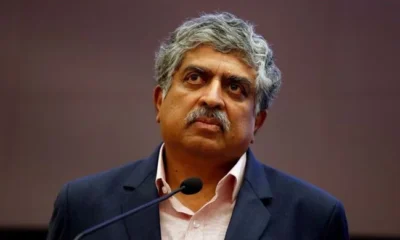
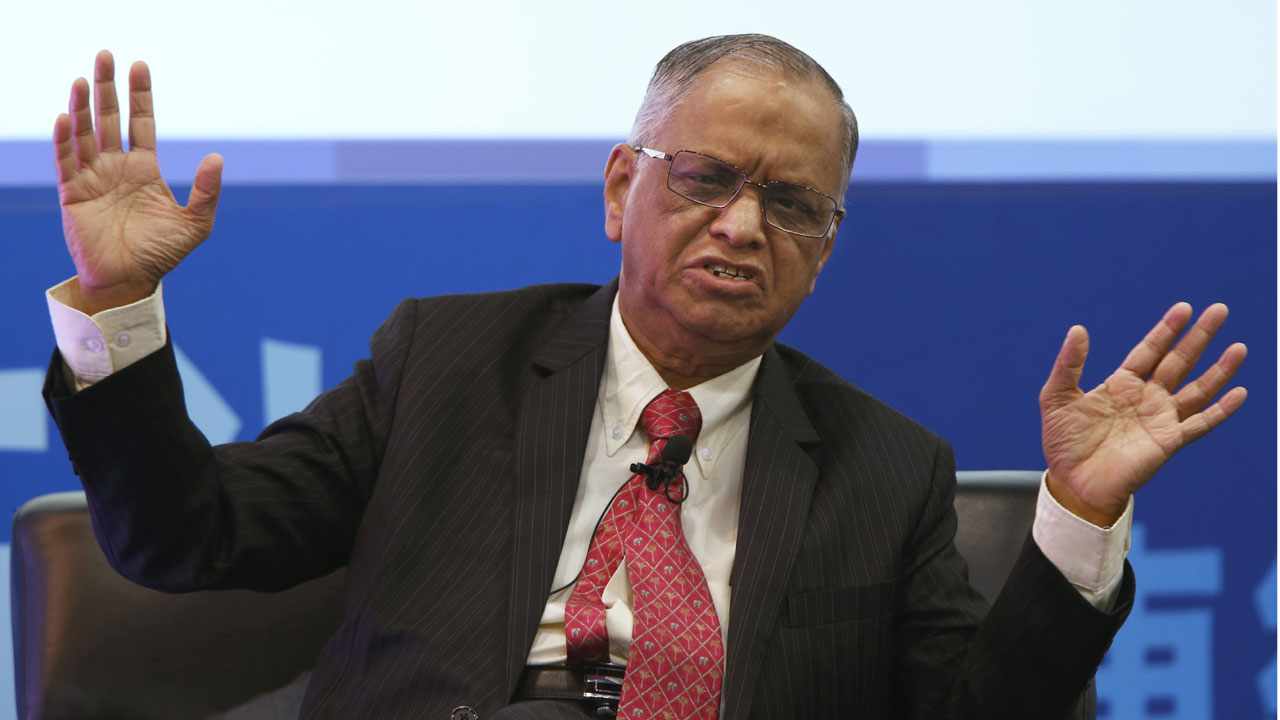
Infosys mandates 10-day work-from-office rule with new attendance system
Infosys has introduced a new attendance system requiring employees to work from the office for at least 10 days a month, limiting work-from-home flexibility.







India News
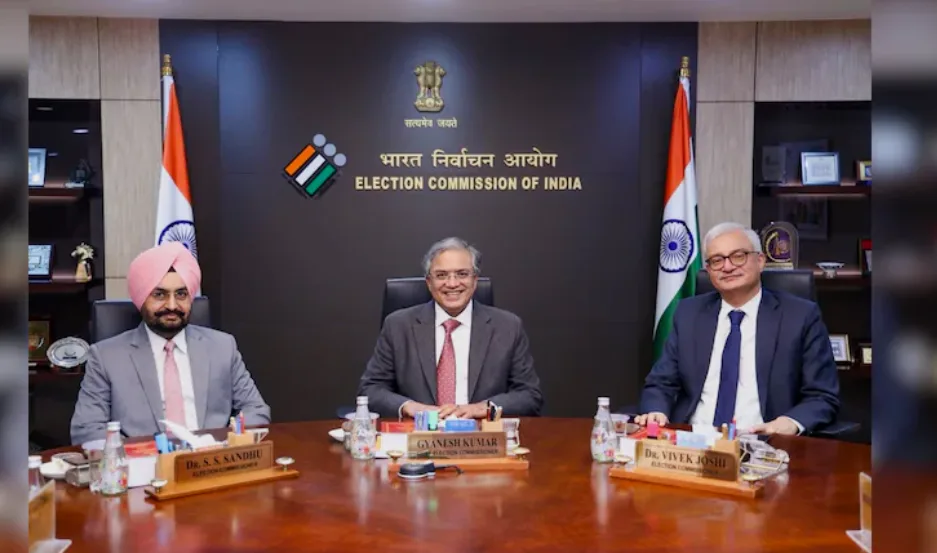
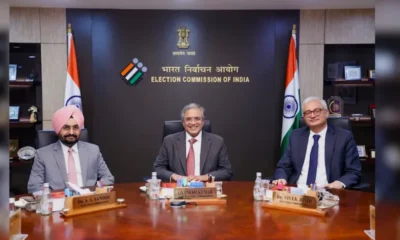
Two election commissioners complained against senior poll officer, RTI reveals
An RTI response has shed light on complaints by two Election Commissioners against a senior poll panel officer and the Cabinet Secretariat’s decision not to intervene directly.

India News
Punjab strike hits public services as 3 lakh employees and roadways workers protest
Punjab is facing disruption to government work and public transport as over three lakh government employees participate in a mass leave protest and roadways workers continue their strike over pending demands.

India News
Amit Shah says congress won’t return to power for 30 years
Union Home Minister Amit Shah took a swipe at Rahul Gandhi over the Opposition’s vote theft allegations, asserting that the Congress would not return to power for the next 30 years.


Magnitude 7 earthquake strikes Tibet after floods

Yogi Government cites Rs.15,233 crore seizures in UP gangster crackdown

PM Modi attacks Rahul Gandhi with failed product jibe

Amit Shah says congress won’t return to power for 30 years

Punjab strike hits public services as 3 lakh employees and roadways workers protest

Two election commissioners complained against senior poll officer, RTI reveals
Punjab strike hits public services as 3 lakh employees and roadways workers protest
Amit Shah says congress won’t return to power for 30 years
Magnitude 7 earthquake strikes Tibet after floods
PM Modi attacks Rahul Gandhi with failed product jibe

Afghan Men Try To Hang With The Jet Engine Of The Aircraft in Kabul- Afghanistan News – Kabul News
Trending Top 10 News: 10000 Crore Fine on Flipkart, Apple to Launch Unique Feature, Hdfc Bank Job Ad

Trending Top 10 News: Nokia 6310, Apple sales, Bachpan ka Pyar Video Kid, Dainik Bhaskar IT Raid

Trending Top 10 News: Canada bans Indian flights, Rain in Delhi NCR, AIMIM Twitter hacked, Raj Kundra case

Trending Top 10 News: Shein India, Apple New Service, Pocket Oxygen, Oppo Launched New Phone
-
 Latest world news18 hours ago
Magnitude 7 earthquake strikes Tibet after floods
-
 India News21 hours ago
Yogi Government cites Rs.15,233 crore seizures in UP gangster crackdown
-
 India News18 hours ago
PM Modi attacks Rahul Gandhi with failed product jibe
-
 India News17 hours ago
Amit Shah says congress won’t return to power for 30 years
-
 India News6 hours ago
Punjab strike hits public services as 3 lakh employees and roadways workers protest
-
 India News6 hours ago
Two election commissioners complained against senior poll officer, RTI reveals
