English हिन्दी
Connect with us

India News

Infosys shifts gears, from 70-hour week to promoting healthy work-life balance

Infosys is taking steps to curb long working hours remotely, encouraging employees to maintain a healthy work-life balance and avoid burnout.

Published

on

Narayana Murthy

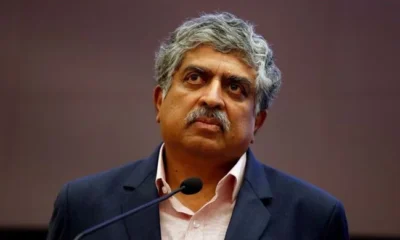
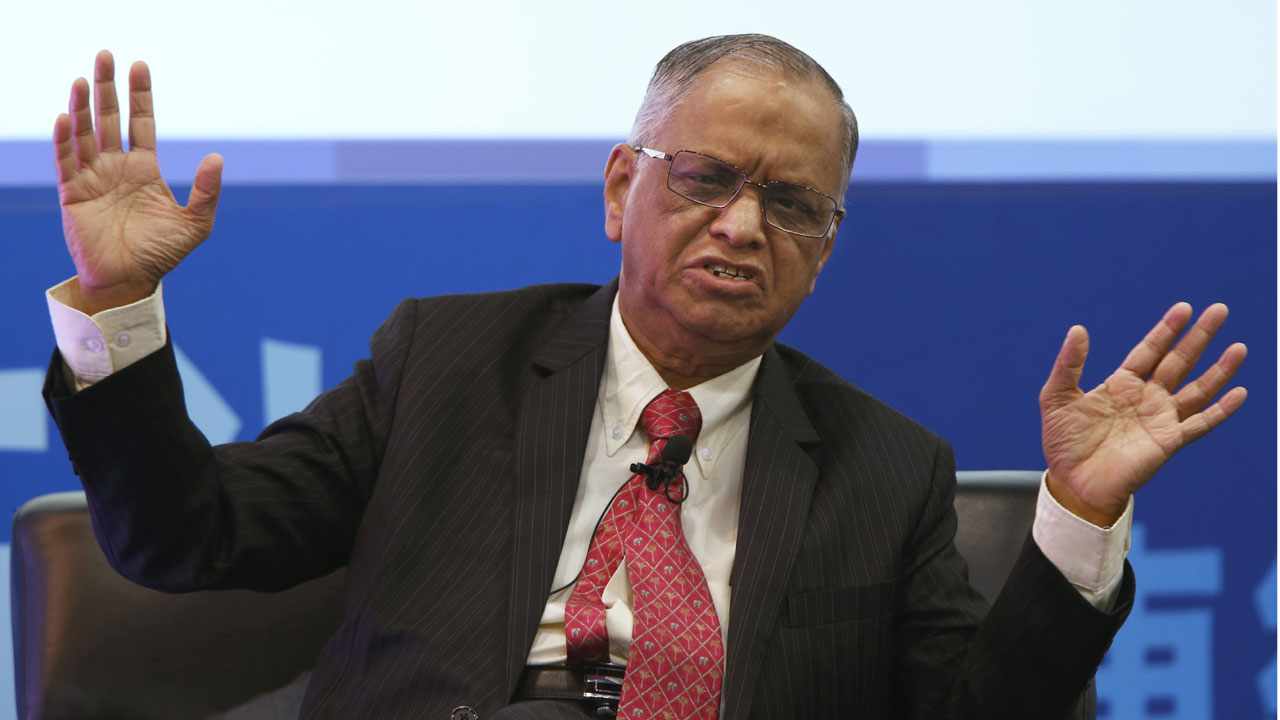
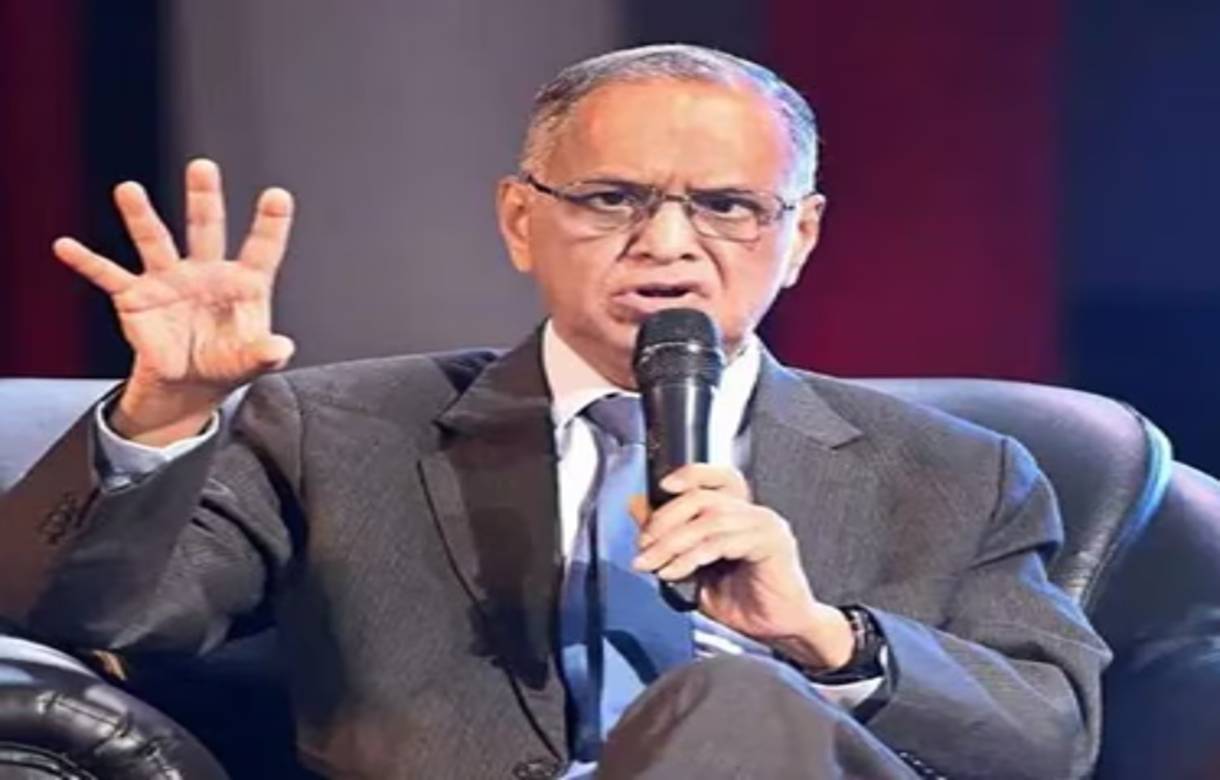
In a notable shift from past advocacy for long workweeks by its co-founder Narayana Murthy, Infosys has now rolled out a new internal initiative aimed at discouraging excessive working hours, especially among employees working remotely. The Bengaluru-based IT giant is prioritizing employee well-being, promoting work-life balance, and cautioning against the health risks of prolonged work hours.

Emails flag overwork in remote settings

Infosys has begun sending detailed emails to employees who exceed standard working hours while working from home. These messages include analytics on the number of remote working days, total hours logged, and average daily hours—urging staff to adhere to healthy work routines.

An Infosys employee revealed that working beyond the prescribed 9.15 hours per day for five days a week now triggers a system alert, prompting HR to reach out.

“We must work for 9.15 hours a day for five days a week, and if we overshoot this while working remotely, it prompts a trigger,” the employee stated.

Health and productivity go hand in hand

Infosys’ HR team emphasizes the long-term impacts of overwork on physical and mental health. In internal communications, the company acknowledges employees’ dedication but reiterates the importance of taking regular breaks, managing workloads efficiently, and unplugging after work hours.

One internal mail reviewed by media stated:

“While we appreciate your commitment, we also believe that maintaining a healthy work-life balance is crucial for both your well-being and long-term professional success.”

Another noted:

“We understand that work demands and deadlines can sometimes lead to longer hours. However, it is important to maintain a balanced work-life schedule to enhance productivity and overall happiness.”

The advisory further recommends that employees speak to their managers about redistributing responsibilities when overwhelmed and intentionally take time off to recharge.

Hybrid work and active tracking

The initiative follows Infosys’ implementation of a hybrid work model in November 2023, which mandates at least 10 days of in-office presence each month. Since then, HR has stepped up monitoring of logged hours, particularly for remote work.

An employee remarked that the company’s proactive stance is a new development. “This is the first time I’ve received such a mail,” the person noted, saying previously such feedback was limited to annual surveys.

Currently, Infosys employs over 3.23 lakh individuals globally, making it one of India’s largest IT service providers. The company’s move could set a precedent for work culture across the tech industry.

India News

Centre caps airfares to curb surge amid IndiGo crisis

To protect passengers from soaring fares amid IndiGo’s operational crisis, the Centre has introduced temporary airfare caps and ordered expedited refunds for cancelled flights.

Published

on

As operational disruptions at IndiGo entered their fifth day, the Civil Aviation Ministry moved to prevent steep ticket price hikes by imposing fare caps across affected routes. The decision comes as hundreds of flights were cancelled, leaving passengers stranded at airports nationwide.

Ministry steps in to prevent “opportunistic pricing”

The ministry said it had taken note of unusually high fares being charged by some airlines during the ongoing travel disruption. Invoking regulatory powers, it ordered all carriers to follow newly prescribed fare caps until flight schedules stabilise.

According to the statement, the move aims to prevent any exploitation of travellers—especially senior citizens, students and those undertaking urgent medical travel—during the crisis. Airlines and online travel platforms will continue to be monitored through real-time fare data.

IndiGo told to clear refunds by Sunday evening

In a separate direction, the ministry asked IndiGo to ensure all refunds for cancelled or disrupted flights are processed by 8 pm on December 7. It also instructed airlines not to impose rescheduling fees for passengers whose plans were affected.

Hundreds of cancellations as pilot shortage triggers meltdown

IndiGo, which operates around 2,300 daily flights with a fleet of over 400 aircraft, has seen widespread cancellations due to a planning-related pilot shortage. Operational delays are expected to continue for several more days.

Scenes of severe inconvenience have unfolded at airports, with passengers reporting long waits, disrupted travel plans, and a lack of clarity from the airline.

IndiGo issues apology, promises gradual restoration

The airline apologised publicly, saying it understood the difficulties faced by passengers. IndiGo assured that refunds for cancelled flights would be processed automatically and added that full normalisation of domestic operations is likely between December 10 and 15, though recovery may take time due to the scale of disruption.

Minister claims crisis nearing resolution

Civil Aviation Minister Ram Mohan Naidu said the situation is “on the verge of getting resolved”. He noted that major metro airports such as Delhi, Mumbai and Chennai had cleared most backlogs, and that IndiGo would resume operations with limited capacity before gradually increasing flights.

Continue Reading

India News

Centre plans major crackdown on IndiGo amid mass cancellations

Published

on

The Centre is preparing strong action against IndiGo after widespread disruption triggered by the airline’s handling of new pilot rest rules, according to sources. With thousands of passengers stranded and over 500 flights cancelled on consecutive days, the government is now likely to seek the removal of CEO Pieter Elbers, alongside other stringent measures.

Government weighs removal of IndiGo CEO

Sources indicate that the airline may be asked to remove its chief executive following what officials view as poor management of revised duty and rest regulations for pilots. The developments led to severe operational breakdown across airports and sparked public outrage.

Heavy penalties and flight curbs under consideration

According to officials, an unprecedented crackdown is being prepared. This includes the possibility of a hefty financial penalty on the carrier, which commands nearly two-thirds of India’s domestic aviation market.

Authorities are also evaluating whether the number of flights permitted to IndiGo should be temporarily reduced, marking what could become the toughest action taken against any airline in recent years.

IndiGo representatives were summoned by the aviation ministry on Friday evening as the government sought explanations for the crisis and measures to restore order.

Continue Reading

India News

Lok Sabha clears bill to levy cess on pan masala and similar goods for health, security funding

The Lok Sabha has passed a bill to impose a cess on pan masala manufacturing units, aiming to create a dedicated revenue source for public health and national security initiatives.

Published

on

Nirmala Sitharaman

The Lok Sabha has approved the Health Security se National Security Cess Bill, 2025, paving the way for a new cess on pan masala manufacturing units. The legislation aims to generate dedicated funds for strengthening national security and improving public health, both areas identified as critical national priorities.

Bill aims to create predictable funding stream

Finance Minister Nirmala Sitharaman, responding to the debate before the bill was passed by voice vote, said that the cess will be shared with states because public health falls under the state list.

The new cess will be applied over and above the GST, based on production capacity and machinery used in units manufacturing pan masala and similar goods. The minister clarified that this cess will not affect GST revenue, and that pan masala already attracts the maximum GST slab of 40 per cent.

According to the bill text, the objective is to build a “dedicated and predictable resource stream” to support expenditure related to health and national security.

Sitharaman also mentioned that cess collection as a percentage of gross total revenue currently stands at 6.1 per cent, lower than the 7 per cent average between 2010 and 2014.

Continue Reading

Trending

© Copyright 2022 APNLIVE.com