
India News
Institute for Interdisciplinary Research inaugurated in New Delhi

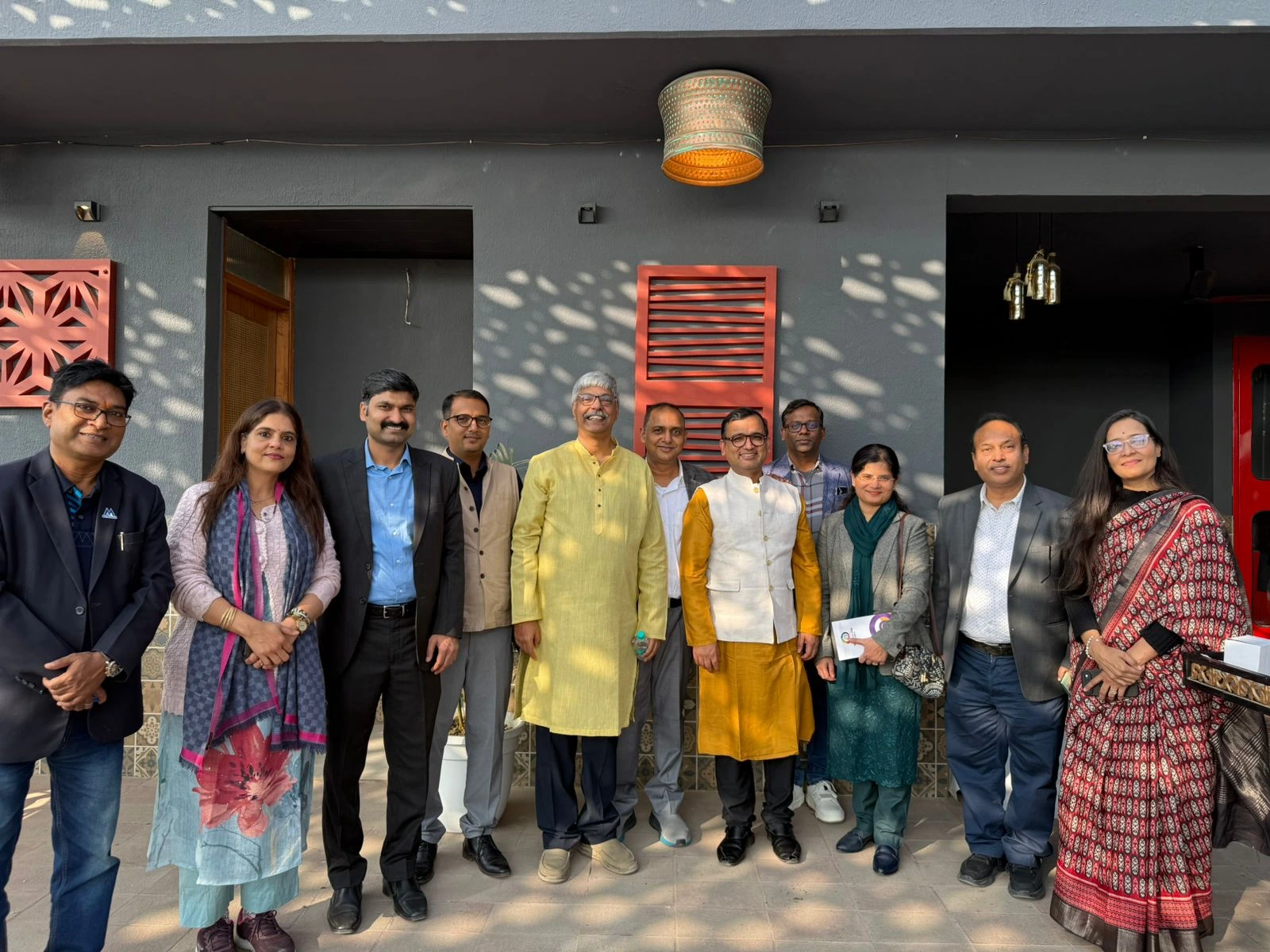
The Institute for Interdisciplinary Research (IIR), a pioneering platform committed to accelerating collaborative research, innovation, and inclusive education, was formally inaugurated today in Asola, Chhatarpur, New Delhi. The launch marks a significant step toward strengthening India’s landscape of cross-disciplinary scholarship and evidence-driven policy engagement.
The inaugural ceremony brought together a distinguished gathering of academics (JNU, DU, JMI, ISI, SNU, BMU and others), industry leaders, researchers, and policymakers who share a common vision of building bridges across disciplines to generate knowledge that can shape a more equitable and sustainable future. Their presence highlighted the growing momentum around interdisciplinary approaches to solving the complex challenges of the 21st century.
The event opened with a warm inaugural address by Dr Sudeep Shukla, setting the tone for the day rooted in dialogue, curiosity, and collaboration. This was followed by the unveiling of IIR’s Mission and Vision by Prof Anirban Chakraborti, who emphasized the institute’s commitment to academic excellence, inclusivity, ethical research, and global responsibility. He highlighted IIR’s role in fostering a culture where diverse perspectives converge to generate creative solutions, enrich learning, and positively impact society at large.
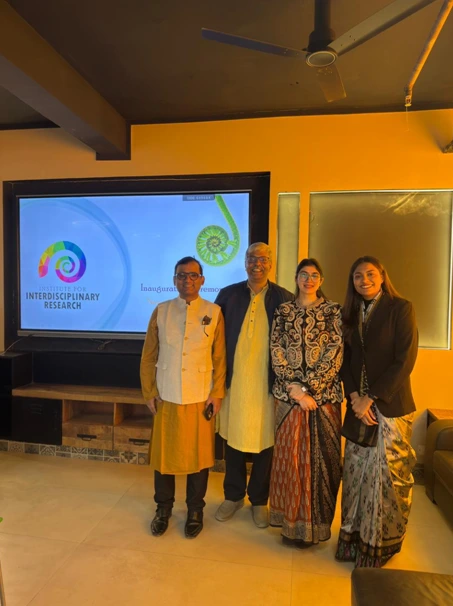
A key moment in the ceremony was the launch of IIR’s official website, www.iir.org.in, which serves as a gateway to the institute’s programs, research themes, and knowledge initiatives. In his remarks, Prof. Chakraborti also outlined the institute’s upcoming activities, which include a diverse range of lectures, research roundtables, thematic workshops, training programs, and interdisciplinary seminars. These initiatives are designed to encourage dialogue across fields such as economics, public policy, computational sciences, environmental studies, social sciences, and emerging technologies. By bringing together insights from multiple domains, IIR aims to nurture a generation of scholars who can think across boundaries and contribute meaningfully to national and international discourse.
Two panel discussions namely, “Beyond Silos: Cross-Disciplinary Pathways to Industry-Aligned Skills”, and “Fusion for the Future: Interdisciplinary Paths for Solutions to Global Challenges” set the stage for rich dialogue on the value of integrated thinking. Such partnerships are expected to significantly strengthen IIR’s capacity to address complex societal challenges, including climate resilience, digital transformation, public health, social and economic inequality, and sustainable economic development.
The program concluded with an engaging interactive session, where participants discussed the importance of interdisciplinary research in shaping future-ready solutions. Attendees shared ideas on integrating knowledge systems, strengthening research infrastructure, and enhancing innovation through cross-sectoral collaboration.
A vote of thanks was delivered to acknowledge the efforts of the organizing team, faculty, staff, and guests who contributed to the success of the event. A special thanks was given to the sponsor Sharp Mint Ltd, and the host Creative Group LLP. The afternoon wrapped up with a networking lunch, allowing participants to further connect, exchange ideas, and explore opportunities for partnership with the newly launched institute. With its official inauguration, the Institute for Interdisciplinary Research embarks on an ambitious journey to become a leading hub for collaborative scholarship.








India News
Centre revokes detention of climate activist Sonam Wangchuk after nearly six months
The central government has revoked the NSA detention of climate activist Sonam Wangchuk after nearly six months, saying the decision was taken after due consideration as Ladakh continues to witness political tensions.


India News
BJP and TMC workers clash in Kolkata ahead of PM rally
Supporters of BJP and TMC clashed in central Kolkata near Girish Park shortly before Prime Minister Narendra Modi’s rally at Brigade Parade Ground.

India News
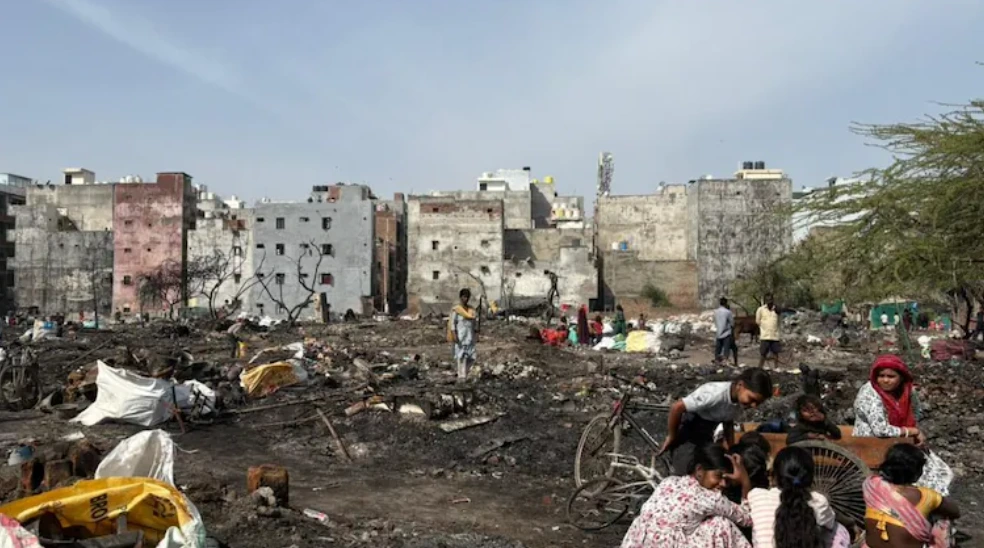
Massive fire destroys around 80 shanties in west Delhi, hundreds left homeless
A massive blaze swept through a slum cluster in west Delhi’s Matiala village, destroying around 80 shanties and leaving hundreds of migrant families homeless overnight.

Dubai hit again within 24 hours as debris strikes building, drone targets US embassy in Baghdad

BJP and TMC workers clash in Kolkata ahead of PM rally

Centre revokes detention of climate activist Sonam Wangchuk after nearly six months
Centre revokes detention of climate activist Sonam Wangchuk after nearly six months
BJP and TMC workers clash in Kolkata ahead of PM rally
Dubai hit again within 24 hours as debris strikes building, drone targets US embassy in Baghdad

Massive fire destroys around 80 shanties in west Delhi, hundreds left homeless

US KC-135 refuelling aircraft crashes in Iraq amid ongoing Iran war

Afghan Men Try To Hang With The Jet Engine Of The Aircraft in Kabul- Afghanistan News – Kabul News
Trending Top 10 News: 10000 Crore Fine on Flipkart, Apple to Launch Unique Feature, Hdfc Bank Job Ad

Trending Top 10 News: Nokia 6310, Apple sales, Bachpan ka Pyar Video Kid, Dainik Bhaskar IT Raid

Trending Top 10 News: Canada bans Indian flights, Rain in Delhi NCR, AIMIM Twitter hacked, Raj Kundra case

Trending Top 10 News: Shein India, Apple New Service, Pocket Oxygen, Oppo Launched New Phone
-
 Latest world news21 hours ago
Dubai hit again within 24 hours as debris strikes building, drone targets US embassy in Baghdad
-
 India News15 hours ago
BJP and TMC workers clash in Kolkata ahead of PM rally
-
 India News11 hours ago
Centre revokes detention of climate activist Sonam Wangchuk after nearly six months
