
India News
Journalist Vinod Dua passes away at 67, says daughter Mallika Dua in Instagram post
Veteran Indian journalist Vinod Dua was admitted to the Intensive Care Unit after his health got critical.

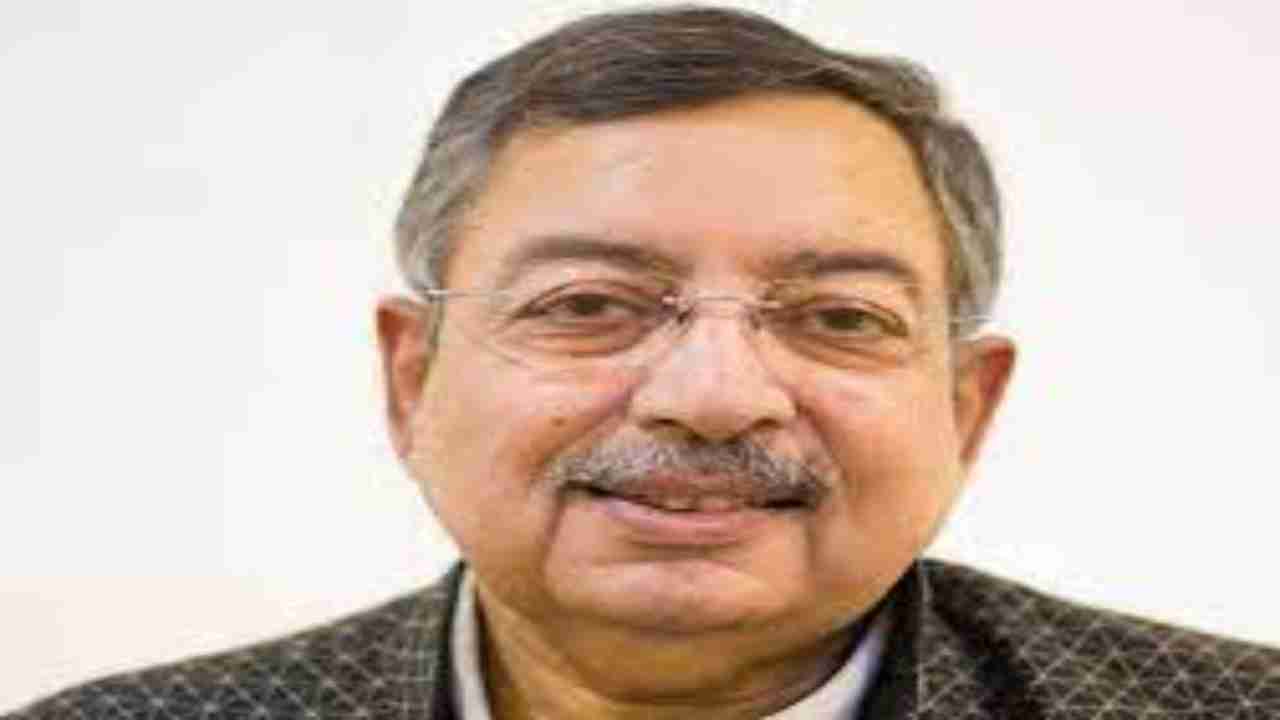
Senior journalist Vinod Dua, who was battling for life in the ICU, has passed away on Saturday, December 4. He was 67 and is survived by two daughters, Mallika Dua and Bakul Dua. His last rites will be performed on December 5 at Lodhi crematorium at 12 noon.
Mallika Dua has confirmed the news of his demise on social media.
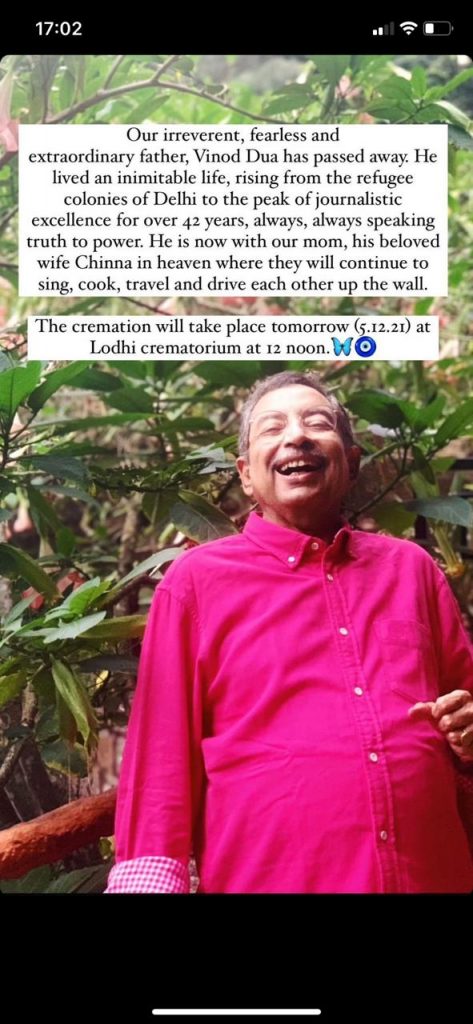
Veteran Indian journalist Vinod Dua was admitted to the Intensive Care Unit after his health got critical. The news of his hospitalisation was shared by Mallika Dua on social media.
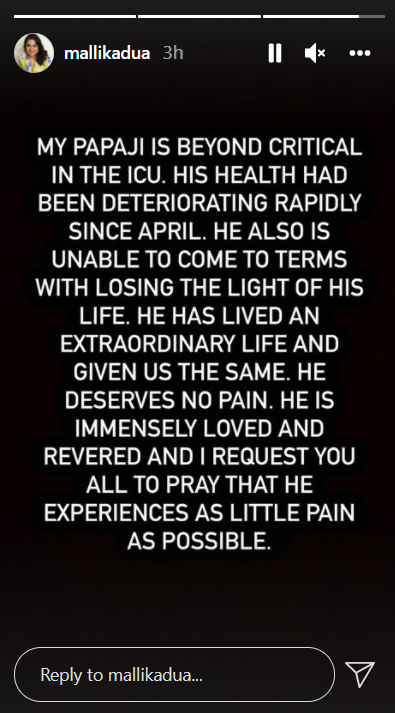
The actor-comedian had shared a note on her Instagram story and asked her fans to pray for her father’s recovery. She wrote that her father is beyond critical and is in the ICU. His health had been deteriorating rapidly since April and he was unable to come to terms with losing the light of his life, his wife Padmavati ‘Chinna’ Dua who passed away in June this year.
Mallika Dua wrote that her father has lived an extraordinary life and given his kids the same. He is immensely loved and revered. She urged her fans to pray for his well-being and experience as little pain as possible.
See the post here:
In June this year, Mallika Dua lost her mother Padmavati Dua to Covid-19. Fondly known as Chinna Dua, she was a well-known radiologist. She and her husband Vinod Dua had both been admitted to Medanta Hospital, Gurgaon on May 14 after testing positive for Covid-19.
Following her mother’s demise, Mallika Dua had penned a heartfelt note on social media. In the note, she thanked her mother for choosing her as daughter. Her caption along with this note read, “Love of my life. My first and greatest love. Thank you for choosing me.”

Mallika had also shared a heartwarming post for her mother on Diwali 2020. She posted an adorable picture with her deceased mother wherein the duo can be seen all smiles and captioned it as, “Happy Diwali! Papaji was still in his night suit so he was disqualified from this picture.”
Read Also: COVID-19: What are the unfamiliar symptoms of new variant Omicron? Here’s what you need to know
In other news, the first image of the Covid-19 new variant, Omicron is going viral on the Internet. See the picture here.

India News
Delhi Police offers 11-person limit for CJP’s Connaught Place protest
Delhi Police has offered to facilitate a group of 11 people at Central Park in Connaught Place for the Cockroach Janata Party’s October 16 protest, while warning that violations of prohibitory orders could invite legal action.


India News
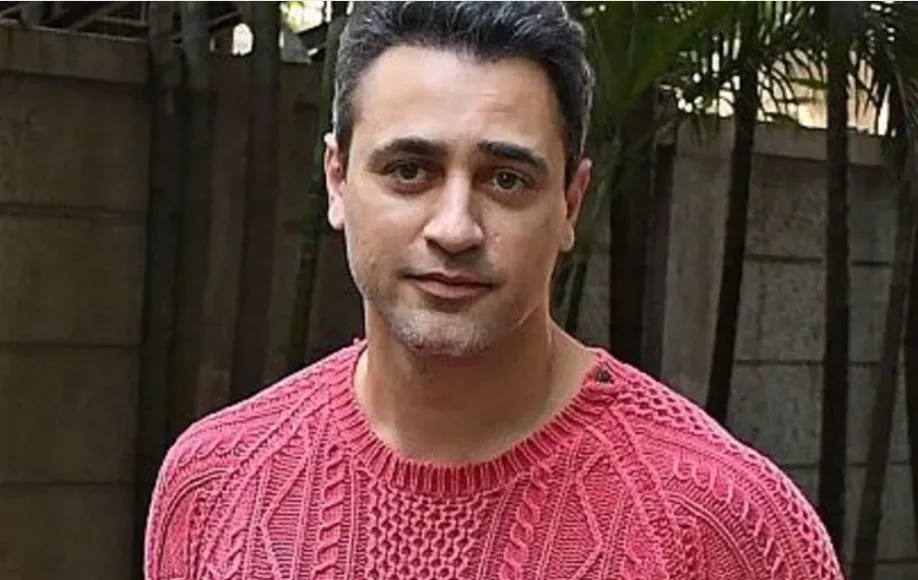
Actor Imran Khan asked to leave India after CJP protest
Actor Imran Khan has been asked to leave India by October 28, days after participating in a protest called by the Cockroach Janta Party (CJP) in Mumbai.
India News
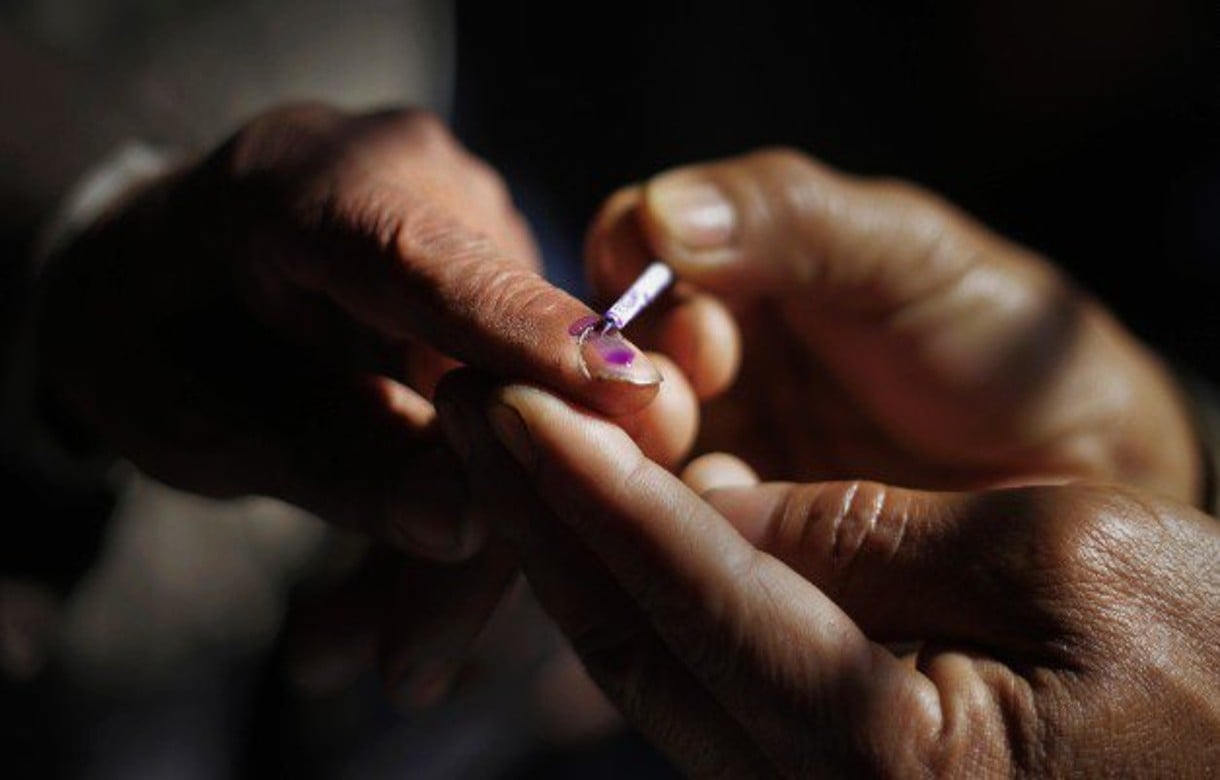
Election Commission orders voter roll revision in 17 states, UTs
The Election Commission has ordered a Special Summary Revision of electoral rolls in 17 states and Union Territories. Draft rolls are scheduled for November 12, with final rolls due on January 4, 2027.

Dhruv Rathee gets fresh summons in 2018 BJP IT cell video case

Nobody can browbeat judiciary, Chief Justice warns over Rahul Gandhi’s march

India-US trade deal first phase finalised, drafting underway

Election Commission orders voter roll revision in 17 states, UTs

Actor Imran Khan asked to leave India after CJP protest

Delhi Police offers 11-person limit for CJP’s Connaught Place protest
Actor Imran Khan asked to leave India after CJP protest
Election Commission orders voter roll revision in 17 states, UTs
India-US trade deal first phase finalised, drafting underway
Nobody can browbeat judiciary, Chief Justice warns over Rahul Gandhi’s march

Afghan Men Try To Hang With The Jet Engine Of The Aircraft in Kabul- Afghanistan News – Kabul News
Trending Top 10 News: 10000 Crore Fine on Flipkart, Apple to Launch Unique Feature, Hdfc Bank Job Ad

Trending Top 10 News: Nokia 6310, Apple sales, Bachpan ka Pyar Video Kid, Dainik Bhaskar IT Raid

Trending Top 10 News: Canada bans Indian flights, Rain in Delhi NCR, AIMIM Twitter hacked, Raj Kundra case

Trending Top 10 News: Shein India, Apple New Service, Pocket Oxygen, Oppo Launched New Phone
-
 India News19 hours ago
Dhruv Rathee gets fresh summons in 2018 BJP IT cell video case
-
 India News16 hours ago
Nobody can browbeat judiciary, Chief Justice warns over Rahul Gandhi’s march
-
 India News11 hours ago
India-US trade deal first phase finalised, drafting underway
-
 India News9 hours ago
Election Commission orders voter roll revision in 17 states, UTs
-
 India News9 hours ago
Actor Imran Khan asked to leave India after CJP protest
-
 India News7 hours ago
Delhi Police offers 11-person limit for CJP’s Connaught Place protest
