
India News
Sardar Patel’s ‘Statue of Unity’, tallest in the world, dedicated to the nation


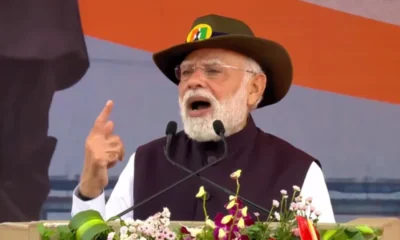
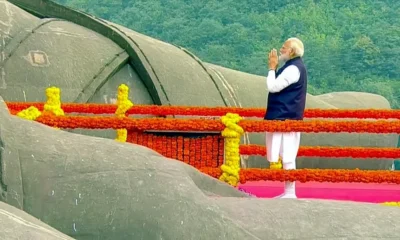
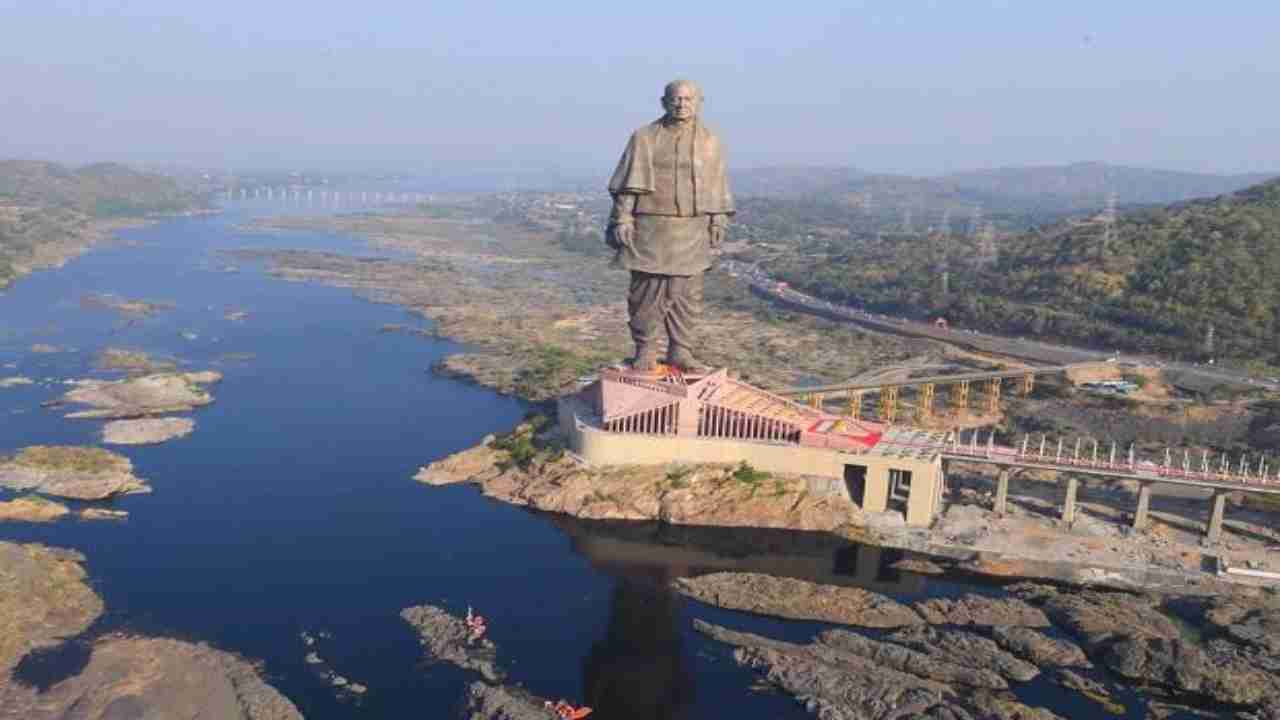
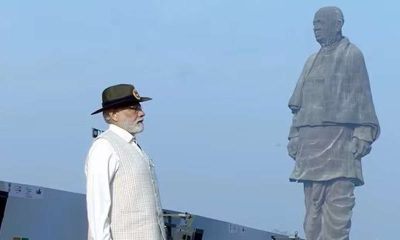
The 182-metre tall statue of freedom fighter and India’s first home minister Sardar Vallabhbhai Patel built near the Sardar Sarovar dam was dedicated to the nation on his birth anniversary today (Wednesday, October 31), by Prime Minister Narendra Modi with a grand ceremony.
The statue of Patel is an “answer to those who question India’s existence”, PM Modi said at the inaugural ceremony in Gujarat’s Kevadiya district. “It shows that India was, is and always will be eternal,” he said.
Air Force planes showered flower petals on the statue in a grand inaugural event on the banks of the Narmada.
Built at a cost of Rs 2,989 crore, the “Statue of Unity” is the world’s tallest statue, as it stands 177 feet higher than China’s Spring Temple Buddha, currently the world’s tallest statue. It is nearly twice as tall as USA’s iconic Statue of Liberty which is 93 metres tall.
Apart from the statue itself, there are five other related sites that are constructed along with the world’s tallest statue. These include the walkway, the ticket counter, the food court, the four-lane approach highway, and the ‘Shrestha Bharat Bhavan’ – a 52-room three-star lodging facility for the visitors coming to see the monument.
The statue stands on Sadhu island on the Narmada, 3.2 km downstream of Sardar Sarovar Dam. The statue is designed by Padma Bhushan-winning sculptor Ram V Sutar and has been built by Larsen and Toubro and the state-run Sardar Sarovar Narmada Nigam Ltd. It shows Patel wearing a traditional dhoti and shawl, towering over the Narmada River. The height was picked as ‘182’ metre to match the total Assembly constituencies in Gujarat.
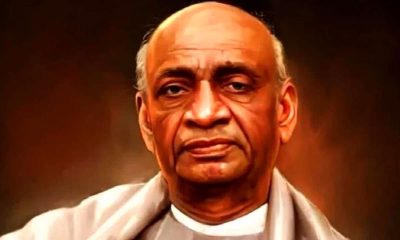
Paying tributes to Sardar Patel on his birth anniversary, Modi recalled the contribution of Sardar Patel to unifying the country after Independence as the great leader brought more than 500 princely states on a common platform to join the Union of India.
“Without Sardar, we would not have imagined a railway line from Kashmir to Kanyakumari,” Modi said.
Crediting Sardar Patel for a “united India,” Modi said, “Had Sardar Patel not united the country, we would need visas to see lions or pay homage at Somnath or view the Charminar in Hyderabad. Patel converted India’s diversity into its biggest strength. The country is today following the path shown by Patel and is moving towards becoming the world’s greatest economic and strategic power.”
The PM also took the opportunity to hit out at those who have criticised his government for spending approximately Rs 3,000 crore to build the world’s tallest statue. The Statue of Unity has, drawn flak from tribals and farmers living in the region who called it a “mass destruction” of natural resources. They had also called for a boycott of the event.
Launching an attack on those opposing the Statue of Unity, PM Modi said he is “amazed” that protesters are giving it a “political colour.” “The statue is a symbol of country’s respect to this great man. Praising great icons like Patel has also brought us criticism. It seems like we have committed a big crime,” he said.
“I find it amusing when some people of our own country dare to see this initiative from a political view and criticise us as if we have committed a huge crime. Is remembering the country’s great personalities a crime?” he said.
The Sardar Patel statue, the Mahatma Mandir convention and exhibition centre in Gandhinagar, Shivaji Statue in Maharashtra, Ambedkar Memorial and Shyamji Krishna Verma’s memorial were examples of reliving the history and recalling the supreme contributions made by those during the Freedom movement, Modi noted.
He also said that the statue will promote the livelihood of the people in the area. “This is the tallest statue in the world. People across the world will visit this site and remember it. The contribution of the tribals, farmers and villagers, who helped to make the Statue of Unity cannot be ignored. The statue will bring prosperity to the tribals, farmers and villagers in this region. It will lead to job creation and promote tourism in the area,” Modi said.
“The world’s tallest statue would remind the entire world, the future generations about the courage, capabilities and resolution of the person who did this holy work of thwarting the conspiracy to disintegrate Mother India into pieces,” the prime minister said addressing a gathering after inaugurating the monument. This (statue) is a source of unity…with this sentiment we should march…and march with a dream to make the country ‘Ek Bharat Shreshtha Bharat’ (One India, Superior India),” he added.
“Like Sardar Patel united the country geographically by merging erstwhile princely states, we have united the country economically by bringing in GST,” the PM said. “We are expanding Sardar Patel’s resolve of uniting the country by introducing various schemes, such as One Nation One Grid, eNAM and Bharatmala. Through such schemes of connecting the country, we are committed to make Ek Bharat Shreshth Bharat(One India Best India)” he said.
The statue was conceptualised by Modi when he was Gujarat Chief Minister. The foundation stone was laid in October 2013. “It is my honour that I got a chance to pay the tribute to the great man. It is Patel’s efforts that have led our country to what it is today. Today is a day that will be remembered in the history of India. No Indian will ever forget this day.”
Also present at the venue were Gujarat Governor O P Kohli, Chief Minister Vijay Rupani, Deputy CM Nitin Patel, BJP chief Amit Shah, Karnataka Governor Vajubhai Vala and Madhya Pradesh Governor Anandiben Patel.





India News
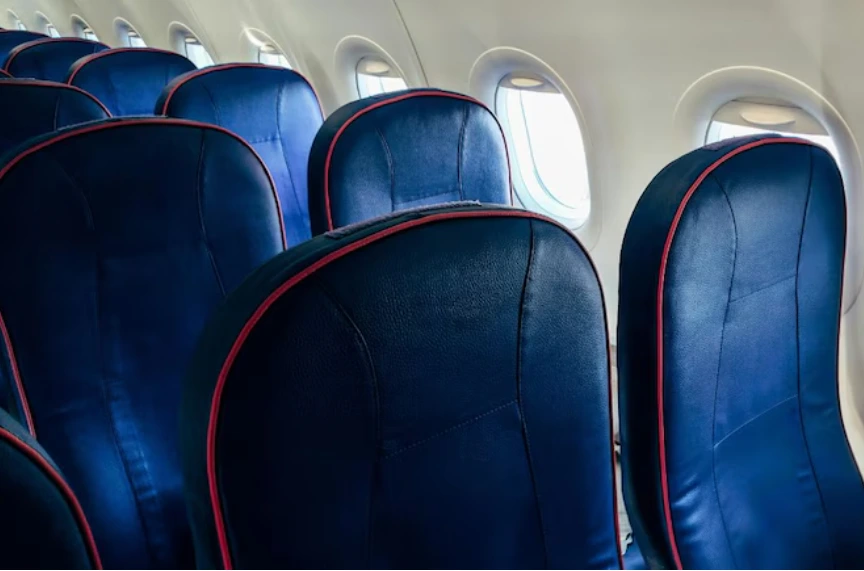
Centre mandates 60% free seat allocation on flights, caps selection fees
Airlines must now offer 60% seats without extra charges and ensure better seating arrangements for passengers under new government rules.

India News
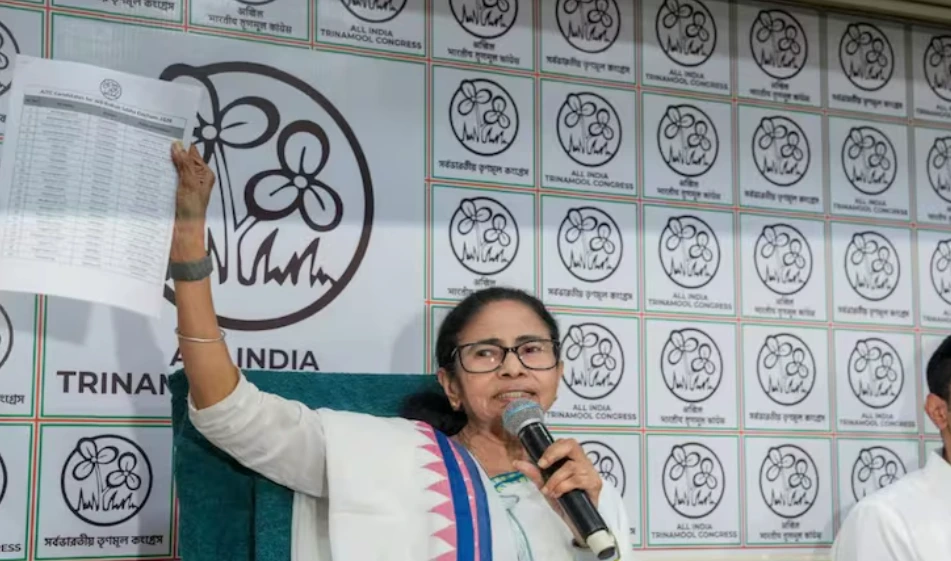
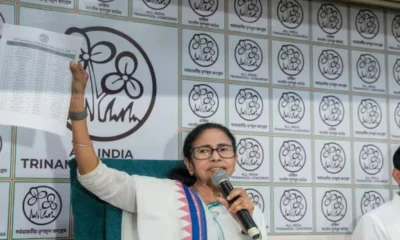
Mamata Banerjee warns BJP, EC over Bengal polls, says they will be accountable
Mamata Banerjee holds BJP and Election Commission responsible for any incidents during Bengal polls, raising concerns over officer transfers.
India News
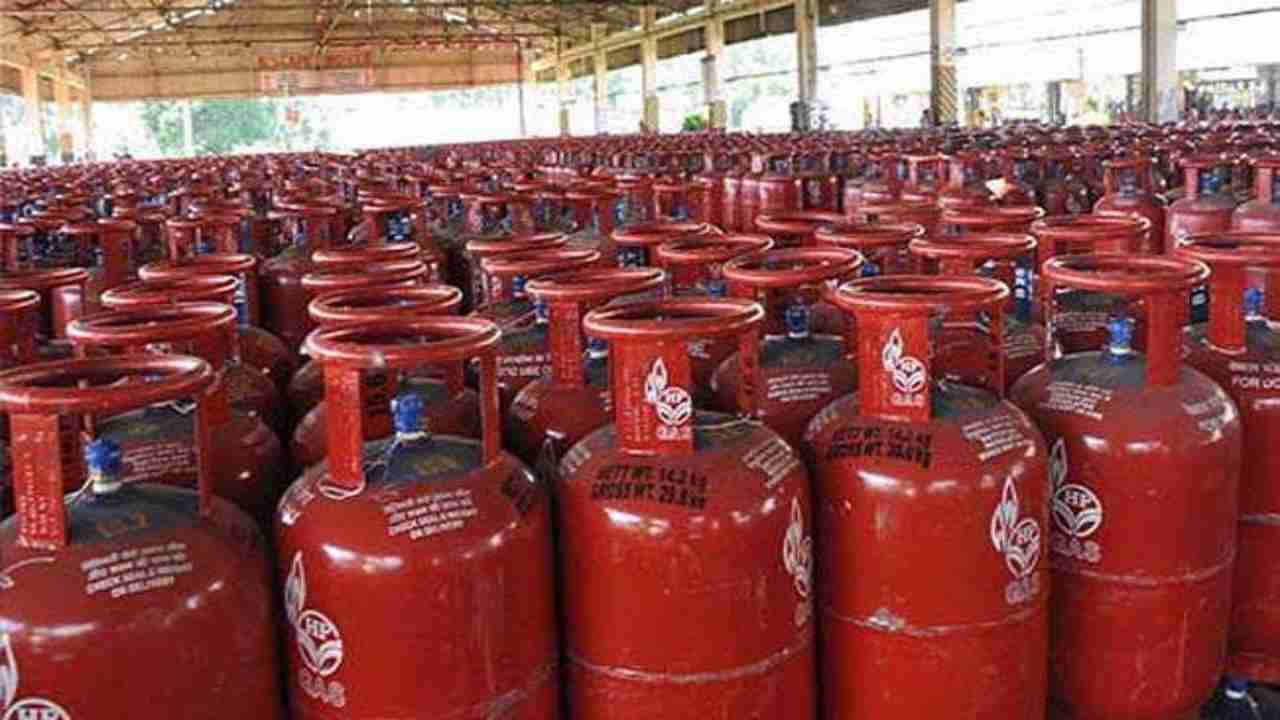
Centre assures action on LPG supply disruption, court closes distributors’ plea
The Bombay High Court closed a plea by LPG distributors after the Centre assured diplomatic efforts to stabilise supply amid global disruptions.
Centre assures action on LPG supply disruption, court closes distributors’ plea

Mamata Banerjee warns BJP, EC over Bengal polls, says they will be accountable

Top US counterterrorism official resigns over Iran war, cites conscience

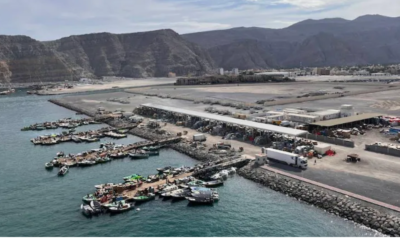
US strikes Iranian missile sites near Hormuz with 5,000-pound bunker buster bombs

Centre mandates 60% free seat allocation on flights, caps selection fees
Centre mandates 60% free seat allocation on flights, caps selection fees

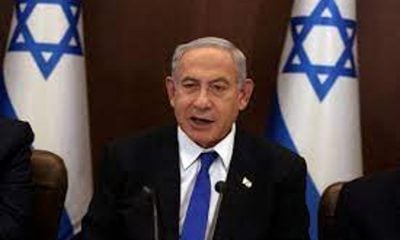
Netanyahu dismisses death rumours in video with US envoy, says I’m alive
US strikes Iranian missile sites near Hormuz with 5,000-pound bunker buster bombs
Top US counterterrorism official resigns over Iran war, cites conscience
Mamata Banerjee warns BJP, EC over Bengal polls, says they will be accountable

Afghan Men Try To Hang With The Jet Engine Of The Aircraft in Kabul- Afghanistan News – Kabul News
Trending Top 10 News: 10000 Crore Fine on Flipkart, Apple to Launch Unique Feature, Hdfc Bank Job Ad

Trending Top 10 News: Nokia 6310, Apple sales, Bachpan ka Pyar Video Kid, Dainik Bhaskar IT Raid

Trending Top 10 News: Canada bans Indian flights, Rain in Delhi NCR, AIMIM Twitter hacked, Raj Kundra case

Trending Top 10 News: Shein India, Apple New Service, Pocket Oxygen, Oppo Launched New Phone
-
India News17 hours ago
Centre assures action on LPG supply disruption, court closes distributors’ plea
-
 India News15 hours ago
Mamata Banerjee warns BJP, EC over Bengal polls, says they will be accountable
-
 Latest world news15 hours ago
Top US counterterrorism official resigns over Iran war, cites conscience
-
 Latest world news2 hours ago
US strikes Iranian missile sites near Hormuz with 5,000-pound bunker buster bombs
-
 India News1 hour ago
Centre mandates 60% free seat allocation on flights, caps selection fees
-
 Latest world news2 hours ago
Netanyahu dismisses death rumours in video with US envoy, says I’m alive
