
India News
Sengol: The emblem of Independence and India’s Chola dynasty heritage
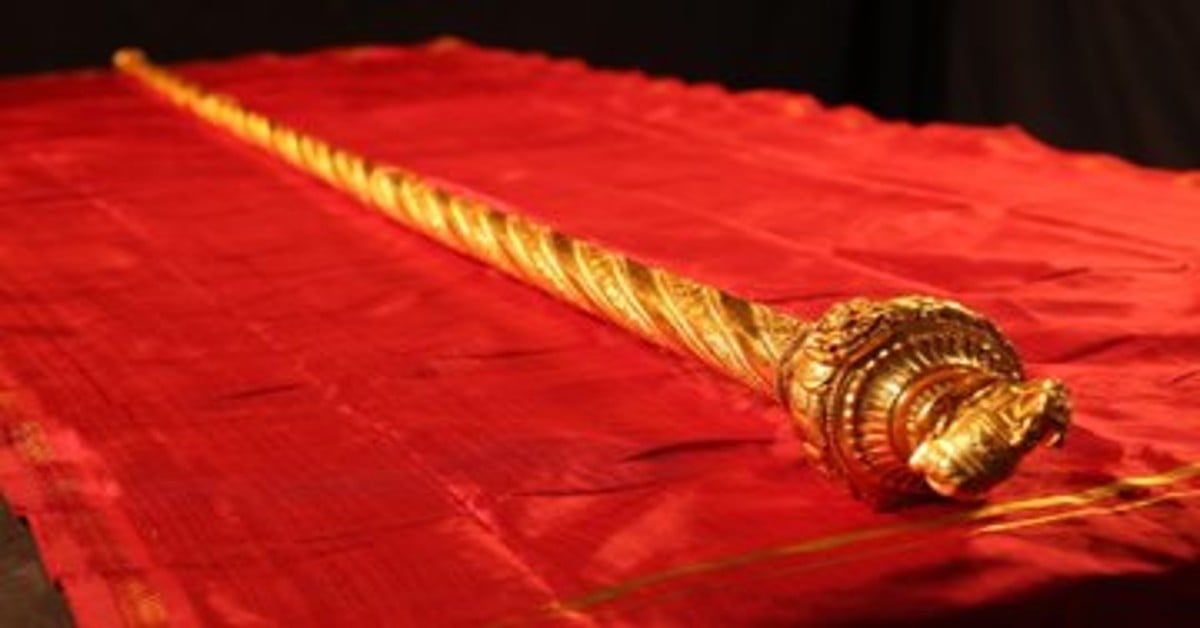
Sengol is a golden sceptre is some 76 years old. The British handed over the Sengol to Indian leaders to marks the transition of power from Britain to newly-independent Indians.

By Pratik Agrawal
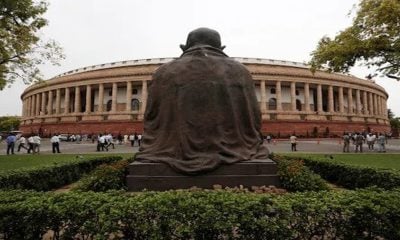
The inauguration of the new Parliament building by Prime Minister Narendra Modi on Sunday has already become a controversy with at least 19 opposition parties objecting over the decision and choosing to boycott the event.
The Narendra Modi-led government today has announced the installation of the Sengol, a Chola staff or sceptre, in the new Parliament marking it as a highlight of a often forgotten episode in India’s history.
The step taken by the Union government has not just put the spotlight on the Chola dynasty but has zeroed in on the old rulers of Tamil country. After its defeat in Karnataka, the BJP lost its lone hold in South India.
The decision to install the Sengol, which traces its origin to the Chola dynasty, is being seen as the BJP’s attempt to appeal to Tamils and create fresh influence for the party among the state’s voters.
What’s the Sengol?
Sengol is a golden sceptre is some 76 years old. The British handed over the Sengol to Indian leaders to marks the transition of power from Britain to newly-independent Indians.
Months before the people of the country were to listen to Pandit Jawaharlal Nehru’s Tryst with Destiny speech, the last Viceroy of India, Lord Loius Mountbatten, asked Nehru a question that baffled him.
Mountbatten asked Nehru how would he symbolize India’s attaining independence. Puzzled, Nehru could not think of anything better than to seek the advice of C Rajagopalachari, popularly known as Rajaji, the first and last Indian Governor-General.
Rajaji, an erudite scholar of history, customs and civilisation, suggested to Nehru that during the Chola dynasty in Tamil tradition, the high priest (Rajaguru) of the state would hand over a sceptre to the new king during his coronation, symbolising his assumption of regal office.
Nehru warmed to Rajaji’s suggestion that a sceptre be handed to him to mark the change in one’s destiny from being a subject of the British king to a free, independent leader of India. He assigned the task to Rajaji to arrange such a sceptre.
Rajaji then contacted Thiruvaduthurai Aadheenam, the prominent mutt in Mayiladuthurai, the heartland of the Chola dynasty. The 20th Guru Sri La Sri Ambalavana Desika Swamigal, then seer of the mutt, took over the responsibility for making the golden sceptre despite his ill-health.
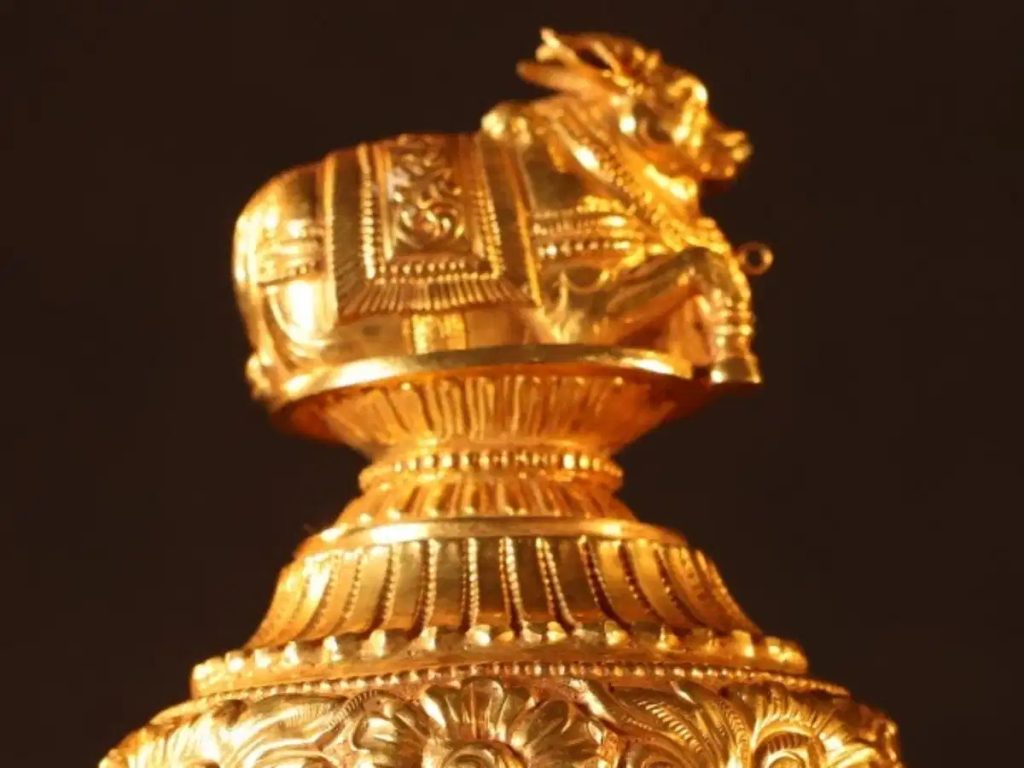
The seer assigned the task to Vummidi Bangaru Jewellers in Madras (now Chennai). The owner, Vummidi Bangaru, was entrusted with the job due to his expertise. Finally, the Sengol studded with jewels was ready with a bull (nandi) on top as a symbol of strength, truth and righteousness. The Sengol cost Rs 15,000 back then.
The seer sent a delegation from the mutt on a special plane arranged by the government to Delhi with the Sengol. He also sent a congratulatory note to Nehru with the delegation.
The Sengol was then taken to Mountbatten, who handed it back to the team, led by Sri La Sri Kumaraswamy Thambiran, whence Ganga water was sprinkled on it and was handed over to Nehru in a procession.
Finally on August 14, 1947 at 11:45 PM, exactly 15 minutes before India attained Independence and Nehru started his historic address, Tryst with Destiny, the delegation presented the Sengol to Nehru in the presence of Rajendra Prasad, India’s first President.
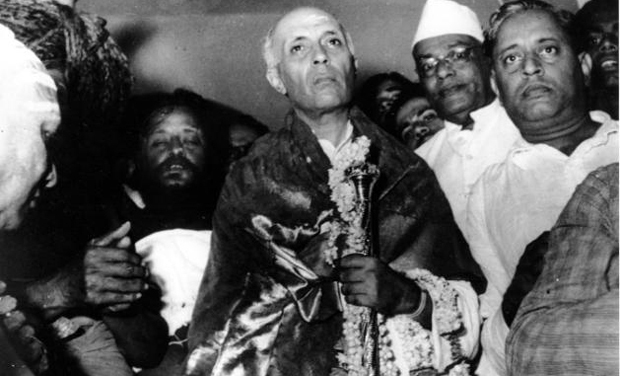
Sengol was presented with the chanting of the Kolaru Pathigam by Manickam Odhuvaar and Nadaswaram played by TN Rajarathinam. Kolaru Pathigam are hymns from Thevaram, originally composed by Shaivite saint Thirugnana Sambandar.
The Sengol not only marked India’s Independence, but also marked the birth of the nation as a union of the North and the South.







India News
Centre sends 3 letters to Punjab government after anti-drug activist’s killing
The Centre has sought reports from the Punjab government on three incidents linked to allegations surrounding drug-related activities, including the killing of anti-drug activist Parvinder Singh Jhota.

India News
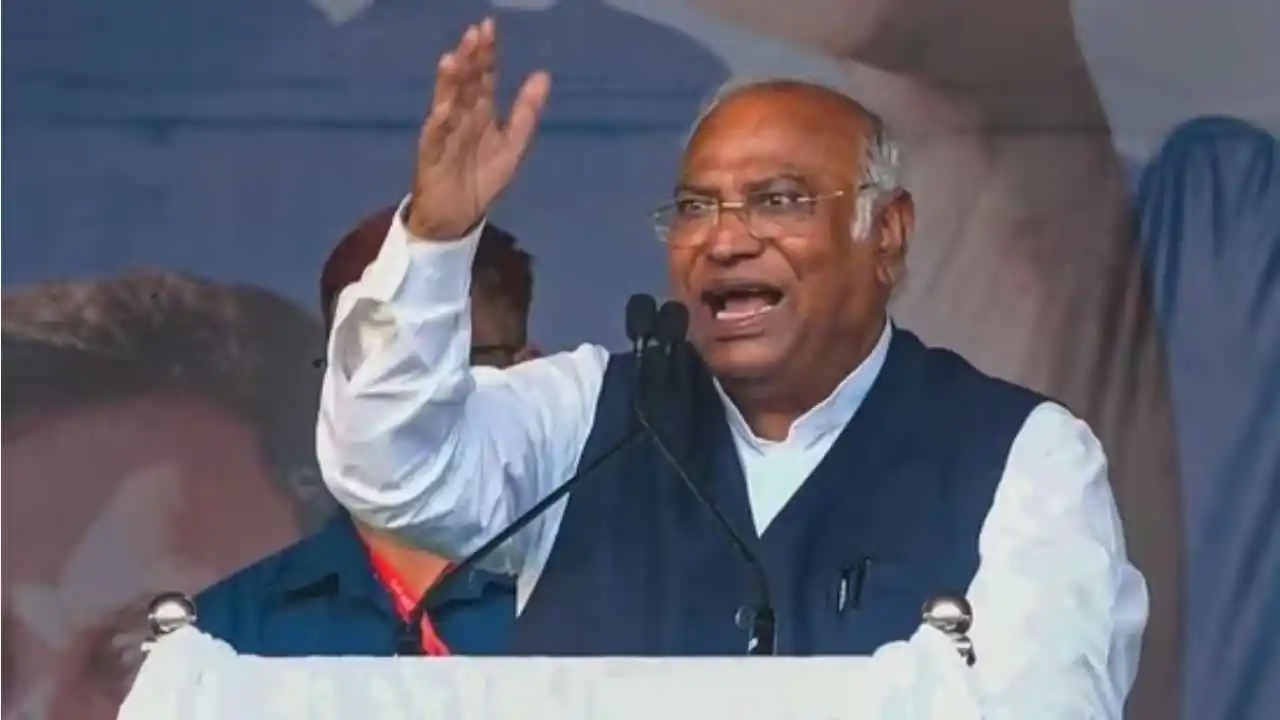
Mallikarjun Kharge seeks all-party meeting with PM Modi on delimitation
Congress president Mallikarjun Kharge has written to Prime Minister Narendra Modi for the fourth time, seeking an all-party meeting on delimitation. He also flagged the 64-day delay in proroguing Parliament’s Monsoon Session.
India News
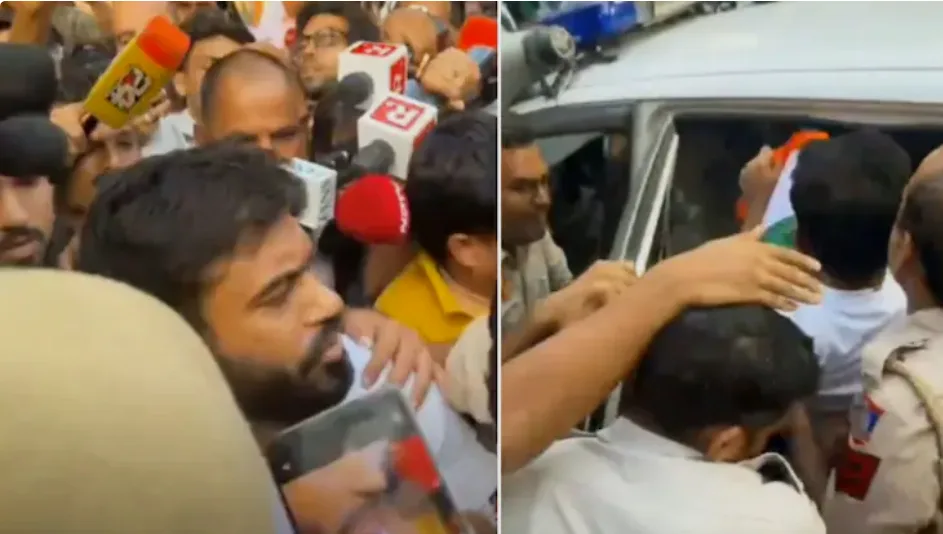
Abhijeet Dipke detained ahead of CJP’s national flag march in Delhi
Cockroach Janta Party founder Abhijeet Dipke was detained by Delhi Police on October 16, 2026, shortly before a planned national flag march. The proposed rally followed the judicial custody of two CJP members who had waved the Tricolour at Jantar Mantar.

Mallikarjun Kharge’s ‘Your Friends’ jab at Rahul Gandhi over congress exits

Magnitude 7 earthquake strikes Russia’s Kamchatka Peninsula

Delhi deploys 25,000 personnel, installs CCTV cameras ahead of CJP march

Abhijeet Dipke detained ahead of CJP’s national flag march in Delhi

Mallikarjun Kharge seeks all-party meeting with PM Modi on delimitation

Centre sends 3 letters to Punjab government after anti-drug activist’s killing
Mallikarjun Kharge seeks all-party meeting with PM Modi on delimitation
Abhijeet Dipke detained ahead of CJP’s national flag march in Delhi
Magnitude 7 earthquake strikes Russia’s Kamchatka Peninsula
Delhi deploys 25,000 personnel, installs CCTV cameras ahead of CJP march

Afghan Men Try To Hang With The Jet Engine Of The Aircraft in Kabul- Afghanistan News – Kabul News
Trending Top 10 News: 10000 Crore Fine on Flipkart, Apple to Launch Unique Feature, Hdfc Bank Job Ad

Trending Top 10 News: Nokia 6310, Apple sales, Bachpan ka Pyar Video Kid, Dainik Bhaskar IT Raid

Trending Top 10 News: Canada bans Indian flights, Rain in Delhi NCR, AIMIM Twitter hacked, Raj Kundra case

Trending Top 10 News: Shein India, Apple New Service, Pocket Oxygen, Oppo Launched New Phone
-
 India News21 hours ago
Mallikarjun Kharge’s ‘Your Friends’ jab at Rahul Gandhi over congress exits
-
 Latest world news21 hours ago
Magnitude 7 earthquake strikes Russia’s Kamchatka Peninsula
-
 India News21 hours ago
Delhi deploys 25,000 personnel, installs CCTV cameras ahead of CJP march
-
 India News12 hours ago
Abhijeet Dipke detained ahead of CJP’s national flag march in Delhi
-
 India News11 hours ago
Mallikarjun Kharge seeks all-party meeting with PM Modi on delimitation
-
 India News10 hours ago
Centre sends 3 letters to Punjab government after anti-drug activist’s killing
