
India News
62,538 COVID CASES IN LAST 24 HOURS
India reported the highest number of coronavirus cases in 24 hours across the world on Tuesday, Wednesday and Thursday, according to the WHO data.


India reported the highest number of coronavirus cases in 24 hours across the world on Tuesday, Wednesday and Thursday, according to the WHO data. While more than 52,000 new patients were reported on Tuesday and Wednesday, more than the United States and Brazil, the government reported single-day surge of over 56,000 cases on Thursday. The country has logged the third highest number of patients in the world after the United States and Brazil.
India has crossed 20 lakh coronavirus cases in 190 days after Kerala reported the first patient on January 30. The country registered one lakh cases on May 19. In June, India passed the five lakh-mark.
In July, India recorded more than half of its cases. While the Covid count in the beginning of the month was about six lakh cases, the tally had surged to 16 lakh cases by July 31.
The five states that reported the highest number of patients in the last 24 hours are Maharashtra 11,514, Andhra Pradesh 10,328, Karnataka 6,805, Tamil Nadu 5,684 and Uttar Pradesh 4,586.

These five states also recorded the highest number of Covid-linked deaths since yesterday. While Maharashtra reported 316 deaths, 110 patients died in Tamil Nadu, 93 patients died in Karnataka, 72 died in Andhra Pradesh and Uttar Pradesh recorded 61 deaths.
With 4.79 lakh cases, Maharashtra has logged the highest number of COVID-19 patients so far. The state reported its biggest single-day jump in infections on Thursday. More than 16,000 patients have died so far.
The positivity rate, an indicator to assess the prevalence of the disease, stood at 10.88 per cent this morning, an increase since Thursday’s 8.47 per cent. In the last few weeks, the country has recorded the highest positivity rate of 15.79 per cent on July 20.
India has tested around 16,500 people per million, compared to 190,000 in the United States. Around 5.74 lakh samples were tested on Thursday, taking the total number of samples tested so far to 2.27 crores. The country has a population of about 138 crores and a patient can be tested more than once until recovery.
Delhi, which was the second worst-hit state in June, now has the fifth highest number of cases in India. Meanwhile, Andhra Pradesh is now the third worst-hit in the country by the outbreak.
Read Also: RAHUL TAKES A DIG AT PM MODI
Worldwide, the United States – epicentre of the pandemic – has logged the highest number of infections. More than 1.9 crore people have contracted the virus so far across the world; 7.14 lakh have died.











India News
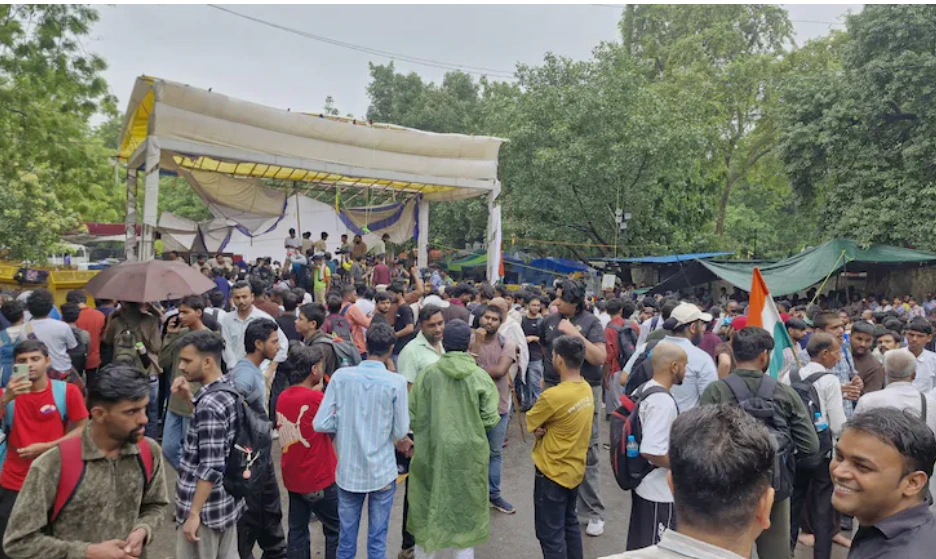
Delhi Police offers 11-person limit for CJP’s Connaught Place protest
Delhi Police has offered to facilitate a group of 11 people at Central Park in Connaught Place for the Cockroach Janata Party’s October 16 protest, while warning that violations of prohibitory orders could invite legal action.

India News
Actor Imran Khan asked to leave India after CJP protest
Actor Imran Khan has been asked to leave India by October 28, days after participating in a protest called by the Cockroach Janta Party (CJP) in Mumbai.

India News
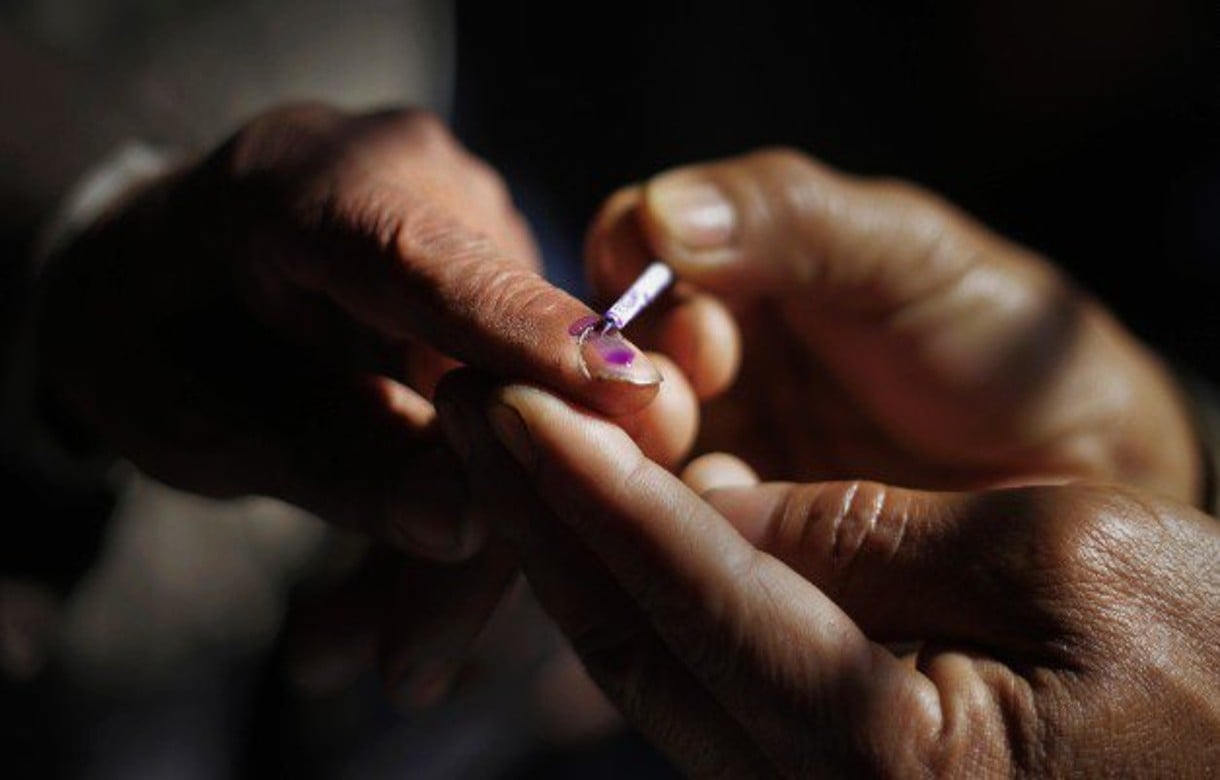
Election Commission orders voter roll revision in 17 states, UTs
The Election Commission has ordered a Special Summary Revision of electoral rolls in 17 states and Union Territories. Draft rolls are scheduled for November 12, with final rolls due on January 4, 2027.

Dhruv Rathee gets fresh summons in 2018 BJP IT cell video case

Nobody can browbeat judiciary, Chief Justice warns over Rahul Gandhi’s march

India-US trade deal first phase finalised, drafting underway

Election Commission orders voter roll revision in 17 states, UTs

Actor Imran Khan asked to leave India after CJP protest

Delhi Police offers 11-person limit for CJP’s Connaught Place protest
Actor Imran Khan asked to leave India after CJP protest
Election Commission orders voter roll revision in 17 states, UTs
India-US trade deal first phase finalised, drafting underway
Nobody can browbeat judiciary, Chief Justice warns over Rahul Gandhi’s march

Afghan Men Try To Hang With The Jet Engine Of The Aircraft in Kabul- Afghanistan News – Kabul News
Trending Top 10 News: 10000 Crore Fine on Flipkart, Apple to Launch Unique Feature, Hdfc Bank Job Ad

Trending Top 10 News: Nokia 6310, Apple sales, Bachpan ka Pyar Video Kid, Dainik Bhaskar IT Raid

Trending Top 10 News: Canada bans Indian flights, Rain in Delhi NCR, AIMIM Twitter hacked, Raj Kundra case

Trending Top 10 News: Shein India, Apple New Service, Pocket Oxygen, Oppo Launched New Phone
-
 India News12 hours ago
Dhruv Rathee gets fresh summons in 2018 BJP IT cell video case
-
 India News9 hours ago
Nobody can browbeat judiciary, Chief Justice warns over Rahul Gandhi’s march
-
 India News5 hours ago
India-US trade deal first phase finalised, drafting underway
-
 India News2 hours ago
Election Commission orders voter roll revision in 17 states, UTs
-
 India News2 hours ago
Actor Imran Khan asked to leave India after CJP protest
-
 India News57 mins ago
Delhi Police offers 11-person limit for CJP’s Connaught Place protest
