English हिन्दी
Connect with us

India News

Dengue spreading fast, platelets, blood component shortage hits Uttar Pradesh hospitals

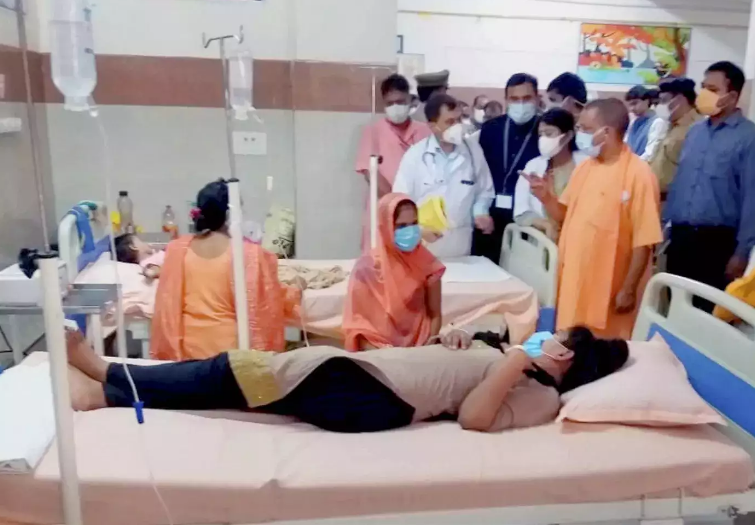
With dengue cases are on the rise, blood banks have started facing a shortage of platelet components. Lack of blood and blood component donations during the Covid lockdown phase is one of the major causes of the current shortage.

Published

on

up hospitals

As the cases of dengue fever are increasing in India, simultaneously the demand for platelets also increasing which has come as a cause of concern for the Central health and hospital authorities.

The situation is worsening in Western UP’s Firozabad, Mathura, Aligarh, Agra, Mainpuri, Etah, Kasganj and other districts. Teams of the Central govt are on the ground to review the viral fever but the situation has not improved yet.

With dengue cases are on the rise, blood banks have started facing a shortage of platelet components. Lack of blood and blood component donations during the Covid lockdown phase is one of the major causes of the current shortage.

Secondly, only select blood banks have component separation units to retrieve platelets. Hospitals treating dengue patients have noted a rise in demand and difficulty in getting platelets. This shortage could prove serious if dengue cases continue to increase at the present pace.

Only in Firozabad, the death toll from dengue rose to 51. However, in just 11 days, there were 1350 units of platelets have been given from the blood bank of the medical college. Of these, the demand for platelets has been highest for the last two days. In two days, about 604 units of platelets have been donated to the patients.

To save of lives of dear ones, the people are traveling nearest districts. The people who belong to the village areas of Western Uttar Pradesh are traveling to big cities like Lucknow, Kanpur, Agra and Delhi for platelets.

Now, Delhi has been witnessing a surge in dengue cases, with 124 infections recorded so far this year – the highest since 2018 when the city recorded 137 cases

As Uttar Pradesh witnessed an increase in dengue cases, there has been a rise in black marketing of blood platelets, recommended by doctors for treatment of the diseases.

As much as Rs 800 to Rs 3,000 is being charged for small packs of platelets which is in maximum demand.

Read Also: Case filed against Akshay Kumar, Salman Khan, Farhan Akhtar, and 35 other celebrities for revealing rape victim’s name

In private blood banks, the cost of a jumbo pack ranges from Rs 7,500 to Rs 8,000. A jumbo pack results in an increase of 50,000 platelets in a dengue patient.

The mini-pack which increases the number of platelets by 10,000, is being sold Rs 800 to 900.

With such a high demand for platelets, touts have become active at the hospitals.

In other India News, The restrictions imposed in Jammu and Kashmir after the death of hardline separatist leader Syed Ali Shah Geelani last week, have been eased

India News

Om Birla likely to move motion to revoke suspension of 8 opposition MPs today

The Lok Sabha is likely to revoke the suspension of eight opposition MPs today, with a motion expected to be moved by the government following consensus on maintaining discipline.

Published

on

Om Birla

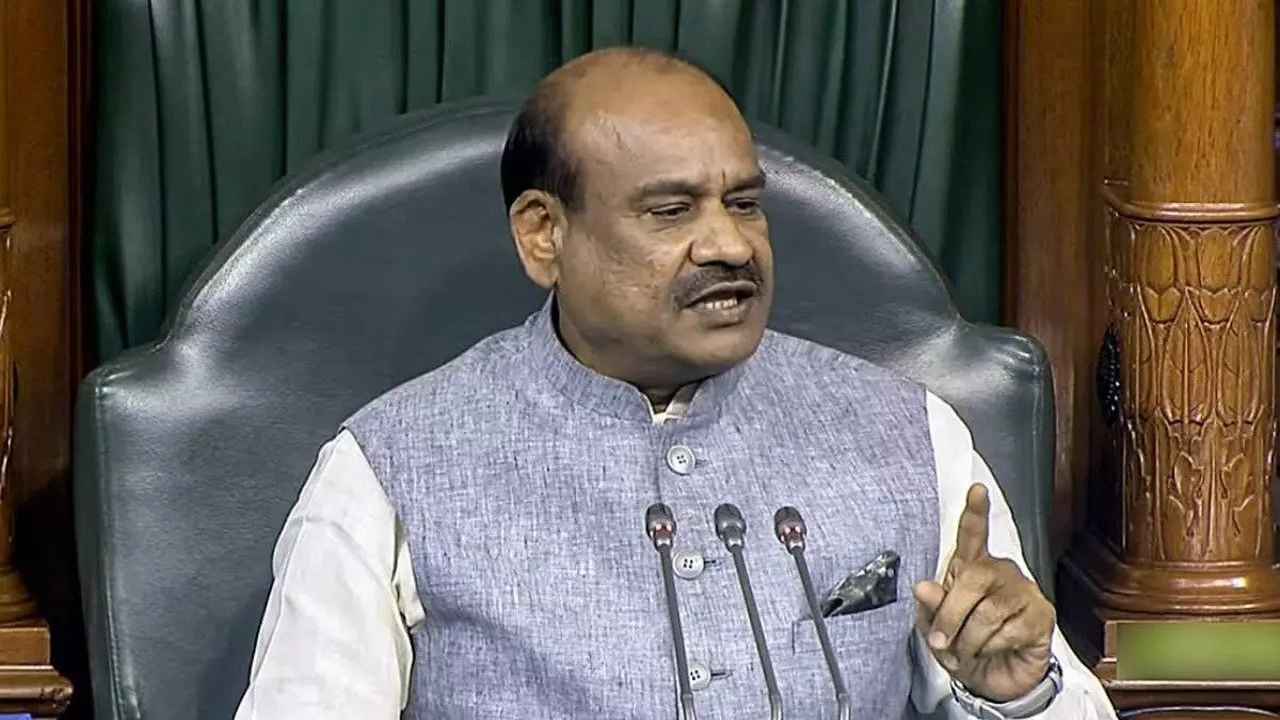
The suspension of eight opposition Members of Parliament in the Lok Sabha is expected to be revoked on Tuesday, with Speaker Om Birla likely to initiate the process, according to sources.

The MPs, including seven from the Congress and one from the CPI(M), were suspended on February 3 for unruly conduct during the first phase of the Budget session after a resolution was adopted by the House.

Motion to be moved in Lok Sabha

Congress leader K Suresh said that Parliamentary Affairs Minister Kiren Rijiju is expected to move a motion around noon seeking revocation of the suspensions.

Although the suspension was initially imposed for the entire session, scheduled to conclude on April 2, opposition parties have consistently demanded reconsideration since the second phase of the session began on March 9.

Agreement on maintaining decorum

At a recent meeting convened by the Speaker, both ruling and opposition sides reportedly agreed on maintaining discipline in the House.

Key understandings include:

  • No member will enter the well of the House to protest
  • Papers will not be torn or thrown toward the Chair
  • MPs will not climb onto officials’ tables

The Lok Sabha Secretariat has also reminded members to keep areas within the Parliament premises obstruction-free to ensure smooth movement.

Speaker raises concern over conduct

Earlier, Om Birla had expressed concern over the use of banners, placards, and inappropriate language by some MPs. In a letter to party leaders, he stressed the need to uphold the dignity and traditions of parliamentary democracy.

He had also indicated that actions like suspension are taken in cases of serious misconduct, such as climbing onto tables during proceedings.

Suspended MPs

The suspended MPs include Gurjeet Singh Aujla, Hibi Eden, C Kiran Kumar Reddy, Amarinder Singh Raja Warring, Manickam Tagore, Prashant Padole, Dean Kuriakose (Congress), and S Venkatesan (CPI-M).

Continue Reading

India News

Maharashtra passes freedom of religion bill with jail term up to 10 years

Maharashtra passes anti-conversion bill with strict jail terms and fines, aiming to curb unlawful religious conversions.
Published

on

Maharashtra faces freedom of bill

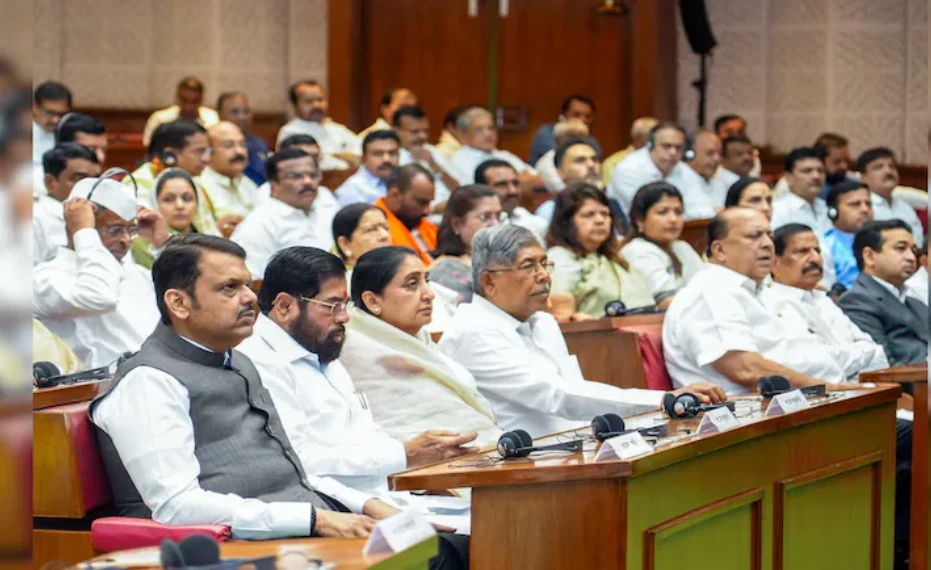
The Maharashtra Assembly has passed the Freedom of Religion Bill 2026, introducing stringent penalties to curb religious conversions carried out through coercion, fraud, inducement or marriage.

The bill was cleared by voice vote late Monday, with the government asserting that it aims to protect individuals from unlawful conversions while safeguarding constitutional rights.

Under the provisions, individuals found guilty of conversion through marriage or deceit can face up to seven years in prison along with a fine of Rs 1 lakh. In cases involving minors, women, persons of unsound mind, or those belonging to Scheduled Castes and Scheduled Tribes, the punishment increases to seven years’ imprisonment and a fine of Rs 5 lakh.

Mass conversions will also attract a jail term of up to seven years and a fine of Rs 5 lakh. Repeat offenders could face imprisonment of up to 10 years.

Chief Minister Devendra Fadnavis said the law is not aimed at any particular religion but seeks to prevent conversions through illegal means. He emphasised that the right to freedom of religion under Article 25 of the Constitution does not include conversion through coercion or fraud.

He also noted that several states, including Odisha, Gujarat, Uttar Pradesh, Madhya Pradesh, Haryana, Karnataka and Jharkhand, have enacted similar laws.

The bill allows complaints to be filed by the affected individual or close relatives, while police can also initiate action in certain situations. The government said this provision is necessary as victims may not always be in a position to approach authorities.

Minister of State for Home Pankaj Bhoyar said the legislation ensures that conversions take place voluntarily and transparently. He addressed concerns over the requirement of giving a 60-day prior notice to the district magistrate, stating that the provision is meant to verify free consent.

The law also mandates informing authorities within 21 days after conversion, failing which it may be treated as invalid. The government described this as a measure for administrative record-keeping and to avoid disputes.

During the debate, members from the opposition raised concerns over possible misuse and vigilantism. Congress MLA Aslam Shaikh argued that the bill could affect constitutional rights, including privacy and equality. Some legislators also demanded that the bill be sent to a joint select committee for further scrutiny.

However, the opposition Shiv Sena (UBT) extended support. MLA Bhaskar Jadhav said the bill does not target any religion and is aimed at preventing unethical practices.

The government maintained that the law does not restrict an individual’s right to change religion voluntarily but is intended to curb unlawful practices and maintain law and order.

Continue Reading

India News

Mamata Banerjee writes to poll chief over officers’ reshuffle, calls move arbitrary

Mamata Banerjee has written to the Chief Election Commissioner, calling the reshuffle of senior Bengal officials arbitrary and raising concerns over constitutional norms.
Published

on

mamta banerjee

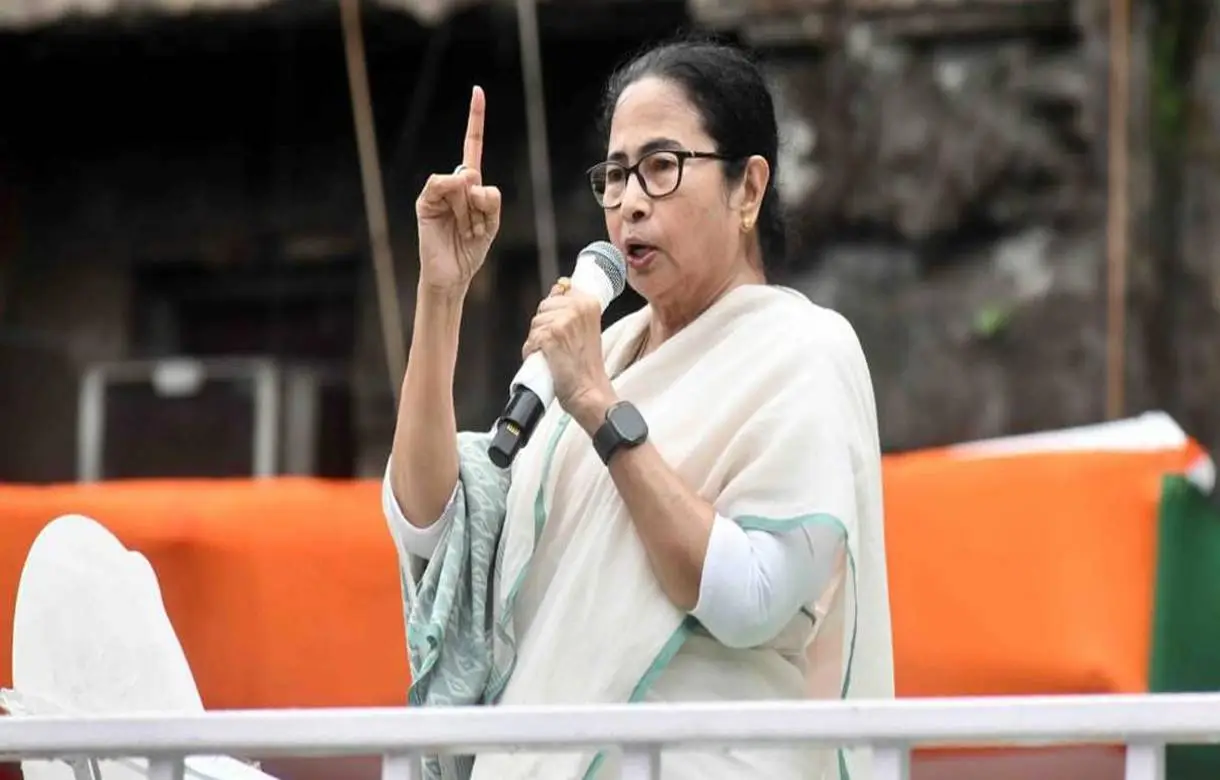
West Bengal Chief Minister Mamata Banerjee has written to Chief Election Commissioner Gyanesh Kumar, raising strong objections to the recent reshuffle of senior bureaucrats in the state ahead of the assembly elections.

In her letter, Banerjee described the move by the Election Commission of India as “arbitrary” and expressed “deep concern” over what she termed a unilateral decision. She urged the Commission to refrain from adopting such measures in the future.

The Chief Minister pointed out that while the Election Commission does have the authority to make administrative changes during elections, past practice has involved consultation with the state government. According to her, the Commission would typically seek a panel of officers from the state and make its selections from that list, maintaining what she called constitutional propriety and administrative convention.

Banerjee warned that bypassing this process could undermine the institutional credibility and long-standing legacy of the poll body, and may also affect the foundational principles of the constitutional framework.

The controversy stems from the Commission’s decision, taken soon after announcing election dates, to remove several top officials from election-related duties. These include the state’s Chief Secretary, Director General of Police, Kolkata Police Commissioner, and Home Secretary.

The Commission has maintained that the reshuffle was aimed at ensuring a peaceful and violence-free electoral process.

Reacting sharply, Banerjee alleged bias in the decision-making, claiming that the removal of the Chief Secretary indicated an anti-women stance. She also accused the Commission of selectively targeting officers, suggesting that the move favoured individuals aligned with the Bharatiya Janata Party.

Meanwhile, the Trinamool Congress escalated its protest, staging a day-long walkout from the Rajya Sabha earlier in the day.

Responding to the criticism, Parliamentary Affairs Minister Kiren Rijiju said the Election Commission is a constitutional authority, adding that questioning its decisions in Parliament is inappropriate and unproductive.

The Commission has appointed a new Chief Secretary in place of the outgoing official as part of the reshuffle.

Continue Reading

Trending

© Copyright 2022 APNLIVE.com