
Latest world news
Hamas; Designation of Haniyeh as” terrorist” will not affect struggle


Hamas to continue defending its people and land
In less than two months after announcing Jerusalem as Israeli capital, US administration has entered into another adventure in supporting Israel in the Middle East. US State Department’s Wednesday move to place Hamas leader Ismail Haniyeh, the most popular Palestinian leader on its global “terror list” faced strong reaction.
Hamas, the Palestinian resistance group immediately rejected US move calling it a “dangerous development” in “violation of international law, giving the Palestinian people a right to defend themselves against [Israeli] occupation, and to choose their leaders.”
The Hamas statement said, “This will not deter us from carrying out our duties towards our people and defending them, and liberating our lands and holy sites”.
It further said, “This decision demonstrates the full American bias in favour of the Israeli occupation, and provides an official cover for Israeli crimes against the Palestinian people.”
Hamas, the Palestinian political resistance movement which governs Gaza Strip, also called on the US administration to “reverse” this decision and to stop its “hostile policies.
Earlier in the day, US designated Ismail Haniya, as a “global terrorist”, saying he “has close links with Hamas’ military wing” and has been a proponent of armed struggle, including against civilians.”
The US administration accused Hamas of being involved in attacks that resulted in the killing of 17 Americans since the group’s founding in 1987.
Placing Haniyeh on the “terror list” means that there will be a travel ban on him, his property in US, if any, will be frozen. Any US citizen of company will not able to undertake any business activity with him.
Ismail Haniyeh became first elected Prime Minister in Palestinian National Authority in 2006 and remained in office till June 2, 2014. However, his government was not recognised by US, Israel and their allies.
President Mahmoud Abbas, the head of Fatah group who leads his government in West Bank and considered to be a close US ally until US President Donald Trump announced to accept Jerusalem as Israel capital, dismissed Haniyeh in June 2007.
But Hamas did not acknowledge Abbas’ decree and continued to exercise prime ministerial authority in Gaza strip till June 2014. Haniyeh was elected as Chairman of Hamas Political Bureau in May 2017.
Iran, leading the anti-US/Israel political moves in the region, supports Hamas in its fight against Israeli occupation of Palestinian land. Tehran also supports Lebanese resistance group Hezbollah, who fought 2006, 31 day war against Israel. The group succeeded in forcing Israeli withdrawal from South Lebanon in year 2000.
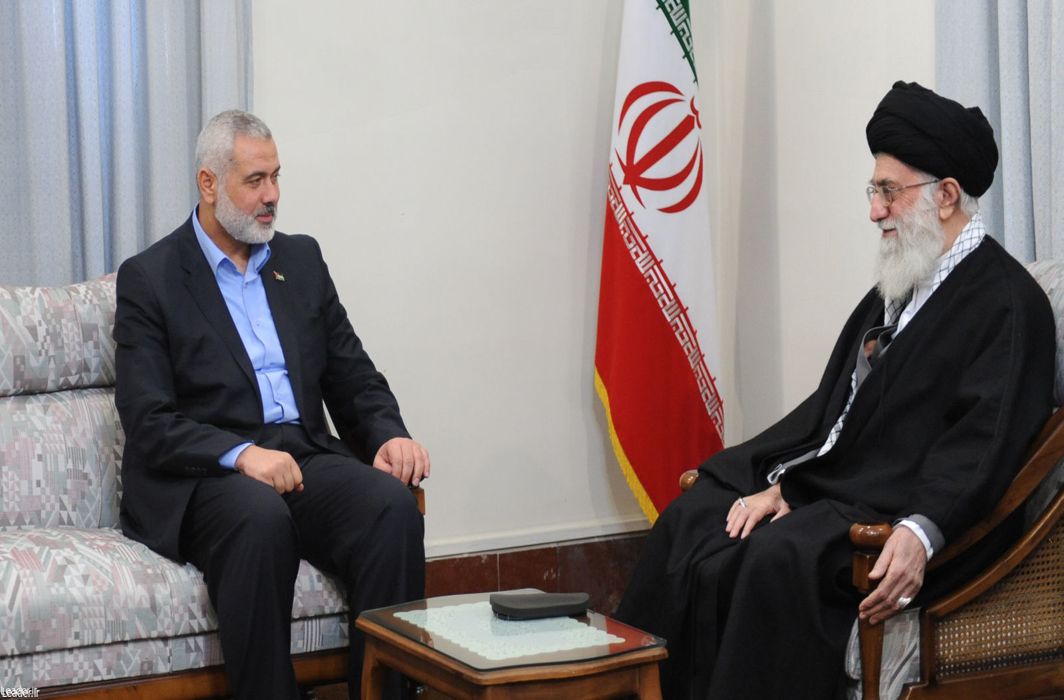
During last few years Saudi Arabia tried to create distance between Hamas and Iranian government by moving its office to Doha, Qatari capital. However, recently Ismail Haniyeh has written a letter to Iranian supreme leader Ayatollah Ali Khemenei for thanking his support.
Observers believe the designation of Ismail Haniyeh as “terrorist” raises the possibility of the US placing Haniya on trial. A Washington based journalist working for Aljazeera said, “This possibly makes it easier for the US Justice Department to try to bring him to trial for his alleged role in the deaths of these 17 Americans”.
In the State Department press release, the US also designated three other armed groups as being “terrorist groups”: Harakat al-Sabireen – a Gaza-based armed group, as well as two Egypt-based groups – Liwaa al-Thawra, and Harakat Sawa’d Misr.
A senior Hamas official Ghazi Hamad told that the US’ decision is part of a wider campaign against Palestinians since President Donald Trump came into office.
“It is obvious that this animosity from the US administration towards the Palestinians is unprecedented – with its unconditional support of Israel and its decision surrounding Jerusalem, and cutting its funding to the UN refugee agency [UNRWA],” said Hamad.
He further said, “I think Donald Trump is mentally ill. Since he became president … the US administration has been trying to impose its misguided policies on the Middle East.”
The Palestinian official said that Haniyeh a is an “icon of resistance” and that is “something he and we are all proud of”.
Trump has made a series of decisions in recent months that have increased tensions in the region.
On December 6, US President Donald Trump had formally recognised Jerusalem as Israel’s capital and asked Department of state to start process of moving its embassy from Tel Aviv to Jerusalem.
The move unleashed protests across the occupied Palestinian territories and in major cities around the world. Turkey had hosted OIC summit against Trump’s Jerusalem and several other conferences in different capitals had condemned Trump’s move.
On December 13, Palestinian resident Mehmoud Abbas had formally declared that Palestinians will no longer accept the US as mediator in the Middle East peace process.
Continuing its tough moves, on January 17, the US government decided to cut more than half of its planned funding to the UN aid agency for Palestinian refugees supporting more than five million registered Palestinian refugees for over 70 years.








Latest world news
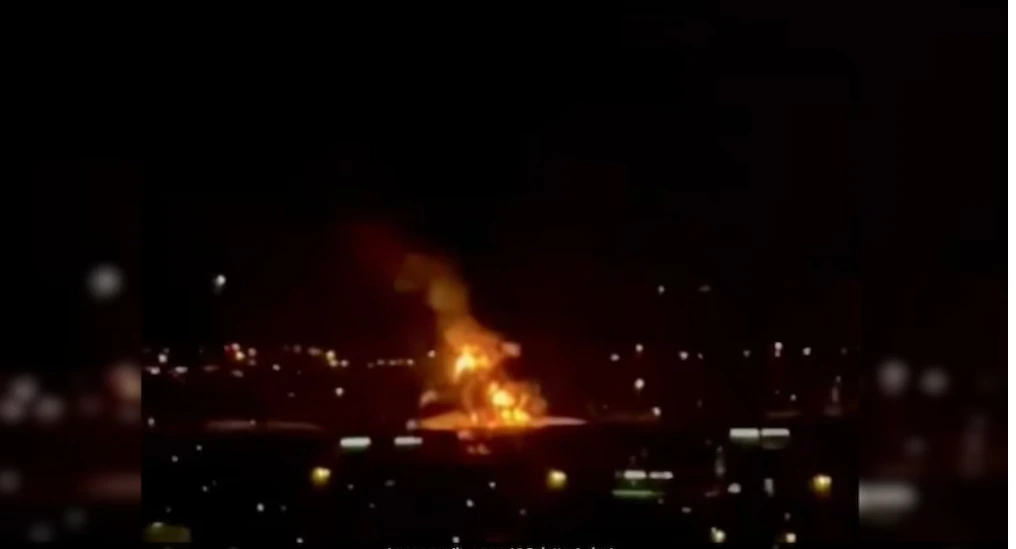
Fire near Dubai International Airport after drone incident, flights temporarily suspended
Flights at Dubai International Airport were temporarily suspended after a drone-related incident caused a fuel tank fire near the facility. Authorities confirmed the blaze was contained and no injuries were reported.

Latest world news
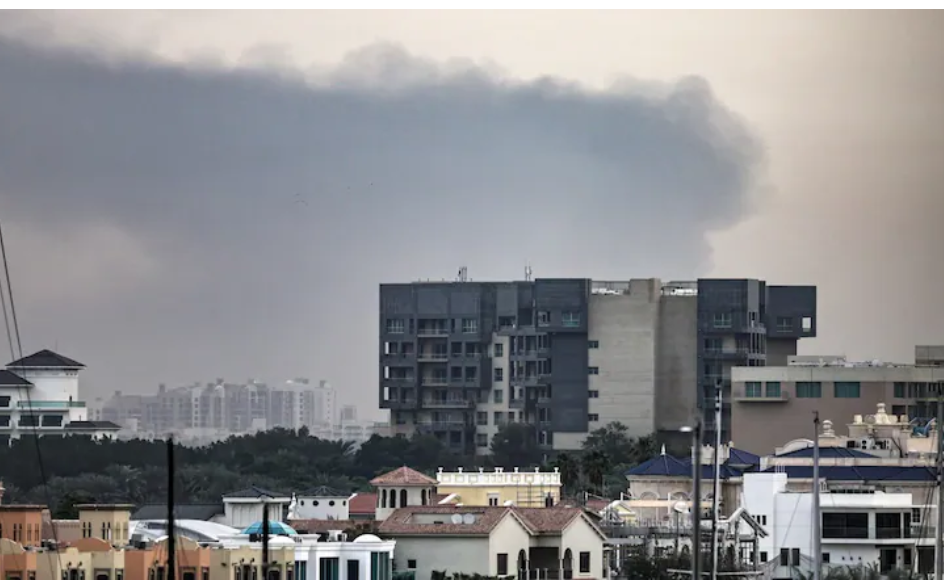
Dubai hit again within 24 hours as debris strikes building, drone targets US embassy in Baghdad
A building in Dubai’s financial hub was struck by debris from an intercepted attack while a drone targeted the US embassy in Baghdad, officials said.
Latest world news
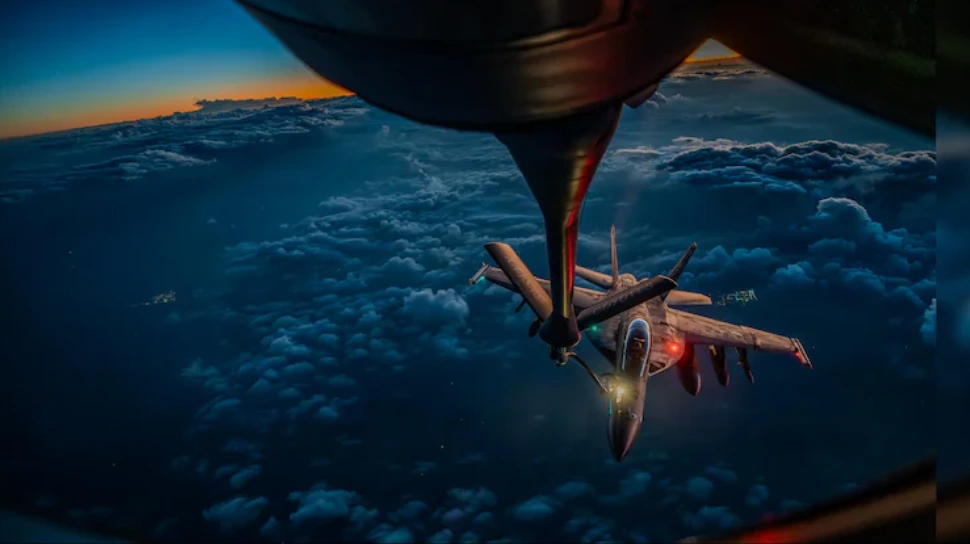
US KC-135 refuelling aircraft crashes in Iraq amid ongoing Iran war
A US KC-135 refuelling aircraft crashed in western Iraq during the ongoing Iran war, marking the fourth American aircraft lost in the conflict, according to the US military.

Fire near Dubai International Airport after drone incident, flights temporarily suspended

Arvind Kejriwal moves Supreme Court against Delhi High Court order in excise policy case

Fire in ICU at SCB medical college hospital in Cuttack kills 10 patients

Rajya Sabha elections Voting begins for 37 seats across 10 states

BJP releases first list of 47 candidates for Kerala assembly polls
BJP releases first list of 47 candidates for Kerala assembly polls
Fire in ICU at SCB medical college hospital in Cuttack kills 10 patients
Arvind Kejriwal moves Supreme Court against Delhi High Court order in excise policy case
Rajya Sabha elections Voting begins for 37 seats across 10 states
Fire near Dubai International Airport after drone incident, flights temporarily suspended

Afghan Men Try To Hang With The Jet Engine Of The Aircraft in Kabul- Afghanistan News – Kabul News
Trending Top 10 News: 10000 Crore Fine on Flipkart, Apple to Launch Unique Feature, Hdfc Bank Job Ad

Trending Top 10 News: Nokia 6310, Apple sales, Bachpan ka Pyar Video Kid, Dainik Bhaskar IT Raid

Trending Top 10 News: Canada bans Indian flights, Rain in Delhi NCR, AIMIM Twitter hacked, Raj Kundra case

Trending Top 10 News: Shein India, Apple New Service, Pocket Oxygen, Oppo Launched New Phone
-
 Latest world news20 hours ago
Fire near Dubai International Airport after drone incident, flights temporarily suspended
-
 India News20 hours ago
Arvind Kejriwal moves Supreme Court against Delhi High Court order in excise policy case
-
 India News20 hours ago
Fire in ICU at SCB medical college hospital in Cuttack kills 10 patients
-
 India News20 hours ago
Rajya Sabha elections Voting begins for 37 seats across 10 states
-
 India News10 hours ago
BJP releases first list of 47 candidates for Kerala assembly polls
