
Latest world news
“Iranian history, literature most sought-after”

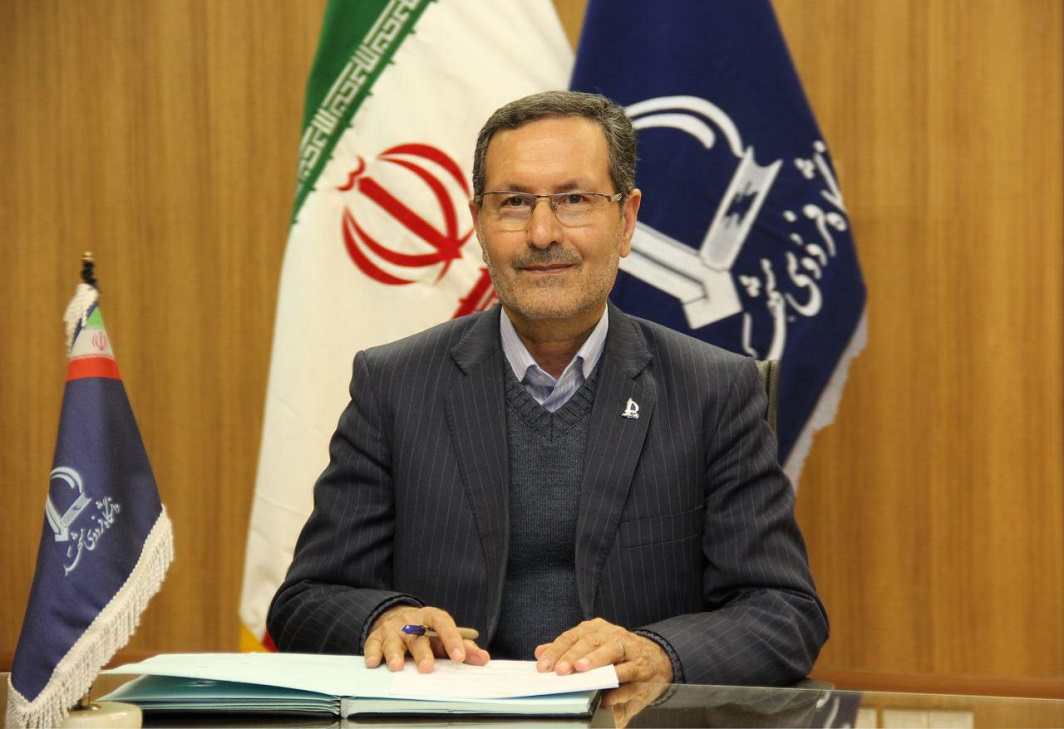
[vc_row][vc_column][vc_column_text]Ferdowsi University of Mashhad was established in 1949, and with nearly seven decades of a brilliant academic record, research and cultural history, it is currently one of Iran’s top three universities and also the largest centre of higher education in the northeast of Iran. Professor Mohammad Kafi, president of the university, spoke to Shailaja Paramathma in an email interview about institutes of higher education and the student life in Iran. Excerpts from the interview:
The Ferdowsi University of Mashhad (FUM) offers 180 bachelors, masters and PhD programs in the field of engineering, humanities and various sciences. Which are the most sought-after courses?
All the courses and programmes are of standard scientific level at the university and many students from several countries are studying in different disciplines. However, programmes associated with humanities, such as Iranian history and literature, are more sought-after. Courses in chemistry, electrical engineering, mathematics, agronomy and food sciences are also excellent compared to other universities in Iran.
How many foreign students and from which countries seek out FUM, in particular, and other Iranian universities, in general, for higher education?
With 1,500 foreign students from 20 countries, FUM has the largest number of international students among Iranian universities. Main countries that send their students to FUM are neighbouring countries like Iraq, Afghanistan, Tajikistan, and Lebanon. European and East Asian countries also select our university for courses in Persian language as well as for Iranian history and humanities courses. The same pattern holds true for other Iranian universities.
There was a time, around two decades ago, when the Iranian government offered substantial scholarships to Indian students to pursue higher education in Iranian universities. It has now stopped. What is the reason behind it?
These have stopped from our side. At present, all foreign students, including Indian applicants, can apply for scholarship through the Iranian ministry of science and technology. The university authorities can also offer some discount in tuition fee for meritorious students. But, generally speaking, we do not use our capacity for student exchange.
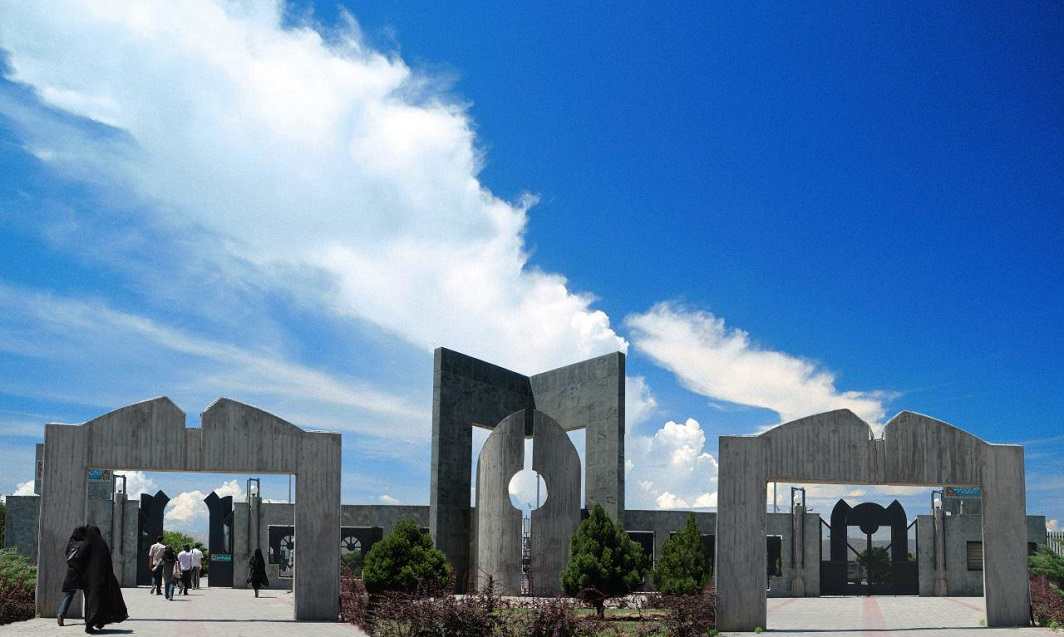
A grand view of the university gates
What is the vision of the universities in the long run to attract more foreign students? Is making English the medium of instruction going to be one of them?
In this regard, we have established an International Centre for Teaching Persian to Non-Persian Speakers. Undergraduate students are strongly encouraged to undergo a three- to six-month Persian language learning programme before they start their study. However, for graduates, many of our scientists are well-familiar with English as a second language and there is no problem in communicating with foreign students. We are also trying to offer some courses in English as well as the possibility of writing the dissertation, too, in English for international post-graduate students.
Mashhad is also known as “Iran’s spiritual capital”. How does the Ferdowsi University of Mashhad, named after the laureate of Persian literature, poet Ferdowsi, serve to keep that link alive in its everyday life?
On one hand, Persian literature is mixed with spirituality and, on the other, Islam accords importance to science and literature. The faculty of theology and the faculty of literature at FUM are among the top and the most famous faculties in Iran. Furthermore, families nationally and internationally select Mashhad due to this advantage for their children to study.
Culturally, how is the everyday life of a student coming from a country like India different in Iran?
Iranian hospitality is world-famous and all the students from around the world take back good memories from their stay in Iran. High living standards, cleanliness, welfare and safety besides plenty of customs and cultures are the highlights of life in Iran. Visiting places of historical value is another.
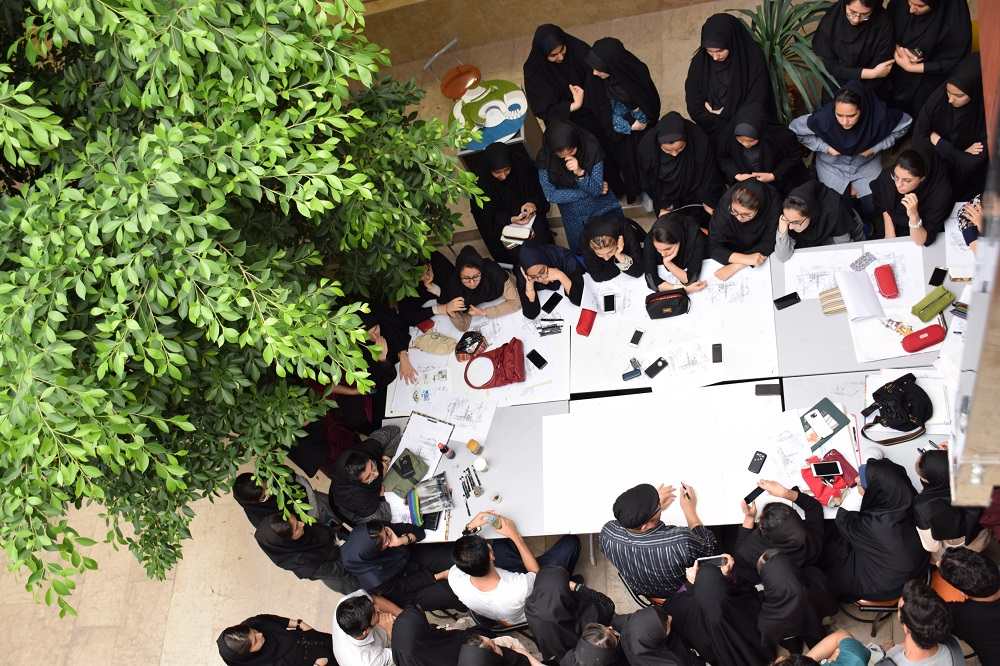
Students attend lessons on the university campus
How do you keep in touch with your foreign students after they graduate? The fee that they pay would be higher than that for a local student, how is your alumni program’s outreach for a foreign student?
FUM is establishing an alumni association in which communication among graduates and university and other programs are planned. The tuition fees are competitive and there is hardly any difference in the fee structure between self-financed Iranian students and the international students.
Iranian economy is at present at an all time high; the sanctions have been lifted and the overall approach is more business-oriented. How come the assistance that the Iranian government used to give to its own students to study in India has now trickled to a minimum? What is the reason behind it?
After the lifting of sanctions, the Iranian government has envisaged many development programmes in various sectors. Supporting students to study at top universities all over the world will be one of the development programs. At the moment we have more than 4,000 Iranian students studying in various Indian universities. The main reason for reduction in this number is the increasing availability of seats in domestic universities. Some other factors to be considered are living expenses, student visa, and the time-consuming procedure for getting admission abroad.
The School of Architecture at the University of Tehran and the Sharif University of Technology in Tehran impart a few of the-best rated courses in their said fields. How important is it for a foreign student to know Persian to pursue these courses and does lack of that knowledge deter them from joining?
We encourage all applicants to learn Persian before starting their main courses so that they are able to communicate with people in the society, particularly those who are interested in pursuing Islamic architecture. However, universities are ready to offer courses in English if the number of foreign students is considerable. As I said earlier, for graduate students who are taking fewer subjects and are fewer in number in each course, teaching in English is more feasible. Now our faculty of architecture has ranked fourth amongst Iranian architecture faculties and we invite Indian applicants to pursue their studies in FUM.
Courses in entrepreneurship seem to be the next big thing in Iran. Tell us more about these courses and why students are attracted to them.
Today, universities are trying to provide courses and facilities to students to help them learn skills and gain experience, so that they can enter the job market upon completion of the study. FUM centres for entrepreneurship, incubator and innovation centres are in the chain for doing this mission, but still we are very far from the goals that we have aimed for.
You spent more than three years in India as the scientific counsellor at the Iranian Embassy in New Delhi and travelled extensively to the rest of India. What is your fondest memory of India?
India is a great country and there is always something for everybody that attracts and appeals to them. For me, India has plenty to offer, like its deep sense of culture in everyday life, neutrality, respect to elders and family, and simplicity of living.[/vc_column_text][/vc_column][/vc_row]





Latest world news
Magnitude 7 earthquake strikes Tibet after floods
A magnitude 7 earthquake struck northern Tibet on Thursday, October 22. The tremor came weeks after deadly flash floods and landslides hit the mountainous region near the Nepal-China border. Initial reports did not confirm casualties or damage from the earthquake.


Latest world news
Macron rejects Trump’s immigration claims over France riots
French President Emmanuel Macron criticised Donald Trump and other foreign leaders over their comments on France’s recent unrest. Macron rejected claims that the country was being overrun by migrants and Islamists, calling such assertions false.

Latest world news
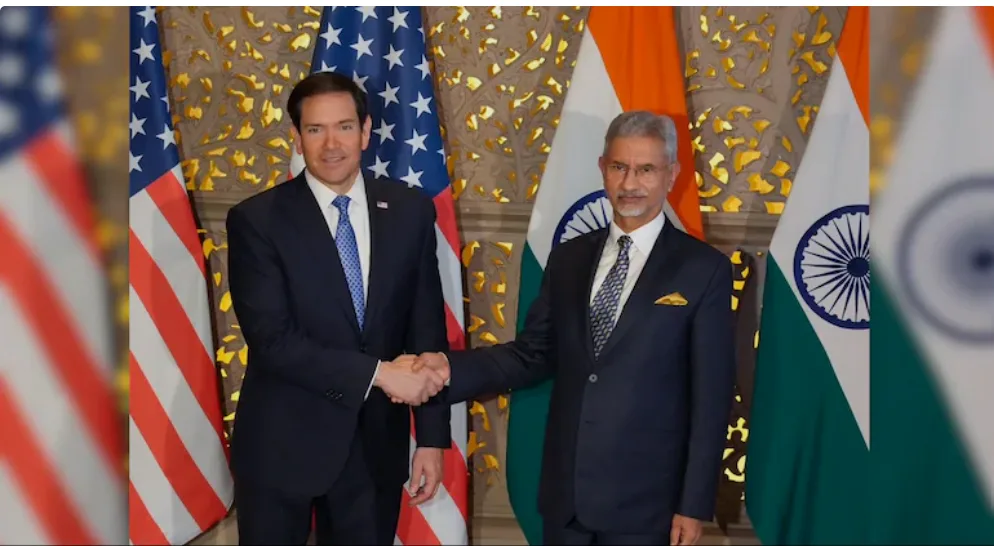
Marco Rubio says India and US share extraordinary alignment on key issues
US Secretary of State Marco Rubio said India and the United States share an extraordinary alignment on core issues, even though disagreements between the two countries may arise.

Punjab strike hits public services as 3 lakh employees and roadways workers protest

Two election commissioners complained against senior poll officer, RTI reveals

Om Prakash Mathur sworn in as Keralam Governor

PM Modi to inaugurate Rs 169-crore RBI data centre in Odisha on October 25

Delhi High Court rejects Neha Bora’s plea against peace bond notice

MEA responds after ITBP chief flags ongoing face-offs with China in Arunachal
Delhi High Court rejects Neha Bora’s plea against peace bond notice
PM Modi to inaugurate Rs 169-crore RBI data centre in Odisha on October 25
Om Prakash Mathur sworn in as Keralam Governor
Two election commissioners complained against senior poll officer, RTI reveals

Afghan Men Try To Hang With The Jet Engine Of The Aircraft in Kabul- Afghanistan News – Kabul News
Trending Top 10 News: 10000 Crore Fine on Flipkart, Apple to Launch Unique Feature, Hdfc Bank Job Ad

Trending Top 10 News: Nokia 6310, Apple sales, Bachpan ka Pyar Video Kid, Dainik Bhaskar IT Raid

Trending Top 10 News: Canada bans Indian flights, Rain in Delhi NCR, AIMIM Twitter hacked, Raj Kundra case

Trending Top 10 News: Shein India, Apple New Service, Pocket Oxygen, Oppo Launched New Phone
-
 India News14 hours ago
Punjab strike hits public services as 3 lakh employees and roadways workers protest
-
 India News14 hours ago
Two election commissioners complained against senior poll officer, RTI reveals
-
 India News3 hours ago
Om Prakash Mathur sworn in as Keralam Governor
-
 India News2 hours ago
PM Modi to inaugurate Rs 169-crore RBI data centre in Odisha on October 25
-
 India News1 hour ago
Delhi High Court rejects Neha Bora’s plea against peace bond notice
-
 India News42 mins ago
MEA responds after ITBP chief flags ongoing face-offs with China in Arunachal
