English हिन्दी
Connect with us

Latest world news

Regional peace under threat as Israel intensifies strikes on Lebanon

A fragile ceasefire between the US and Iran is on the brink of collapse as Israel intensifies its campaign in Lebanon, leading to the closure of the Strait of Hormuz.

Published

on

The fragile ceasefire agreement recently brokered between the United States and Iran is facing a significant crisis. The Donald Trump administration is currently navigating a volatile situation as Tehran has once again closed the strategic Strait of Hormuz. This move comes as a direct protest against intensified Israeli military operations in Lebanon, which have targeted various residential and commercial areas.

Escalation in Beirut and southern Lebanon

Recent reports from media indicate that the Israeli military launched what it described as its largest coordinated strike of the war on Wednesday. Within a ten-minute window, over 100 command centers and military sites associated with the Hezbollah militant group were hit across Beirut, the Bekaa Valley, and southern Lebanon. The human toll has been severe, with Lebanon’s civil defense service reporting 254 fatalities and more than 1,100 injuries.

The military operations have also targeted critical infrastructure. A senior security source confirmed that the last remaining bridge over the Litani River, connecting southern Lebanon to the rest of the country, was destroyed. Israeli officials have indicated an intention to occupy this southern region as a “buffer zone,” leading to a complete disconnection of the area from the rest of the nation.

Disputes over ceasefire terms

The sustainability of the two-week truce, which was mediated with the help of Pakistan, is now in question. A core point of contention remains whether Lebanon was included in the original agreement. While the Iranian Foreign Minister insisted that ending hostilities in Lebanon was a condition of the deal, both President Donald Trump and Israeli Prime Minister Benjamin Netanyahu have maintained that the truce did not extend to that territory.

The Iranian leadership has expressed deep dissatisfaction, with the parliament speaker labeling further talks with the US as “unreasonable”. Tehran cited Israeli attacks on Hezbollah and alleged incursions into Iranian airspace as violations of the ceasefire conditions.

Global economic and diplomatic concerns

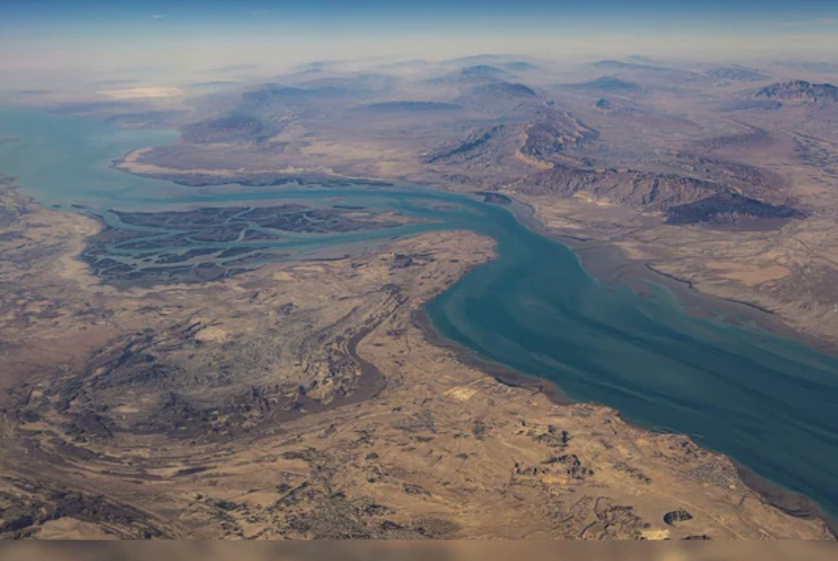
The closure of the Strait of Hormuz, a waterway essential for one-fifth of the world’s oil supply, has triggered an immediate response from Washington. White House officials have termed the closure “completely unacceptable” and are demanding its reopening to keep diplomatic channels active.

Reports from media suggest that Israeli officials were dissatisfied with the late notice provided by the US regarding the finalization of the ceasefire. While US defense officials have characterized recent military outcomes as a significant victory, the differing interpretations of the deal—ranging from ship tolls in the Strait to the status of militant groups—continue to threaten the stability of the region.

Latest world news

Trump and Putin hold over 90-minute call, discuss Iran war and Ukraine conflict

Trump and Putin held a 90-minute call focusing on Iran tensions and the Ukraine conflict, with warnings over escalation and talks of ceasefire.

Published

on

Vladimir Putin and Donald Trump

US President Donald Trump and Russian President Vladimir Putin held a phone conversation lasting more than 90 minutes, focusing on escalating tensions in the Middle East and the ongoing war in Ukraine.

According to official statements, the discussion was described as “frank and businesslike,” with both leaders addressing key global security concerns. A major part of the conversation centred on the situation involving Iran and developments in the Persian Gulf.

Putin supported Trump’s decision to extend the ceasefire related to Iran, suggesting that continued restraint could create space for negotiations and help stabilise the region. However, he also issued a strong warning, stating that renewed military action by the United States or Israel could lead to “extremely damaging consequences” not only for Iran but for the wider international community.

Ukraine conflict also discussed

The leaders also discussed the ongoing war in Ukraine, which has continued for several years since Russia’s invasion in 2022. During the call, there were indications of potential efforts toward a temporary ceasefire, although no final agreement has been confirmed.

Reports suggest that the idea of a short-term pause in hostilities was explored, possibly linked to upcoming symbolic dates, but significant differences between the parties remain unresolved.

Focus on diplomacy amid global tensions

The call highlights ongoing diplomatic engagement between Washington and Moscow at a time of heightened geopolitical tensions involving both the Middle East and Eastern Europe.

While both sides acknowledged the importance of dialogue, the situation on the ground in both conflict zones remains complex, with no immediate resolution in sight.

Continue Reading

Latest world news

Trump rejects Iran peace plan as tensions rise, Tehran signals military readiness

Trump rejects Iran’s peace plan, keeping focus on nuclear concerns as Tehran signals readiness and tensions continue to rise.

Published

on

Donald Trump statement

U.S. President Donald Trump has rejected a proposal from Iran aimed at easing ongoing tensions, signaling a continued deadlock between the two countries.

The proposal reportedly included steps linked to easing restrictions around the Strait of Hormuz, a key global oil route. However, the United States declined the offer, maintaining that any agreement must address concerns related to Iran’s nuclear programme.

Washington has made it clear that resolving nuclear issues remains a priority and that partial measures without broader commitments will not be accepted.

Nuclear issue remains central

The U.S. position continues to focus on preventing Iran from advancing its nuclear capabilities. Officials believe that without a comprehensive agreement, temporary arrangements could delay a long-term resolution.

The rejection of the proposal indicates that negotiations remain stalled, with both sides holding firm on key demands.

Iran issues warning

Following the rejection, Iranian officials have issued strong statements, indicating readiness to respond if pressure from the U.S. continues.

Reports suggest that Iran has asserted its military preparedness, warning that any escalation could lead to serious consequences. The remarks reflect growing tensions as diplomatic efforts struggle to produce results.

Rising geopolitical tension

The situation remains volatile, with both countries engaged in a prolonged standoff. Measures such as restrictions on trade routes and strategic pressure points continue to impact the broader region.

The Strait of Hormuz remains a critical factor in the conflict, given its importance for global energy supplies.

Outlook uncertain

With no immediate breakthrough in sight, tensions between the United States and Iran are expected to persist. The lack of agreement on key issues, particularly the nuclear programme, continues to hinder progress toward de-escalation.

Continue Reading

Latest world news

Russian foreign minister Sergei Lavrov to visit India in May for BRICS meeting

Sergei Lavrov will visit India in May to attend the BRICS Foreign Ministers’ Meeting and discuss bilateral ties with S Jaishankar.

Published

on

Russian Foreign Minister Sergei Lavrov is set to visit India in May to participate in a key meeting of foreign ministers from BRICS nations, according to an official announcement.

The visit is scheduled for May 14 and 15, during which Lavrov will attend the BRICS Foreign Ministers’ Meeting in New Delhi. The meeting is being held under India’s presidency and is expected to focus on major global issues, including strengthening international governance and enhancing cooperation among member nations.

On the sidelines of the multilateral engagement, Lavrov is also expected to hold bilateral discussions with India’s External Affairs Minister S Jaishankar. The talks are likely to cover a wide range of issues, including bilateral relations, future diplomatic engagements, and preparations for upcoming intergovernmental commission meetings.

The BRICS meeting will serve as a platform for detailed discussions on pressing international matters and the evolving global order. It is also expected to play a role in shaping the agenda for the upcoming BRICS summit scheduled later this year in New Delhi.

Officials have indicated that the gathering will emphasize strengthening strategic partnerships and increasing the role of emerging economies in global decision-making processes. Participation from partner countries is also expected in select sessions.

Lavrov’s visit comes shortly after a recent telephonic conversation between him and Jaishankar, where both sides discussed regional developments and ways to expand cooperation between India and Russia.

Continue Reading

Trending

© Copyright 2022 APNLIVE.com