English हिन्दी
Connect with us

Latest world news

PM Modi chairs high-level security meet over Iran-Israel escalation

Published

on

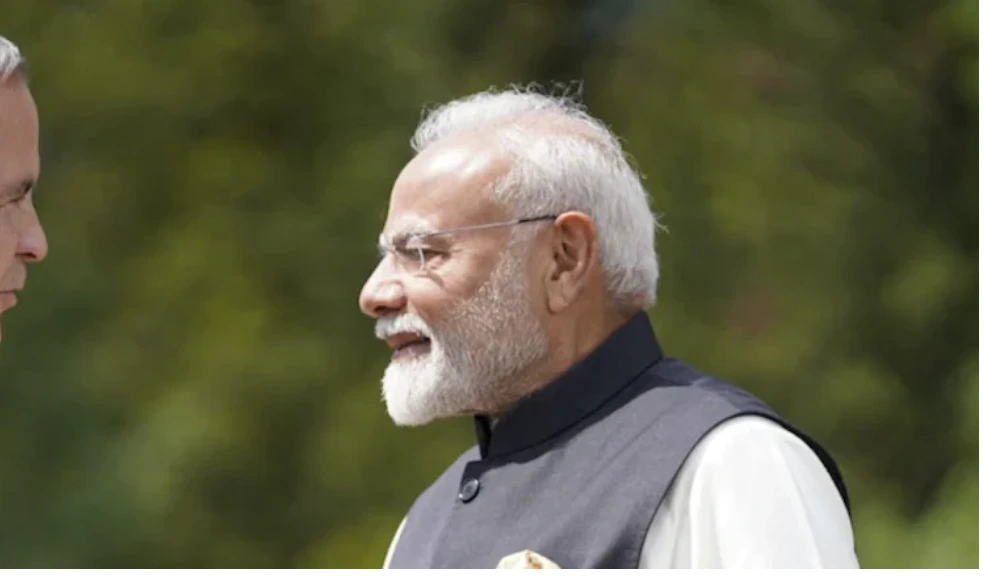
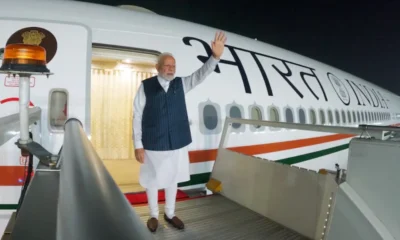
Prime Minister Narendra Modi on Sunday night chaired a meeting of the Cabinet Committee on Security (CCS) to assess the rapidly evolving situation in West Asia following the US-Israel military action against Iran and the reported killing of Iran’s Supreme Leader Ali Khamenei.

The high-level meeting took place soon after the prime minister returned to New Delhi at around 9.30 pm after concluding his two-day visit to Rajasthan, Gujarat, Tamil Nadu and Puducherry. According to sources, the CCS reviewed developments arising from the fresh round of hostilities in the region and their potential implications for India.

Those present at the meeting included Defence Minister Rajnath Singh, Home Minister Amit Shah, External Affairs Minister S. Jaishankar and Finance Minister Nirmala Sitharaman. Senior officials such as National Security Advisor Ajit Doval, Chief of Defence Staff Anil Chauhan, Cabinet Secretary T. V. Somanathan and Foreign Secretary Vikram Misri also attended.

Safety of Indian nationals discussed

Sources indicated that the CCS deliberated on measures to ensure the safety of Indian citizens in the region. Nearly 10,000 Indians are currently in Iran, while more than 40,000 reside in Israel. The broader Gulf and West Asia region is home to an estimated nine million Indians.

With airspace across parts of West Asia largely shut amid military escalation, flight operations have been disrupted. Hundreds of Indian passengers are reported to be stranded at major transit hubs such as Dubai and Doha, prompting appeals on social media for government assistance.

The Ministry of External Affairs said Indian missions in the affected countries are in touch with nationals and have activated helplines to provide support.

Strait of Hormuz and oil supply concerns

The meeting is also understood to have reviewed the situation arising from the reported closure of the Strait of Hormuz by Iranian authorities. The strait is a crucial maritime route for global energy supplies, including oil shipments destined for India.

In the past, India has carried out large-scale evacuation operations in conflict zones, including in West Asia, to bring back its citizens safely.

Escalation in West Asia

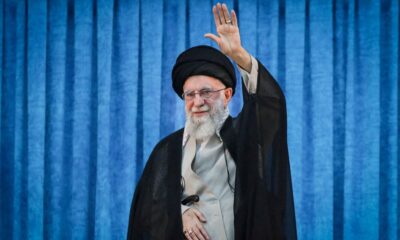
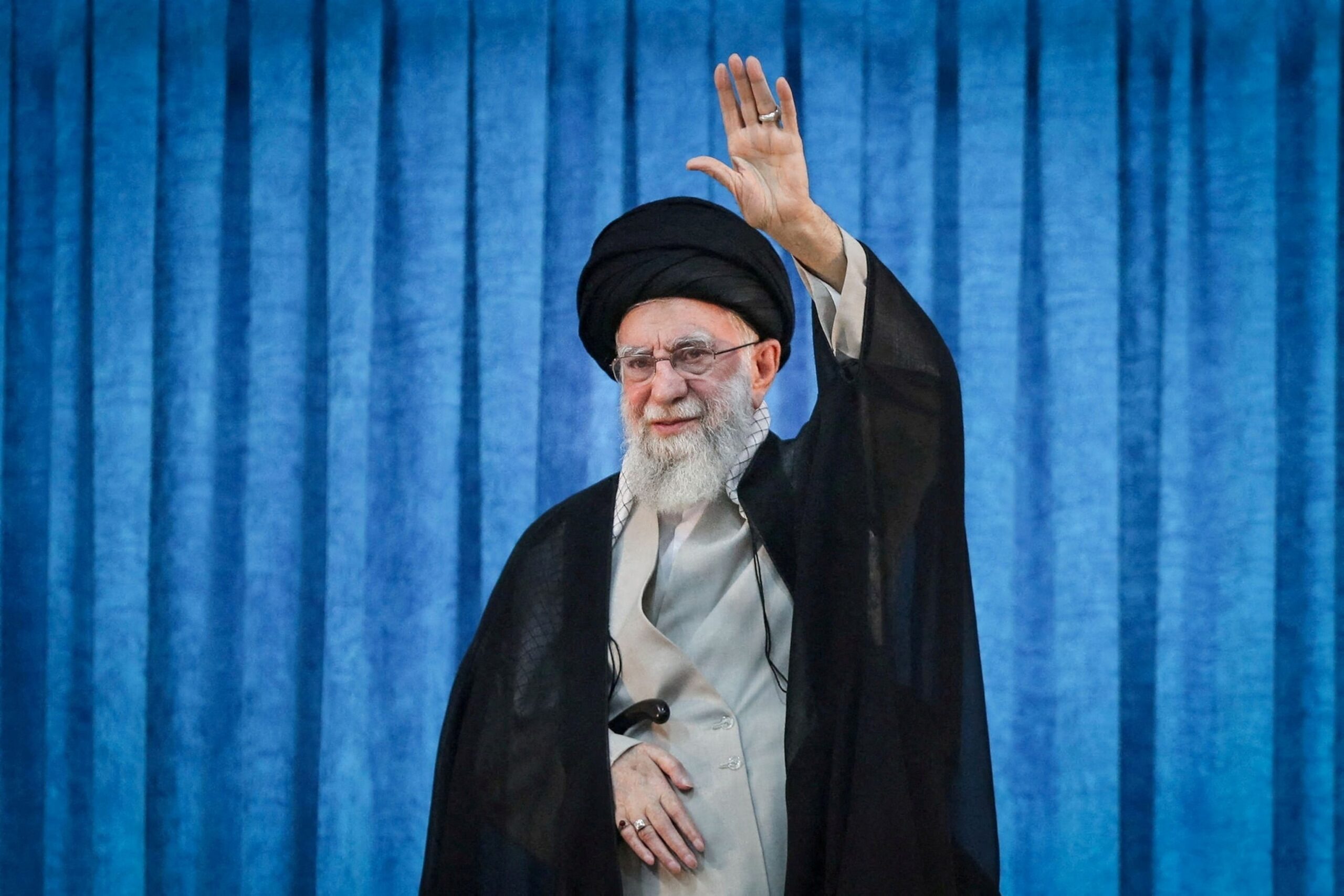
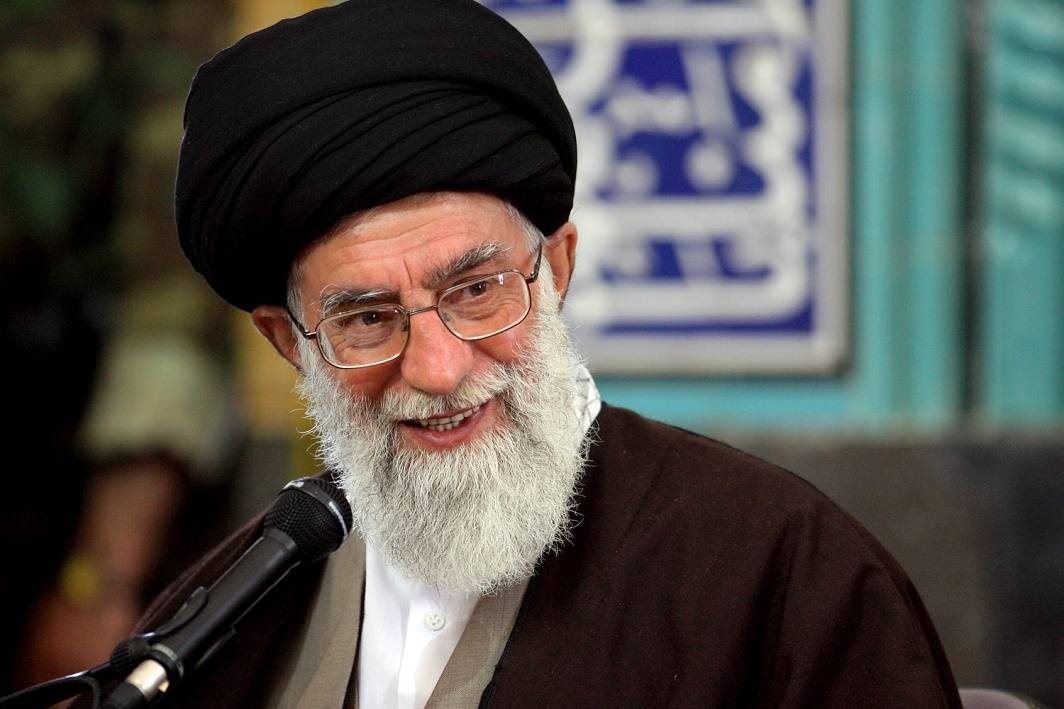
Iran’s Supreme Leader Ali Khamenei was reported killed in a major strike carried out early Saturday by Israel and the United States. Iranian state television and the state-run IRNA news agency announced the 86-year-old leader’s death on Sunday.

US President Donald Trump said the action gave Iranians their “greatest chance” to “take back their country” and indicated that military operations would continue as long as necessary.

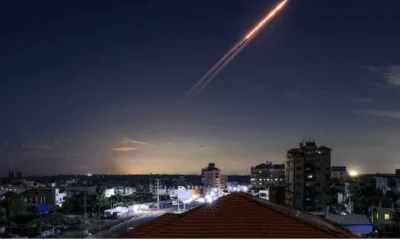
Iran responded by launching drones and missiles targeting Israel, US military installations in the Gulf region, and areas including the global business hub of Dubai.

Meanwhile, members of the Shia community in several parts of India held gatherings on Sunday to express grief and protest over Khamenei’s killing.

Latest world news

Ali Khamenei killed in Israeli-US strikes on Tehran, Iran confirms

Published

on

Iran’s Supreme Leader Ali Khamenei has been killed following joint military strikes carried out by the United States and Israel, according to confirmation from Iranian state media.

State broadcaster Islamic Republic of Iran Broadcasting (IRIB) reported on Sunday morning that the 86-year-old leader had “reached martyrdom”. Media reports said he was killed in his office during the early hours of Saturday when Israeli and US forces launched what has been described as one of the most extensive attacks on Iranian targets in decades.

Iranian state television said his death at his office demonstrated that he “stood among the people and at the forefront of his responsibilities,” confronting what officials described as “global arrogance”.

Reports of strike on Khamenei’s compound

Earlier, media reports quoting Israeli officials stated that Khamenei had been killed in an Israeli strike on his compound in Tehran on Saturday morning. A senior Israeli official reportedly said his body had been recovered from the site.

Israel’s Channel 12 reported that Prime Minister Benjamin Netanyahu had been shown an image of Khamenei’s body after it was retrieved from the compound.

The assassination of the Islamic Republic’s second Supreme Leader, who reportedly had no designated successor, is expected to create significant uncertainty over Iran’s political future and could heighten the risk of prolonged regional conflict amid threats of retaliation.

Trump announces death on social media

US President Donald Trump announced Khamenei’s death in a post on X, describing it as “the single greatest chance for the Iranian people to take back their Country.” He said the operation followed coordinated US-Israeli aerial bombardment targeting Iranian military and government sites.

In a separate post on Truth Social, Trump said US intelligence and tracking systems had monitored Khamenei’s movements and claimed there was “not a thing he, or the other leaders that have been killed along with him, could do.”

He added that the heavy and “pinpoint bombing” would continue as long as necessary to achieve what he described as peace across the Middle East and the world.

Shortly after Trump’s announcement, a message appeared on Khamenei’s official X account in Persian reading: “In the name of Nami Haider (peace be upon him),” raising questions about the timing of the confirmation.

Other senior Iranian leaders reported killed

Sources cited by media said that Iran’s Defence Minister Amir Nasirzadeh and Revolutionary Guards commander Mohammed Pakpour were among those killed in the strikes.

Israel’s military said it had confirmed the deaths of five other senior commanders, including Ali Shamkhani, an adviser to the Supreme Leader. Iranian media also reported that several of Khamenei’s family members — including his daughter, grandchild, son-in-law and daughter-in-law — were killed.

Iran has described the strikes as unprovoked and illegal. In response, it reportedly launched missile attacks targeting Israel and at least seven other countries, including Gulf states hosting US military bases.

Who was Ali Khamenei

Ayatollah Ali Khamenei had led Iran since 1989, succeeding Ruhollah Khomeini after the latter’s death. As Supreme Leader, he held ultimate authority over the government, armed forces and judiciary in the Islamic Republic.

Initially seen by some observers as a weak successor, Khamenei consolidated power over decades, maintaining a hardline stance against Western countries, particularly the United States. Throughout his tenure, he backed policies that critics said deepened Iran’s international isolation.

He remained vocal in opposing Washington, including during Donald Trump’s second term as president beginning in 2025. Amid protests within Iran and growing external pressure, Khamenei had reiterated that the country would not “yield to the enemy,” reflecting his longstanding anti-Western posture.

His death marks a major turning point for Iran and the wider Middle East, with regional and global implications likely to unfold in the coming days.

Continue Reading

Latest world news

Israel, US strike Iran as explosions rock Tehran, sirens sound in Tel Aviv

Published

on

attack on iran

Explosions were reported in Iran’s capital, Tehran, on Saturday morning after Israel carried out what it described as a preemptive military strike, further escalating tensions in the region. The United States also participated in the operation, according to media reports citing an official.

The reported targets were located near the offices of Iran’s Supreme Leader Ayatollah Ali Khamenei. However, reports said the 86-year-old leader was not present in Tehran at the time and had been moved to a secure location.

A journalist cited by Indian television channel NDTV said that at least three to four strikes were heard in the Iranian capital. There was no immediate clarity on casualties.

Sirens in Tel Aviv, emergency alerts issued

Shortly after the strikes, sirens were sounded across Tel Aviv, with Israeli authorities warning residents of the “possibility of missiles” being launched toward the country.

In a statement, the Israel Defense Forces said advance instruction alerts had been sent directly to cellular devices, urging the public to stay close to protected spaces. The military described the alert as a proactive measure in anticipation of potential missile launches.

Israel’s Defence Minister Israel Katz said the strikes were carried out “to remove threats.”

NDTV’s correspondent, who was reporting live from Ben Gurion Airport, sought shelter as air raid warnings were activated. The sirens stopped shortly afterward.

Several hospitals in Israel initiated emergency protocols, shifting patients and surgeries to underground facilities as a precautionary measure.

Both Iran and Israel closed their airspace following the attack.

Nuclear tensions in the backdrop

The developments come amid heightened tensions over Iran’s nuclear programme. The US and Israel have repeatedly warned of possible military action if Tehran continued advancing its nuclear and ballistic missile capabilities.

Earlier this month, Washington and Tehran had resumed negotiations aimed at resolving the long-standing dispute through diplomatic channels. Israel has maintained that any agreement must involve dismantling Iran’s nuclear infrastructure and include restrictions on its missile programme. Iran, for its part, had indicated willingness to discuss limits on its nuclear activities in exchange for sanctions relief but rejected linking the issue to its missile capabilities.

US President Donald Trump had hours earlier expressed dissatisfaction with the latest round of talks. “I’m not happy with the fact that they’re not willing to give us what we have to have… They cannot have nuclear weapons,” he said, while declining to specify whether a military strike was imminent.

India issues advisory for nationals

Amid rising tensions, the Indian Embassy in Israel issued an advisory urging citizens in Tel Aviv to exercise utmost caution and remain vigilant.

The advisory asked Indian nationals to strictly follow safety guidelines issued by Israeli authorities and the Home Front Command, stay close to designated shelters, and avoid non-essential travel within Israel until further notice. Citizens were also advised to monitor local news and official announcements regularly.

An emergency helpline has been issued for Indians in Israel: +972-54-7520711 and [email protected].

Iran had earlier stated that it would defend itself against any attack, raising concerns about potential retaliatory measures as the situation continues to unfold.

Continue Reading

Latest world news

Trump declines to intervene as Pakistan-Afghanistan tensions escalate

Published

on

Trump munir sharif

US President Donald Trump has said he would not intervene in the ongoing hostilities between Pakistan and Afghanistan, even as Islamabad declared a state of “open war” following a series of cross-border strikes.

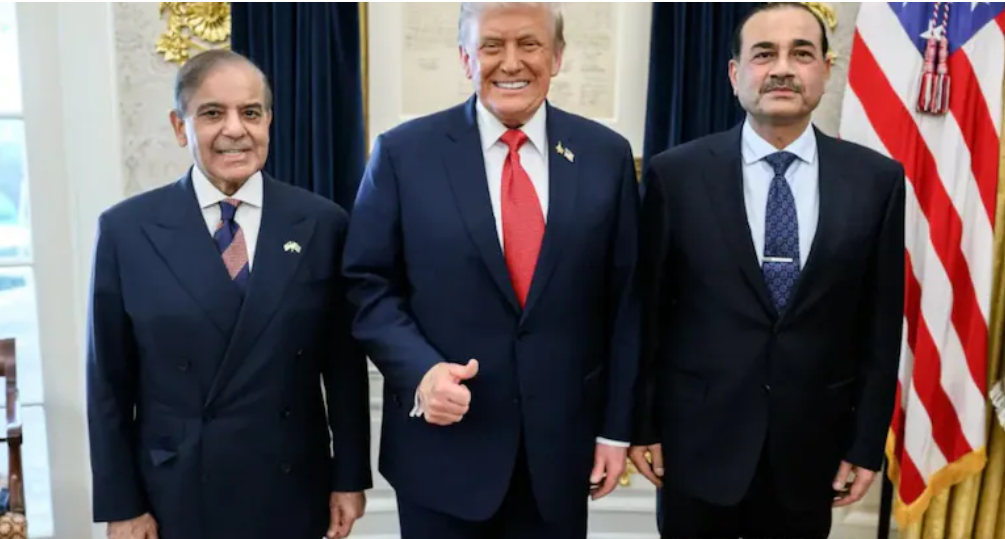
Speaking to reporters on Friday, Trump said he respected Pakistan’s leadership and suggested that the country was capable of handling the situation on its own. “I would (intervene), but you have a great prime minister, you have a great general there, you have a great leader. I think two of the people that I really respect a lot. I think Pakistan is doing terrifically well,” he said.

Trump specifically praised Pakistan’s military chief Field Marshal Asim Munir and Prime Minister Shehbaz Sharif.

Pakistan claims major strikes across Afghanistan

The remarks came as Pakistan’s Defence Minister Khawaja Asif announced a state of “open war” with Afghanistan after tensions flared earlier in the week. Islamabad said it had carried out aerial strikes on 29 locations inside Afghanistan on Friday, including targets in Kandahar and Kabul.

According to a Pakistani government spokesperson, 297 Afghan Taliban members and militants were killed in the strikes. In response, Taliban government spokesperson Zabihullah Mujahid claimed Afghan forces killed 55 Pakistani soldiers and captured several others.

The developments mark the most significant military escalation between the two sides since the Taliban returned to power in Afghanistan in 2021 following the withdrawal of US forces.

Strong reactions from Washington and other countries

Sharif later asserted that Pakistan’s armed forces were fully prepared to respond to any aggression. “Our forces have the full capability to crush any aggressive ambitions. The entire nation stands shoulder to shoulder with the Pakistan armed forces,” he said.

A spokesperson for the US State Department said Washington supports Pakistan’s “right to defend itself” against Taliban attacks, while criticising the Taliban for failing to meet counterterrorism commitments. The spokesperson stated that Afghanistan has been used by terrorist groups as a base for attacks, contributing to regional instability.

Meanwhile, Britain called for de-escalation, China urged a ceasefire, and Iran offered to mediate between the two countries.

The US Embassy and Consulates in Pakistan also issued an advisory for American citizens, warning that law enforcement facilities, military installations and major commercial centres remain potential targets for terrorist organisations. US nationals were advised to exercise caution, particularly during peak hours.

Shift in US-Pakistan dynamics

Trump’s remarks signal a shift in tone compared to the strained relations between Washington and Islamabad during the tenure of former US President Joe Biden. Since returning to office for a second term, Trump has adopted a more favourable stance towards Pakistan.

Islamabad has previously praised Trump’s mediation efforts in global conflicts and even suggested he deserved the Nobel Peace Prize. While Pakistan remains a major non-NATO ally of the United States, the Afghan Taliban continues to be designated as a terrorist group by Washington.

Continue Reading

Trending

© Copyright 2022 APNLIVE.com