English हिन्दी
Connect with us

Latest world news

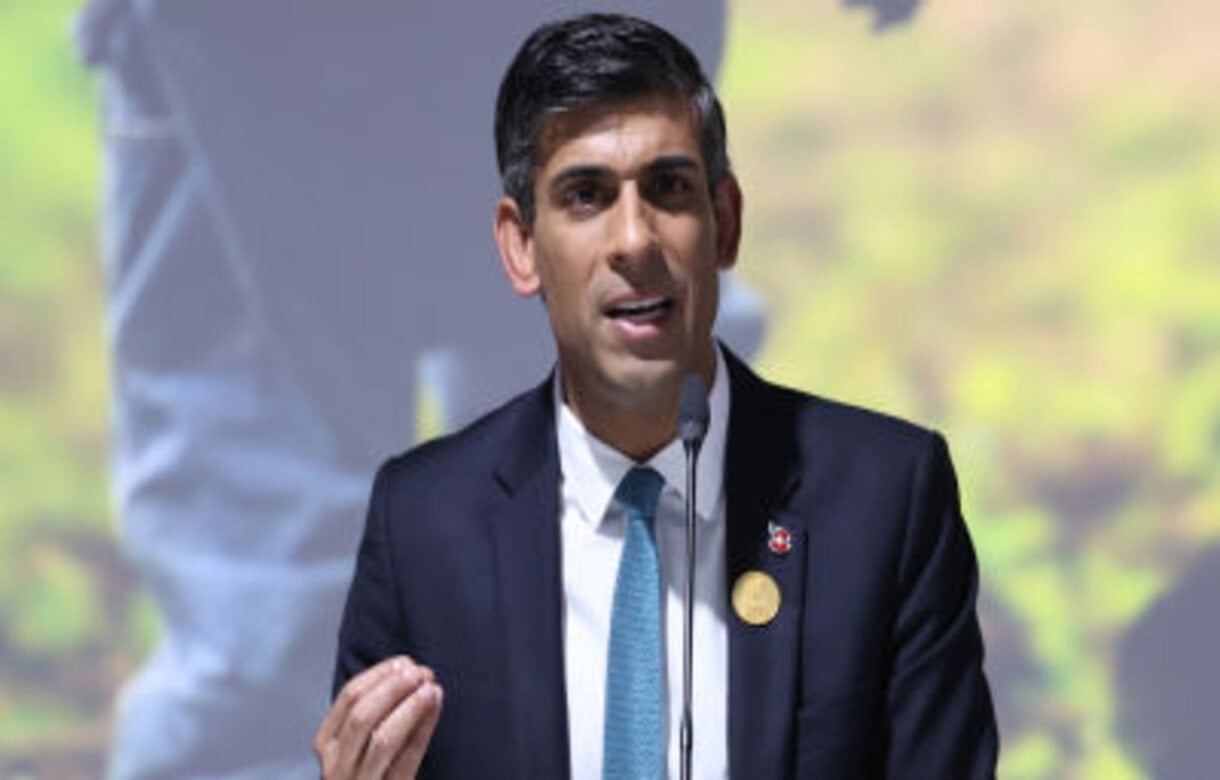
Rishi Sunak backs India’s Operation Sindoor, says terror strikes are justified

Former UK Prime Minister Rishi Sunak has supported India’s Operation Sindoor following the Pahalgam terror attack, calling it a justified strike on terror camps.

Published

on

Rishi Sunak

Former British Prime Minister Rishi Sunak has come out in support of India’s Operation Sindoor, describing the military response as “justified” following the deadly terror attack in Jammu and Kashmir’s Pahalgam. The cross-border operation targeted multiple terror infrastructure hubs to avenge the killing of 26 civilians in one of the deadliest recent attacks in the region.

Sunak affirms India’s right to self-defense

Taking to social media platform X on Wednesday, Sunak expressed strong backing for India’s right to retaliate against terrorism originating from foreign territory. “No nation should have to accept terrorist attacks being launched against it from land controlled by another country. There can be no impunity for terrorists,” he stated.

Sunak’s endorsement marks a significant show of solidarity from the United Kingdom amid rising regional tensions. He had earlier condemned the Pahalgam incident, calling it a “barbaric attack” that claimed the lives of newlyweds, children, and families. “Our hearts break for them… Terror will never win. We grieve with India,” he added.

UK’s broader response, Support for de-escalation

While Sunak lent unambiguous support to India’s counter-terror action, UK Trade Secretary Jonathan Reynolds emphasized the UK’s neutral stance toward de-escalation between India and Pakistan. Speaking to the media, Reynolds said Britain is prepared to assist both nations in lowering tensions and promoting dialogue.

“Our message would be that we are a friend, a partner to both countries… We stand ready to support both countries in maintaining regional stability,” Reynolds noted.

The UK’s Foreign Office also issued a travel advisory, urging British nationals to avoid areas within eight kilometers of the India-Pakistan border, and all areas of Pakistan’s southwestern Balochistan province. British travelers were advised to stay informed and follow local guidance.

Details of Operation Sindoor

India’s Operation Sindoor involved a series of 24 precision missile strikes conducted over 25 minutes across nine strategic sites in Pakistan and Pakistan-Occupied Kashmir. These included locations in Muzaffarabad, Kotli, Bahawalpur, Rawalakot, Chakswari, Bhimber, Neelum Valley, Jhelum, and Chakwa. The strikes reportedly resulted in the elimination of 70 terrorists and injuries to 60 more.

According to government sources, the attack was not only a military retaliation but also a highly coordinated strategic mission aimed at minimizing detection and maximizing impact.

Pakistan retaliated with shelling across the Line of Control (LoC), leading to the deaths of three civilians in Jammu and Kashmir’s Poonch sector, officials said.

India News

USA marks 250 years with Independence Day with nationwide celebrations

Published

on

The United States of America is observing its Independence Day on July 4 with celebrations taking place across the country. Public events, parades, concerts, and fireworks have been organized in several cities as Americans mark the nation holiday.

Large gatherings have been reported in cities including Washington D.C., New York, Boston, and Philadelphia, where thousands of people are participating in officials and community-led celebrations. Public parks, streets, and other venues have been prepared to host visitors throughout the day.

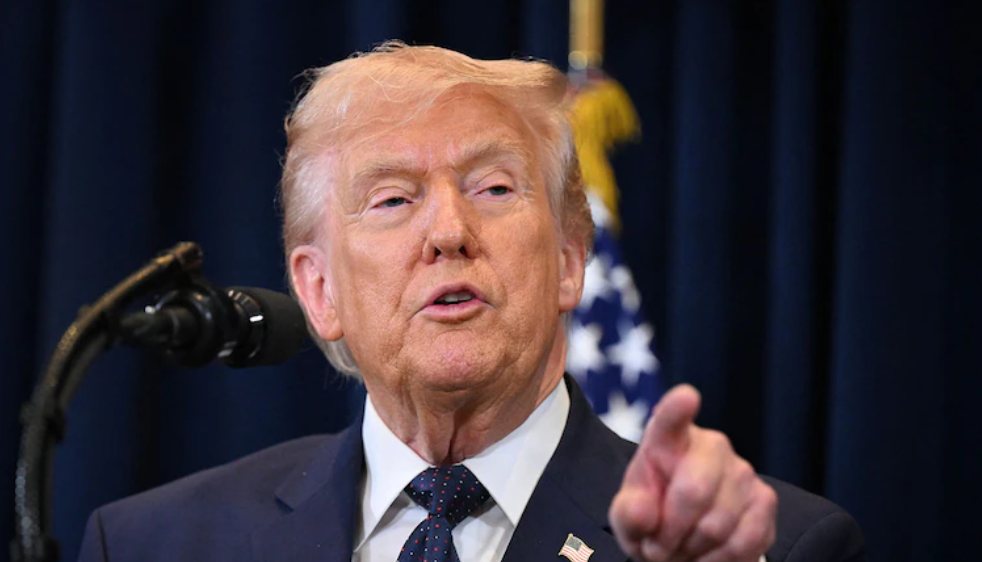
Government officials, including US President Donald Trump, extended Independence Day greetings and participated in events celebrating the occasion. Ceremonies honouring military personnel, experts, and first responders have also been held in different parts of he country.

Authorities have stepped up security arrangements at major event locations to manage large crowds. Additional police forces and emergency response teams have been posted, while officials have advised the public to follow safety instructions during the celebrations.

The holiday has also resulted in increased travel activity, with airports, highways, and railway stations experiencing heavy passenger movement. Hotels, restaurants and tourist attractions are seeing a rise in visitors as many people use the long weekend for travel and family gatherings.

Although weather conditions have disrupted a few outdoor events in some areas, most programme are continuing as scheduled. Fireworks displays are expected to take place in the evening at several locations, including major cities known for their annual Independence Day celebrations.

The nation celebrates Independence Day every July 4. It marks the adoption of the Declaration of Independence in 1776, when 13 American colonies became independent from British rule. It is one of the most important national holidays in the United States and is celebrated with parades, fireworks, official ceremonies, and community events across the country.

Continue Reading

Latest world news

Iranian leaders break down in tears during Ayatollah Ali Khamenei’s farewell ceremony

Iranian Parliament Speaker Mohammad Bagher Ghalibaf and Foreign Minister Abbas Araghchi became emotional during Ayatollah Ali Khamenei’s farewell ceremony in Tehran, which was attended by senior Iranian officials and international delegations.

Published

on

Iranian Parliament Speaker Mohammad Bagher Ghalibaf and Foreign Minister Abbas Araghchi were overcome with emotion during the farewell ceremony for former Iranian Supreme Leader Ayatollah Ali Khamenei in Tehran on Friday, as the country began official mourning ceremonies for the late leader.

The ceremony took place under extensive security arrangements, with senior Iranian officials and international delegations arriving in the capital to pay their respects.

Tight security in Tehran for farewell ceremonies

Tehran Governor Mohammad Sadegh Motamadian said authorities had implemented the highest level of security for the farewell and funeral events.

He said the gates of Tehran’s Grand Mosalla Prayer Grounds would open to the public at 6 a.m. local time, while urging people to plan their arrival accordingly. Organisers also indicated that the opening time could be advanced depending on the situation.

India among countries represented at ceremony

India was represented at the ceremony by Minister of State for External Affairs Pabitra Margherita and Bihar Governor Lt. Gen. (Retd.) Syed Ata Hasnain.

The Embassy of Iran in India said Indian dignitaries had paid tribute to Ayatollah Ali Khamenei. Images shared by the embassy showed People’s Democratic Party (PDP) president Mehbooba Mufti, Congress leader Salman Khurshid and several other attendees.

Russia also sent a high-level delegation, with Deputy Chairman of Russia’s Security Council Dmitry Medvedev attending the ceremonies in Tehran.

Global leaders attend tribute ceremony

The farewell ceremony at Tehran’s Grand Mosalla was attended by senior Iranian leaders, including President Masoud Pezeshkian, Parliament Speaker Mohammad Bagher Ghalibaf, Judiciary Chief Gholam-Hossein Mohseni Eje’i and Expediency Council Chairman Ayatollah Sadeq Amoli Larijani.

The event also drew heads of state, prime ministers, parliamentary speakers and ministers from several countries. Among those present were Turkmenistan People’s Council Chairman Gurbanguly Berdimuhamedow, Armenia Prime Minister Nikol Pashinyan, Tajikistan President Emomali Rahmon, Pakistan Prime Minister Shehbaz Sharif, Pakistan Army Chief General Asim Munir and Kurdistan Region President Nechirvan Barzani.

Delegations from Iraq, Azerbaijan, Bangladesh, Uzbekistan, Belarus, Kyrgyzstan, Oman, Saudi Arabia, Turkey, Egypt, Nicaragua, Congo and Burkina Faso also attended, alongside representatives from international organisations including the Shanghai Cooperation Council, the D-8 Organisation for Economic Cooperation and the Organisation of Islamic Cooperation.

Iran expected participation from nearly 100 countries

Iranian Foreign Ministry spokesperson Esmaeil Baghaei said before the ceremony that high-level delegations from neighbouring countries, including presidents, prime ministers and parliamentary speakers, would participate.

He added that representatives from around 100 countries, including public figures and members of parliament, were expected to attend. Baghaei also said countries in Europe that had officially supported military action by Israel and the United States against Iran had not been invited.

Funeral ceremonies to continue through the week

Iranian authorities estimate that between 15 and 20 million people could participate in the multi-day mourning events.

According to the announced schedule, the body will lie in state at Tehran’s Grand Mosalla before a funeral procession through Tehran on Monday. Additional ceremonies are planned in Qom, Baghdad, Karbala and Najaf before the burial in Mashhad on July 9.

Continue Reading

Latest world news

Iran warns tankers to follow approved routes in Strait of Hormuz or face action

Iran has directed tankers and commercial vessels transiting the Strait of Hormuz to follow approved navigation routes, warning that violations could trigger a forceful military response amid continuing regional tensions.

Published

on

Strait of Hormuz

Iran has issued a fresh warning to oil tankers and commercial vessels passing through the Strait of Hormuz, directing them to use navigation routes approved by Iranian authorities and cautioning that any violations could trigger a forceful military response.

The warning was issued by Iran’s Khatam al-Anbiya military command and broadcast by Iranian state media. It comes at a time of heightened regional tensions and as Iran prepares for the state funeral of former Supreme Leader Ayatollah Ali Khamenei, who was killed during the early phase of the conflict in February.

Iran warns against route violations

According to the official statement, vessels transiting the Strait of Hormuz are expected to comply with navigation protocols laid down by the Islamic Republic of Iran.

The military command warned that any deviation from designated routes or failure to follow the prescribed navigation rules would invite an immediate response from Iranian armed forces, potentially putting the safety of the violating vessels at risk.

Iran also cautioned that any interference by the United States in the strategically important waterway would be met with what it described as a “rapid and decisive reaction.”

Strait of Hormuz remains strategically vital

The Strait of Hormuz, located at the entrance to the Persian Gulf, remains one of the world’s most critical maritime chokepoints. Nearly one-fifth of global oil shipments and a significant portion of liquefied natural gas (LNG) exports pass through the narrow waterway.

Any disruption to shipping in the strait can quickly affect global crude oil prices and raise concerns over international energy security.

Disagreement over navigation continues

Discussions involving regional stakeholders on maritime security in the Strait of Hormuz have continued, but differences remain over who should regulate vessel movement through the passage.

Tehran maintains that ships should adhere to routes approved by Iranian authorities, while the United States and its allies continue to support unrestricted freedom of navigation through international waters.

Energy analysts have warned that any escalation affecting commercial shipping in the Strait of Hormuz could have significant consequences for global oil markets, particularly for countries that rely heavily on crude oil imports, including several major Asian economies.

Continue Reading

Trending

© Copyright 2022 APNLIVE.com