
Latest world news
Russia, Turkey and Syria oppose Trump’s plan on Kurdish force


Fighting already underway, says Kurdish official
The US plan of raising 30,000-strong Kurdish army in Syria’s north-eastern region has swiftly met with stern opposition from Moscow, Ankara and Damascus. Turkey has sent military reinforcements to counter the move while Russia and Syria have strongly condemned the US move.
Aljazeera quoted Turkish official Anadolu news agency reports that two dozen armoured vehicles had entered Reyhanli district of southeastern Hatay province, and 20-vehicle army convoy had also arrived in Viransehir district on Monday. These forces are reportedly sent to assist the military units already deployed in the area.
The reaction came after reports revealed that Washington has planned to establish a 30,000-strong new border security force with the involvement of Kurdish fighters in northern Syria with an aim of securing areas along its border to the north with Turkey and to the east with Iraq.
The reports had indicated that at least half of the proposed force will be made up of the Syrian Democratic Forces (SDF), an umbrella group of Kurdish fighters dominated by the Syrian Kurdish People’s Protection Units (YPG), seen by the US a highly effective ground force against Daesh (IS).
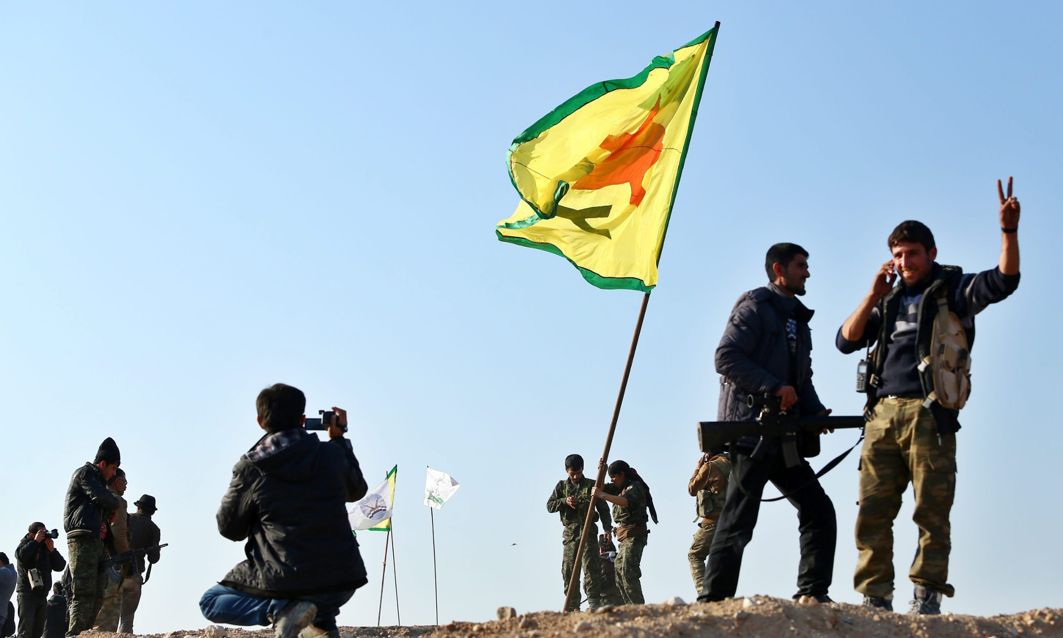 Turkey considers YPG to be a “terrorist group” with ties to the banned Kurdistan Workers’ Party (PKK), responsible for waging a decades-long fight inside the country. PKK has allegedly killed more than 40,000 people in Turkey since the 1980s.
On Sunday, Turkish President Recep Tayyip Erdogan had said that a military operation in northern Syria against the city of Afrin – controlled by the Syrian Kurdish People’s Protection Units (YPG) – would be launched “in the days ahead”. A senior Syrian Kurdish official has also confirmed on Sunday about the fighting already under way. Reports of intense smoke coming out of Afrin’s Nesreyieh region have also come in.
Erdogan also said on Monday that US was working to form a “terror army” on his country’s southern border by training a new force in Syria that includes Kurdish fighters. He said, “What we are supposed to do is to drown this terror army before in comes into being,” and warned US authorities by calling the Kurdish fighters “back-stabbers” who will point their weapons towards Washington in the future.
Meanwhile, Russian Foreign Minister Sergey Lavrov has said that the “The [US’] actions that we have been observing indicate that the US does not want to keep Syria as a state in its current borders.”
While addressing a press conference in Moscow, the Russian top diplomat said, “The US wants to help the Syrian Democratic Forces to set up some border security zones. What it would mean is that vast swaths of territory along the border of Turkey and Iraq would be isolated, it’s to the east of the Euphrates river. There are difficult relations between Kurds and Arabs there. If you say that this zone will be controlled by the forces supported by the US, there will be a force of 30,000 people.”
Lavrov said that the US move would be “a very big deal”, raising “a lot of question marks”. He added, “There is a fear that they are pursuing a policy to cut Syria into several pieces.”
The new US plan of establishing 30,000-strong Kurdish force came after Daesh (IS) defeat in Syria and Iraq. US claims of leading anti-Daesh coalition in Syria and Iraq, but both the host governments have expressed their suspicion of Washington’s support to the terror groups. Iran has played important role in defeating Daesh in both the countries with the presence of their military advisors.





Latest world news
Magnitude 7 earthquake strikes Tibet after floods
A magnitude 7 earthquake struck northern Tibet on Thursday, October 22. The tremor came weeks after deadly flash floods and landslides hit the mountainous region near the Nepal-China border. Initial reports did not confirm casualties or damage from the earthquake.


Latest world news
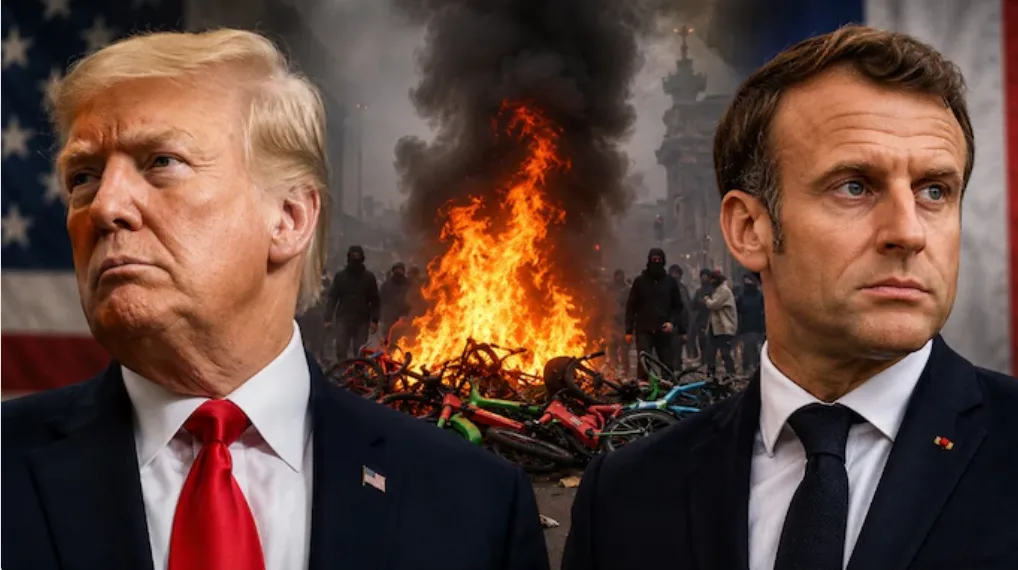
Macron rejects Trump’s immigration claims over France riots
French President Emmanuel Macron criticised Donald Trump and other foreign leaders over their comments on France’s recent unrest. Macron rejected claims that the country was being overrun by migrants and Islamists, calling such assertions false.
Latest world news
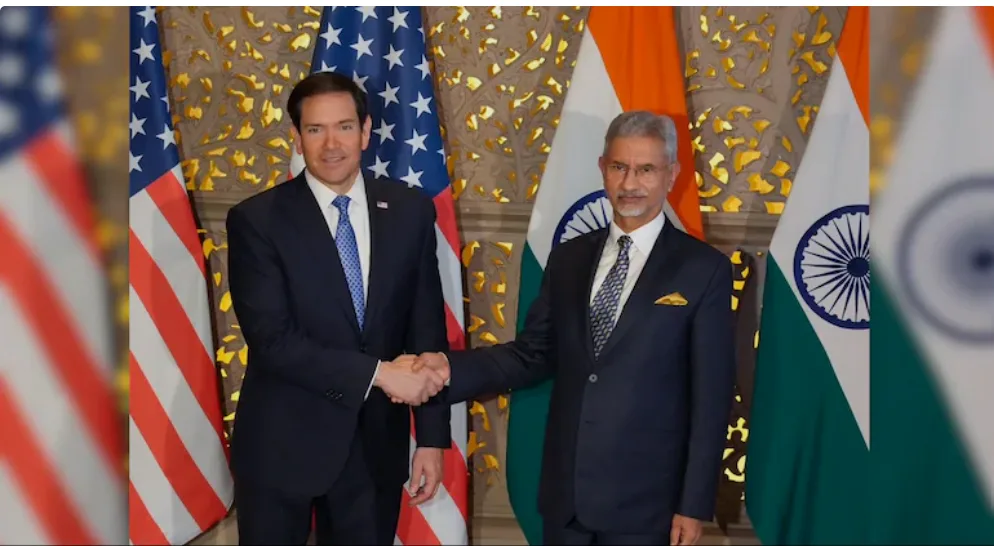
Marco Rubio says India and US share extraordinary alignment on key issues
US Secretary of State Marco Rubio said India and the United States share an extraordinary alignment on core issues, even though disagreements between the two countries may arise.

Om Prakash Mathur sworn in as Keralam Governor

PM Modi to inaugurate Rs 169-crore RBI data centre in Odisha on October 25

Delhi High Court rejects Neha Bora’s plea against peace bond notice

MEA responds after ITBP chief flags ongoing face-offs with China in Arunachal
MEA responds after ITBP chief flags ongoing face-offs with China in Arunachal
Delhi High Court rejects Neha Bora’s plea against peace bond notice
PM Modi to inaugurate Rs 169-crore RBI data centre in Odisha on October 25
Om Prakash Mathur sworn in as Keralam Governor

Two election commissioners complained against senior poll officer, RTI reveals

Afghan Men Try To Hang With The Jet Engine Of The Aircraft in Kabul- Afghanistan News – Kabul News
Trending Top 10 News: 10000 Crore Fine on Flipkart, Apple to Launch Unique Feature, Hdfc Bank Job Ad

Trending Top 10 News: Nokia 6310, Apple sales, Bachpan ka Pyar Video Kid, Dainik Bhaskar IT Raid

Trending Top 10 News: Canada bans Indian flights, Rain in Delhi NCR, AIMIM Twitter hacked, Raj Kundra case

Trending Top 10 News: Shein India, Apple New Service, Pocket Oxygen, Oppo Launched New Phone
-
 India News14 hours ago
Om Prakash Mathur sworn in as Keralam Governor
-
 India News14 hours ago
PM Modi to inaugurate Rs 169-crore RBI data centre in Odisha on October 25
-
 India News13 hours ago
Delhi High Court rejects Neha Bora’s plea against peace bond notice
-
 India News12 hours ago
MEA responds after ITBP chief flags ongoing face-offs with China in Arunachal
